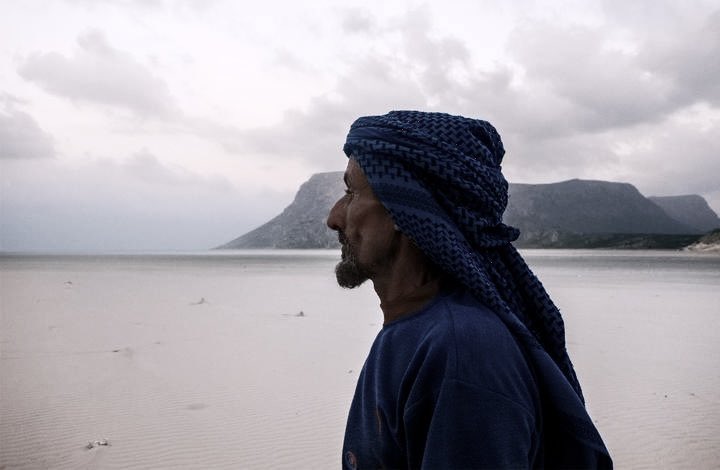
@Balkanista_ Syrian-Damascan and Abbasid?
So basically 0 basically nothing in such places have such aesthetics or show us such aesthetics in your region....
English
Achik
2.1K posts

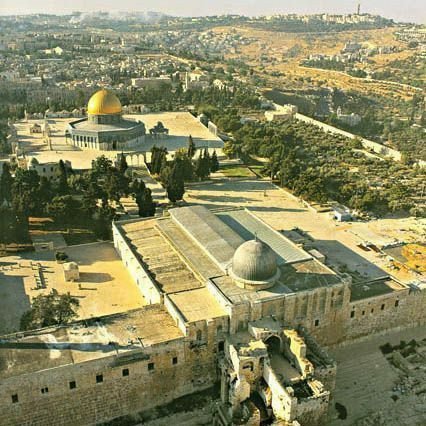


That’s a selective take, not science. Ancient Egyptian art shows Egyptians, Nubians, and others as distinct groups, and the population itself was diverse across regions.


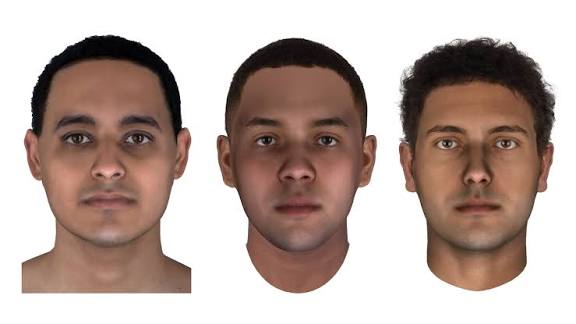



The Great Mosque-Cathedral of Cordoba is among the greatest of Islamic architecture in the Iberian peninsula. However, many people are not aware that Roman artists sent from Constantinople created the mosaics inside: A modern study determined that the mosaic tesserae(the little tile pieces) were imported from medieval Roman Anatolia. Historical primary sources suggest that Emperor Constantine VII Porphyrogennitos (but possibly it arrived slightly later) exported the tesserae to Cordoba in the 10th century. Ibn Imari said in the 14th century that the Romans had also sent mosaicists to install them along with 16 tons of tesserae. Before modern science it would be hard to know if the legend grew over time or not, but it makes sense as part of a long tradition of Roman influence over mosque architecture and decoration. Sources also suggest that famous mosques such as the Dome of the Rock and other prominent early mosques of the Caliphate made use of Eastern Roman artists and methods. Mosaics were not particularly common in medieval Spain, for either Muslims or Christians. The reason the Grand Mosque of Cordoba had them was to emulate those early mosques from the Middle East. The Umayyads of Spain wanted to make their own prominent religious monument. If one wanted to impress in the construction of a religious building, the Romans were perfect natural experts to turn to. The modern study sampled mosaic tesserae from the grand mosque to determine their origins. They undertook efforts to make sure they sampled the original tesserae, not any used later for repairs and touch-ups. They studied 91 tesserae from the Cordoba mosque using cutting-edge high tech methods. The data presented “the first analytical proof that the majority of the 10th century glass tesserae for the decoration of the Umayyad mosque indeed originated in the Byzantine Empire, while a handful of samples exhibit features pointing to the exploitation of local raw materials and by extension the transfer of technical know-how to al-Andalus from outside the Iberian Peninsula. The presence of quintessentially Byzantine glass tesserae in al-Andalus us a striking testimony to Byzantine-Umayyad diplomatic connections and the movement of goods and possibly craftsmen during the 10th century.” Essentially, the study corroborates the written sources which say both the mosaicists and tesserae were shipped to Cordoba from Constantinople. The Roman mosaicists used their own material, as well as using their techniques locally to supplement their supplies. The vast majority of tesserae came from Anatolia. It has a beautiful dome, not just the mosaics but the architecture of it all is brilliant.




Funny how many Berber dynasties claimed a (dubious) Arab lineage -Almoravids claimed to be Himyari -Zirids claimed to be Himyari -Marinids claimed a vague Ghassanid origin -Hafsids claimed descent from Umar (ra) -A Himyari origin was sometimes attributed to the Kutama & Sanhaja

الصورة أختصرت كل شيء. العراق ليس عربي ولا فارسي. العراق 🇮🇶 هو العراق 🇮🇶 فقط. #للتذكير طال عمرك تكفى، بدون صراخ 😩