hostage killer retweetledi

The FBI cut the phone lines during the 1977 disability rights sit-in. Then they turned off the hot water.
They locked the doors from the outside. One hundred and fifty people were trapped on the fourth floor. Half of them used wheelchairs. The government assumed they would leave.
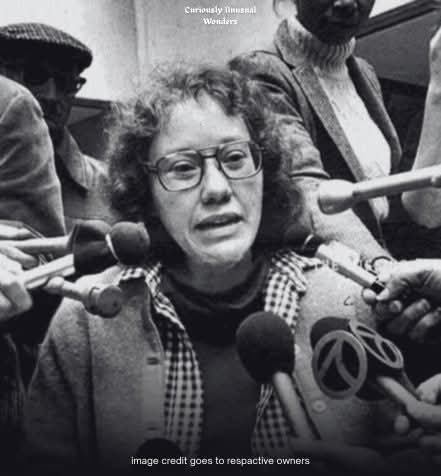
Kitty Cone was thirty-three. She had muscular dystrophy. Her muscles were failing, but her logistics were flawless. She knew how to organize people.
The federal government had promised to sign regulations protecting disabled Americans from discrimination. The policy was known as Section 504. They printed the promise on paper. Then they stalled. Without a signature, it was just typography.
The protesters entered the regional Health, Education, and Welfare building in San Francisco on a Tuesday morning. They took the elevators to the director's office. They brought sleeping bags and catheters. They informed the staff they were not leaving until the law was signed.
By sunset, the police surrounded the exits. Kitty sat near the windows. She organized the floor plan. She assigned committees for security and sanitation. She kept her medication in a small cooler.
According to federal memorandums released decades later, the strategy to end the occupation relied on medical attrition. The building was not equipped for long-term habitation. The FBI calculated that a population requiring ventilators, specialized diets, and daily medical aides would voluntarily evacuate if the environment became sufficiently hostile. They instituted a blockade.
The blockade went into effect immediately. No food deliveries allowed. No medical supplies permitted through the lobby. Guards stood at the main doors checking identification.
Kitty's muscles deteriorated faster under the physical strain. She couldn't walk. When the phone lines went dead, the fourth floor lost contact with the press. The government waited for the quiet.
Kitty dropped to the floor. She realized the barricades were designed for standing adults. The police had blocked the hallways at waist height. They hadn't blocked the linoleum.
The floors were covered in cigarette ash and spilled coffee. She dragged her body through it. She crawled under the barricades to reach the restricted elevator shafts and unguarded offices.
She carried notes in her pockets. She found a single working payphone the FBI missed. She called the local news desks. She called the mayor's office.
She crawled back. When her arms failed, someone pulled her by her ankles. The Black Panthers heard the news reports. They crossed the police lines with hot meals. The FBI could not stop them without a riot.
They shut off the elevators, so she crawled.
The occupation lasted twenty-five days. It remains the longest non-violent occupation of a federal building in American history. On April 28, the Secretary of HEW signed the regulations without a single alteration.
The protesters left the building the next morning. They went back to their apartments. The Rehabilitation Act regulations laid the groundwork for every accessibility law that followed. The HEW building still stands on United Nations Plaza. The elevators run on a schedule. The doors are heavy glass.
Kitty Cone: the woman who crawled under the barricades.
English