
Panos Antonakopoulos
2.9K posts
Panos Antonakopoulos
@antonakopo
Chemical Engineer NTUA - MSc Biochem Eng UCL - MBA - European Civilization - Quality - Environment - Safety - Energy - Auditing - Management ENNOUS
Katılım Eylül 2011
260 Takip Edilen130 Takipçiler

"In an ever-changing, incomprehensible world the masses had reached the point where they would, at the same time, believe everything and nothing, think that everything was possible and that nothing was true… The…mass leaders based their propaganda on the correct psychological assumption that, under such conditions, one could make people believe the most fantastic statements one day, and trust that if the next day they were given irrefutable proof of their falsehood, they would take refuge in cynicism; instead of deserting the leaders who had lied to them, they would protest that they had known all along that the statement was a lie and would admire the leaders for their superior tactical cleverness."
Hannah Arendt
Amen
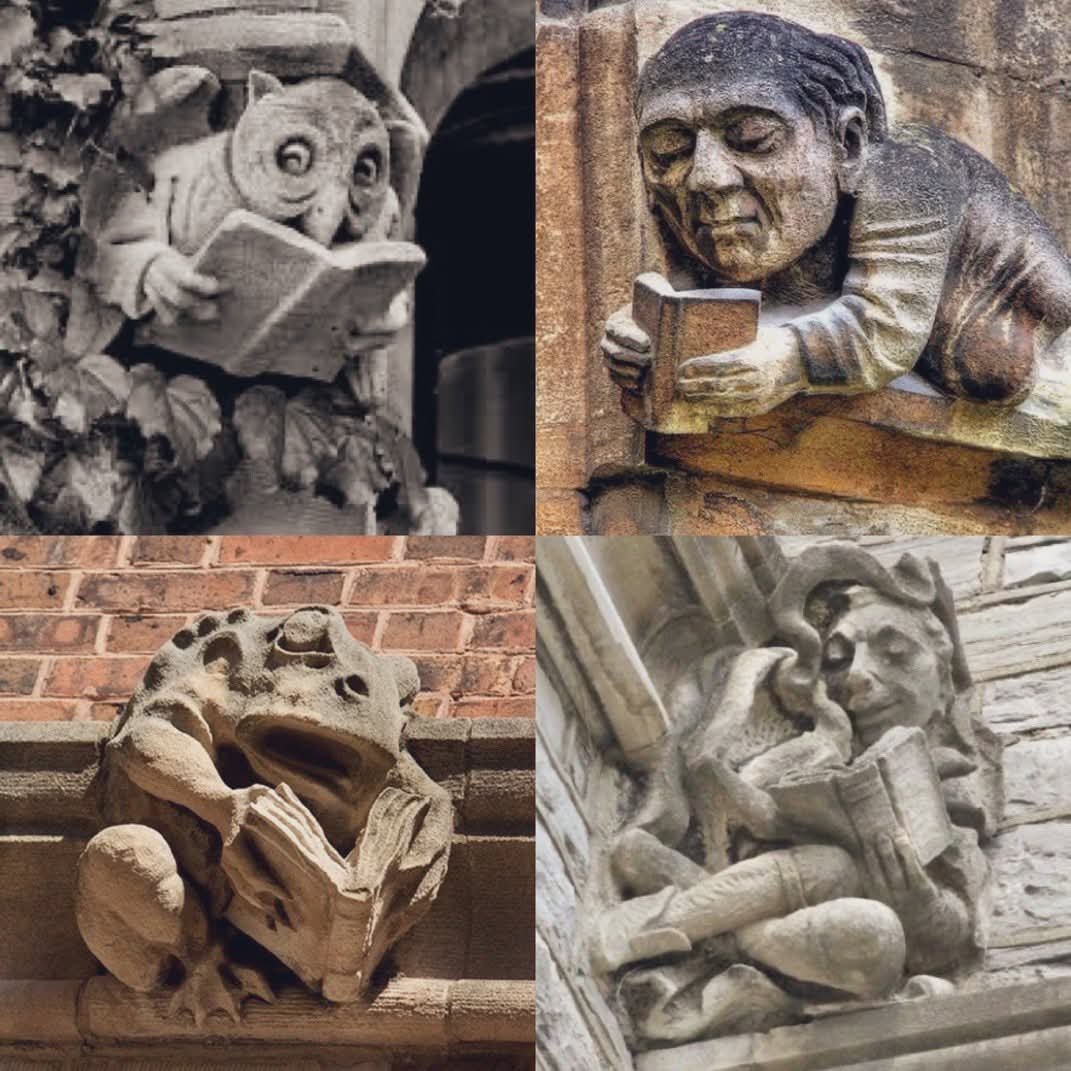
Gargoyles depicted reading books.
English
@StephieTheodor3 @mariakalantze Καλημέρα σας. Η εταιρεία μου λέγεται ΕΝΝΟΥΣ με ίδρυση 1995! Είμαστε τεχνικοί σύμβουλοι!! Το όνομα βρήκα στην Ιλιάδα. Ευχαριστώ που μου δώσατε το απόσπασμα από τον Σοφοκλή! Πάνος Αντωνακόπουλος
Ελληνικά

"Ανήρ έννους τα καινά τοις πάλαι τεκμαίρεται".
(Ο άνθρωπος που έχει μυαλό, βγάζει συμπέρασμα για τα νέα με βάση τα παλιά).
**Σοφοκλής ( Οιδίπους Τύραννος)
Καλημέρα ! ☕❤

Ελληνικά
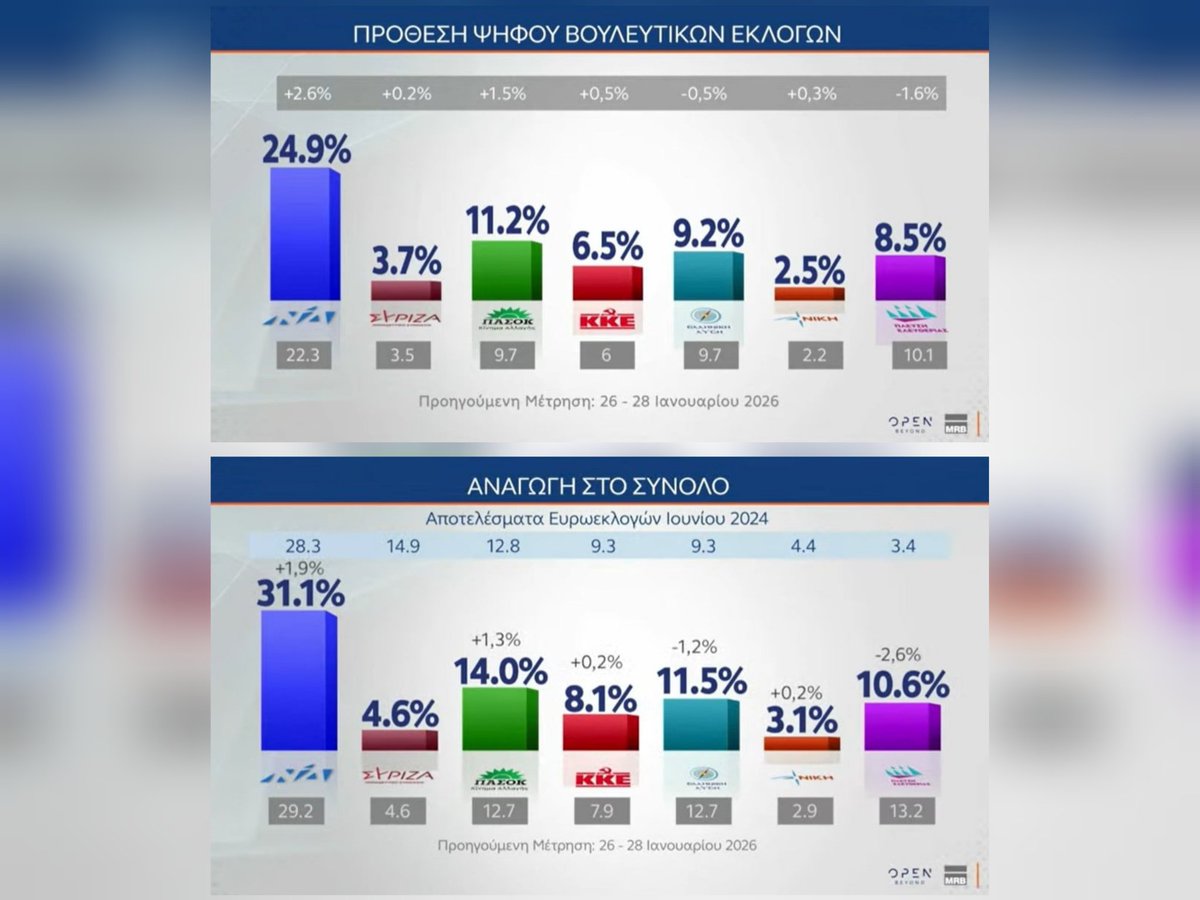
@MirandaPrada_ @BenakisM 21,5% που καταγράφεται αυτό;;
Ελληνικά
Πάντως η δημοσκόπηση της MRB, που επικαλείστε, δείχνει άλλα αποτελέσματα, από αυτά που γράφετε.
Και σίγουρα όχι, ότι η #ΝΔ γίνεται μικρομεσαίο κόμμα σαν το #ΠΑΣΟΚ.
Υ.Γ.: Τα σχόλια, γιατί τα κλείσατε;
MELETIS MELETOPOULOS@MELETOPOULOS1
Δημοσκόπηση MRB: η ΝΔ με 21,5% εξελίσσεται σε μικρομεσαίο κόμμα τύπου ΠΑΣΟΚ. Τσίπρας και Καρυστιανού κόμματα διαμαρτυρίας. Τοπίο κατακερματισμού. Η κοινωνία δεν εμπιστεύεται κανέναν ως κυβερνήτη. Δύναμη διακυβέρνησης δεν υπάρχει. Αν εμφανισθεί συγκροτημένη λύση θα σαρώσει.
Ελληνικά
@Pergament_F What is in the reading list this week Sophia?
English
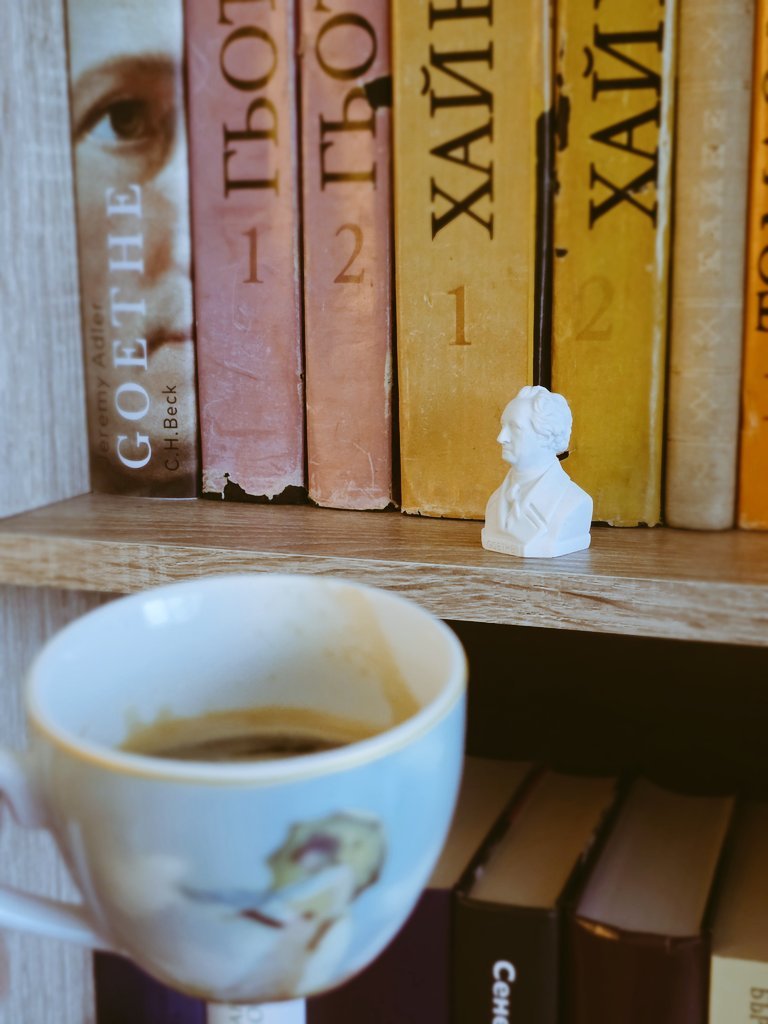
It is Saturday morning, and by some internal and entirely unjustified discipline, I have woken up at five, in perfect alignment with the village roosters, the chickens, and the sea gulls, all of whom seem to reject the very concept of a weekend and even more decisively the idea of silence, because from the earliest hour they are engaged in something that resembles a theatrical discussion, almost a rehearsal, almost a fully staged debate on the fate of Poliuto, as if Poliuto has quietly relocated from the opera house to this rather overcommitted coastal morning.
The roosters, with the unwavering confidence of beings who have never once questioned their own authority, announce each moment with such precision that one half expects a conductor to appear, while the chickens, more pragmatic and slightly skeptical, respond with a low, continuous commentary that functions very much like a secondary chorus, and the gulls, ah, the gulls, they carry the tragedy, their voices rising into that almost excessive register where suffering becomes something performative, something that demands to be heard rather than understood.
And within this peculiar alignment of sound and structure, Poliuto ceases to be merely a martyr and becomes something closer to a tragicomic figure, because tragedy, when placed under open sky, softened by morning light and a mild breeze, begins to lose its gravity and acquire a certain lightness, in which death is no longer an end, but part of the composition, something to be delivered with intensity rather than endured.
I sit in my Thinking Zone, with a cup of coffee that has not yet decided whether it intends to be taken seriously, and I observe this early performance with that slight distance that allows things to be simultaneously absurd and entirely coherent, because in the end, the difference between opera and life is minimal, except that in opera we at least know when the aria is coming.
And honestly, if one is to be precise,
I think the gulls handled the final scene better.
☕️📖🪻
Good morning
English
@SmartenRan @readswithravi Dear Tapiros Maximus don’t ever abandon your collecting those intellectual jewels full of wise language, knowledge, sentiments, humor, action, ideas. Either electronic or paper they make our lives more rich and enjoyable!! Please carry on!
English

I share the sentiment, but recently I understood that consumerism is consumerism, and hoarding is hoarding - the attempt to justify it as an intellectual venture is self-deception. Funny enough, this realization dawned on me right after exiting a bookshop with 5 new books. It was in a mall, and everyone around was carrying shopping bags. A thought snuck in: "How silly are all these people with their bags full of unnecessary products, but I .. I have BOOKS!" Then I immediately felt like a complete idiot and burst out laughing 😂 Seriously, why am I buying more books? I already have about 30 waiting on the shelf, and another 100 on my 'to-read' list, all freely available online. Why then? If I'm being super honest, it's consumerist attitudes (i.e, buy stuff to feel good) blended with signaling (look at my big library!), with some nostalgic love of paper - NONE make sense anymore in 2026. It was not an expected conclusion, and I'm still processing.
English
Panos Antonakopoulos retweetledi

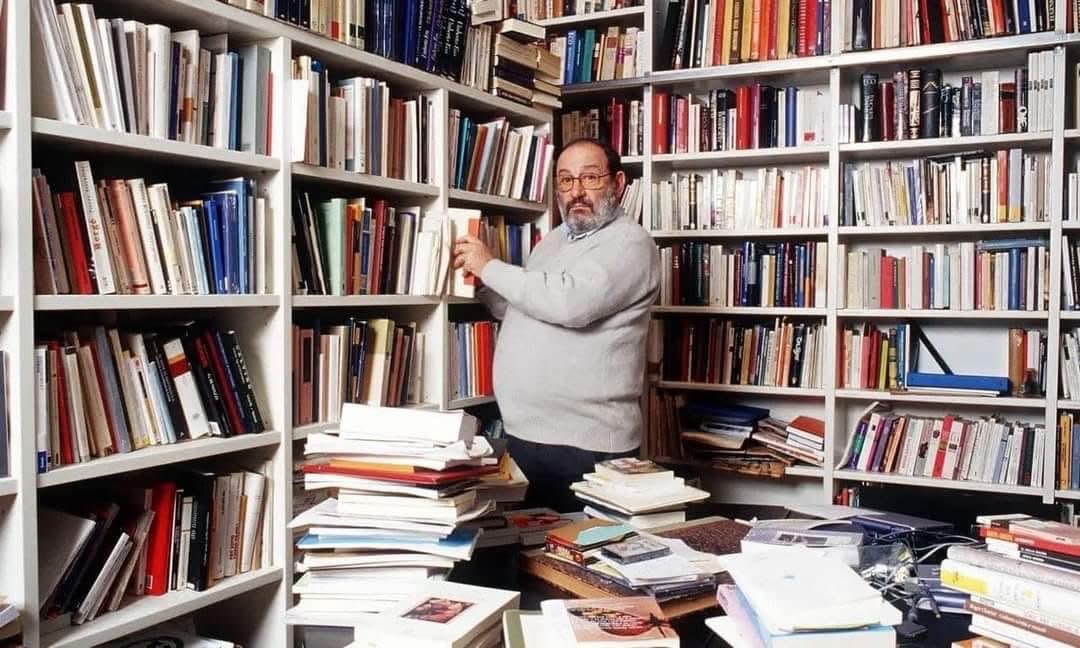
Umberto Eco, who owned 50,000 books, had this to say about home libraries:
“It is foolish to think that you have to read all the books you buy, as it is foolish to criticize those who buy more books than they will ever be able to read. It would be like saying that you should use all the cutlery or glasses or screwdrivers or drill bits you bought before buying new ones.
“There are things in life that we need to always have plenty of supplies, even if we will only use a small portion.
“If, for example, we consider books as medicine, we understand that it is good to have many at home rather than a few: when you want to feel better, then you go to the ‘medicine closet’ and choose a book. Not a random one, but the right book for that moment. That’s why you should always have a nutrition choice!
“Those who buy only one book, read only that one and then get rid of it. They simply apply the consumer mentality to books, that is, they consider them a consumer product, a good. Those who love books know that a book is anything but a commodity.”
English
Panos Antonakopoulos retweetledi
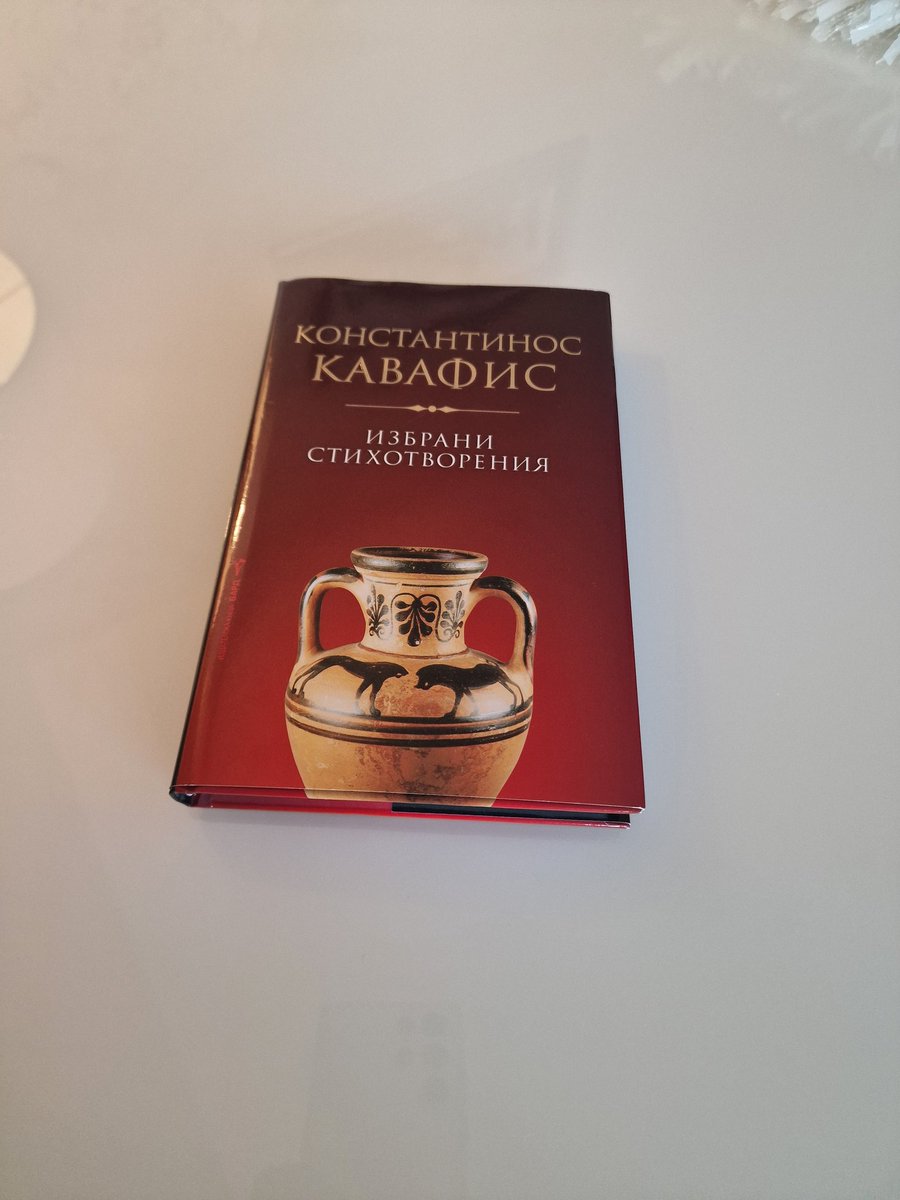
There is something almost mathematically precise, and yet deeply human, in the fact that Constantine P. Cavafy was born and died on the same date, as if his life had refused dispersion and insisted, quietly but irrevocably, on closure within a single circle, not dramatic, not proclaimed, but exact, the way his poetry itself unfolds, without excess, without illusion, and yet carrying within it an architecture of time, memory, and restraint.
He was not born into simplicity.
His family, prosperous, cosmopolitan, moving between Alexandria, Constantinople, England, was not merely a background, but a structure that would later fracture, and within that fracture something essential would take shape, because after the death of his father, stability dissolves, the family disperses and rearranges itself under necessity, and it is precisely in this movement, between presence and loss, that Cavafy learns something he will never abandon: that identity is not given, but constructed slowly, almost defensively, against instability.
Alexandria becomes not only a place.
It becomes condition, not because it is fixed, but because it contains within itself the memory of civilizations layered without resolution, Greek, Egyptian, Roman, Byzantine, Ottoman, and in this city, which is never entirely one thing, Cavafy finds the only ground for a consciousness that refuses simplification and understands that history is not past, but presence.
He travels, yes, lives in England, returns to Alexandria, moves through Constantinople, yet he is not a traveler in the romantic sense, but one who observes, because for him the essential journey is not geographical, but temporal, a movement through memory, through fragments of worlds that persist beneath the present. And there is always this duality: the diplomat, measured, restrained, and the poet, private, almost hidden, distributing his work not as product, but as confidence.
His philosophy is not announced.
It emerges in lines that seek recognition, not admiration.
"In this small corner of the world, I have created my life", he writes, not as limitation, but as construction.
"You won’t find new countries, won’t find other shores", not as despair, but as refusal of illusion.
Love, in his life, is not public, but lived in fragments, and precisely because of this it acquires intensity, almost archival, as if each moment must be preserved, "Remember, body… not only how much you were loved", and in this there is both tenderness and loss.
He does not idealize, ue does not console.
"As you set out for Ithaka, hope the voyage is a long one", not as dream, but as correction, because Ithaka is not the goal, but the pretext, and what matters is duration.
This is Cavafy- measured, precise,
uncompromising in his refusal of grandeur. And yet, quietly immense.
Because he does not transcend time.
He inhabits it. And in doing so, he leaves not a monument, but a structure, available only to those willing to enter it without illusion.
Ablativus absolutus.
English
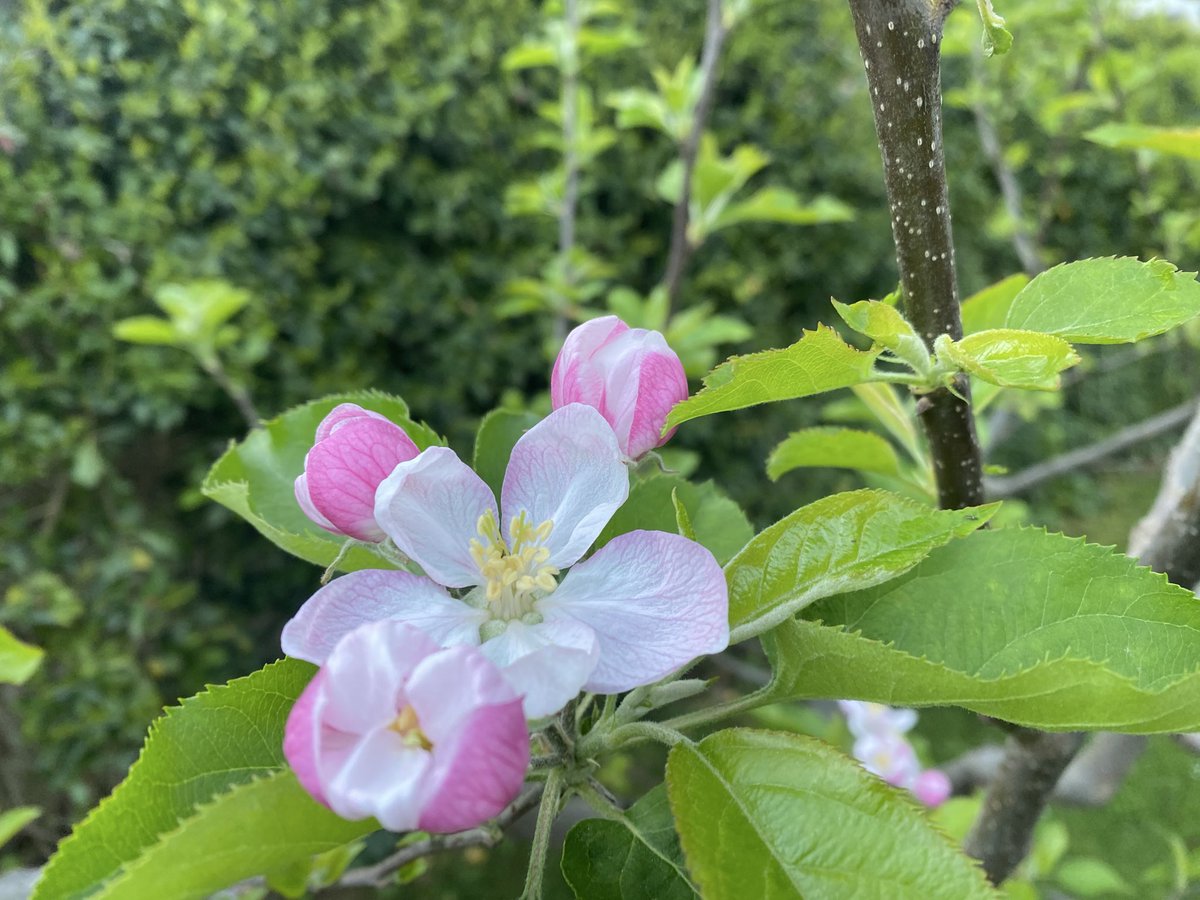
"We have one life, one shot at all the glorious things of life, and we walk about constricted, apologetic, afraid. We have so little time; we have so little space upon which to spread our love and our talents and our kindness. Run toward life fulsomely and freely."
Tennessee Williams
Calm evening

English

@Pergament_F For people who are bound to a daily work to make a living in our modern society time is such a precious thing! There must be a more organized way to claim the content of great books, to enjoy the jewels of our poets and novelists and philosophers! I wander how. With respect, PA
English
@Pergament_F You must have convinced even the most indifferent followers about the value of reading, books and libraries. You offer a personal example of education and spirit! However the means you are using is the screen! That is the enemy of reading! ⬇️
English
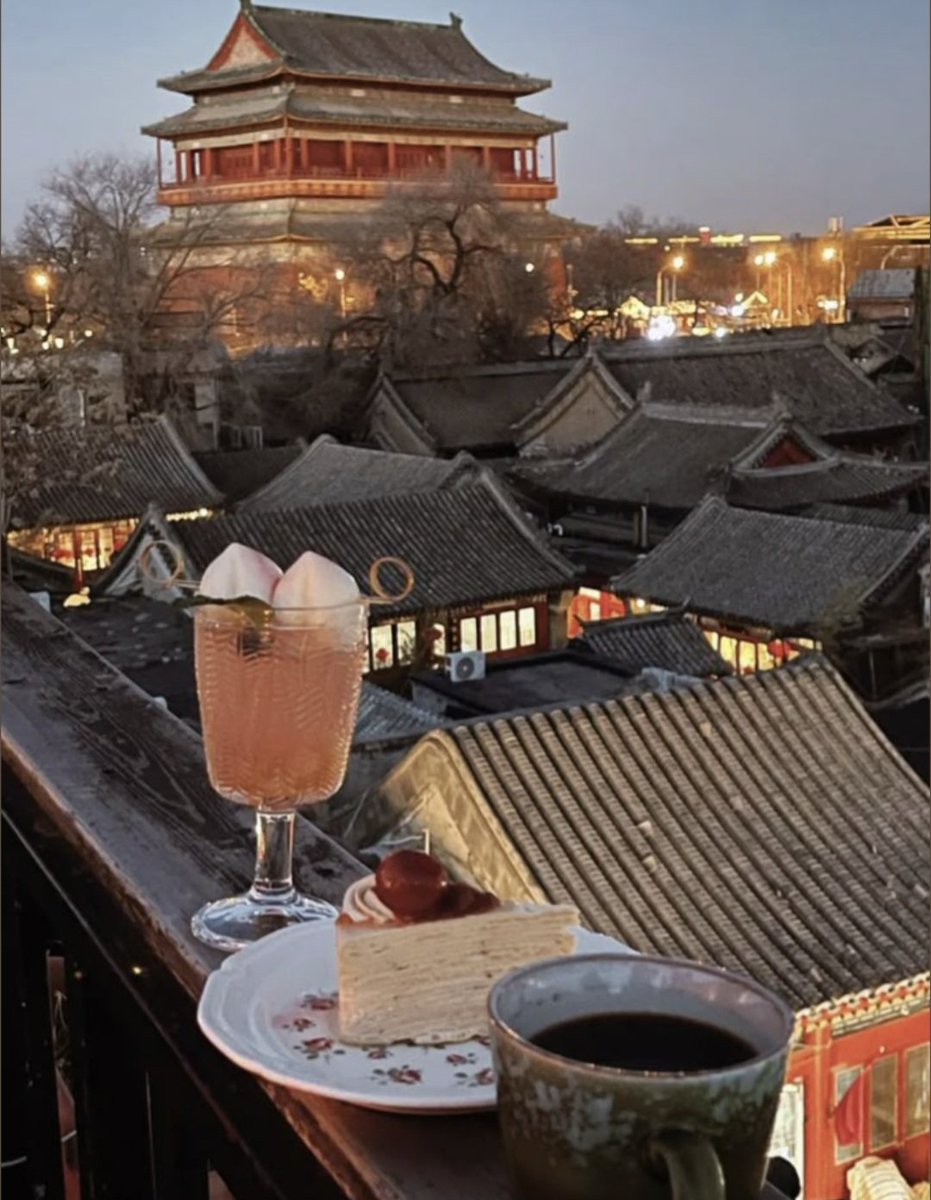
"Every morning the world is reborn in my cup of coffee."
Pablo Neruda
☕️📖🪻
Good morning
English
@Pergament_F Open letter to SP. Dear Sophia first I would like to express my appreciation for your relentless and copious shares of wisdom and thoughts. I am certain that amongst your aims is to educate your followers of whom I am lucky to be one. ⬇️
English
Panos Antonakopoulos retweetledi
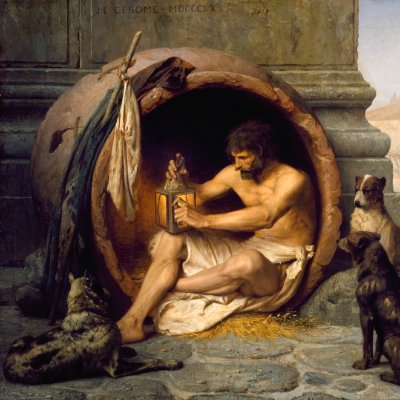
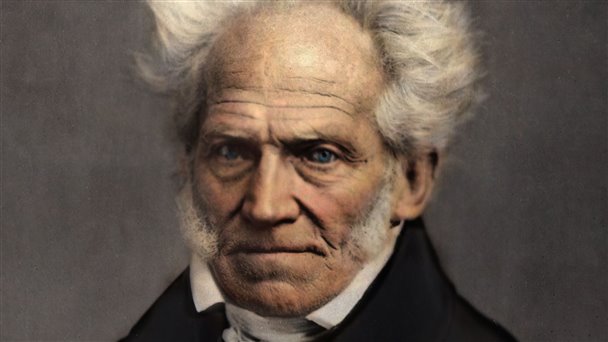
“It would be a good thing to buy books if one could also buy the time in which to read them; but generally the purchase of a book is mistaken for the acquisition of its contents.”
— Arthur Schopenhauer
English
Panos Antonakopoulos retweetledi

Αναστάτωση σημειώθηκε το βράδυ της Παρασκευής (24/4) στο πλοίο Νήσος Σάμος, το οποίο εκτελούσε το δρομολόγιο Πειραιάς – Χίος – Λέσβος, όταν επιβάτες άναψαν τσιγάρο σε εσωτερικό χώρο.
Σύμφωνα με βίντεο που δημοσίευσε το kalloninews, ο καπνός ενεργοποίησε το σύστημα πυρόσβεσης του πλοίου, με αποτέλεσμα να εκτοξευθεί νερό στους χώρους και να προκληθεί αναστάτωση μεταξύ των επιβατών.
Το περιστατικό προκάλεσε έντονες αντιδράσεις, ενώ από τη λειτουργία του συστήματος αναφέρθηκαν και υλικές ζημιές στο εσωτερικό του πλοίου.
Ελληνικά
Panos Antonakopoulos retweetledi
"Socrates: Oughtn’t we first to offer a prayer to the divinities here?
Phaedrus: To be sure.
Socrates: Dear Pan, and all ye other Gods that dwell in this place, grant that I may become fair within, and that such outward things as I have may not war against the spirit within me. May I count him rich who is wise, and as for gold, may I possess so much of it as only a temperate man might bear and carry with him. Is there anything more we can ask for, Phaedrus? The prayer contents me."
Plato, "Phaedrus" 279 b-c

English
Panos Antonakopoulos retweetledi


Panos Antonakopoulos retweetledi

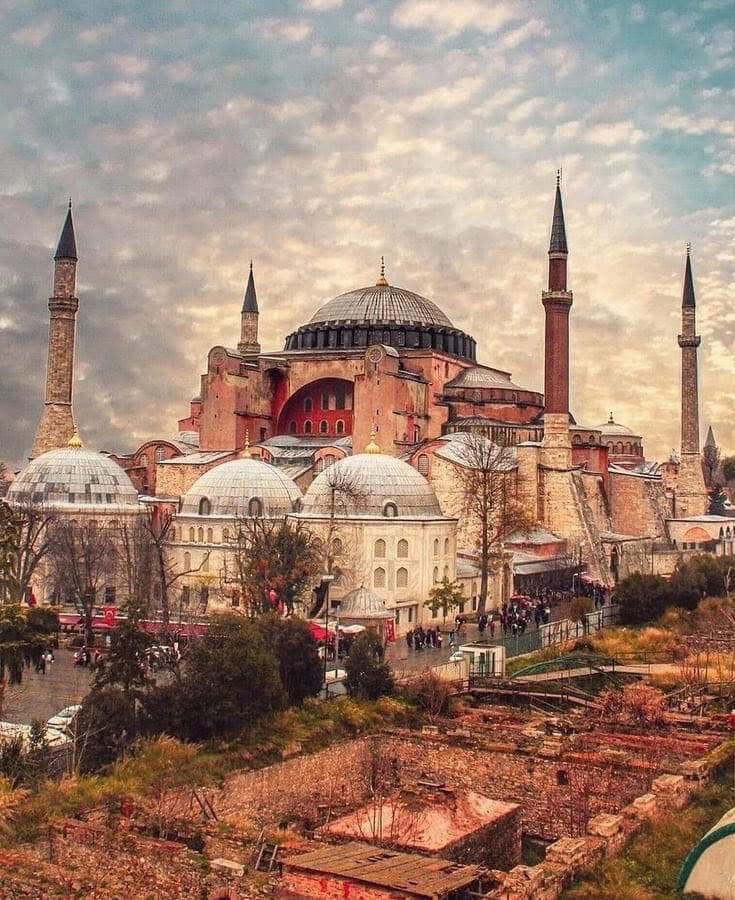
Under Lindsey Graham’s watch, the famous Christian cathedral Hagia Sophia, was turned over to the Muslims in the year 2020 on behalf of the United Nations. Instead of fighting against the handover of the Hagia Sophia to the Muslims, Lindsey Graham was silent. He didn’t even threaten the United Nations or use any of his political power against Turkey to stop the theft!
Turning the Hagia Sophia into a mosque has been one of the greatest injustices in Christian history. The cathedral belongs to Christians and will be returned, under my watch, to the Christians under the ownership of the Greek Orthodox Church.
The United States imported $17.52 billion worth of goods from Turkey in 2025. As soon as I become South Carolina’s new U.S. Senator, I will introduce legislation that will ban all imports from Turkey until the Hagia Sophia is returned to Christians.
The bill I will introduce will be titled The Return the Hagia Sophia to the Church Act. I will invite all Christian clergy (Orthodox, Catholic, and Protestant) to the U.S. Capitol the day of the bill’s introduction to pressure Congress to pass the bill so that all imports from Turkey (over $17 billion annually) will be banned until ownership of the Hagia Sophia is given to the Greek Orthodox Church.
When I am in the U.S. Senate I will fight to stop the takeover of Christian churches by Islam, especially in the United States.
English
Panos Antonakopoulos retweetledi

Η ποιότητα του Κράτους έχει να κάνει με την ποιότητα της νομοθεσίας. Η ποιότητα της νομοθεσίας έχει να κάνει με την ποιότητα των πολιτικών που βρίσκονται στη Βουλή, οι οποίοι προτείνουν, διορθώνουν, νομοθετούν. Αυτό σημαίνει ότι ο πολιτικός πρέπει να "νογάει".
Ο πολιτικός πρέπει να μπορεί να διαβάσει έναν νόμο, δεν είναι και πυρηνική φυσική ο νόμος, να έχει επαφή με την κοινωνία, να βλέπει, να ακούει, να κατανοεί, να αναλύει, να συνθέτει και να παράγει λύσεις. Αυτό θέλει δουλειά σε πολλά επίπεδα. Και παιδεία.
Πολιτικοί που δεν "νογάνε" δεν προσφέρουν τίποτα στο κοινωνικό σύνολο. Πολιτικοί που δεν δουλεύουν επίσης. Η πολιτική δεν είναι δημόσιες σχέσεις, δεν είναι μόνιμη αγανάκτηση, δεν είναι βιοπορισμός ανεπάγγελτων και ανεπρόκοπων. Είναι δουλειά με ευθύνη, με δημιουργικότητα και με σοβαρότητα.
Οι πολίτες να μην διαμαρτύρονται όταν στέλνουν ως εκπροσώπους ανθρώπους που δεν μπορούν να κατανοήσουν αλλά ούτε να δημιουργήσουν ένα απλό κείμενο, ανθρώπους που δεν ξέρουν να μιλήσουν. Ούτε ανθρώπους που δεν έχουν ιδεολογικό υπόβαθρο, πολιτικό επιχείρημα, ιστορική γνώση. Ούτε ανθρώπους διαταραγμένους. Ούτε ανθρώπους που δεν έχουν εργαστεί ποτέ σοβαρά στη ζωή τους. Η εργασία σου μαθαίνει πολλά πράγματα.
Λέω κάτι δικά μου, επειδή ακούω και διαβάζω διάφορα. Και επειδή κατά καιρούς έχουμε λουστεί διάφορα αστροπελέκια είπα να κάνω ένα σχόλιο.
Ελληνικά
"The limits of my language mean the limits of my world."
At the end of the nineteenth century, in a Vienna suspended between cultural brilliance and psychological tension, Ludwig Wittgenstein is born into a family where wealth is secondary to intensity, where music is not decoration but structure, and where expectation functions less as encouragement and more as quiet pressure, shaped by a father whose authority is nearly architectural in its rigidity and a mother whose refinement deepens the emotional atmosphere, so that within this household, where genius is assumed and fragility is concealed, several of his brothers collapse under that weight, leaving behind a silence that will accompany Wittgenstein’s thinking not as drama, but as condition.
He does not begin as a philosopher, but as an engineer, as if attempting to remain within the stability of the measurable, yet this proves temporary, because precision opens into questions about thought itself, bringing him to Bertrand Russell in Cambridge, where their encounter exceeds the academic, since Russell recognizes not merely talent but an intensity that resists assimilation, while Wittgenstein does not seek guidance so much as clarity, creating a relationship marked by admiration, tension, and eventual distance, where influence is undeniable but authority never fully accepted.
"If people never did silly things nothing intelligent would ever get done."
Wittgenstein’s writing is sparse and controlled, because for him philosophy is not accumulation but clarification of language, a project that reaches its most concentrated form in "Tractatus Logico-Philosophicus", a text whose brevity conceals its ambition, structured in numbered propositions that suggest reduction rather than expansion, where the claim that "The world is all that is the case" redefines reality as a totality of facts, and language becomes a logical picture of them, such that what can be said must be said clearly, while what cannot must be left aside, culminating in the severe conclusion: "Whereof one cannot speak, thereof one must be silent."
And yet this is not final, because Wittgenstein later turns against this rigidity, developing in "Philosophical Investigations" a more fluid understanding of language as use, as practice, as a multiplicity of "language-games" that resist reduction to a single form, transforming his philosophy from system into movement.
His relationship with Russell remains revealing, for although Russell introduces him to philosophy and attempts to interpret him, Wittgenstein resists such mediation, at times dismissing Russell’s readings, creating a dynamic in which respect coexists with refusal to be contained, and it is precisely this tension that makes their exchange foundational.
"The problems are solved, not by giving new information, but by arranging what we have always known."
In his personal life, Wittgenstein maintains a distance that mirrors his discipline, forming connections, including with women, marked by intensity and respect but rarely by conventional emotional structure, as he neither pursues nor sustains traditional relationships, remaining oriented toward inward coherence, creating a contrast between the immediacy of his presence and the restraint of his intimacy.
If his legacy is to be understood without exaggeration, it lies in his refusal to provide answers where clarity is impossible, and in his insistence that philosophy does not expand the world but clarifies its limits, leaving not a system, but a discipline, one that sharpens our sense of where thought succeeds, where it fails, and where silence becomes the more accurate response.
Night

English
@Pergament_F Those who claim having read more than 5 pages of the tractatus are either geniuses or liars.
English