@briankkeyser@ProfSteveKeen@StephanieKelton Do you consider a CB issuing an interest-earning overnight settlement balance "borrowing"? A term deposit? If not, what's the difference, in your view, between what that promises and what a t-bill promises?
👏Issuing👏Treasury👏Securities👏Isn't👏Borrowing👏Money👏
As @StephanieKelton says, you don't get a loan from a bank by walking in and giving them the exact amount you want to borrow in cash first. Yet that's how the Tsy markets work.
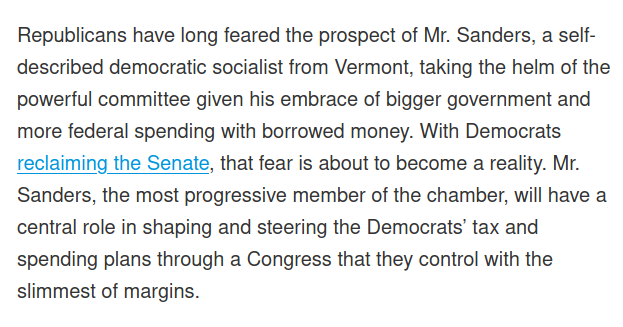
nytimes.com/2021/01/12/us/…
@rohangrey@BSpookoo@mfrancesryan@ProfSteveKeen@StephanieKelton Reserves come into existence when the FED buys assets(bonds) on the secondary market from banks.
Primary dealers buy gov. debt on the primary market, by creating new deposits themselves, commercial banks create all the money except paper bills and coins.
@BSpookoo@mfrancesryan@ProfSteveKeen@StephanieKelton If you're a bank in this scenario, you are settling this transaction with reserves. Where did those reserves come from? The govt credited them to you in the first instance.
If you're a non-bank, the same dynamic takes place with your agent bank settling on your behalf.
@rohangrey@mfrancesryan@ProfSteveKeen@StephanieKelton FED buys T-bills and bonds at the secondary market only from prim. dealers, and than creates reserves.
Primary dealers create new deposits(money) on their own when buying gov. debt, without the FED.
All lending must go trough commercial banks, so FED can set the interest rates
@mfrancesryan@ProfSteveKeen@StephanieKelton Except it isn't. The Fed provides the reserve balances to the primary dealers or their banks on the back end, which is what actually settles the payment. So the causality is Fed-->Primary Dealer-->Treasury.