
Rob Argent

285 posts

Rob Argent banner
Rob Argent

Rob Argent

@argentrob

Lecturer in #DigitalHealth @RCSI_Irl @RCSIPharmBioMol #connectedhealth // PhD Digital Health // Physiotherapist. International Hockey Umpire @FIH_Hockey

Dublin, Ireland Katılım Aralık 2010
257 Takip Edilen321 Takipçiler
Rob Argent retweetledi

RCSI School of Population Health
RCSI School of Population Health@RCSI_PopHealth·
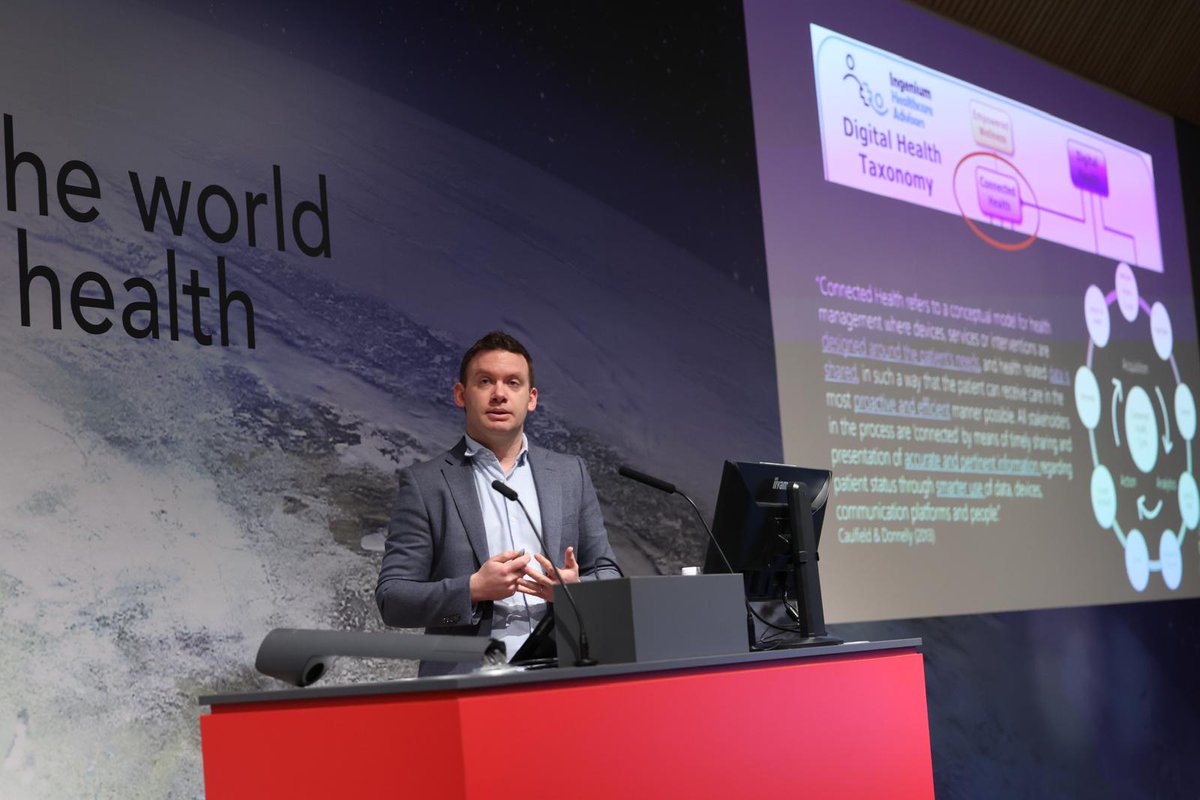
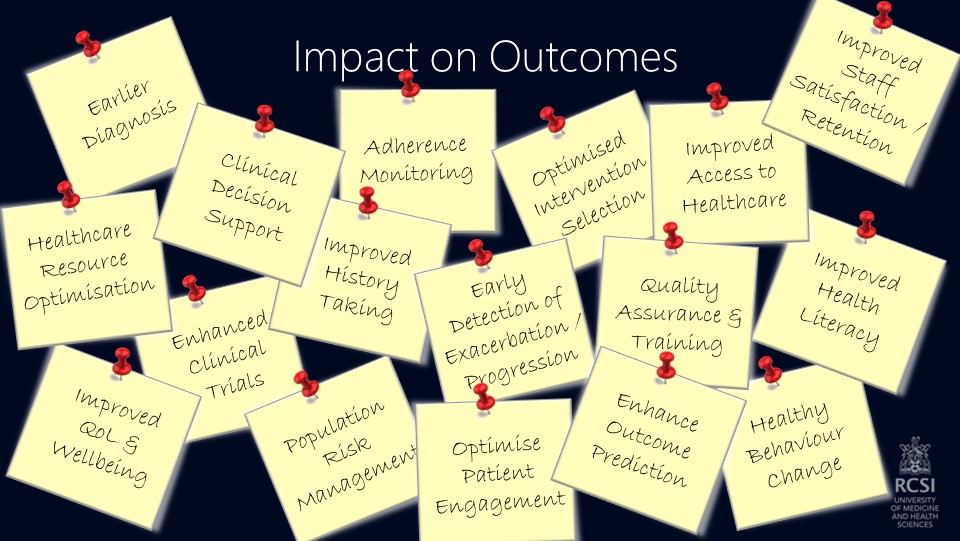
The impact of digital health on outcomes can be categorised as clinical, experiential, societal or economic, said Dr @argentrob at #NHOC2025. Adherence is a key outcome that can be measured & facilitated through digital health, he said. This can optimise health resource utilisation, improve health literacy & increase QoL.
RCSI School of Population Health tweet media
English
0
2
4
262
Rob Argent retweetledi
npj Digital Medicine
npj Digital Medicine@npjDigitalMed·
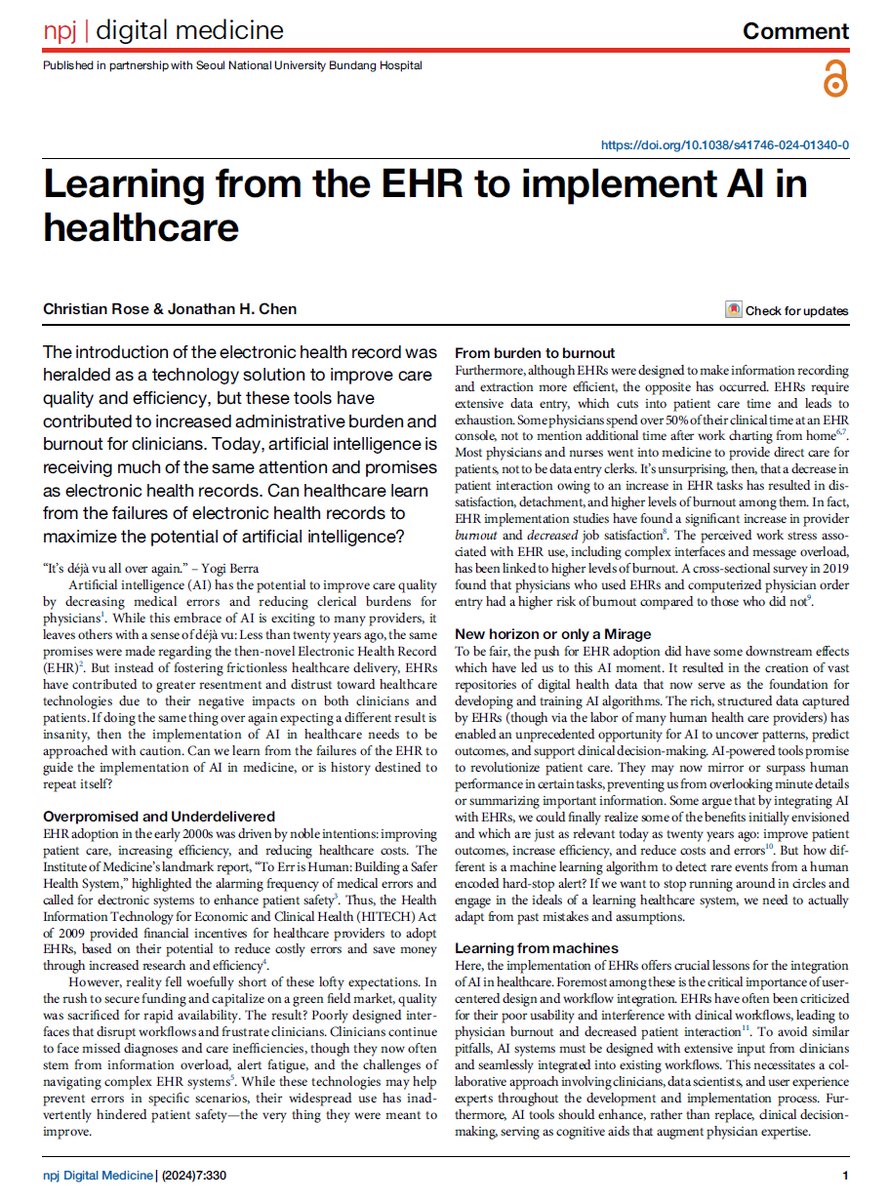
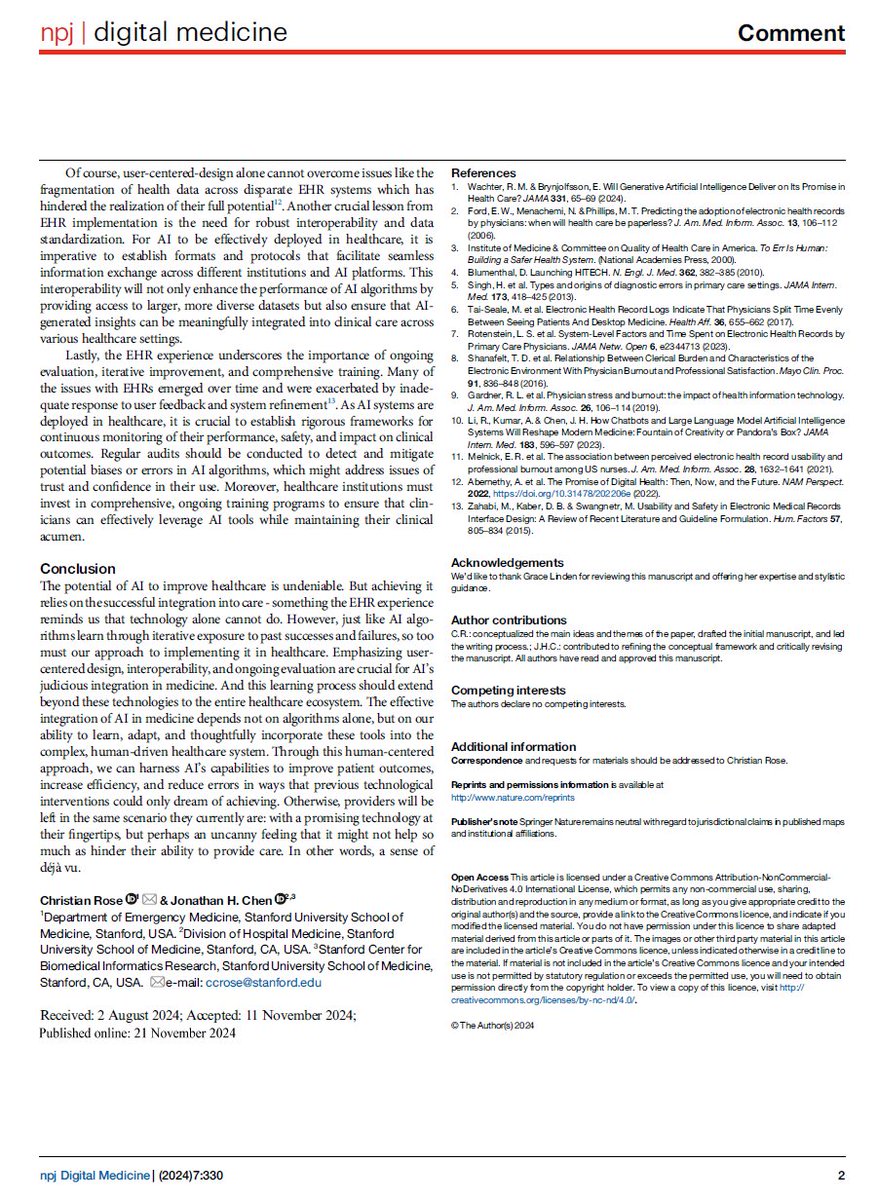
"It’s déjà vu all over again" This thought provoking commentary considers the question of whether we can 'learn from the failures of the EHR to guide the implementation of #artificalintelligence in medicine, or is history destined to repeat itself?' nature.com/articles/s4174…
npj Digital Medicine tweet medianpj Digital Medicine tweet media
English
0
20
35
3.7K
Rob Argent retweetledi
Pulse+IT
Pulse+IT@pulseitnews·
Ireland’s interpretation of GDPR ‘disgraceful’ – NI digital health expert dlvr.it/TDSGml
Pulse+IT tweet media
English
0
2
1
297
Rob Argent retweetledi
RCSI School of Pharmacy and Biomolecular Sciences
It's always an exciting time of year when we welcome new faces! Today sees us welcome students at the start of their journey in the 2024/25 cohort of our MSc in Technologies & Analytics in #PrecisionMedicine. Great to see so many faces joining our community. 🎓
RCSI School of Pharmacy and Biomolecular Sciences tweet media
English
0
4
18
1.4K
Rob Argent retweetledi
University College Dublin
University College Dublin@ucddublin·
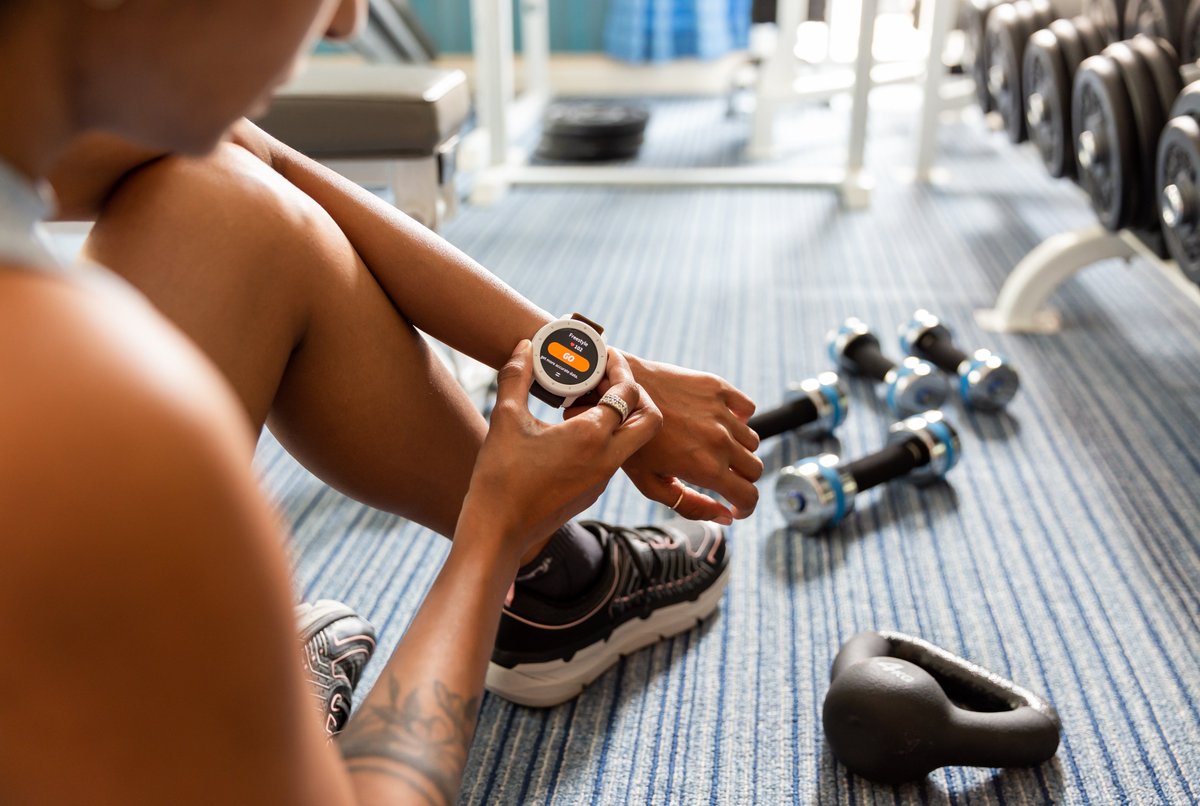
🏃‍♂️⌚️ 𝙊𝙥𝙞𝙣𝙞𝙤𝙣: 𝙃𝙤𝙬 𝙖𝙘𝙘𝙪𝙧𝙖𝙩𝙚 𝙖𝙧𝙚 𝙬𝙚𝙖𝙧𝙖𝙗𝙡𝙚 𝙛𝙞𝙩𝙣𝙚𝙨𝙨 𝙩𝙧𝙖𝙘𝙠𝙚𝙧𝙨? 𝙇𝙚𝙨𝙨 𝙩𝙝𝙖𝙣 𝙮𝙤𝙪 𝙢𝙞𝙜𝙝𝙩 𝙩𝙝𝙞𝙣𝙠 🧵👇 Back in 2010, Gary Wolf, then the editor of Wired magazine, delivered a TED talk in Cannes called “the quantified self”. It was about what he termed a “new fad” among tech enthusiasts. These early adopters were using gadgets to monitor everything from their physiological data to their mood, and even the number of nappies their children used. Wolf acknowledged that these people were outliers – tech geeks fascinated by data – but their behaviour has since permeated mainstream culture. From the smartwatches that track our steps and heart rate, to the fitness bands that log sleep patterns and calories burned, these gadgets are now ubiquitous. Their popularity is emblematic of a modern obsession with quantification – the idea that if something isn’t logged, it doesn’t count. At least half the people in any given room are likely wearing a device, such as a fitness tracker, that quantifies some aspect of their lives. Wearables are being adopted at a pace reminiscent of the mobile phone boom of the late 2000s. However, the quantified self movement still grapples with an important question: can wearable devices truly measure what they claim to? Along with my colleagues Maximus Baldwin, Alison Keogh, Brian Caulfield and Rob Argent, I recently published an umbrella review (a systematic review of systematic reviews) examining the scientific literature on whether consumer wearable devices can accurately measure metrics like heart rate, aerobic capacity, energy expenditure, sleep and step count. At a surface level, our results were quite positive. Accepting some error, wearable devices can measure heart rate with an error rate of plus or minus 3%, depending on factors like skin tone, exercise intensity and activity type. They can also accurately measure heart rate variability and show good sensitivity and specificity for detecting arrhythmia, a problem with the rate of a person’s heart beat. Additionally, they can accurately estimate what’s known as cardiorespiratory fitness, which is how the circulatory and respiratory systems supply oxygen to the muscles during physical activity. This can be quantified by something called VO2Max, which is a measure of how much oxygen your body uses while exercising. The ability of wearables to accurately measure this is better when those predictions are generated during exercise (rather than at rest). In the realm of physical activity, wearables generally underestimate step counts, by about 9%. 𝘾𝙝𝙖𝙡𝙡𝙚𝙣𝙜𝙞𝙣𝙜 𝙚𝙣𝙙𝙚𝙖𝙫𝙤𝙪𝙧 However, discrepancies were larger for energy expenditure (the number of calories you burn when exercising) with error margins ranging from −21.27% to 14.76%, depending on the device used and the activity undertaken. Results weren’t much better for sleep. Wearables tend to overestimate total sleep time and sleep efficiency, typically by more than 10%. They also tend to underestimate sleep onset latency (a lag in getting to sleep) and wakefulness after sleep onset. Errors ranged from 12% to 180%, compared to the gold standard measurements used in sleep studies, known as polysomnography. The upshot is that, despite the promising capabilities of wearables, we found conducting and synthesising research in this field to be very challenging. One hurdle we encountered was the inconsistent methodologies employed by different research groups when validating a given device. This lack of standardisation leads to conflicting results and makes it difficult to draw definitive conclusions about a device’s accuracy. A classic example from our research: one study might assess heart rate accuracy during high-intensity interval training, while another focuses on sedentary activities, leading to discrepancies that can’t be easily reconciled. Other issues include varying sample sizes, participant demographics, and experimental conditions – all of which add layers of complexity to the interpretation of our findings. 𝙒𝙝𝙖𝙩 𝙙𝙤𝙚𝙨 𝙞𝙩 𝙢𝙚𝙖𝙣 𝙛𝙤𝙧 𝙢𝙚? Perhaps most importantly, the rapid pace at which new wearable devices are released exacerbates these issues. With most companies following a yearly release cycle, we and other researchers find it challenging to keep up. The timeline for planning a study, obtaining ethical approval, recruiting and testing participants, analysing results, and publishing can often exceed 12 months. By the time a study is published, the device under investigation is likely to already be obsolete, replaced by a newer model with potentially different specifications and performance characteristics. This is demonstrated by our finding that less than 5% of the consumer wearables that have been released to date have been validated for the range of physiological signals they purport to measure. What do our results mean for you? As wearable technologies continue to permeate various facets of health and lifestyle, it is important to approach manufacturers’ claims with a healthy dose of scepticism. Gaps in research, inconsistent methodologies and the rapid pace of new device releases underscore the need for a more formalised and standardised approach to validation of devices. The goal here would be to foster collaborative synergies between formal certification bodies, academic research consortia, popular media influencers, and the industry, so that we can augment the depth and reach of wearable technology evaluation. Efforts are already underway to establish a collaborative network that can foster a richer, multifaceted dialogue that resonates with a broad spectrum of stakeholders – ensuring that wearables are not just innovative gadgets, but reliable tools for health and wellness. ✍️ Assistant Professor Cailbhe Doherty, UCD School of Public Health, Physiotherapy and Sports Science
University College Dublin tweet media
English
0
7
10
2.4K
Rob Argent retweetledi
Irish Hockey Umpires
Irish Hockey Umpires@Irish_Umpires·
Big news... Our very own @AliKeogh88 has been appointed to umpire the Bronze Medal Match of #Paris2024 #Hockey between 🇦🇷 & 🇧🇪 - Friday @ 1pm. A fantastic achievement after superb performances at her first Olympic Games! Congratulations to her and all the officials in Paris. 🥉
Irish Hockey Umpires tweet media
Dublin City, Ireland 🇮🇪 English
3
4
69
2.1K
Rob Argent
Rob Argent@argentrob·
A pleasure to work with @DohertyCailbhe & the team on this living #UmbrellaReview of #wearables in @SportsMedicineJ. What a fantastic video Cailbhe has put together describing the paper in the post below. 📽️
Dr Cailbhe Doherty@DohertyCailbhe

Read our latest #research on the accuracy of #WearableTech, published in @SportsMedicineJ. "Keeping Pace with Wearables: A Living Umbrella Review of Systematic Reviews Evaluating the Accuracy of Consumer Wearable Technologies in Health Measurement" rdcu.be/dPv9Q

English
0
2
8
846
Rob Argent retweetledi
Department of Health
Department of Health@roinnslainte·
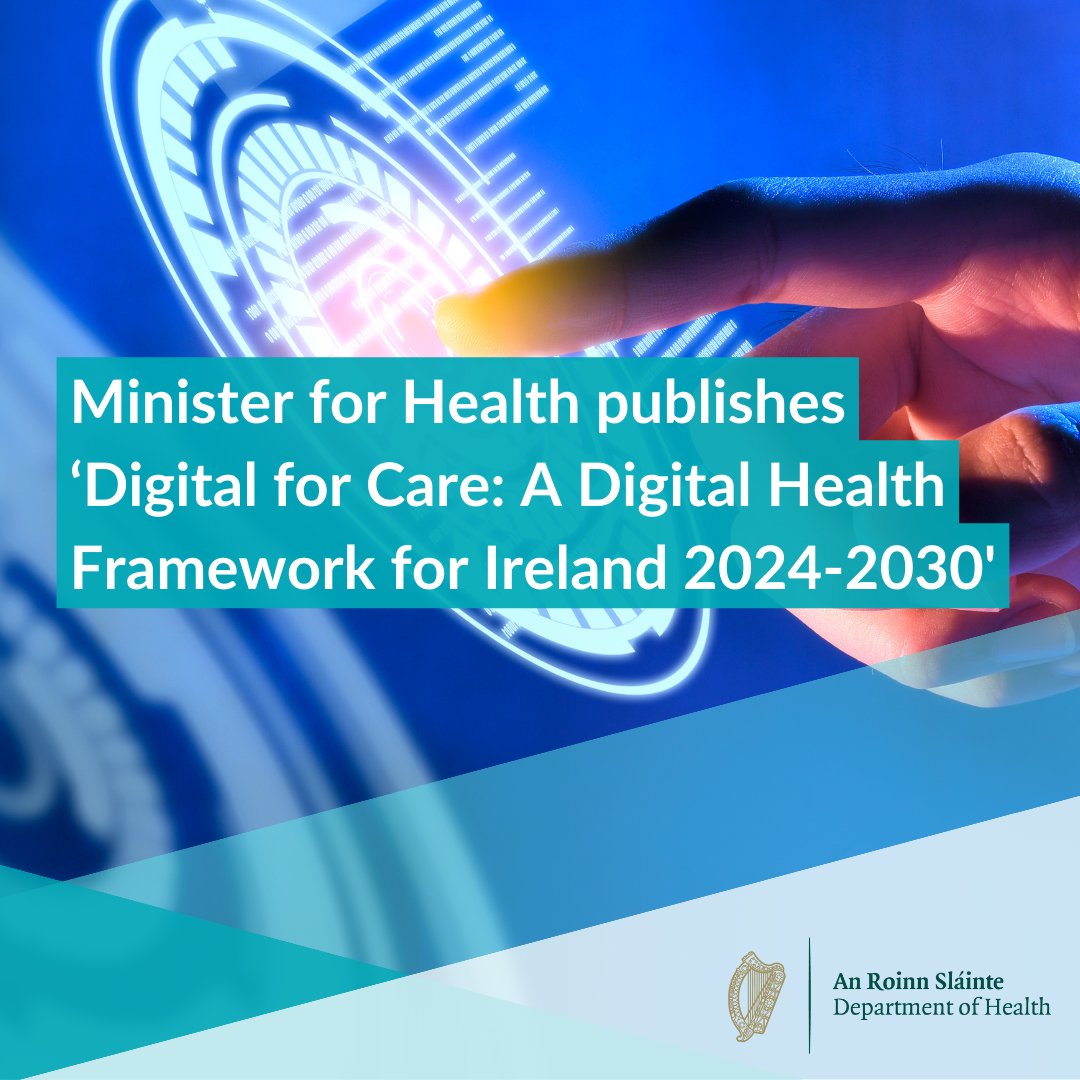
This framework sets out a roadmap to digitally transform health services in Ireland and improve access for patients. This year will see the roll-out of a patient app that will provide people with important medical history and records. gov.ie/en/press-relea…
Department of Health tweet media
English
7
30
54
13.7K
Rob Argent
Rob Argent@argentrob·
Excited to officially launch this study on #WorldMSDay & very much looking forward to realising the potential of this #digitalhealth technology. There is still time to join the team as a Clinical Research Nurse: linkedin.com/jobs/view/3927…
RCSI@RCSI_Irl

RCSI has partnered with @DiagnosticsHead on a new study which aims to improve the assessment and monitoring of Multiple Sclerosis through innovative technology. Learn more about the project launching today for #WorldMSDay➡️ tinyurl.com/47bzhxhc #RCSIdiscover

English
0
3
10
1.2K
Rob Argent
Rob Argent@argentrob·
Are you willing to share your #wearable data for research and/or clinical purposes? 50% of those in this survey by @drjessilyn et al. said yes, with a further 38% maybe. Fascinating insights into what types of data people are comfortable sharing published in @npjDigitalMed.
npj Digital Medicine@npjDigitalMed

Smartphones & #wearables transform health monitoring. However, bias in digital health studies and algorithms arises from underrepresented datasets. This @DukeU team explore device ownership, reasons for use, & willingness to share data for research. nature.com/articles/s4174…

English
0
0
2
1K
Rob Argent retweetledi
npj Digital Medicine
npj Digital Medicine@npjDigitalMed·
Topical content in this weeks News & Views... would you be willing to donate your #wearable health data? "The future of health data donation from wearables is a future of fully aware and consenting participants, who understand the value of data sharing." nature.com/articles/s4174…
npj Digital Medicine tweet media
English
0
9
15
2.1K
Rob Argent retweetledi
RCSI
RCSI@RCSI_Irl·
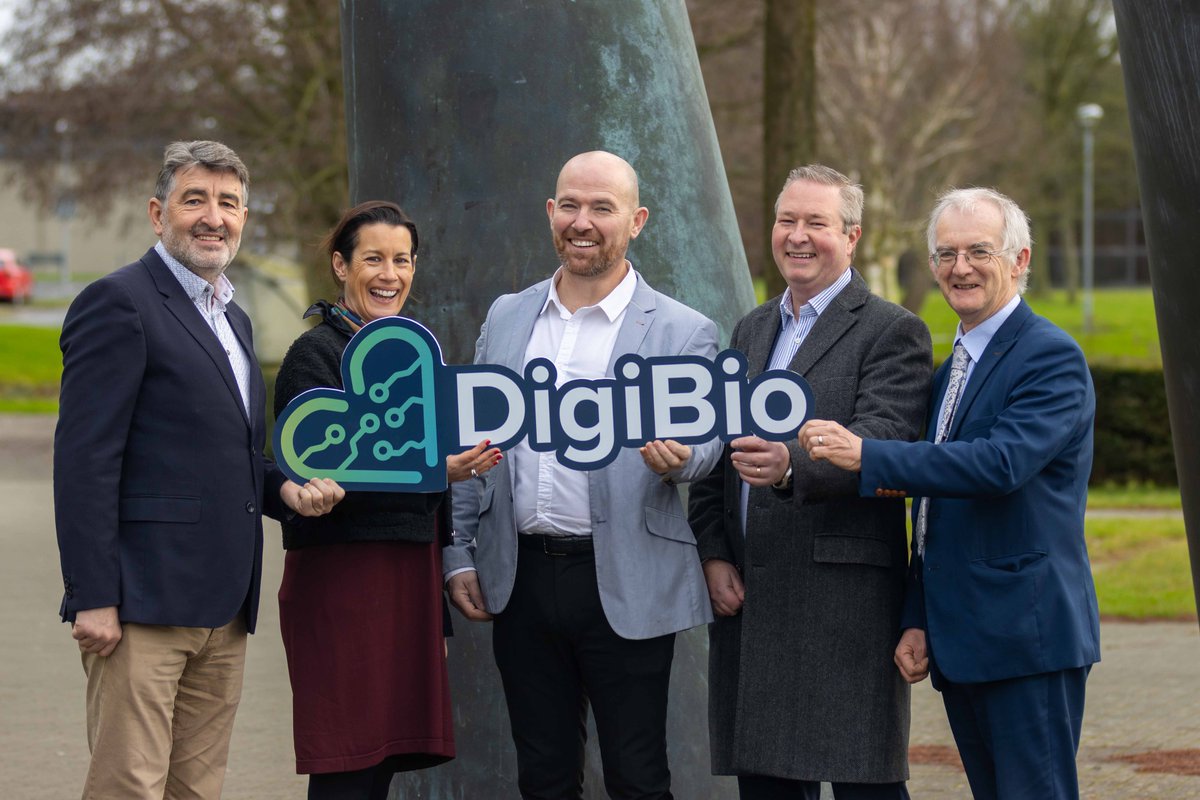
RCSI is the core partner on a new €7M DigiBio Innovator’s Initiative Programme, led by @DkIT_ie which aims to enhance and accelerate digital health innovation in Ireland. #RCSIdiscover Read more bit.ly/498mJRK
RCSI tweet media
English
0
6
9
2.1K
Rob Argent
Rob Argent@argentrob·
A really interesting article from @DohertyCailbhe discussing #wearable data & laying the background to our @scienceirel funded project between @ucd_sphpss and @RCSIPharmBioMol seeking to achieve this 'utopian scenario' where wearable health data is used for public health good.👇🏻
UCD Public Health, Physiotherapy & Sports Science@ucd_sphpss

"As we navigate this new era of digital health, it’s crucial that we shape a future where technology serves the users’ best interests, not the other way around." Very interesting read⬇️from #UCDSPHPSS Asst Prof @DohertyCailbhe about fitness wearables. insight-centre.org/dr-cailbhe-doh…

English
0
3
11
1.4K