Artur Rodrigues

8.7K posts

Artur Rodrigues

Artur Rodrigues

@arturrod

Knows a bit about finance and nothing about a lot of other things. @economiaup

Barcelos, Portugal Katılım Nisan 2009
267 Takip Edilen776 Takipçiler
Artur Rodrigues retweetledi
Genesis AI
Genesis AI@gs_ai_·
We are back. After one year of quiet building. Introducing GENE-26.5, our first robotic brain that takes a major step toward human-level capability. For years, robotics has struggled to learn from the world’s largest and valuable data source: Humans. Solving it means rethinking the whole stack from the ground up: - A robotics-native foundation model. - A 1:1 human-like robotic hand. - A noninvasive data collection glove for motion, force, and touch. - A simulator that turns weeks of experiments into minutes. GENE-26.5 is trained across language, vision, proprioception, tactile, and action. We designed a set of tasks to test how far we can go with this new paradigm. Fully autonomous, 1x speed, one model, same weights. (Enjoy with sound on) We are approaching the endgame for robotics. And this is just a beginning.
English
278
1.1K
5.8K
2.6M
Artur Rodrigues retweetledi
Jesús Fernández-Villaverde
Jesús Fernández-Villaverde@JesusFerna7026·
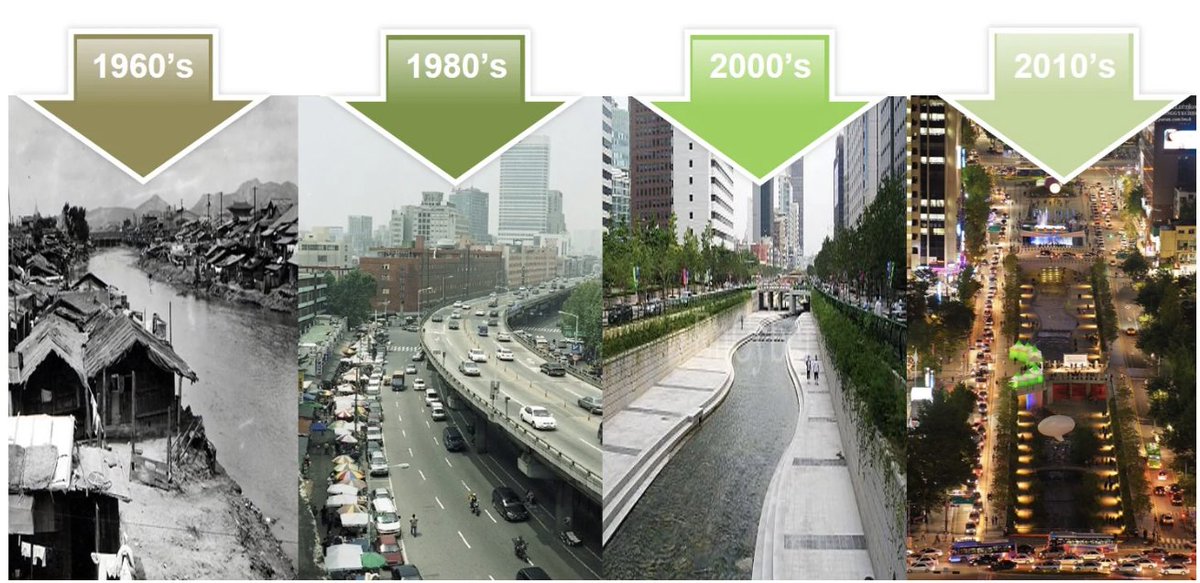
A fundamental lesson from my posts these last two weeks on modernization, industrial policy, and development is that development economics should be about understanding why South Korea got rich but Bolivia did not. The current field has largely given up on that question. Sharply identified RCTs on small micro programs are a fine way to publish in the AER and get tenure at a fancy university, but a profession that knows everything about microfinance impact evaluations and almost nothing about industrialization has misallocated its own intellectual capital on a pretty heroic scale. Four images of Seoul:
Jesús Fernández-Villaverde tweet media
English
76
318
1.8K
583.1K
Artur Rodrigues retweetledi
Pedro Serôdio
Pedro Serôdio@pdmsero·
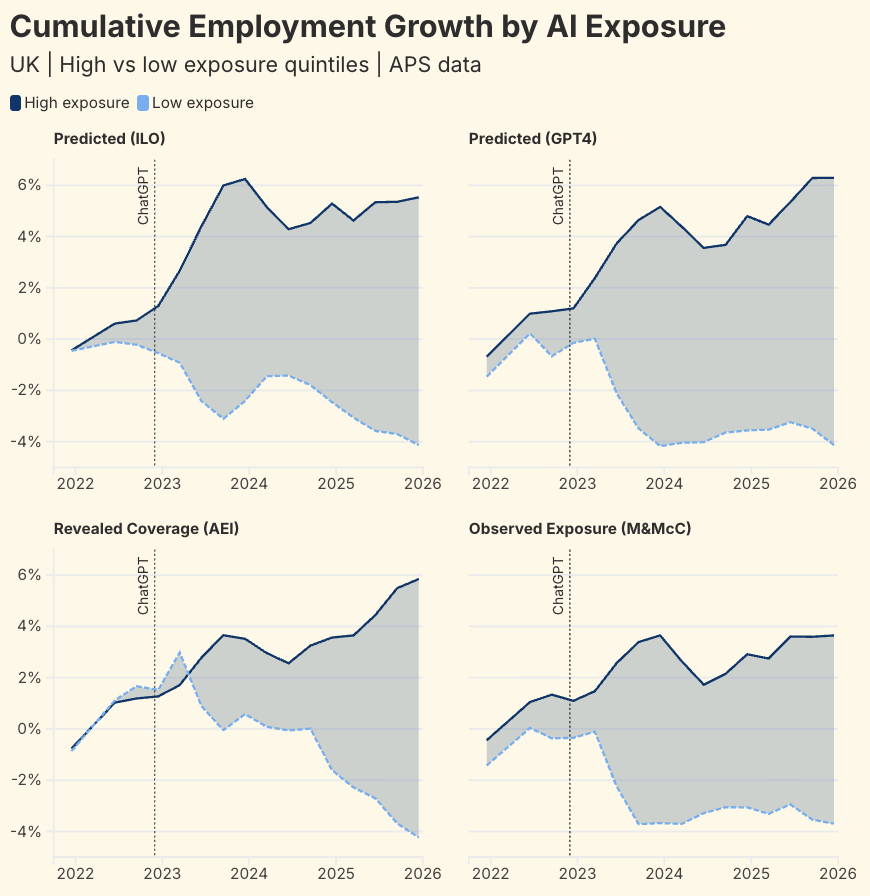
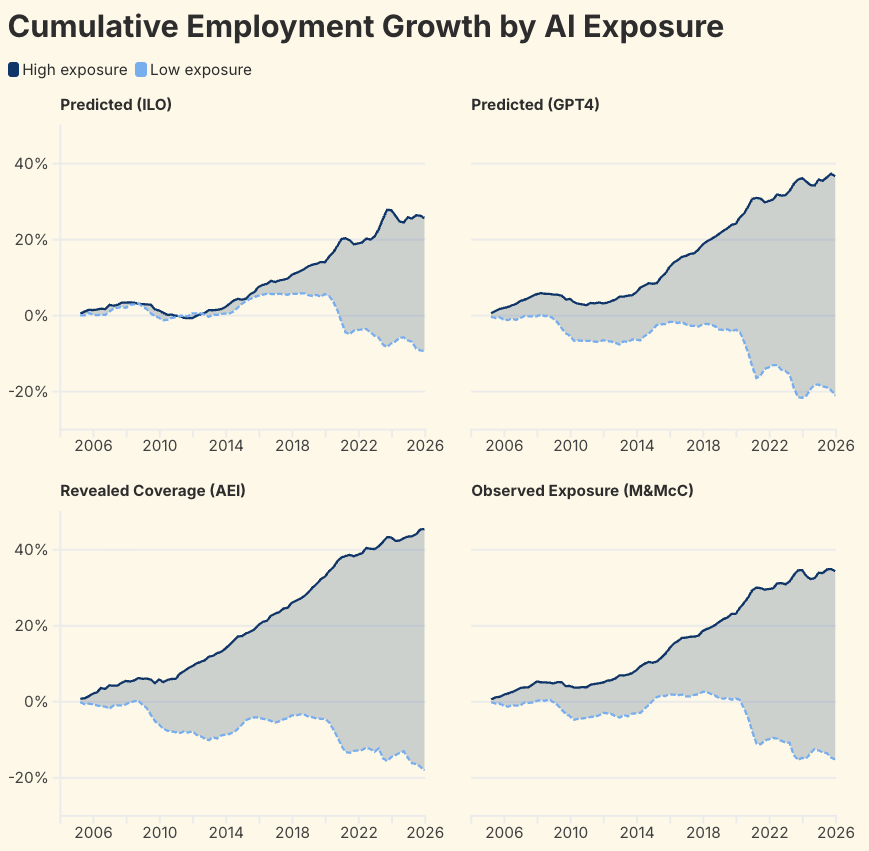
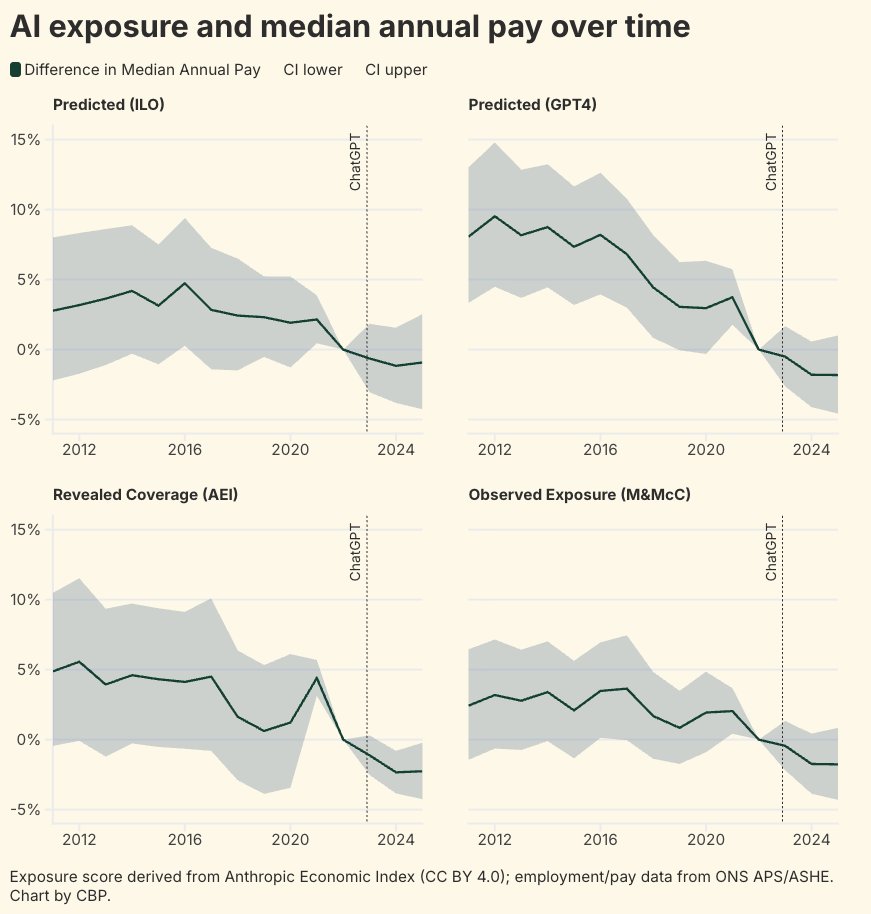
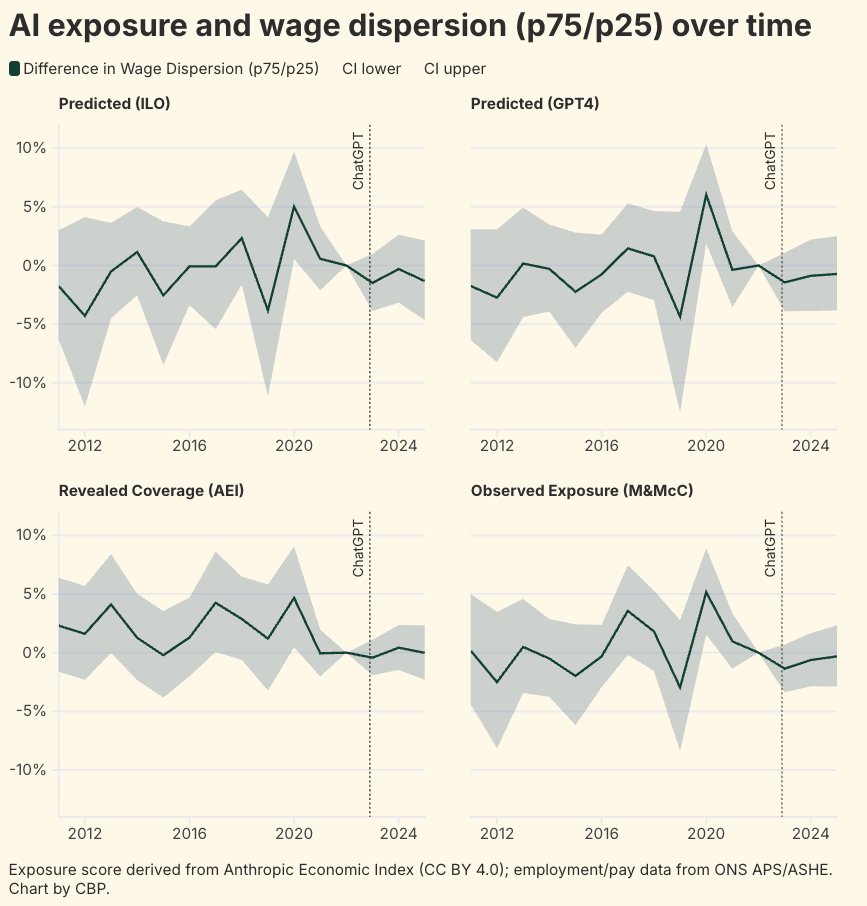
Is AI killing jobs? New data shows that, more than three years after the release of ChatGPT, there is no evidence for a significant impact of AI on overall employment in the UK. In our new report, we break down the labour force into different occupations and use four measures of AI exposure to determine how likely they are to be affected by the technology. Surprisingly, occupations with higher exposure to AI have grown faster than least-exposed ones, not slower. This holds across all four measures, and across two different data sources. The wage picture is different. Pay in AI-exposed occupations has lagged the rest of the labour market since 2019. But that gap opened three years before ChatGPT, which makes AI an unlikely candidate for the observed wage compression. This flattening of the wage structure is visible across the within-occupation distribution and strongest at the top quartile, which is consistent with labour market dynamics that predate generative AI.
Pedro Serôdio tweet mediaPedro Serôdio tweet mediaPedro Serôdio tweet mediaPedro Serôdio tweet media
English
63
316
1.3K
458.9K
Artur Rodrigues retweetledi
América Store Colombia
América Store Colombia@AmericaStore_Co·
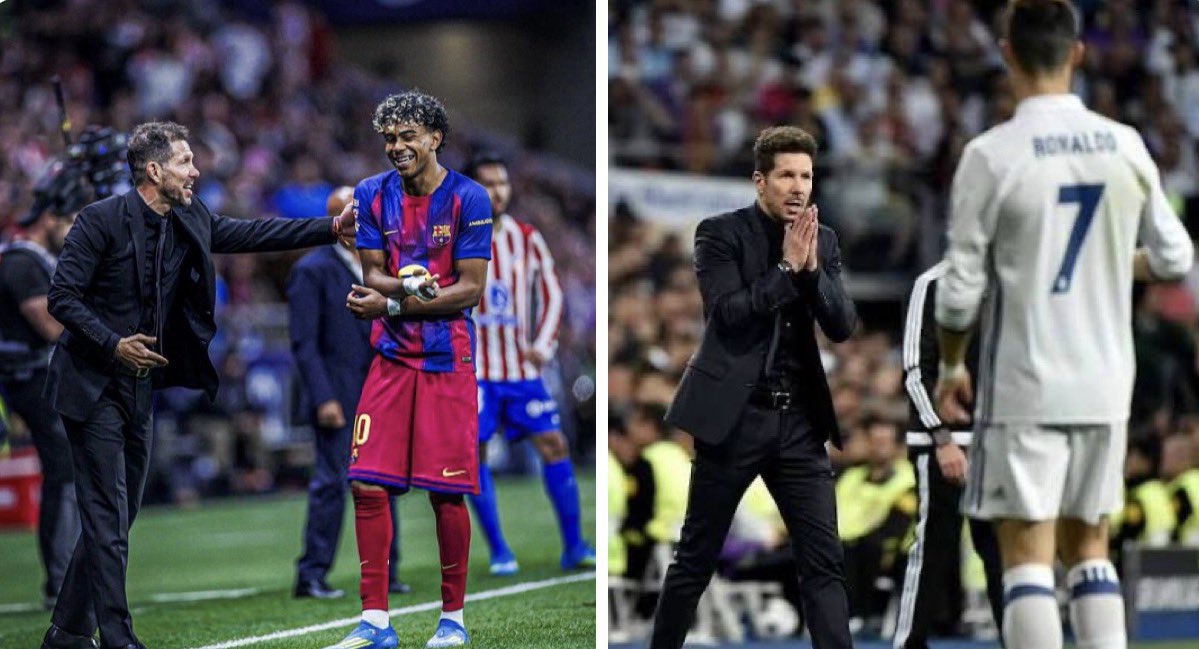
🚨 Diego Simeone sobre Lamine Yamal después de que el Atlético de Madrid eliminara al Barcelona en el global a pesar del gol tempranero de Yamal: “Es un buen chico con mucho talento. Pidió un uno contra uno ayer, marcó en el tercer minuto, y los medios quieren coronarlo como el rey de Europa. Pero en el fútbol, lo único que importa es quién está en el sorteo mañana por la mañana. La prensa quiere que me aterrorice un adolescente porque hace amagues y da entrevistas confiadas. Por favor. Durante una década, tuve que estar en la banda y ver a Cristiano Ronaldo marcar hat-tricks para realmente eliminar a mi equipo de esta competición. Eso es terror real. Lamine jugó un partido hermoso esta noche, pero la realidad es que nosotros vamos a las semifinales, y él se va a casa a vernos por televisión. Hay una gran diferencia entre jugar un partido bonito y ser una pesadilla.”
América Store Colombia tweet media
Español
356
4K
33.5K
1.6M
Artur Rodrigues retweetledi
Anup Malani
Anup Malani@anup_malani·
Most of my writing runs through AI. For months the drafts came back technically correct and tonally wrong. 22% of first drafts were usable. Wasn't a model problem. It was a team problem. I added the critic nobody builds: one trained on my own edits.
English
3
8
90
46.8K
Artur Rodrigues retweetledi
James Bessen
James Bessen@JamesBessen·
AI is NOT killing the software developer. AI is taking over tasks that software developers perform, but that does not translate into lost jobs. A new report shows why: AI is creating new and improved software products that raise demand. sites.bu.edu/tpri/files/202… 1/9
English
20
101
647
279.1K
Artur Rodrigues retweetledi
Jaynit
Jaynit@jaynitx·
In 2019, MIT professor Patrick Winston gave a legendary 1-hour lecture called “How to Speak.” It has 18M+ views for a reason. His frameworks: • Your ideas are like your children • The 5-minute rule for job talks • Why jokes fail at the start 15 lessons on communication:
English
231
8.6K
40.7K
5.1M
Artur Rodrigues retweetledi
Politicamente Insensível
Politicamente Insensível@Simao_Jorgensen·
O mais engraçado deste vídeo é veres os outros autocarros, mesmo com algum trânsito, a fazerem uma média semelhante a um transporte hiper mega inovador que custou quase 100M em via única. Desastroso.
Metro do Porto@MetrodoPorto

Mais mobilidade no seu dia a dia: ligamos a Casa da Música à Praça do Império com conforto, rapidez e flexibilidade. 🌆 Já experimentou o metroBus? 🚉 #metroBus #metrodoporto #PRR #fundoambiental #viagem

Português
22
107
1.4K
130.9K
Artur Rodrigues retweetledi
Gauti Eggertsson 🇺🇦
Gauti Eggertsson 🇺🇦@GautiEggertsson·
I don’t get it. Research papers will disappear once we have solved all important research questions. How to design monetary policy, tax policy, social security. Does anybody think AI will do that? If so, great! And cure all human diseases in the process, so medical publications disappear too? I think this anxiety about AI killing “research papers” is mostly anxiety that certain exercises with ill-defined scientific or practical value may disappear. I see no reason to expect AI to resolve all major scientific questions that remain unresolved. But pretty sure it will accelerate discovery. Which is great.
Marginal Revolution@MargRev

When will "the research paper" disappear in economics? marginalrevolution.com/marginalrevolu…

English
9
24
192
29.8K
Artur Rodrigues retweetledi
Gauti Eggertsson 🇺🇦
Gauti Eggertsson 🇺🇦@GautiEggertsson·
Chris Sims, In Memoriam Long 3 part 🧵 I was asked to write a short paragraph for Princeton collecting memories of Chris Sims. But when I started writing, I just could not stop. I might as well share it with my friends and colleagues rather than having it sit unread in the cloud. It has taken me a few days to process the news of Chris Sims’s death. He has been such a large presence in my life, as in the lives of so many of his former students. Chris arrived at Princeton once I had already started graduate school, at a time when I had the tremendous luck of working as a research assistant to Michael Woodford. I remember vividly what his arrival felt like to us — the students. It was as though a new force had arrived with the gravitational pull of the sun. His office was right next to the common room at what was then the economics department at Princeton. His door was always open, or ajar. And the pull! Like everybody else, I felt it. It was a unique experience finding myself within the gravitational fields of two of the greats, Mike and Chris, running between them like a little puppy, hanging on to every word. I can remember the moment like yesterday, in early fall in Princeton, watching Chris arrive at the economics department, and thinking: “I want to be like that!” I saw Chris as my ultimate role model. I don’t mean that I thought I would ever scale his intellectual heights. I mean it in a different but quite specific way. When Chris arrived at Princeton he was already famous — one of the most senior and eminent macroeconomists of our time — as he remained until his passing. Every morning he came to the department riding his bike, always in relaxed jeans, carrying a backpack that looked like he had borrowed it from a grad student — a grad student who had not allocated a big part of his budget to one. What I hoped for was certainly not the backpack or the bike. What Chris embodied to me was something rare: the pure intellectual — not the fame, not the status, but that fire. The ongoing excitement like that of a first-year graduate student about ideas, maintained perfectly intact throughout the most distinguished career in the field. That excitement burned hot all his life and showed no sign of cooling off. There was also something else — something harder to name but impossible to miss. Chris moved through his professional life with a kind of ease that seemed to belong to a different category of person entirely. Many academics treat the profession as a game: working around the clock, managing their visibility, strategizing which journal to target and writing accordingly. If a student asks for an appointment, it may be scheduled two months later. I recall emailing Chris if he could talk as a grad student. Immediate answer: Sure just pop by now. If Chris had office hours, I was never aware of them. He was just there, door half open. He would arrive at the office late in the morning, unhurried. I once realized, happening to share a train with him to DC, that he typically wrote his conference discussions on the way to the conference itself — and would usually give the best discussion of the day. That was not carelessness or indifference. It was just the effortlessness of someone for whom crisp thinking was as natural as breathing. He had time for everyone because he could do in five minutes what would take most of us a day — or perhaps a career. If you asked him a question, he would typically give you an answer; but on the rare occasion when one did not immediately pop into his mind, he was just genuinely, openly excited about figuring out the answer, and it made no difference to him who was asking. 1/3
Gauti Eggertsson 🇺🇦 tweet media
English
3
69
307
73.5K
Artur Rodrigues retweetledi
Αntonio Nogueira Leite
Αntonio Nogueira Leite@al_antdp·
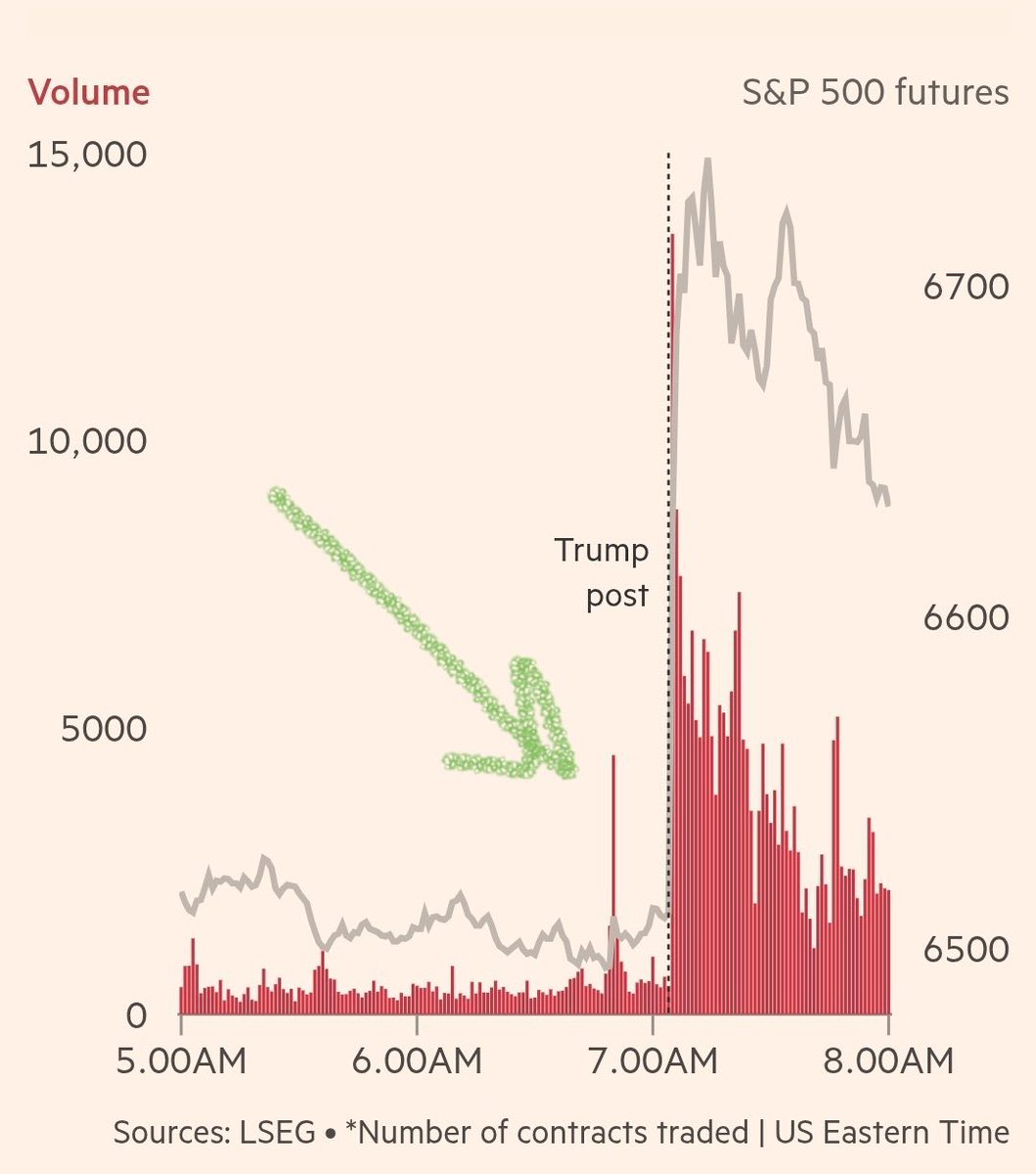
Isto é ilegal. Uso de informação privilegiada é crime. Alguém o cometeu ontem, obviamente
Αntonio Nogueira Leite tweet media
Português
110
59
943
235.7K
jcd
jcd@jcaetanodias·
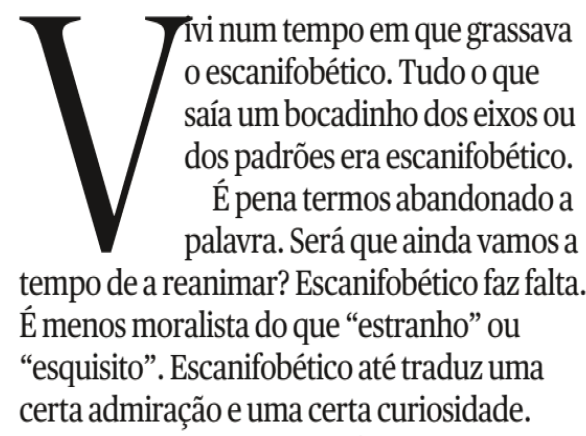
Também sou desse tempo, mas estava convencido que se dizia escarnifobético. Com un 'n'. Era uma palavra que se dizia muito mas raramente escrita.
jcd tweet media
Português
30
3
30
4.9K
Artur Rodrigues retweetledi
Alex Imas
Alex Imas@alexolegimas·
It looks like LLMs have not increased the number of economics working papers (submitted to NBER), nor submissions to journals, yet. This tracks with my experience. But you know what did? Being stuck at home with your family. That spike at 2020 🤪
Arin Dube@arindube

Advent of LLMs hasn't raised the number of NBER working papers above trend. (Or submissions to top journals: next tweet). Why? Probably because LLMs substitute for good RAs, but not for good ideas. And RA labor supply hasn't been the binding constraint in economic scholarship.

English
10
18
144
22.8K