
Arty Rivera retweetledi
Arty Rivera
597 posts


Arty Rivera
@arty
Human-Centered Experience Designer. Carefully questioning my biases & unapologetically working to leave the world better than I found it. Striving to be kind.
Washington, DC Katılım Kasım 2010
259 Takip Edilen438 Takipçiler

Arty Rivera retweetledi

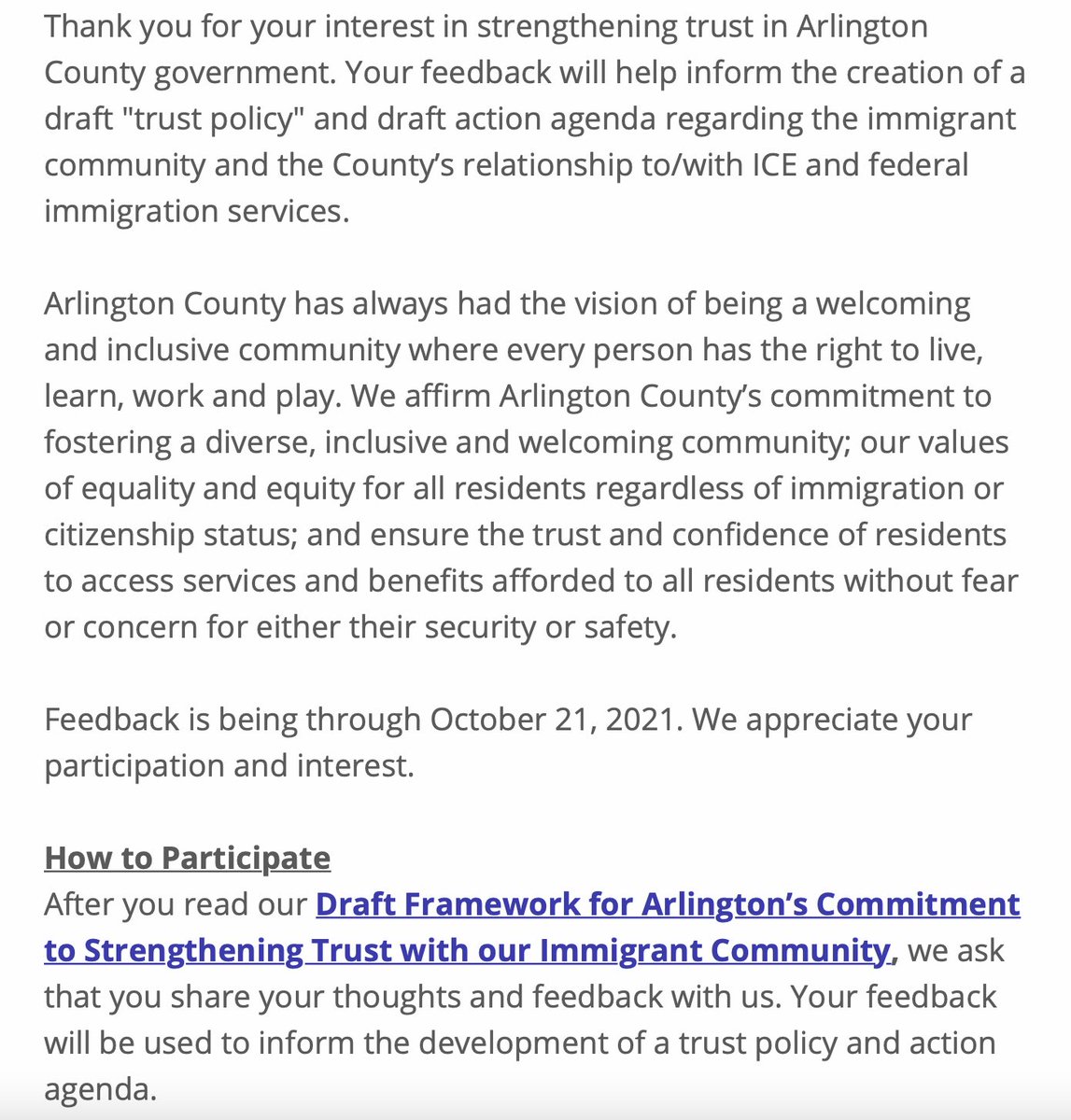
In September, @ArlingtonVA published a framework in response to our community demands to get #ICEoutofArlington.
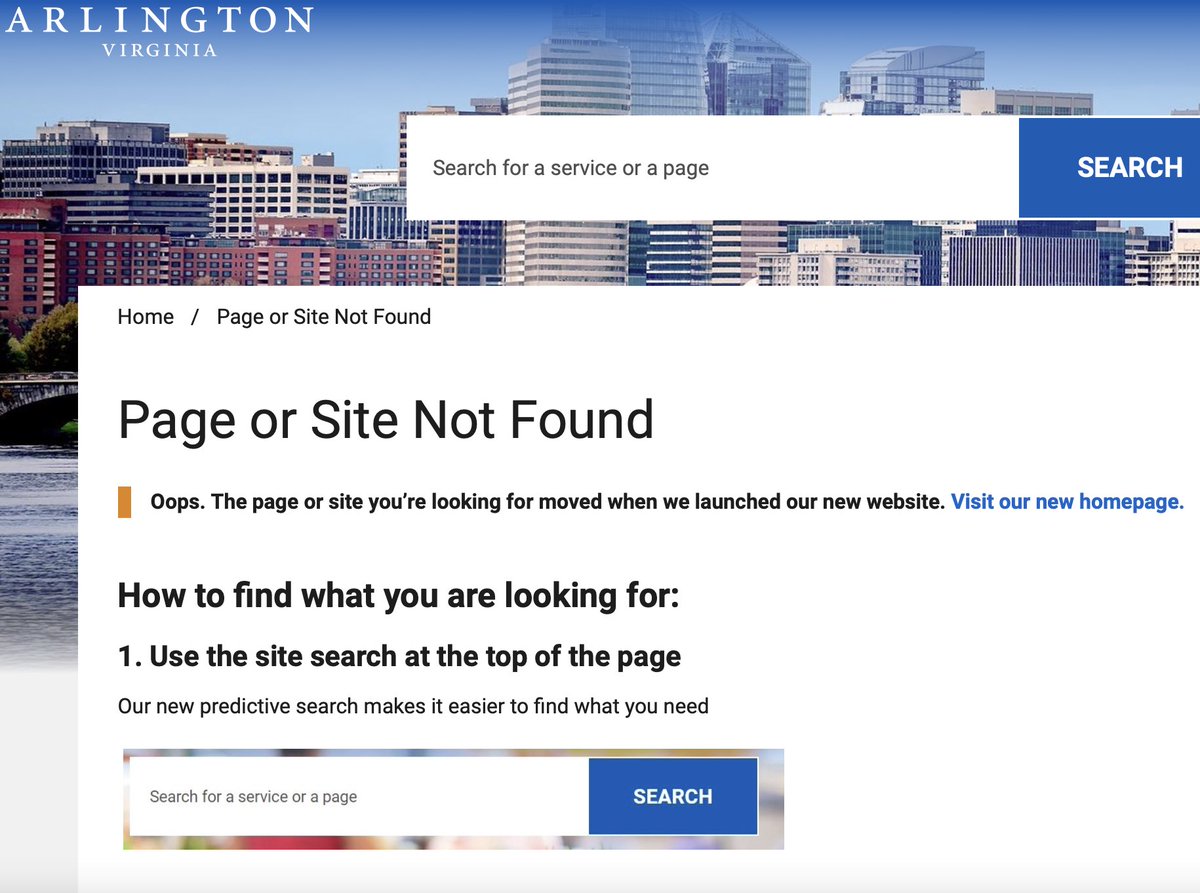
They also posted a feedback form that’s ONLY IN ENGLISH. Now, the framework they posted (which was also in english) isn’t even available online.
We’re calling for…
English
@berkun hey great session, thanks again! Here’s the book by @rosegeorge3 that your train ethnography story reminded me of, except with shipping containers. It’s from 2013, but perhaps all the more topical today with what happened to the Ever Given. goodreads.com/book/show/1604…
English
Happy Bunny Eggs Day to all who celebrate! And for everyone else, just enjoy the fun pop of color.

English
Worth a pause and think: when are semantic debates like this meaningful, and when are they whistling in the dark? Or worse?
Thanks for setting the trap @vcastillo630 😉
English
@berkun 8. But I think this part will have more to do with getting to know the business at a deeper level. Thinking entrepreneurially: what are the org's financial and/or mission goals? How can you get to demonstrably pushing THOSE in the right direction? Way bigger challenge, I think.
English
@berkun 7. And that's as far as I think I am
Current challenge: how do you transfer a good rep of YOU being a trusted problem solver, into a perspective-change on the value and role of Design in business?
Definitely appreciate ideas and critique from other folks at or past this point.
English

Question: let's say we wanted as many people as possible with decision making power in organizations to know the basics and value of good design(ers).
What is our playbook? How has this been done in the past? What doesn't work? What success stories should be more well known?
English
@jessiegender Damn that sucks! Are you ok? Sucks abt the uniform but.. are you able to get back into your car and/or apt?
English

Blah so while filming today, my bag got stolen. Lost my car and apartment keys, my nice glasses (since I was wearing costume glasses), a starfleet uniform, and a nice new pair of jeans. So.... that’s a few hundred dollars in the already too big financial worry bucket.
English
One of the best ways to understand your craft is to study what the makers of the great works you admire were thinking *while* they were making those things. Not after.
Once the work is famous the story changes in ways that don't help us follow in their footsteps.
English
@berkun I do remember that some of the diagrams were incomprehensible to me at least. X-configuration with arrows pointing back and forth between every node. I'm sure I missed something there, but felt like they could have been better explained given the non-expert audience. 🤷🏽
English
@berkun Haven't found better, but haven't looked in a while tbh. Been years since I read it, so take my review with a grain of salt: Felt like useful drive-by fundamentals for non-anthropologists. I still vaguely remember the "3 levels" framing: Artifacts, Values & Assumptions. Helpful.
English
If the design maturity model doesn't line up with the engineering maturity model and the PM maturity model, what exactly are we modeling?
English
@berkun Some of the most useful "models" to apply are anthropological ones that answer "How does my organization actually work from a people and power perspective"? -- to this end I started looking at things like Schein's Corporate Culture Survival Guide goodreads.com/book/show/3411…
English
@arty Despite my first tweet I do think they value but they often max out in a very "design as something only designers do" kind of way which is limiting and often in denial of the power structure for how the org actually works. That's the critique I was aiming for.
English
@berkun Fully agree -- maturity models will never beat understanding how the org works (politics included) and thus being able to anticipate where you can do the most good, and what needs to change to amplify that further, or remove blockers etc.
English
@berkun Fundamentally, no maturity model can magically tell you what you "should" be working towards. Thought tools help, but can't substitute simply getting to know your org's priorities and figuring out how you / your team can apply the greatest leverage given your relative strengths.
English
@berkun That said, am curious to know if there are any design maturity models that have at least helped folks reflect on defining next steps. I personally /have/ been helped in the past just by reading some as a way to get out of my own head (thought tool), e.g. nngroup.com/articles/ux-ma…
English