
saukas
32 posts


never ever leaving this app 🍿🍿🍿😎
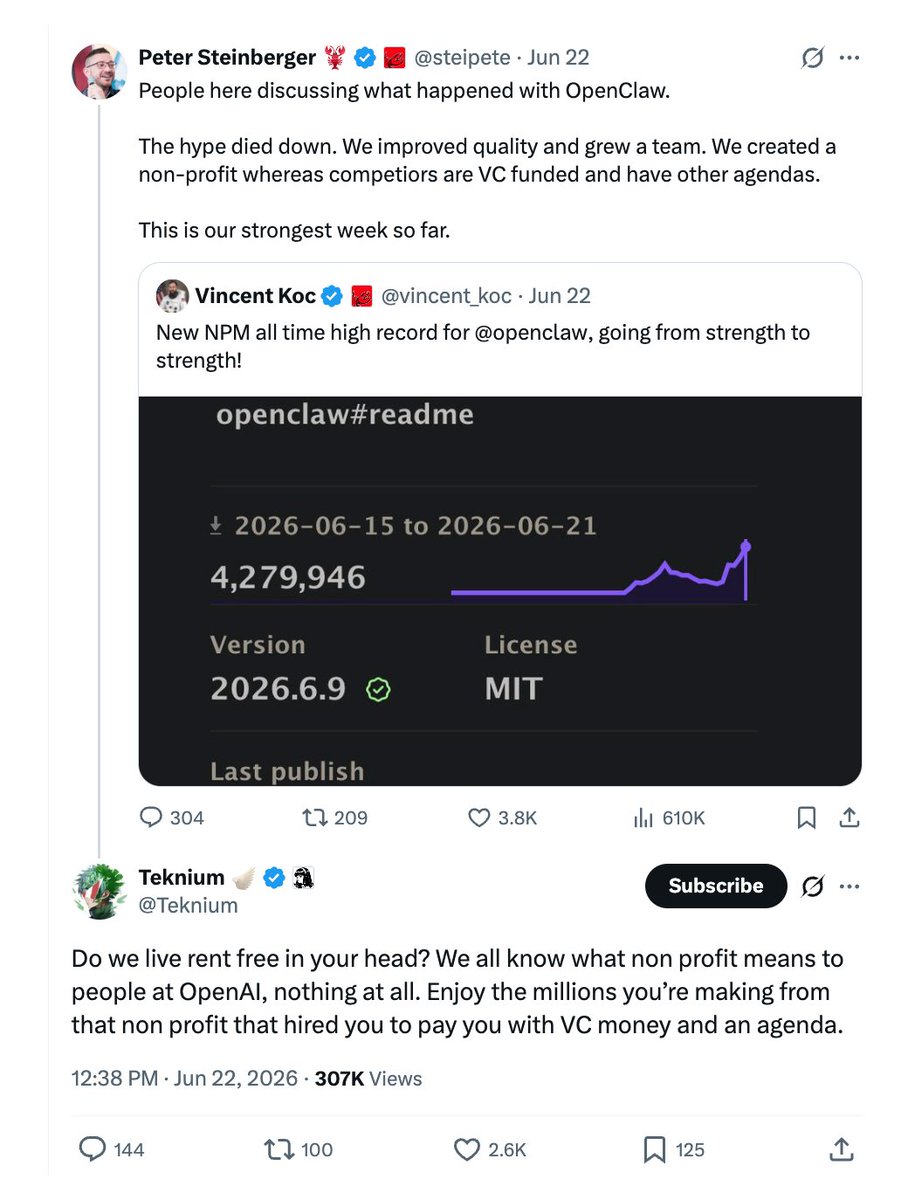
The beef between Hermes and OpenClaw escalated quickly

Teknium 🪽@Teknium
@steipete Do we live rent free in your head? We all know what non profit means to people at OpenAI, nothing at all. Enjoy the millions you’re making from that non profit that hired you to pay you with VC money and an agenda.
English
@JackWoth98 @GoogleAIStudio chat becomes slow as context increases, almost unuseable afte 200k context.
instead of history add list to sidebar like antigravity.
English

Ramping up on all things @GoogleAIStudio
Want to hear from you:
→ What is one thing you have built with AI Studio?
→ What do you like or dislike?
→ Any integrations you want to see?
→ If you don't use AI Studio, why not?
Put me to work on my first week, let me know👇

English

Married couple who met in college found a childhood photo of themselves together from when they were just 6 years old.


English
@hasantoxr then he was an idiot like wozniak, who wanted to give their computer for free.
English

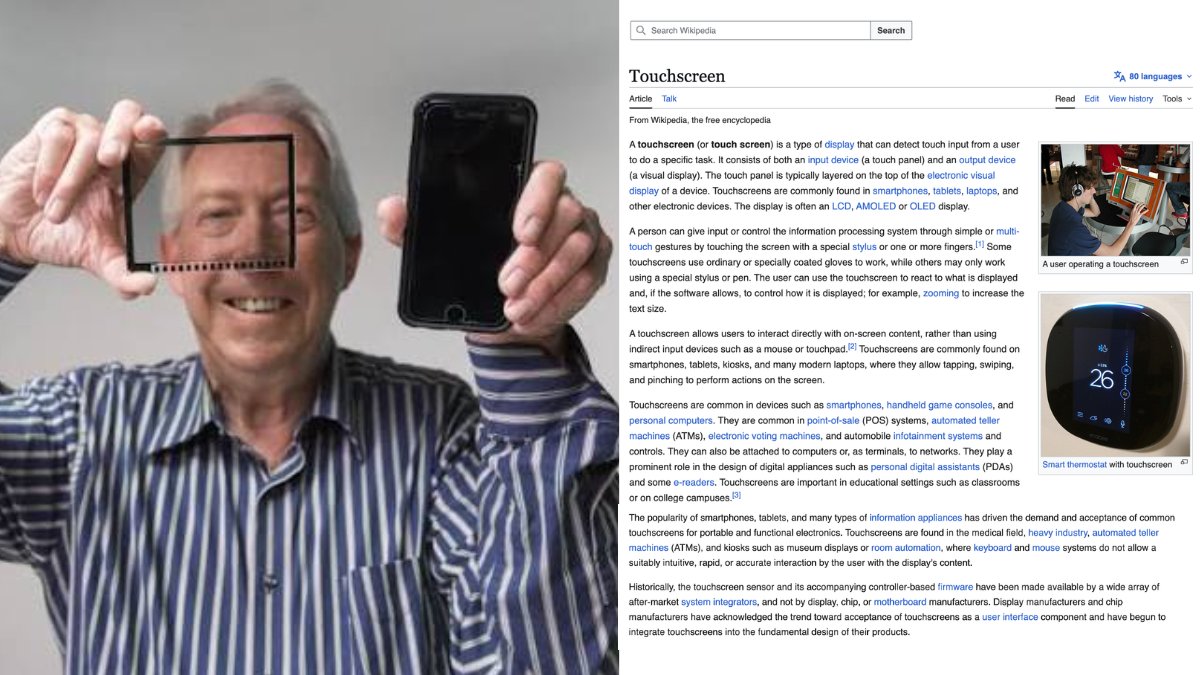
A British engineer invented the touchscreen in 1965.
He published two papers, filed a patent, built a working prototype, and described in precise technical detail how a human finger could control a computer through a glass display.
Apple launched the iPhone 42 years later. The world called it a revolution.
His name was Eric Arthur Johnson.
He worked at the Royal Radar Establishment in Malvern, England. Not a Silicon Valley garage. Not a university with venture capital waiting in the next building. A government defense facility in rural Worcestershire, where engineers solved problems the British military needed solved, and then mostly went home.
Johnson's problem was air traffic control.
By the mid-1960s, UK air defense controllers were managing fast jet aircraft from radar screens using keyboards and external input devices. Decisions had to happen in seconds. The physical separation between the screen showing the aircraft and the controls for responding to them was costing time and introducing errors. Johnson's insight was simple: remove the gap between seeing and doing. Let the controller touch the radar screen directly. Point at the aircraft. Select it with a finger.
He published his work in October 1965 in a paper titled "Touch Display: A Novel Input/Output Device for Computers" in Electronics Letters.
His device used wires sensitive to finger touch placed across the face of a cathode-ray tube on which the computer displayed information. In August 1965 Johnson filed his first patent application, amended in 1966, with the complete specification published in November 1969.
Johnson's design consisted of a glass-coated insulator with a transparent conductor. Thin copper wires placed across the CRT allowed circuits to sense when they were being touched.
The underlying principle: when a human finger, which is electrically conductive, comes close to copper wiring embedded in a display, it alters the capacitance at that location. The circuit detects the change. The computer reads which wire was touched and executes the corresponding command.
This capacitive touch technology established fundamental principles still used in modern capacitive touchscreens found in smartphones and tablets.
Not similar principles. The same principles.
In 1967, Johnson published another comprehensive paper explaining how the technology worked through diagrams and photographs of a working prototype. He also described a feature that would not appear in consumer products for another 40 years: the possibility of using the touch interface as a keyboard for character entry.
He saw that too. In 1967.
Johnson's touchscreen technology served UK air traffic control operations until approximately 1995.
Thirty years of active deployment in one of the most demanding operational environments on Earth. Not a failed experiment. Not a prototype that never left the lab. A working system, used daily by professionals whose jobs required them to be right, running for three decades on the technology Johnson described in a two-page paper in 1965.
Then January 9, 2007.
Steve Jobs stood on a stage in San Francisco and announced: "We are all born with the ultimate pointing device our fingers and iPhone uses them to create the most revolutionary user interface since the mouse."
The press agreed. The public agreed. The narrative that formed that day, and has largely held since, is that Apple invented finger-based touch computing for consumer devices.
Johnson's paper was not classified. It was not locked in a government archive. It was published in Electronics Letters, an academic journal, available to any engineer who looked.
Nobody in consumer electronics looked.
This is the part that deserves more attention than it usually gets.
The gap between 1965 and 2007 was not a gap in knowledge. It was not a gap in technology. The capacitive touchscreen was a documented, patented, operational technology. Air traffic controllers in England were using their fingers to select aircraft on screens while the personal computer industry was still debating whether mice were a gimmick.
The gap was a gap in imagination about who the customer was.
Johnson built his system for professionals in high-stakes environments who needed faster, more direct interaction with complex data. The consumer electronics industry looked at keyboards and mice and saw the interface for everyone. The category of "person who would rather touch a screen than press a button" did not exist in their mental model of a customer until Apple built the product and showed them.
This is different from not knowing the technology existed. This is knowing it existed and not believing the application had a market.
Every technology company that passed on touchscreens between 1965 and 2000 had access to the same published papers Johnson wrote. Several built their own experiments and stopped. HP released a touchscreen computer in 1983. IBM released the first touchscreen phone in 1994, called Simon. The products existed. The market was not convinced.
What Apple did in 2007 was not invent touch. What Apple did was execute the consumer application of a 42 year old idea well enough to make the market believe the idea was new.
Jobs said the iPhone was "five years ahead of any other mobile phone."
It was 42 years behind a paper in Electronics Letters.
The people who credit Apple with inventing touch and the people who credit Johnson with inventing touch are both describing something real. Apple built the product that made the idea matter to billions of people. Johnson described the idea in precise technical detail four decades before anyone thought to build that product.
The uncomfortable question is what else is sitting in a defense research journal right now, fully documented, fully operational, waiting 42 years for someone to look at it and think: this is not a tool for controllers in a radar room.
This is for everyone.
English


@shiri_shh Amazon is an Ecom website majorly whereas SpaceX is more about futuretech and research so those numbers makes sense
English



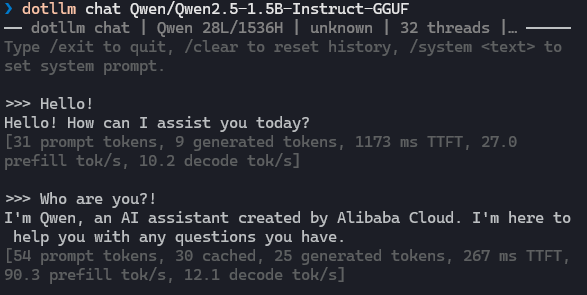
I've built a full LLM inference engine in C#/.NET 10. From scratch. Not a wrapper - native GGUF loading, BPE tokenizer, attention, KV-cache, SIMD-vectorized CPU kernels, CUDA GPU backend, OpenAI-compatible API. Solo dev, ~2 months, AI-assisted (not vibe-coded!). First preview is out.
Check it out for mode details at kokosa.dev/blog/2026/dotl… and dotllm.dev
English
@Pirat_Nation bc it there were no .net n ui framework back then, even today u can create task manager in win api under 1mb.
English

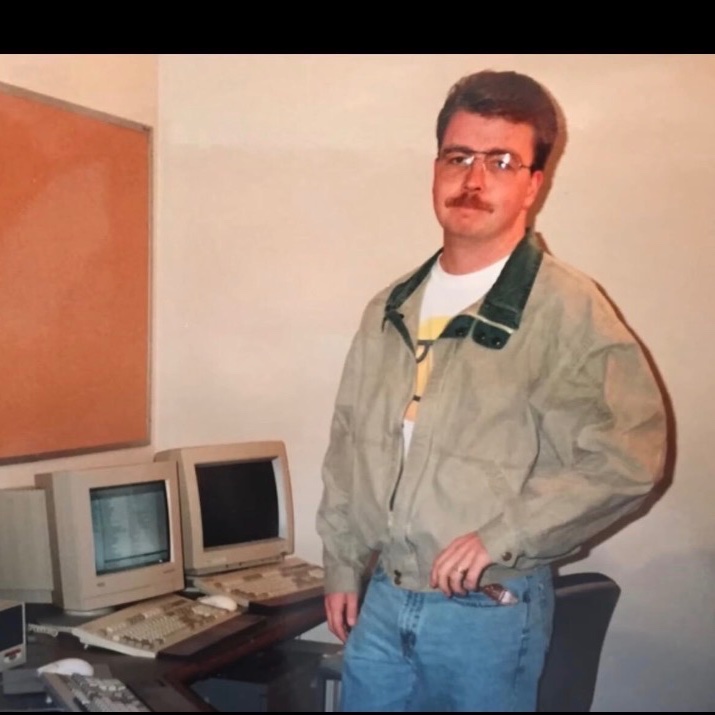
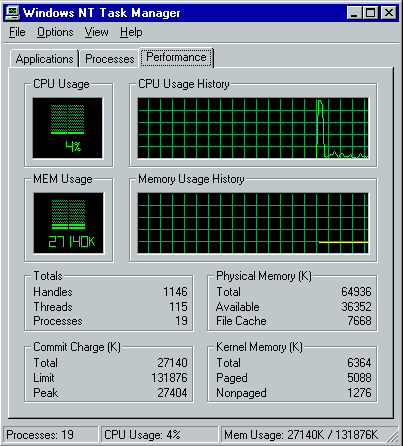
According to veteran Microsoft engineer David Plummer, task manager was only 80KB in size, which allowed it to run smoothly even on the limited hardware of that era.
What made it especially clever was how it handled multiple instances. Instead of simply checking whether Task Manager was already open, it sent a private message to the existing window and waited for a response.
If the window responded, it meant Task Manager was already running normally.
If there was no response, the system assumed it had frozen and opened a new instance instead.
English
"The Future of Systems Programming: Rust, Go, Zig, and Carbon Compared" by speed engineer #go #C
dev.to/speed_engineer…
English

Remember Internet Download Manager?
Till today I wonder if it really made downloads faster or it just had better animations to make us feel like the downloads were faster.
English
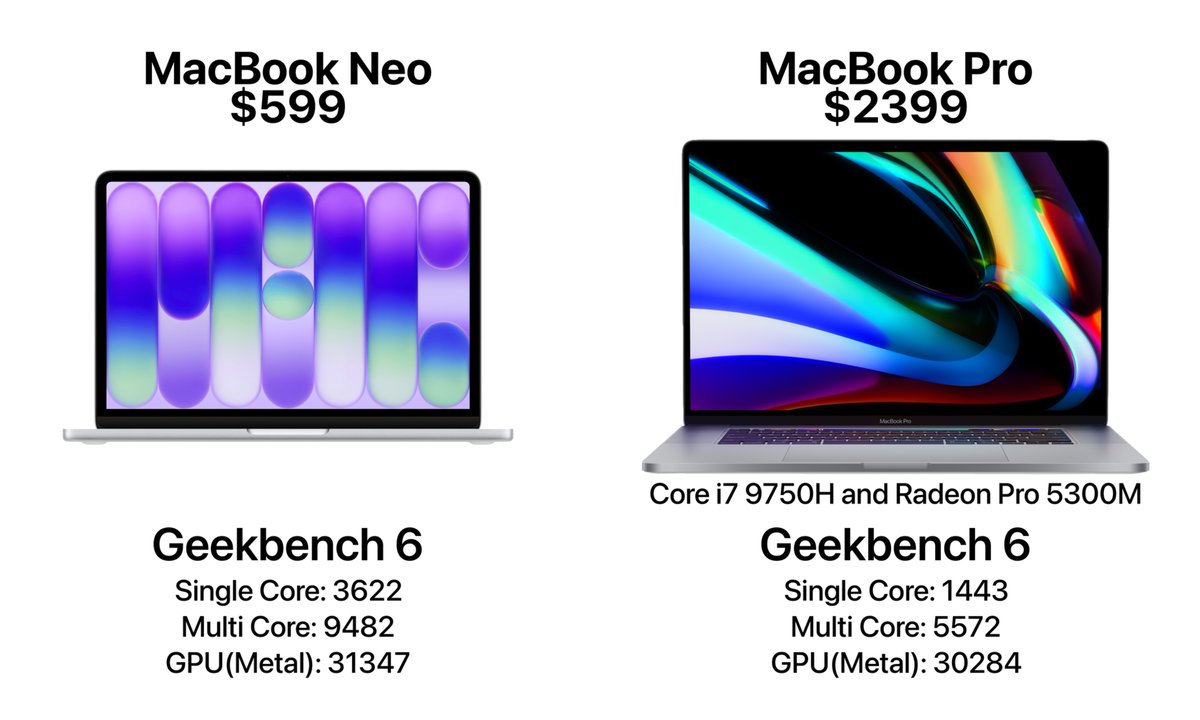
@derangedish @Sankew06 u dont have to say 4th gen is faster from computer which was slower than 1st gen.
English


@petergyang it's a full editor, adobe reader is 200mb, u can use sumatrapdf 13mb instead.
English

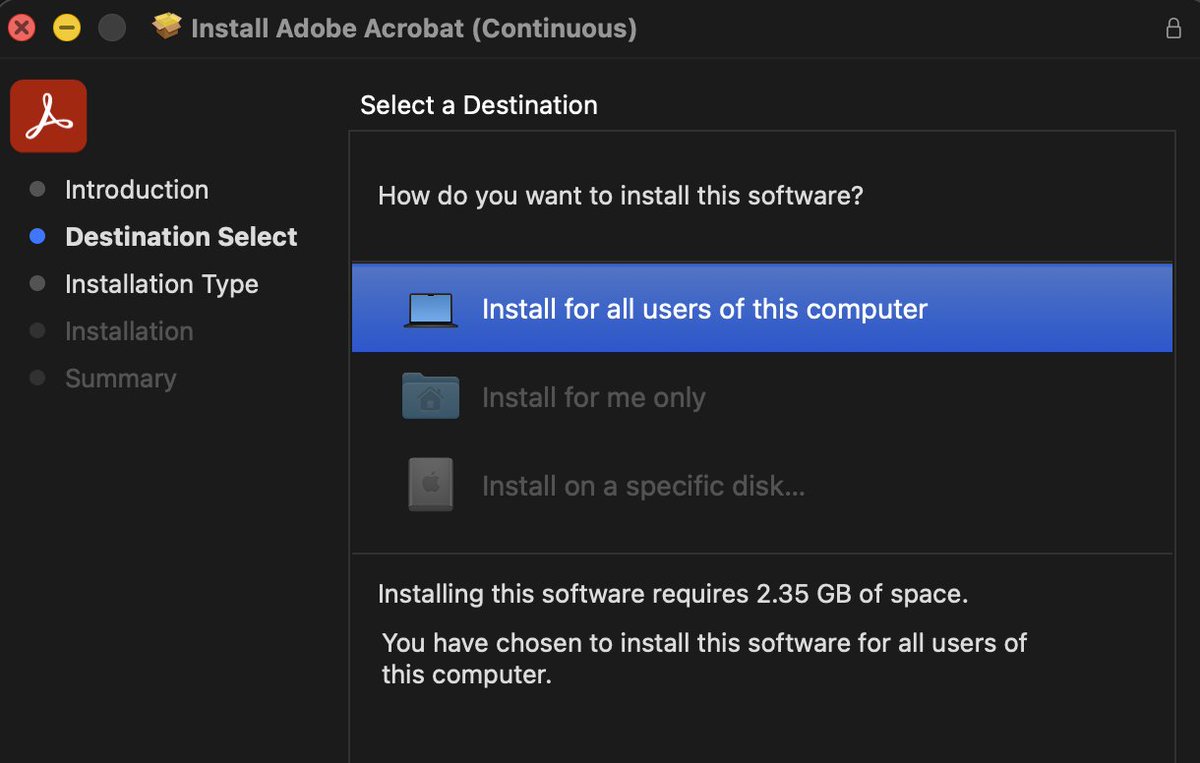
Why does reading some PDFs require 2 GB of space?
Even Adobe's software is bloated.
English




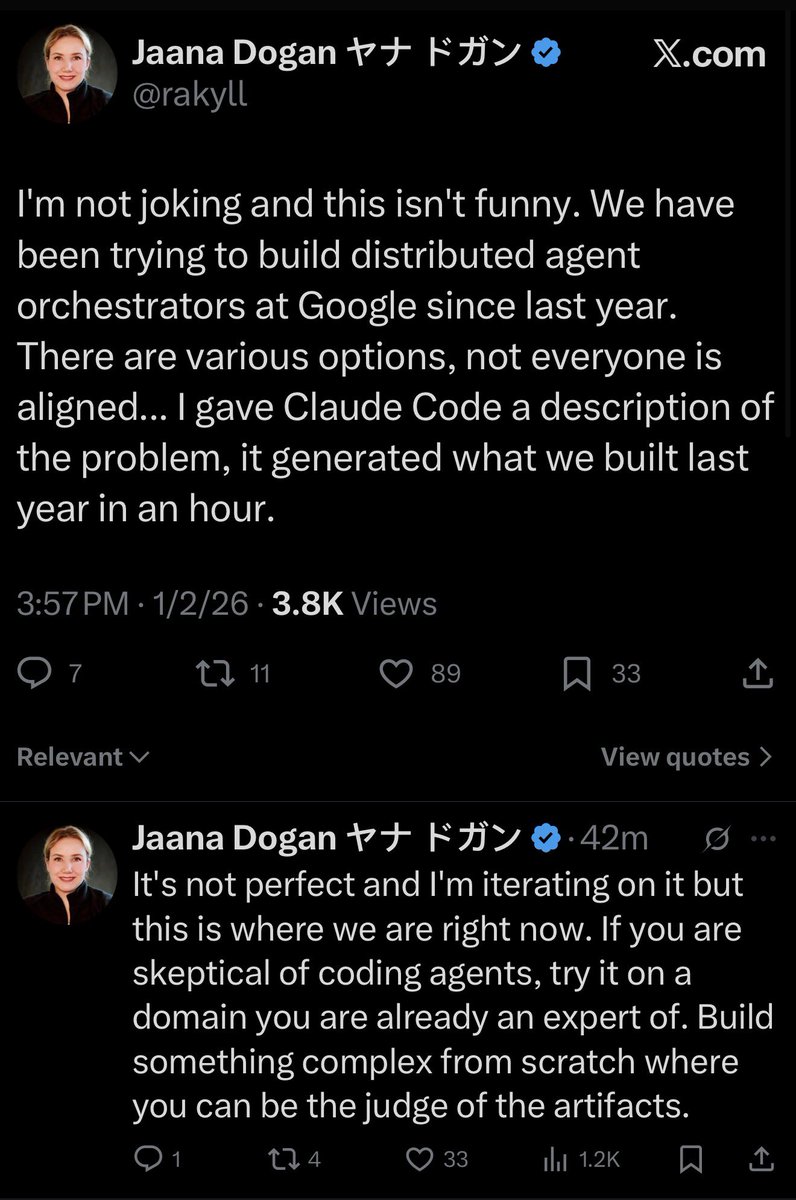
Claude Code wrote 100% of Anthropic’s new Claude Cowork in a week and a half.
If this keeps going, software engineers will have no job.


English

Anthropic is defining agentic AI standards
MCP: De facto protocol for tool/context integration (adopted everywhere, donated to Agentic AI Foundation)
Agent Skills: New open standard for packaging expertise/skills across platforms.
agentskills.io
English

Chinese chipmaker Moore Threads has unveiled its new gaming GPU, Lushan.
Claims it delivers 15 times higher gaming performance with 50x boost in RT, 64x boost in AI, and quadruple the memory capacities. wccftech.com/moore-threads-…
English