Amrita Khalid retweetledi
HUGE NEWS: ProPublica is launching a new investigative reporting hub in California, our sixth regional unit. Read more: propublica.org/atpropublica/p…
English
Amrita Khalid
14.9K posts
@askhalid
tech journalist with bylines @verge @qz @engadget @dailydot and a lot of other places.

LA is worth saving. Vote Spencer Pratt.

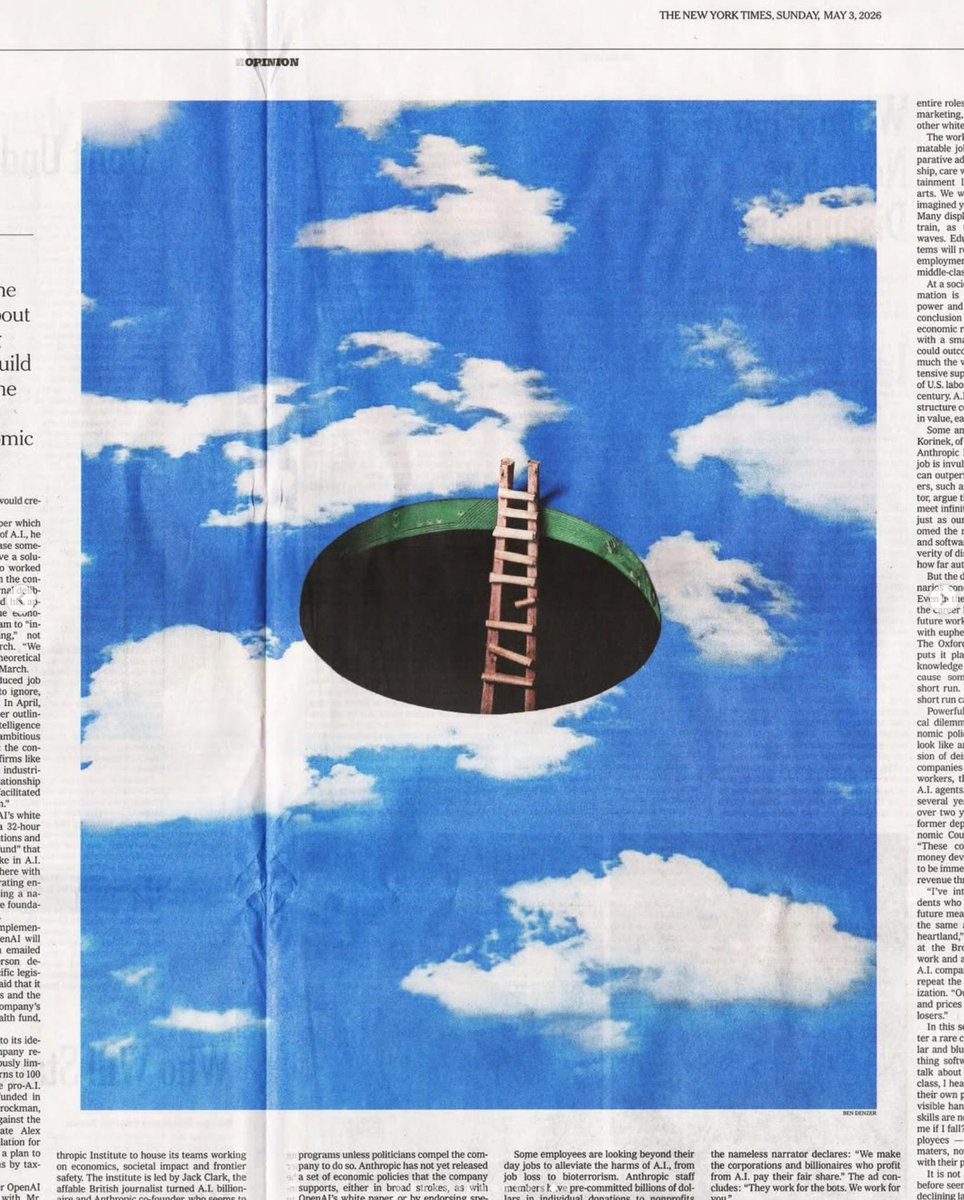
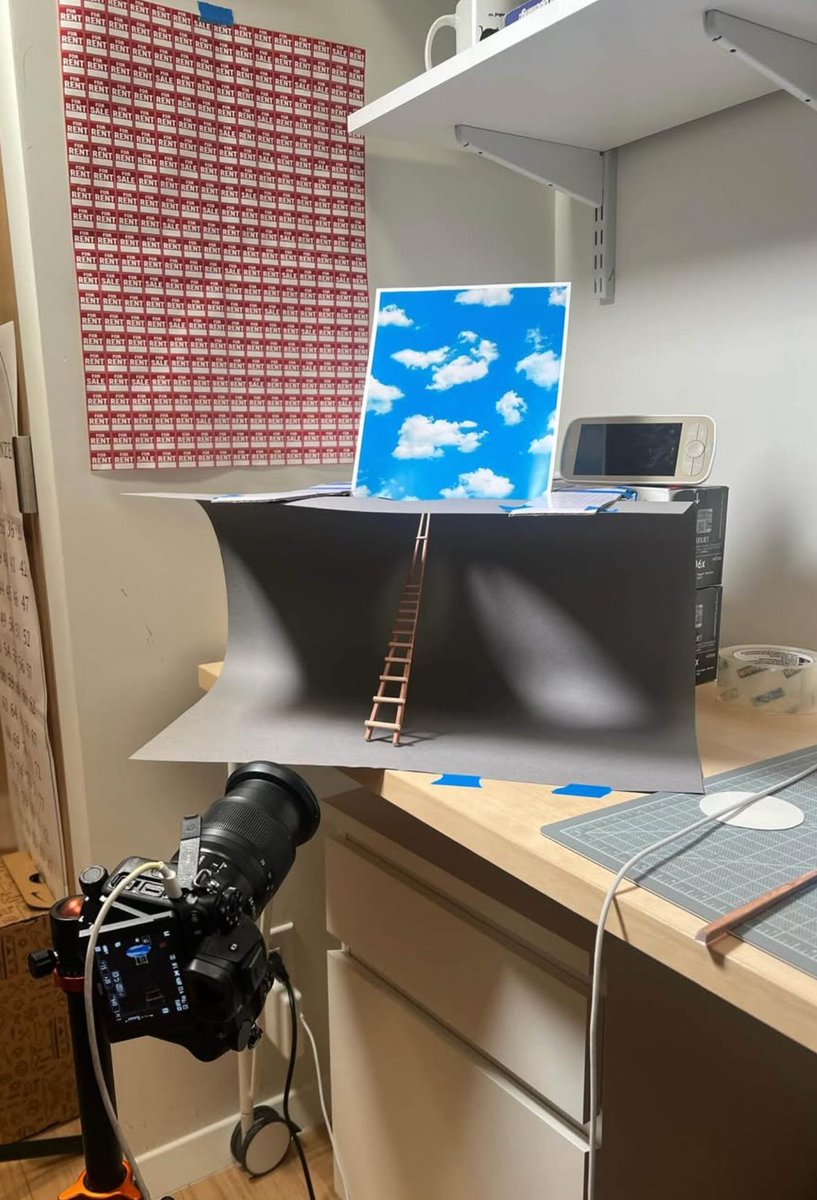
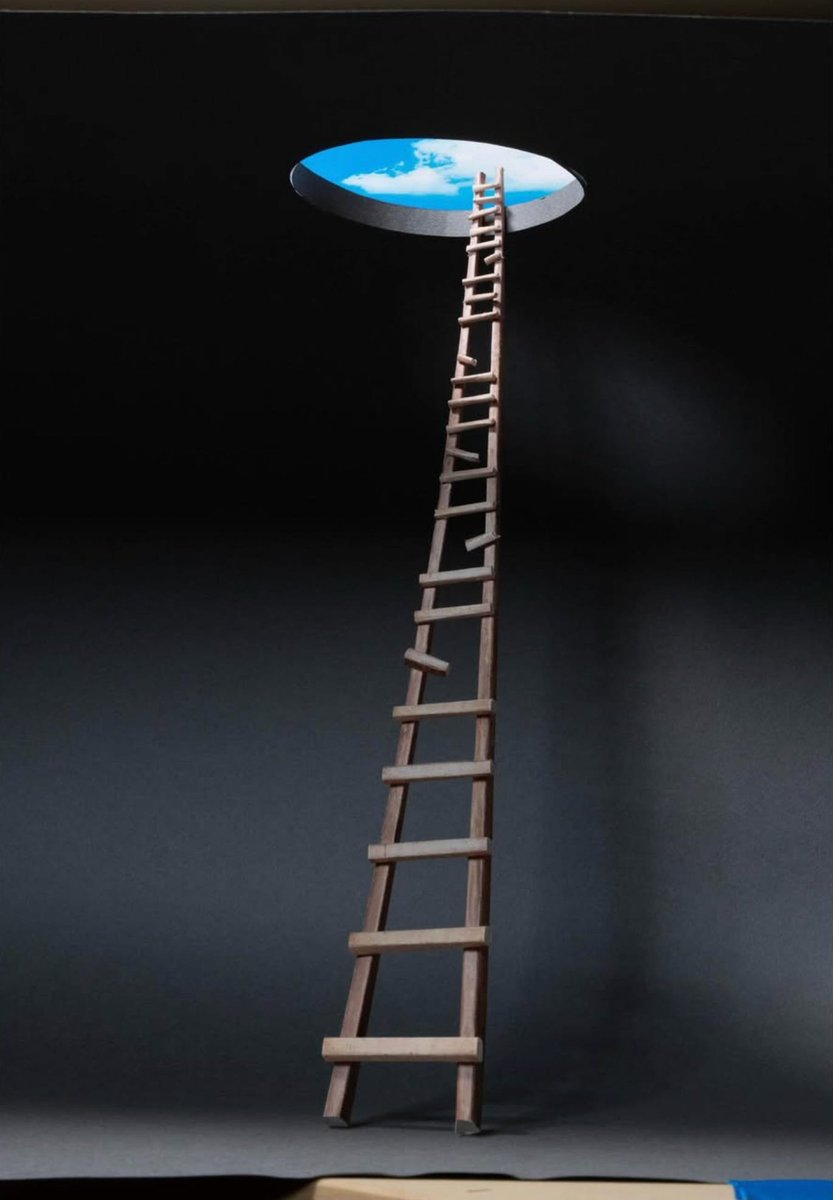

Most people I know in AI think the median person is screwed, and they have no idea what to do about it. I spent the last 3 months talking to dozens of researchers, economists, and policy experts about AI's impact on work; including reps from every frontier lab and several Congressional offices. Unfortunately, I was not reassured. The AI industry is raising the alarm, but can't change course. These companies' core business model relies on the disruption they are warning about: their faith in full automation only makes them go faster. Policymakers are waking up, but still paralyzed by data and debates. Econ wonks disagree on plenty, but even the limited scenario looks like a "painful transition" that will disempower millions of workers. But an "underclass" is not inevitable, but rather a societal choice — and one we can and should stop. Instead of waiting for impact, we should start planning now to support workers through AI disruption. Whether policymakers can assuage concerns about economic security may determine if we get to reap AI's gains at all. New from me for @NYTOpinion. I put a ton into researching what I think may be the biggest topic of the year, so hope you read it (gift link here!) nytimes.com/2026/04/30/opi…


Curtis Sliwa agrees with Mamdani, says the British royals should return the diamond: “The royalty, they're a bunch of deadbeats, slackers, the worst welfare cheats in the world,” Sliwa says.

ANGRY YOUNG WOMEN by @emilylawford and @Scarlett__Mag It was a Wednesday night and seven members of the University of Leeds’ feminist society had invited me to join their book swap. I asked how they felt about the young men they knew. “I don’t care for them,” said a girl called Ruby imperiously. “They’re not bad people, but they refuse to call out their friends who make other girls uncomfortable. They’ll laugh at jokes that are sexist, racist, homophobic, they don’t care about political issues… I don’t think they like women a lot.” If a man is attracted to you, she said, he might talk about things like toxic misogyny. If he doesn’t fancy you, he won’t bother. “I feel like a lot of it is quite sexually motivated with men.” I asked if they’d consider dating a man with different political views. They all immediately said no. “I don’t think I’d even be friends with one,” said one girl. “They don’t see you as human.” Only one woman, Evelyn, admitted to having male friends (though she was worried this made her a “pick me”, trying too hard for male attention). Evelyn was concerned about what the men she knew were watching online. “The stuff that’s being said about women is crazy,” she said. “They’re getting all these reels, talking about, like, bad stuff about women. And I get reels of women saying bad stuff about men. I try to think, not all men are like this, but…” On the internet, women and men have never been more alienated from each other. While the toxic, often hard-right politics of the manosphere have been exhaustively documented, the new generation of female influencers are nearly as extreme – just on the other side of the political spectrum. The “femosphere” spans a range of tones: there are misandrist dating coaches who urge women to reject men altogether, and more explicitly progressive content creators who cover global and domestic politics. Exclusive polling by Merlin Strategy for the New Statesman reveals that young women, aged between 18 and 30, are by far the most progressive demographic in the UK. Young women are 26 percentage points less likely to feel positively about capitalism than young men, and much less likely to feel the economy works in their favour. Gen Z women are more likely to support causes such as feminism, environmentalism and anti-racism than young men. They also feel much more negatively towards young men than young men feel about them. I spent the last few months in search of the new left-wing young women. It wasn’t difficult – they were everywhere. But it all felt impossibly bleak. They weren’t excited about their futures. They didn’t like the men they knew, or the idea of those they didn’t. Men were just a threat who had the potential to harm or trap them. This will almost certainly make relationships harder: fewer than half of young women feel men understand them. Young women are much less likely than men to date people who disagree with their politics. People will get lonelier, and angrier. Young women are twice as likely to not want children as young men. And it’s getting worse. Women under 25 are most likely to believe things are “stacked against me, no matter how hard I try”. A significant majority of young women feel isolated from the rest of the country. The two main political parties aren’t reaching out to them specifically. Many women told me they feared a Reform government pressuring them to have babies. Many say they will vote for the Greens in the upcoming local elections, but few seem to believe that will make a difference. They don’t feel represented by mainstream politics, and they don’t think anyone cares. Cover art by Carl Godfrey

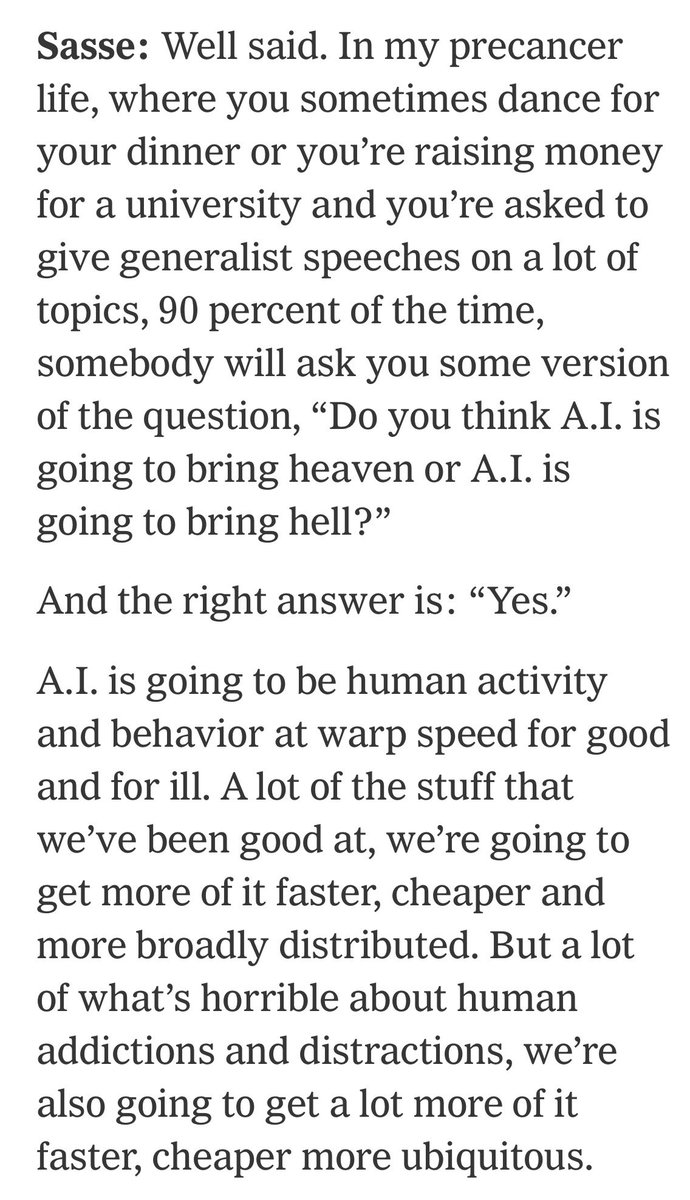
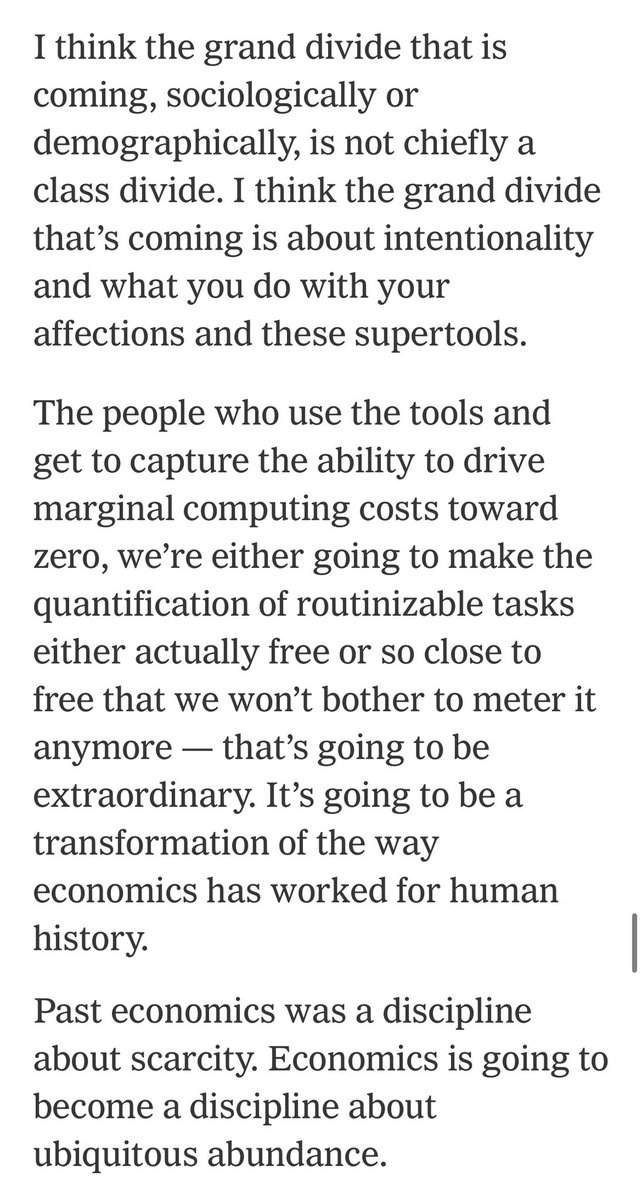
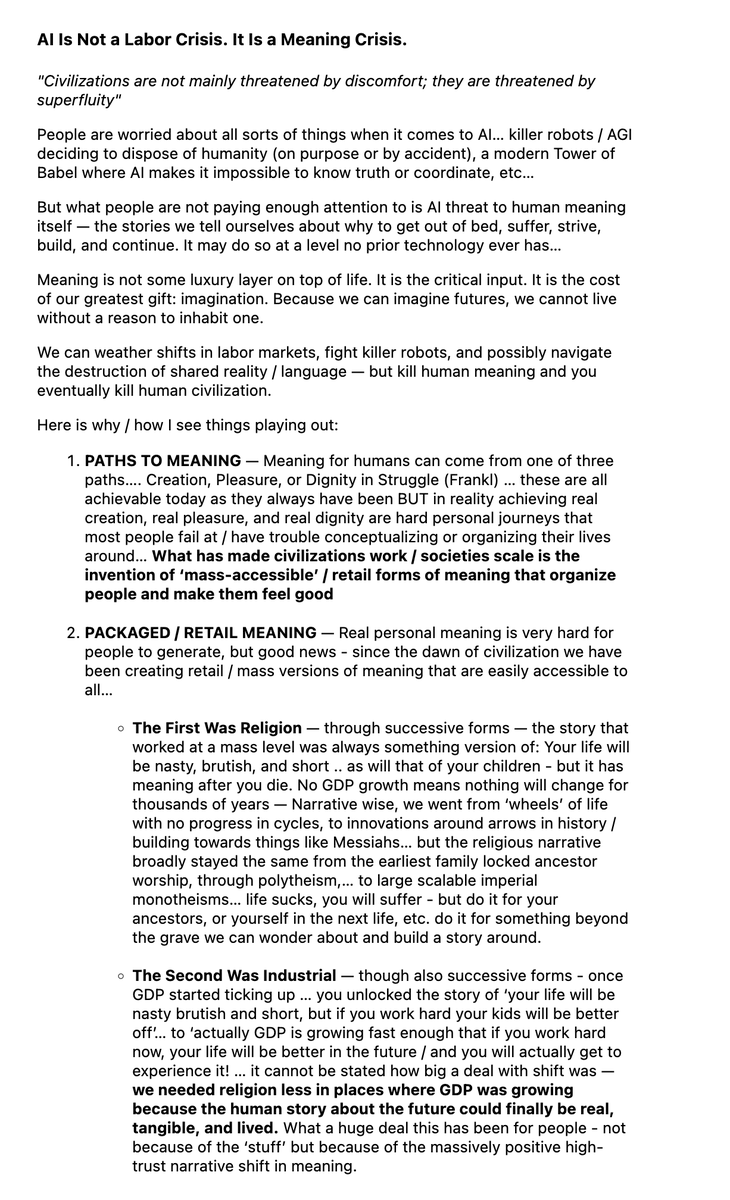
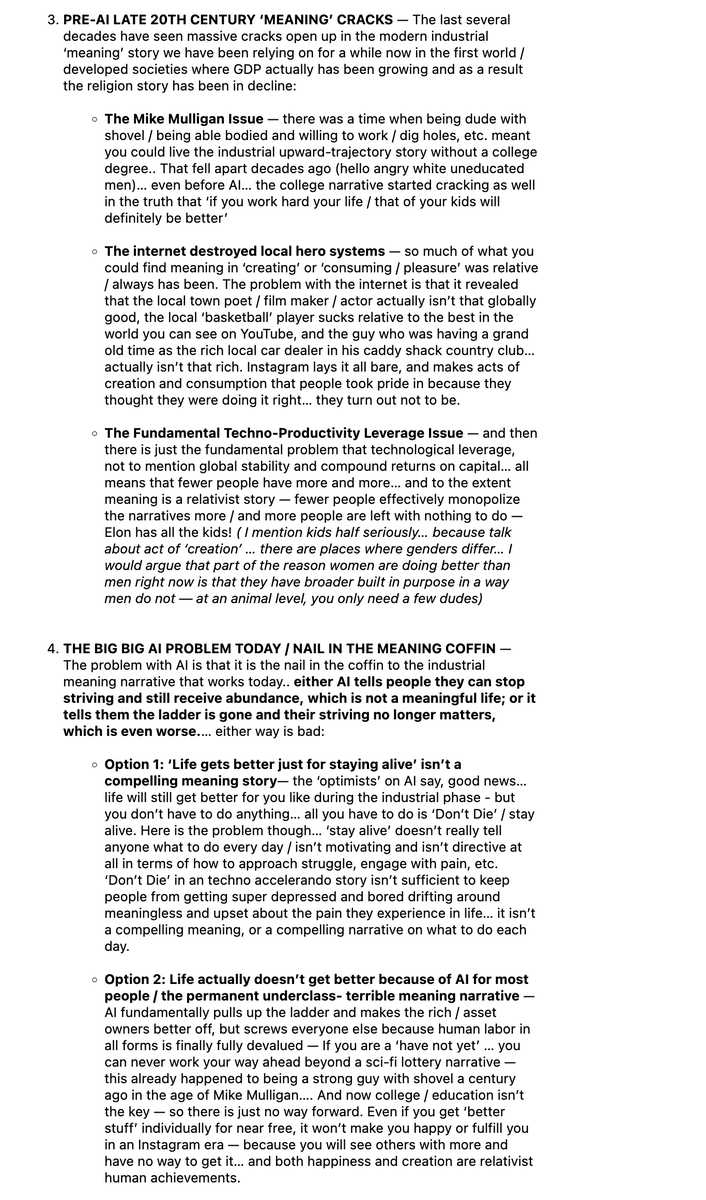
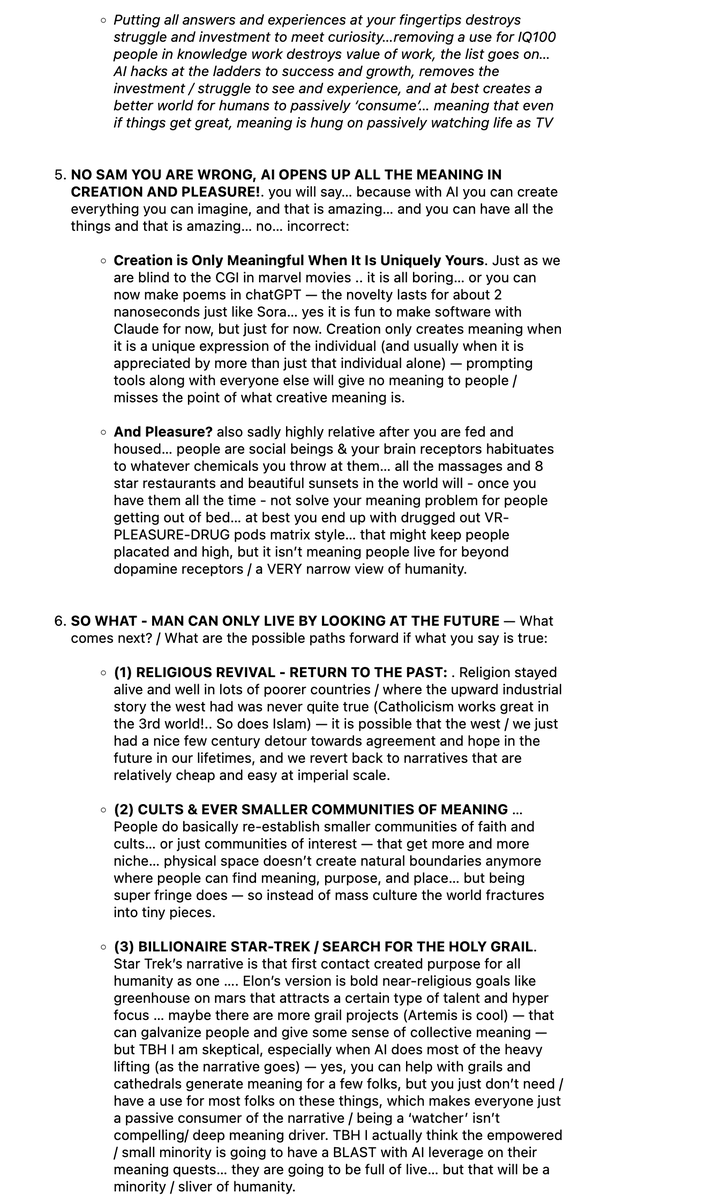
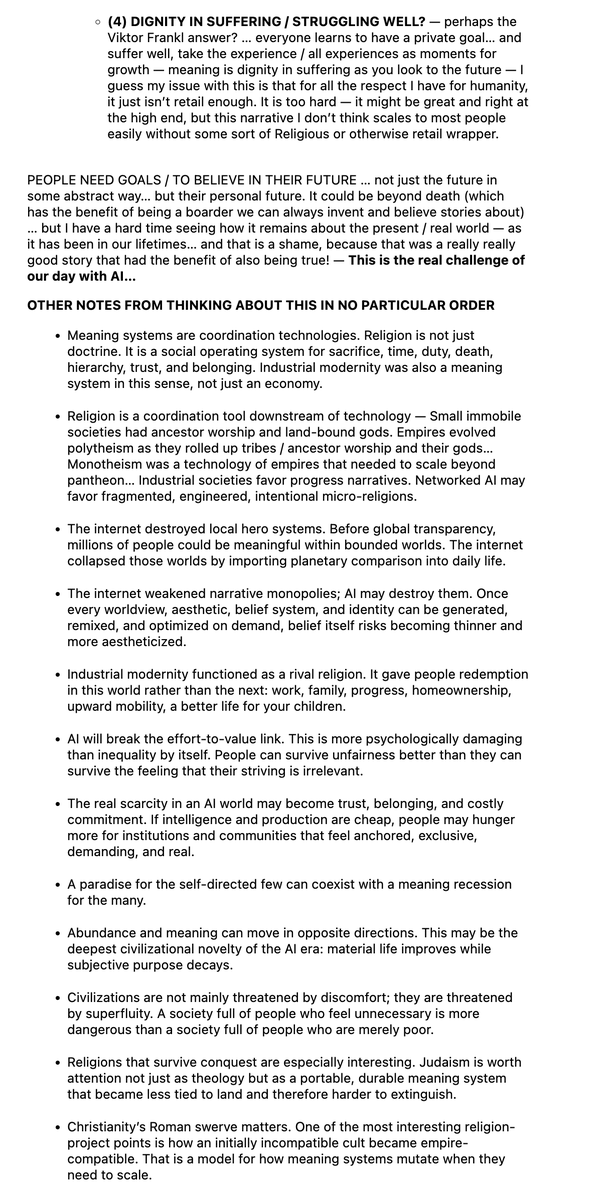
A bunch of people have written me back saying this was the best newsletter I have ever sent (flattering) ... so here it is for those who don't subscribe: AI Is Not a Labor Crisis. It Is a Meaning Crisis.





Hey real quick… is this mosaic outside my daughter’s school Jim Jones?

Am I stoned right now? I must be stoned.

I'm so pleased that The Guardian entrusted me to write about an issue near and dear to my heart: screenwriters being super annoying theguardian.com/film/2026/apr/…
First trailer for the ‘HARRY POTTER’ series. Releasing this Christmas on HBO.
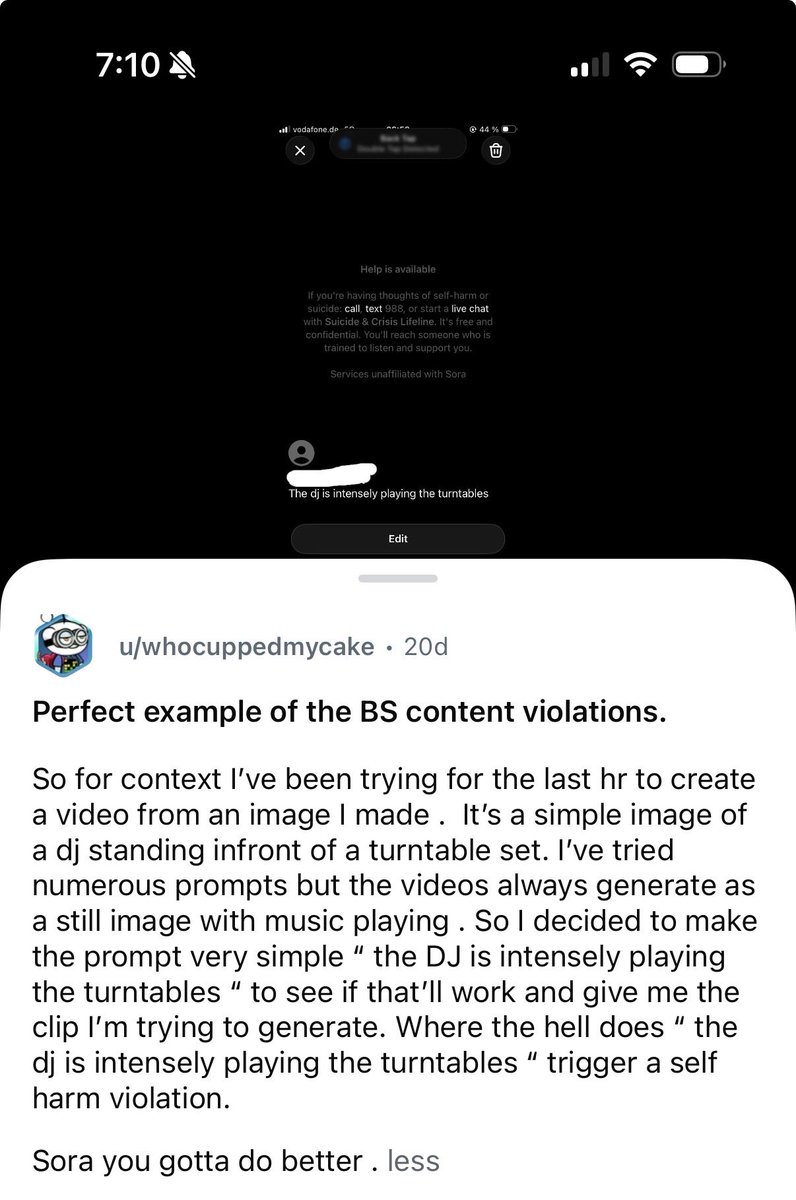
We’re saying goodbye to the Sora app. To everyone who created with Sora, shared it, and built community around it: thank you. What you made with Sora mattered, and we know this news is disappointing. We’ll share more soon, including timelines for the app and API and details on preserving your work. – The Sora Team