augusto uchida

5.3K posts

augusto uchida

augusto uchida

@augustouchida

MD, PhD. Non-invasive cardiologist

Sao Paulo, Brazil Katılım Temmuz 2009
2.3K Takip Edilen431 Takipçiler
augusto uchida retweetledi
AbdAllah Othman
AbdAllah Othman@CardioBeat_·
facebook.com/share/v/18L5GZ… The classic ECG triad of Wolff-Parkinson-White (WPW) syndrome: ✅ Short PR interval (<120 ms) ✅ Delta wave (slurred QRS upstroke) ✅ Wide QRS complex (>120 ms) All due to ventricular pre-excitation via an accessory pathway (Bundle of Kent). #WPW #ECG #EKG
English
0
11
52
1.7K
augusto uchida retweetledi
Andy King
Andy King@AndyJKing·
ATHLETES, COACHES, NUTRITIONISTS & PHYSIOLOGISTS🏃🚴‍♀️🧪 Our latest paper is out in The Journal of Physiology: physoc.onlinelibrary.wiley.com/doi/10.1113/JP… - Comparing glucose & glucose–fructose fuelling during running at altitude The sort of altitude used for training camps - 2500m A brief🧵 1/
English
1
32
118
9.8K
augusto uchida retweetledi
Jose Ramos Vivas
Jose Ramos Vivas@joseramosvivas·
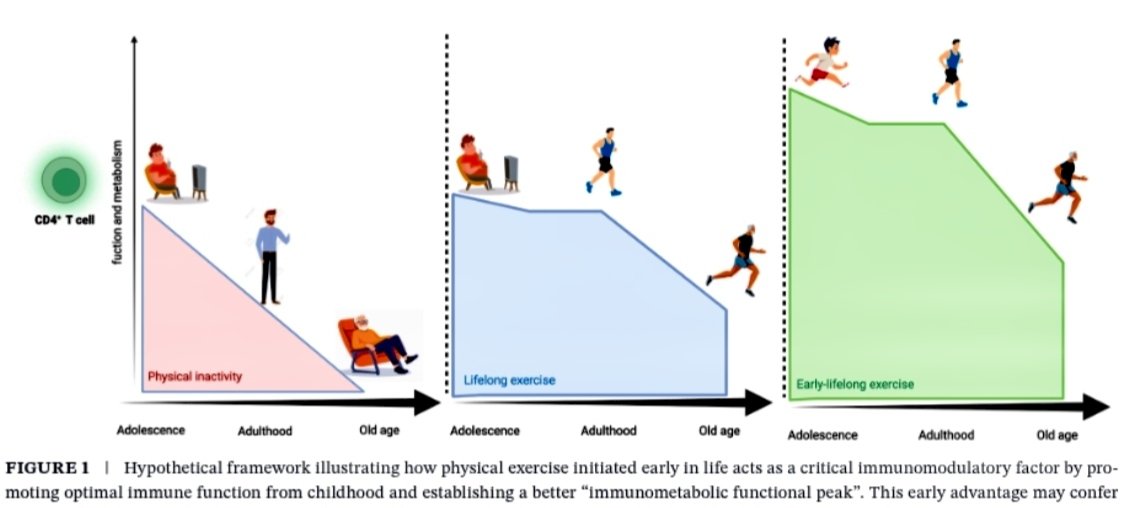
🏃‍♂️🏃🏻‍♀️🏋🏻‍♀️ El ejercicio que haces hoy puede influir en la salud de tus defensas en el futuro. European Journal of Clinical Investigation analiza cómo el ejercicio a lo largo de la vida podría modular el inmunometabolismo de las células T CD4+. 🛡️🧬 Lo más destacado: 👇🏻 ✅ Reprogramación metabólica: el ejercicio regular podría favorecer un metabolismo más eficiente en células T CD4+, ayudando a reducir inflamación crónica de bajo grado. ✅ El factor “temprano”: iniciar y mantener actividad física desde edades tempranas podría contribuir a un mejor “pico funcional” inmunometabólico. ✅ Menos inmunosenescencia: mantenerse activo podría ayudar a preservar la competencia inmune durante el envejecimiento. Una inversión a largo plazo para la salud. 💪 🔗👇🏻 doi.org/10.1111/eci.70… #Inmunología #Ejercicio #Salud #Ciencia #EnvejecimientoSaludable #Metabolismo #Inmunometabolismo #CélulasT #ActividadFísica
Jose Ramos Vivas tweet mediaJose Ramos Vivas tweet media
Español
0
58
173
5K
augusto uchida retweetledi
心電図.com
心電図.com@sindenzu1·
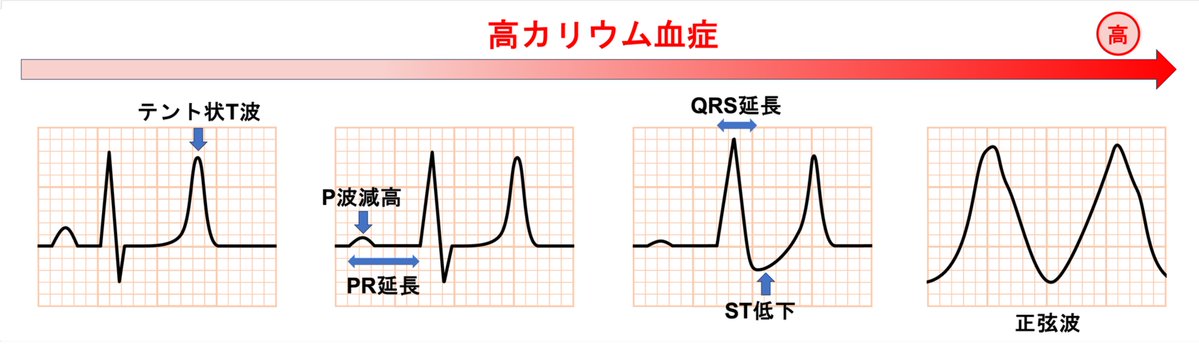
高カリウム血症では血清カリウム濃度が上昇するにつれて心電図が変化します。
心電図.com tweet media
日本語
0
11
163
8.2K
augusto uchida retweetledi
EHJ-IMP Editor-in-Chief
🫀 Lowering LDL-cholesterol is a cornerstone of CAD prevention— …but is it enough? This study explores a crucial gap: 👉 Why does significant coronary risk persist even at low LDL levels? ✨ Study at a glance (HURRICANE study): 🔹 479 patients with chronic coronary syndromes (CCS) 🔹 Comprehensive CCTA + metabolic profiling 🔹 CAD severity assessed by: ✔ CAD-RADS 2.0 ✔ Leiden score ✨ Key findings: ⚠️ Paradoxical observation: 👉 Patients with LOW LDL (<70 mg/dL) ➡️ had MORE severe and extensive CAD 📊 As shown in the graphical abstract (page 2): ➡️ high CAD risk clusters with high fasting glucose, not LDL 🧠 The real driver: cardiometabolic risk 🔹 Metabolic syndrome (31%) 🔹 Pre-diabetes (26%) 🔹 Diabetes (21%) 👉 Strong independent predictors of CAD severity 📈 Risk impact: ✔ Metabolic syndrome → OR ~2.1 ✔ Pre-diabetes → OR ~1.9 ✔ Diabetes → OR ~6.1 📊 Key mechanistic insight: 👉 Dysregulation of glucose metabolism ➡️ emerges as the main contributor to residual atherosclerotic risk ✔ Insulin resistance ✔ Inflammation ✔ Atherogenic dyslipidaemia ⚠️ Critical clinical implication: 👉 LDL-focused strategies alone are not sufficient ➡️ Patients with low LDL may still have: higher plaque burden more non-calcified plaques higher overall CAD risk 🧬 Imaging + metabolism = the future 👉 CCTA reveals: ✔ plaque burden ✔ plaque composition ✔ disease extent 👉 Combined with metabolic profiling → ➡️ more accurate risk stratification 💡 Clinical take-home message: 👉 In CCS patients: ✔ always assess cardiometabolic profile ✔ look beyond LDL 👉 Focus on: glucose metabolism insulin resistance metabolic syndrome 🚨 Bottom line: Residual coronary risk is driven less by LDL—and more by cardiometabolic dysfunction, especially glucose dysregulation. #Cardiology #CCTA #CoronaryArteryDisease #LDL #Diabetes #MetabolicSyndrome #Cardiometabolic #PrecisionMedicine #CardiacImaging 🫀📊
EHJ-IMP Editor-in-Chief tweet media
English
6
29
83
6.5K
augusto uchida retweetledi
心電図.com
心電図.com@sindenzu1·
右室肥大の心電図
心電図.com tweet media
日本語
0
14
162
7.4K
augusto uchida retweetledi
Benny Lau
Benny Lau@physiosign·
Top row (Conventional ECG): The P wave has a rounded, arc-shaped onset and offset. The transition from the end of the P wave to the beginning of the QRS complex forms a curved (arc) angle rather than a sharp angle. This makes it difficult to accurately locate the starting point of the PR interval, resulting in measurements that are highly subjective and less precise. Bottom row (saahECG): The P wave ends with a clear, sharp acute angle. The junction between the P wave and the PR segment is well-defined and distinct. This allows for precise and reproducible measurement of the PR interval. PhysioSign
Benny Lau tweet media
English
1
5
17
809
augusto uchida retweetledi
Daisuke Yakabe MD,PhD| 矢加部 大輔
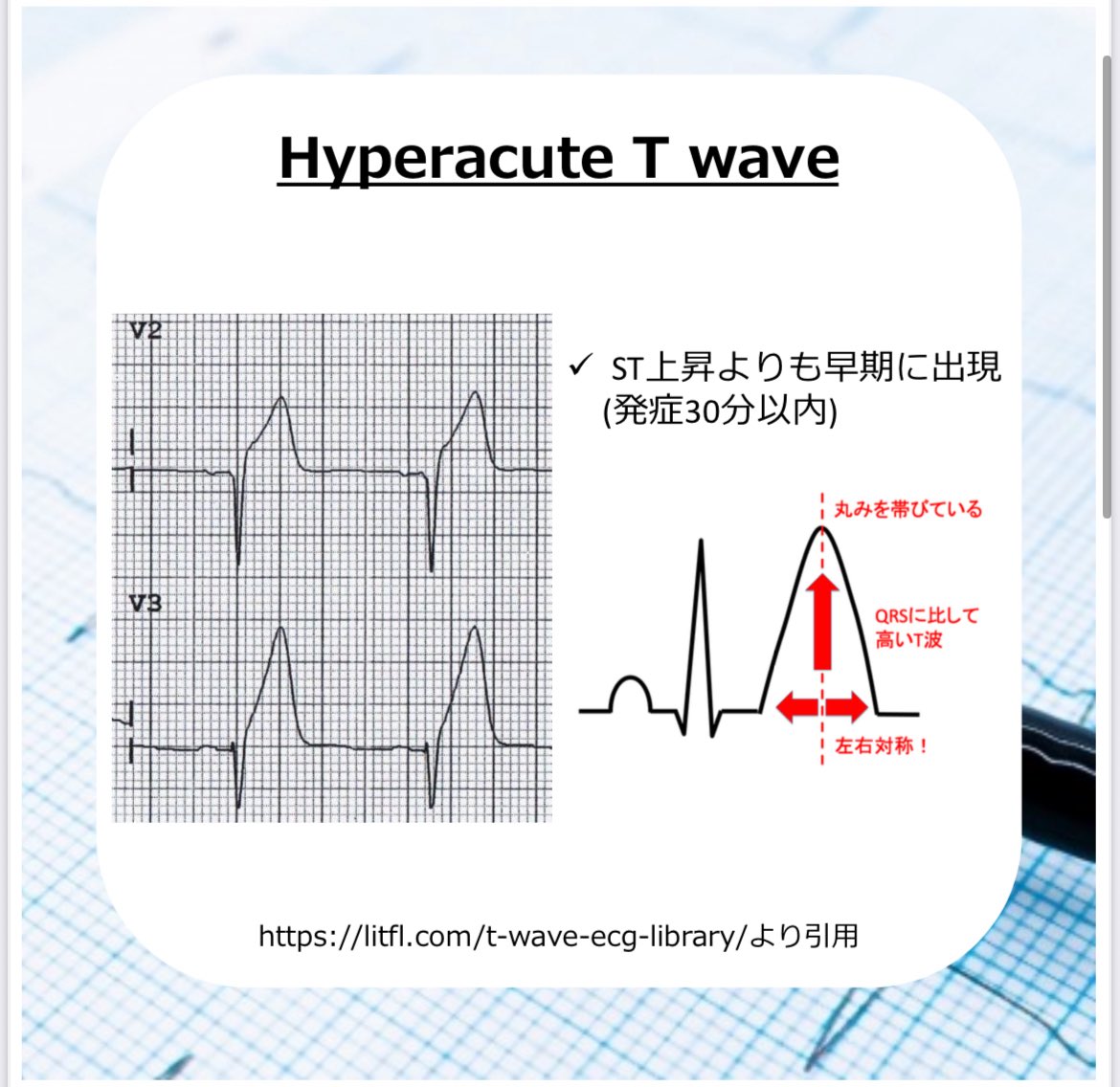
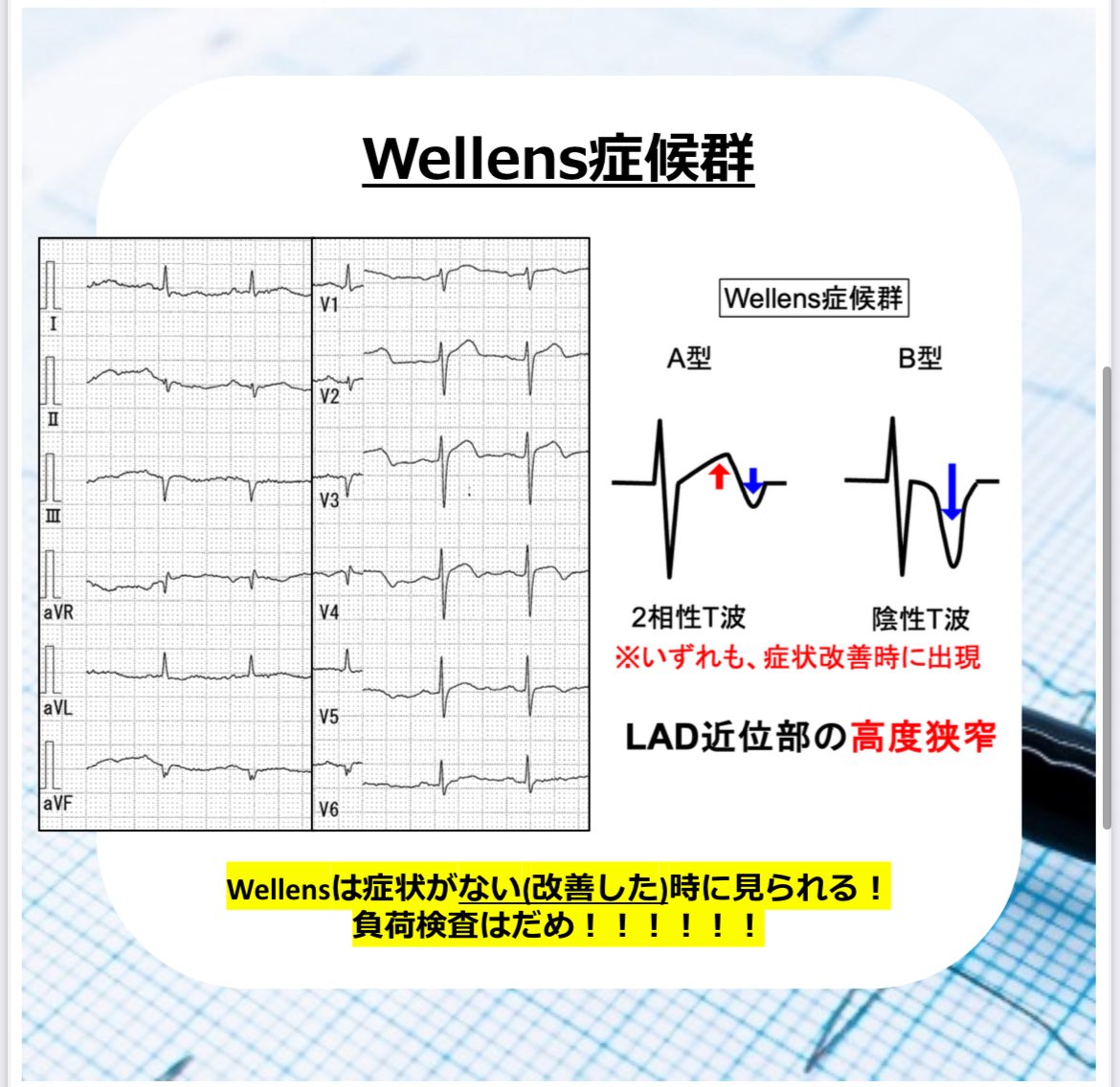
私の推しの心電図波形はP波(かわいい)とT波(ミステリアス)です! 急性冠症候群を疑うときの心電図変化(T波ver)についてまとめてみました⭐️ #心電図検定
Daisuke Yakabe MD,PhD| 矢加部 大輔 tweet mediaDaisuke Yakabe MD,PhD| 矢加部 大輔 tweet mediaDaisuke Yakabe MD,PhD| 矢加部 大輔 tweet mediaDaisuke Yakabe MD,PhD| 矢加部 大輔 tweet media
日本語
3
24
212
28K
augusto uchida retweetledi
CardiovascularCorner
CardiovascularCorner@TrackYourHeart·
Echocardiography in Valve Disease: Simplified Criteria for Daily Practice
CardiovascularCorner tweet media
English
0
91
287
9.3K
augusto uchida retweetledi
CardiovascularCorner
CardiovascularCorner@TrackYourHeart·
How the ECG Tells You Where VT Is Coming From 1️⃣ When a rhythm comes from the ventricles, it travels slowly across muscle instead of racing through the Purkinje system. That’s why VT is wide, fast, and regular.
CardiovascularCorner tweet media
English
3
58
230
9K
augusto uchida retweetledi
Sara Moscatelli
Sara Moscatelli@saramoscatelli7·
🧬 Are we missing pathogenic variants in dilated cardiomyopathy (DCM)? 🔍 Despite advances in genetics, TTN variants remain one of the biggest diagnostic challenges in DCM. 👉 Why? Because we’ve been looking in the wrong places. ⚠️ The gap: Most pipelines focus on: ✔️ Truncating variants ✔️ Canonical splice sites (GT-AG) 🚫 But non-canonical splicing variants are often ignored → labelled as VUS 📊 A recent study changes the picture: ➡️ 78 non-canonical TTN variants analysed ➡️ 16 shown to disrupt splicing (functional assays) ➡️ +14.5% expansion of TTN pathogenic spectrum ➡️ +1.6% increase in diagnostic yield 💡 Small numbers… big clinical impact. 🧪 Why this matters: Functional assays (minigene models) showed: ✔️ Exon skipping ✔️ Intron retention ✔️ Altered isoform balance 👉 Direct consequences on titin function and sarcomere biology 🧠 Even more interesting: Patients with splice variants: ➡️ Milder phenotype ➡️ Longer time to transplant 👉 Not all TTN variants behave the same 🚀 Take-home message: 🔬 We need to move beyond sequencing → functional genomics 🧬 Not all variants are equal → mechanism matters 👨‍⚕️ Better classification = better counselling & precision care 💥 The future of cardiomyopathy genetics: 👉 Integrating genomics + functional assays + clinical phenotype Because what we call “uncertain”… might just be unexplored. #Cardiology #DCM #CardioGenetics #TTN #PrecisionMedicine #Genomics #InheritedHeartDisease #TranslationalResearch #PhDLife 🧬✨
Sara Moscatelli tweet media
English
1
11
18
1.2K