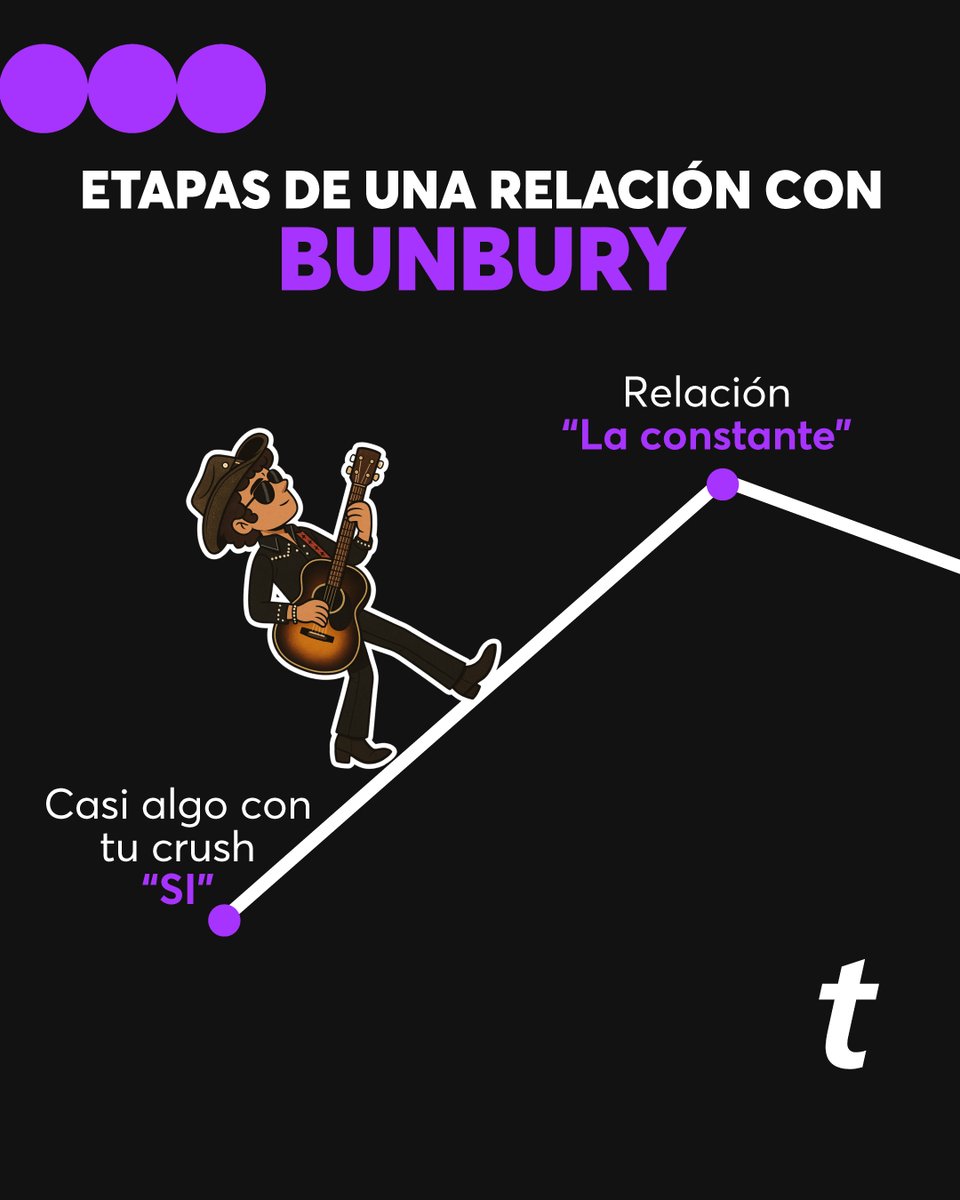
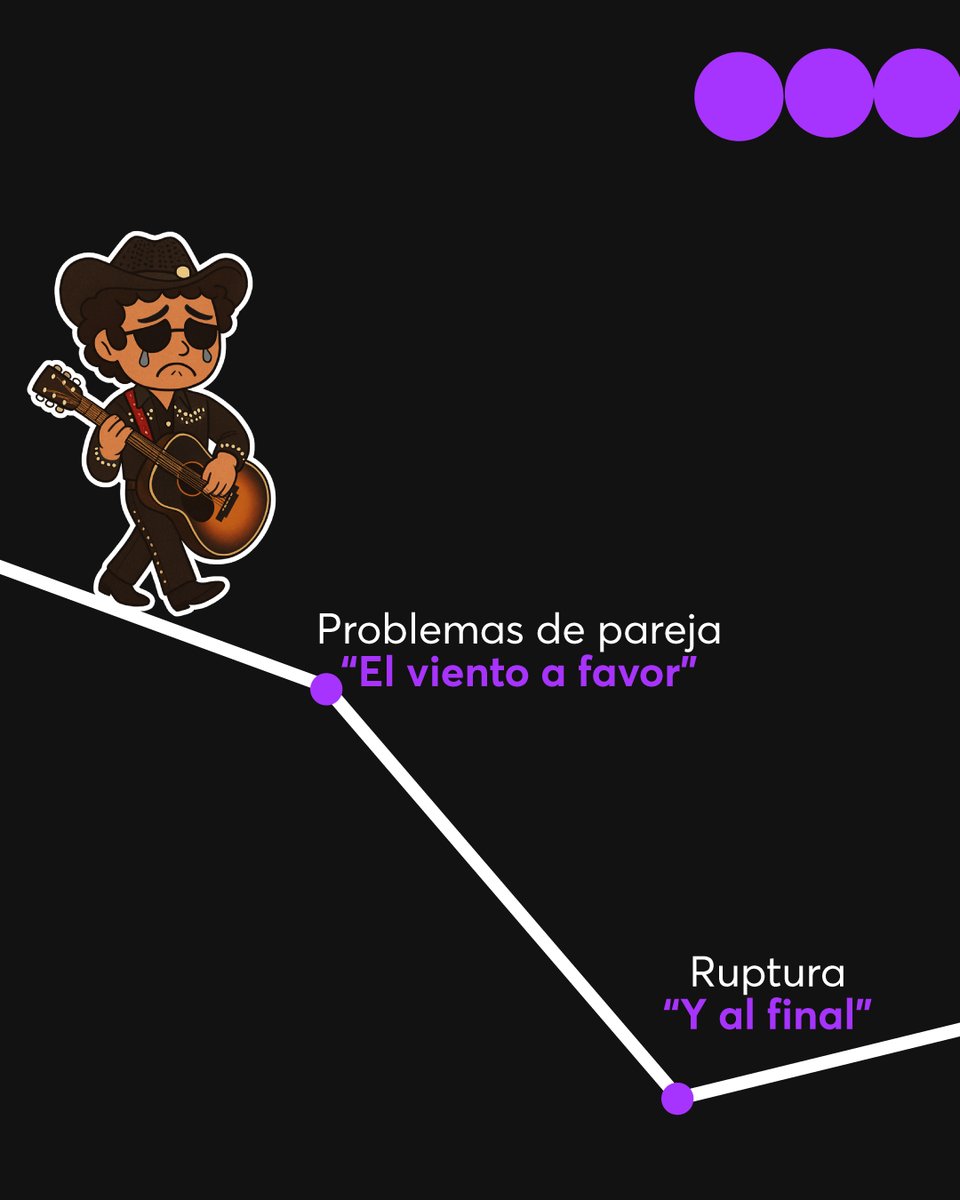
@Ticketmaster_Me@bunburyoficial@Ticketmaster_Me Buenas tardes. Compre boletos de estacionamiento para el concierto de hoy de Enrique bunbury en la app y en el boleto dice exp2 como detalles, que entrada es esa del palacio de los deportes? Ahí compre el espacio de estacionaT
¡Este es nuestro regalo de Navidad!
Respóndenos con tu nombre y te compartimos una esfera personalizada (con tu nombre), creada por Gemini, para que la imprimas y decores tu árbol. 🎄🎁
De Google, para ti. ❤️
🔴Emitimos medida precautoria a #Ticketmaster para que en 48 horas suspenda negativa de reembolso por la posibilidad de inasistencia de algún o algunos de los artistas anunciados para un festival.
Recuerda que tienes derecho a:
Costo del boleto + Cargos por servicio + Bonificación no menor al 20% por el monto pagado.
Si resultas afectado por esta empresa, tienes hasta un año de plazo para presentar tu queja con nosotros.
🔗Para más información, consulta bit.ly/3xhCGYo
Why is a credit card called a “𝐜𝐫𝐞𝐝𝐢𝐭” card?
Why is a debit card called a “𝐝𝐞𝐛𝐢𝐭” card?
🔸 Each transaction in the business system is transformed into at least two journal lines in the ledger system. This is called 𝐝𝐨𝐮𝐛𝐥𝐞-𝐞𝐧𝐭𝐫𝐲 accounting, where every transaction must have a 𝐬𝐨𝐮𝐫𝐜𝐞 account and a 𝐭𝐚𝐫𝐠𝐞𝐭 account.
🔸 Each journal line is booked to an account.
🔸 Each account belongs to one of the three components in the balance sheet:
💡Asset = Liability + Equity
Let’s look at the issuing bank’s ledger as an example:
Bob pays $100 to the merchant with a debit card. We have two accounts involved in this transaction:
1. Journal line 1 - From the issuing bank’s point of view, Bob’s bank account is a 𝐥𝐢𝐚𝐛𝐢𝐥𝐢𝐭𝐲 (because the bank owes Bob money). Bob’s bank account is deducted by $100.
This is a 𝐝𝐞𝐛𝐢𝐭 record.
2. Journal line 2 - Bank’s cash is an 𝐚𝐬𝐬𝐞𝐭 and the bank’s cash is deducted by $100.
This is a 𝐜𝐫𝐞𝐝𝐢𝐭 record.
The balance sheet equation still balances with the two journal lines recorded in the ledger.
Bob’s card is called a “debit” card because it is a 𝐝𝐞𝐛𝐢𝐭 𝐫𝐞𝐜𝐨𝐫𝐝 when paying with a debit card.
Why is this important?
This is how a ledger system is designed, only a real ledger is more complicated.
Applying these strict accounting rules makes reconciliation much easier!
Why is a credit card called a “𝐜𝐫𝐞𝐝𝐢𝐭” card?
Why is a debit card called a “𝐝𝐞𝐛𝐢𝐭” card?
–
Subscribe to our weekly newsletter to get a Free System Design PDF (158 pages): bit.ly/3KCnWXq
Te propongo algo.
Yo inicio poniendo los 256 regalos para celebrar nuestro "diadelaprogramacion․com", pero tú me ayudas a compartir esta publicación para que llegue a empresas, marcas y creadores que quieran patrocinar o donar regalos para aportar variedad.
¿Trato hecho?
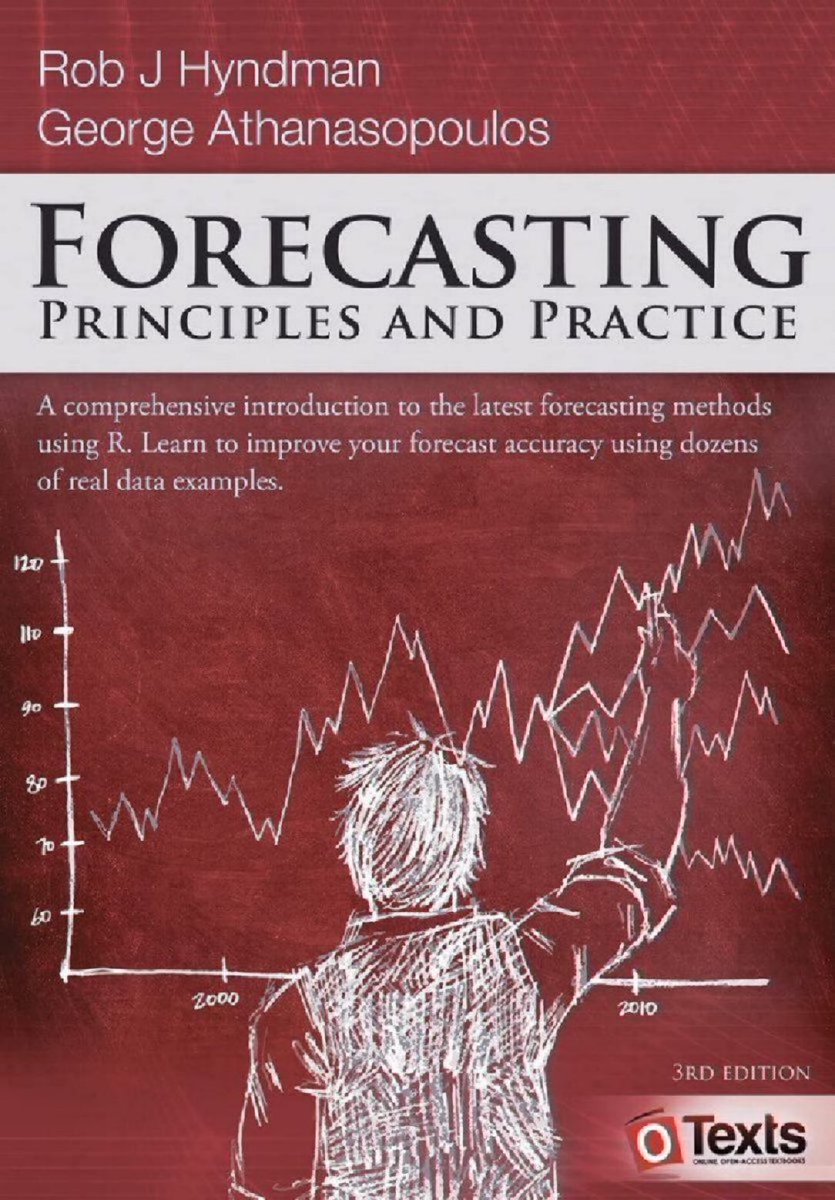
Les comparto este otro libro que fue mi inspiración para hacer el cambio de científico de datos a MLOps.
La idea en general: el machine learning no sirve de mucho si no se pone en producción dentro de una aplicación.
#bookrecommendation
Explaining Markov Chain Monte Carlo (MCMC) to a Layperson
1/ 🧐 Introduction Ever wonder how scientists make educated guesses about complex things, like predicting the weather or understanding the spread of a disease? They often use a method called MCMC. Let's break it down!
2/ 🎲 Start with a Simple Analogy Imagine you're in a room blindfolded, and you're trying to map out the furniture without seeing it. You take small steps in random directions. If you bump into something, you know there's an object there. Over time, you get a sense of the room's layout.
3/ 🔄 Markov Chain This is the idea behind the 'Markov Chain' in MCMC. You take many, many steps starting from a certain position, and your next step only depends on where you currently are. The 'chain' is the path you walk.
4/ 🎰 Monte Carlo Now, think about casinos. The Monte Carlo method, named after the famous casino town, is about using randomness (like rolling dice) to solve problems. In our context, it's like using random steps to explore and understand a complex system.
5/ 🤔 So, What's MCMC Together? MCMC combines the Markov Chain (the walking around) and Monte Carlo (the randomness) to make educated guesses about systems that are hard to figure out directly.
6/ 📊 Sampling & Distributions Here's the magic! After taking many steps, the places you've been most often give us a good idea about the 'shape' or 'distribution' of what we're trying to understand. It's like understanding the furniture layout in the blindfolded room analogy.
7/ 👥 Why is MCMC Useful? It's super useful in situations where directly calculating the answer is tough or impossible. Scientists use it to estimate things like climate patterns, stock market changes, or even the structure of galaxies!
8/ 🔍 In Summary MCMC is a clever method that combines walking around (Markov Chain) with randomness (Monte Carlo) to make educated guesses about complex systems. Think of it as mapping out a room blindfolded using small, random steps.
9/ 📚 Keep Exploring If you're curious, there's a world of math, statistics, and stories behind MCMC. But at its heart, it's about understanding the unknown through randomness and persistence.
🔚 End of Thread. If you enjoyed this explanation, feel free to share and comment! #DataScience#ScienceForEveryone 🌍
¿Te interesa el trabajo de manager?
🚀 Aquí te dejo una lista de libros, artículos, podcasts y cursos sobre cómo gestionar personas y equipos.
Recursos que no te puedes perder para llegar a ser un gran manager.
github.com/ryanburgess/en…