

Mr. Bartholomew
1.6K posts

Mr. Bartholomew
@bartacusthe1st
Acquired taste - according to a Shaman. Very good at faking insincerity.
Greasbrough Katılım Haziran 2020
485 Takip Edilen118 Takipçiler


@BenBikmanPhD It doesn’t have enough calcium for humans to maintain balance and lacks optimal levels of vitamin C, folate, manganese, copper, magnesium and thiamine but it’s definitely a superfood.
Things get a lot better when eggs and dairy are added to ruminant meat.
English

Is ruminant meat the real "super food"? Does it have everything a human needs to survive? Is there any single food that's better?
English
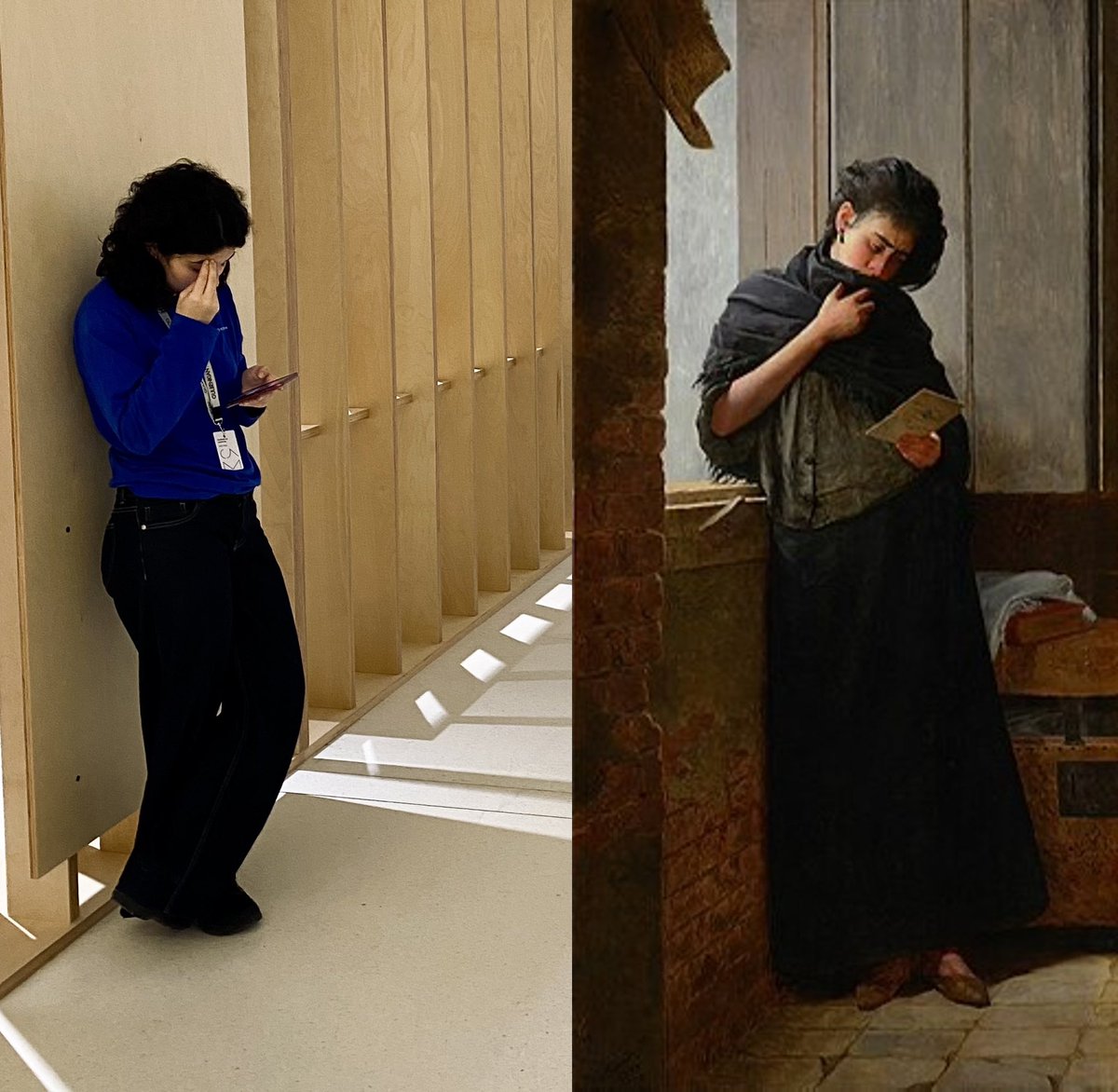
@MorganE07969703 This quietly commanding work stages a meeting between the sacred, the absurd and the unmistakably British seaside impulse to make meaning out of whatever is lying about. A weathered brick rises vertically from the sand with the solemnity of a modernist idol…(etc)
English



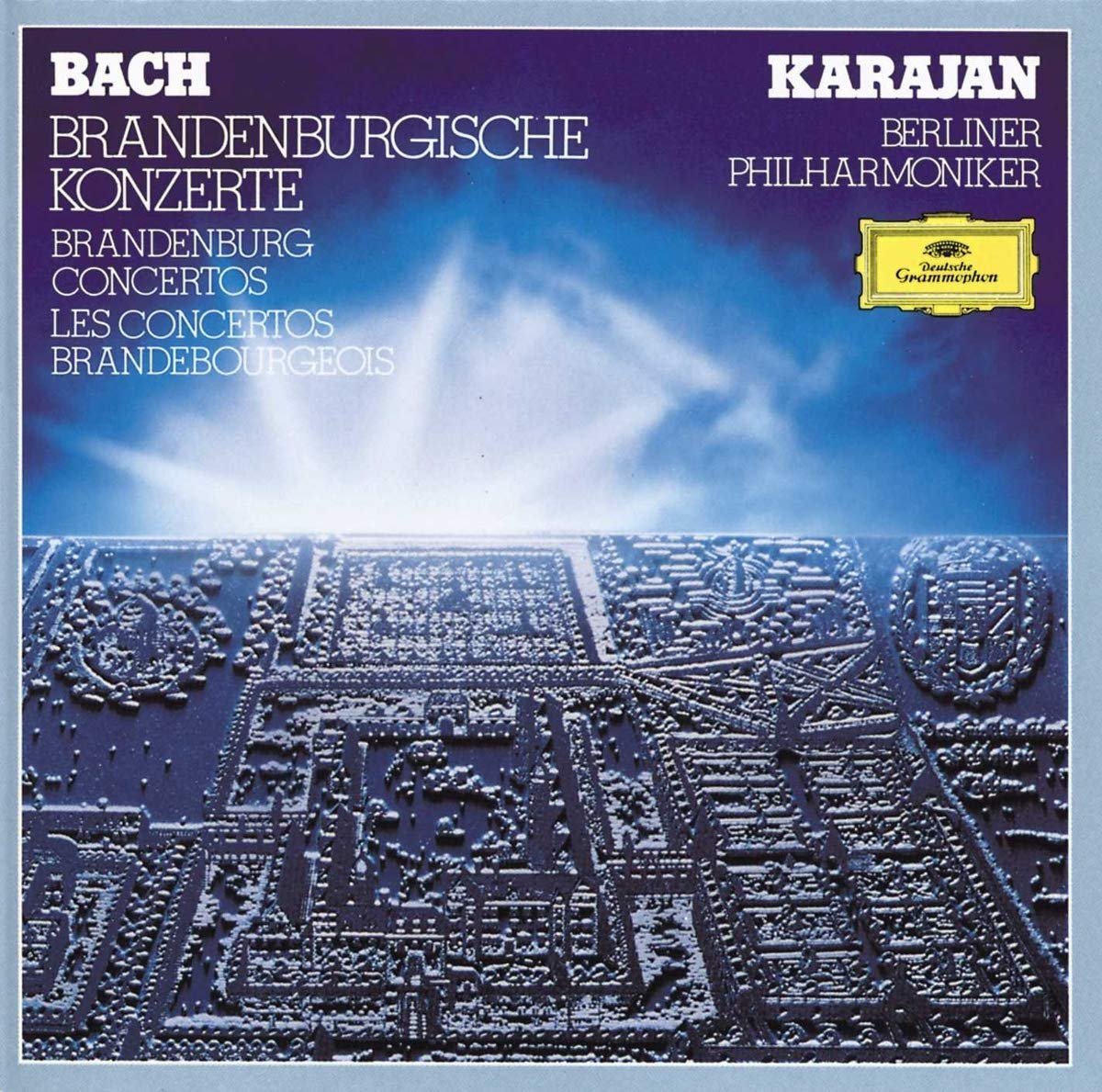
If I kept only one recording of
#JSBach's Brandenburg Ctos it would be…
Karajan/BPO
Amzn: amzn.to/47ySsgk
Ah, nothing says "Bach" quite like Karajan. Gorgeously smooth textures, stately tempi & the master himself @ something resembling a harpsichord.
#only1recording
English
@technopopulist Misogyny? Many of the girls were in care and sexually active. Their vulnerabilities meant they were 1) difficult 2) at risk. A policeman said to my Mother (pre 1999) who worked with children in care in Rotherham , “why do you care about these slags?”
Corruption also, perhaps?
English

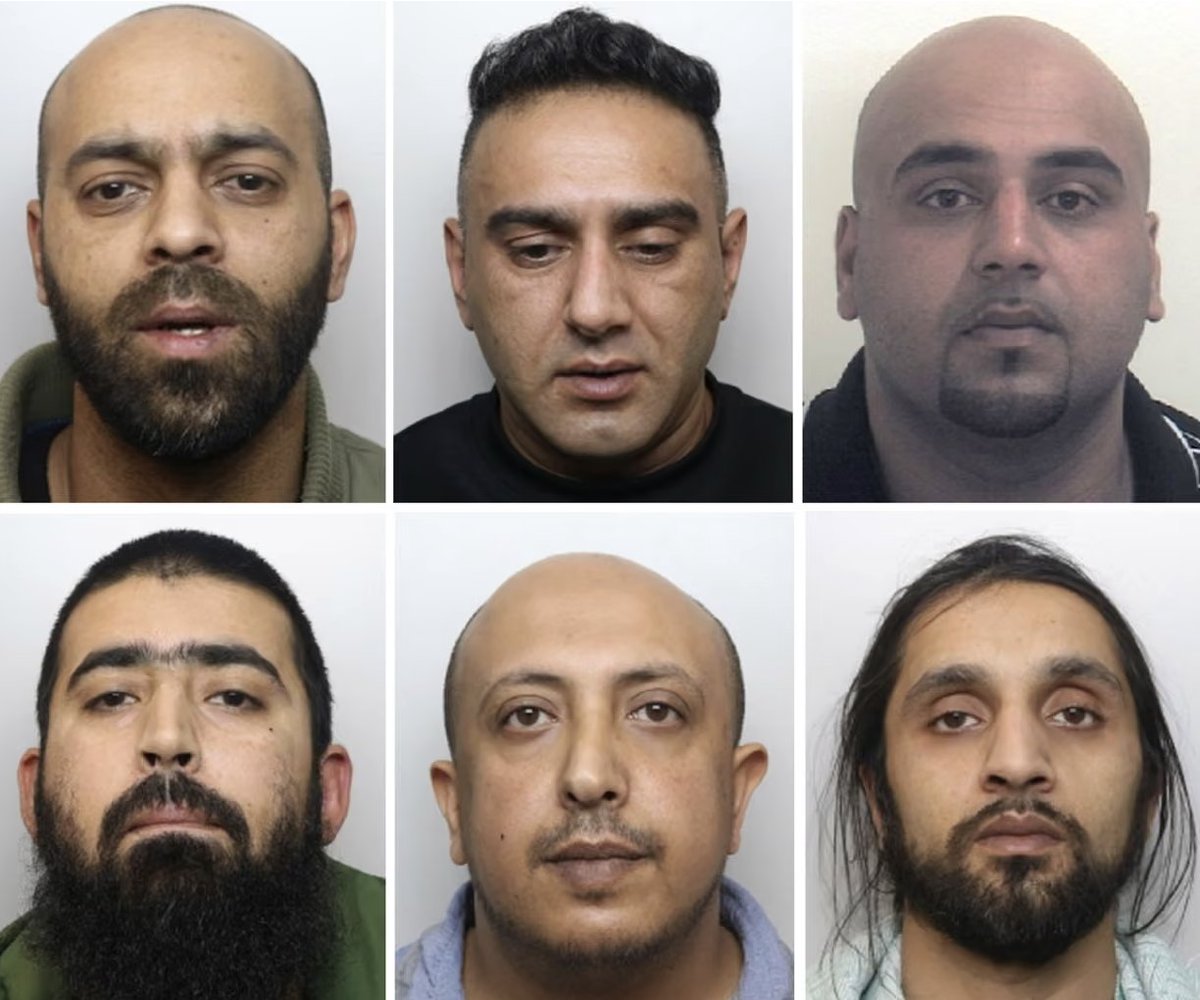
🚨Alright, I’m going to write a long post, and it will be controversial. Two questions keep coming up. When did the grooming gangs phenomenon actually begin? And how did something so sinister become so widespread while the authorities either looked the other way or, in some cases, made it easier?
These are hard questions. I don’t pretend to have the bandwidth to settle them properly. What follows leans on inference and a bit of educated guesswork. Still, it should interest people on all sides, because I’m not dressing this up or toning it down. I’m trying to get to something that actually makes sense.
So, when did it start? There isn’t a clean answer, and no report gives you a neat starting date. At best, you can narrow it down to a rough window. My own view, and it could be wrong, is that something like “proto-gangs” began to emerge in the mid-to-late 1980s. I call them “proto” because I don’t think they were especially organised or systematic at that stage.
What you’re probably looking at in the early phase is a small number of highly predatory Kashmiri Pakistanis, often operating within tight family or community networks, targeting a limited number of vulnerable White girls. Something smaller and less systematic than what came later. If there’s an early focal point, Rotherham is the obvious candidate. The material from Detective Chief Inspector Martin Tate, along with Operation Clover, points in that direction.
There are people online who push this all the way back to the 1960s, pointing to old court reports involving Pakistani offenders. I’m sceptical. Sexual offences clearly happened, that’s not in dispute. But there’s a difference between isolated cases and a recognisable pattern built around grooming and industrial-style repetition. The older material doesn’t really show that.
It’s also hard to see how something like the later grooming gangs could have taken root in that earlier period without triggering a serious reaction. Britain was a tougher, more ethnocentric place back then. If groups of Pakistani men had been systematically abusing White girls in anything like the way we saw later, the response would not have turned ugly very quickly. People remember the era of Teddy Boys and “P**i bashers”. That wasn’t an environment where something like this could quietly bed in over years.
Family life looked different as well. Fewer broken homes and stronger oversight from relatives. If a White teenage girl started getting into trouble, someone usually stepped in. The idea that large numbers of White girls could be picked off repeatedly without families Noticing or reacting doesn’t really hold up for that period.
The institutions were different too. Far from perfect (but not paralysed in the same way), police and social services were not operating under the same politically-correct pressures that later made them hesitate or back off. If something like this had surfaced on a large scale, it’s hard to believe it would have been ‘quietly’ managed.
The mid-to-late 1980s makes more sense. By then, the after-effects of the 1960s and 70s moral/sexual revolution had worked their way through society. Family breakdown was more common and more kids were in care. You had more unstable home lives, and more young White girls spending time out on the streets without much supervision.
That matters, because it created a pool of vulnerability: LOTS of little girls who are easier to approach and easier to manipulate. At the same time, the Pakistani population had grown in size and learnt better English. There was a stronger presence in local economies, especially in taxis and takeaways (e.g., the the night-time economy or NTE).
Put those pieces together and a picture starts to form. A small number of predatory Kashmiri families tested the limits of British society and realised they can get away with it. Over time, that hardened into something more organised and more entrenched.
The big turning point, then, was in the 1990s, when the whole thing exploded. The political and public sector environment changed after the racist murder of Stephen Lawrence and the publication of the Macpherson report, which rather recklessly described the police as “institutionally racist.”
This led to a sea change in the way policing was conducted, with a stand-offish, arms-length approach to ethnic minority communities, often mediated through “community leaders” and all the rest of it. This happened alongside the rise of anti-racist activists, who pushed the definition of “racism” further and further, and put heavy pressure on institutions to embrace multiculturalism and think twice about how they scrutinised non-White groups. It was highly effective.
The White British population became far less ethnocentric, with obvious benefits, including fewer random attacks on ethnic minorities and less overt discrimination. But there was also a clear drawback. Mobilising opposition in cases where White people were the victims became much harder.
That created a vacuum of public authority, and a complete shift in how institutions handled race relations. It allowed grooming gangs to operate with effective impunity. One thing that is not often talked about is how these gangs saw themselves as above the law. That is a very clear pattern. And they had every reason to believe it, because for long stretches of time they effectively were.
Running alongside this was a deeply strange mindset among some front-line police. On one side, you had a reluctance shaped by the climate around race. Officers were wary of stepping in because of how it might be perceived, and because they expected pushback from above. On the other, a kind of ethnic resentment that came through in how they spoke about the victims. Abused girls were dismissed with slurs like “P**i shaggers”.
Once serious money started coming in, the gangs began to spread. Victims were trafficked to different parts of the country, and the methods were copied and passed on. Once that process started, it spread very quickly. The methods became more systematic and more brazen over time, including targeting underage girls in public, even outside school gates.
English

@ClassicalCritic @classicstoday @DGclassics @KarajanMusic I was referring to ‘Solti is the answer’. He was fairly complimentary about HvK’s ring, I think.
English
@bartacusthe1st @classicstoday @DGclassics @KarajanMusic ...if one actually bothers to listen to it. In blind listenings, it still manages to steamroll much of the competition, with its energy and headlong tempi. Karl Böhm he ain't! If one approaches all of HvK's art as necessarily being "calculating", maybe it must sound that way.
English
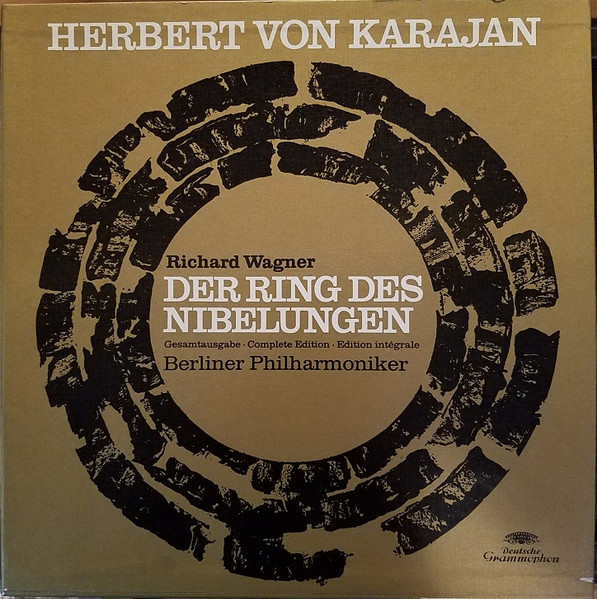
If I kept only one recording of
#Wagner's Ring Cycle…
Karajan/@BerlinPhil/DG
Amzn: amzn.to/4dB9FK3
No Ring's perfect, all do something really well. But this is the most alluring, dewy after all these years, w/lyrical, lean-yet-forceful storytelling.
#Only1Recording
English
@classicstoday @ClassicalCritic @DGclassics @KarajanMusic It’s a train wreck, in the words of the late Michael Tanner.
English

@ClassicalCritic @DGclassics @KarajanMusic Solti is the answer, but yes, yes, Karajan is up there. You may pass.
English
English
@bartacusthe1st @DGclassics @KarajanMusic Oh, now I realize: Which of the Janowski's do you mean? @PENTATONEmusic? Or VEB/Eurodisc/RCA/@sonyclassical?
English
English
@bartacusthe1st @DGclassics @KarajanMusic Possibly. Or the Keilberthians or the Barenboimers or the Böhminians. :-) But man, this is such a superb rendition... and Regine Crespin (not that that's what sways me; it's just a delicious bonus)!
English
@AlexeyZiskin I’m not that familiar with it, another for the list. I love Gulda’s early complete Beethoven. But often felt there’s a bit of Gulda cult.
English
I usually prefer Bach’s keyboard works played on the piano, but this 1981 recording of the English Suites by the great Canadian harpsichordist Kenneth Gilbert is sublime & riveting.
(Btw, the harpsichord sounds so much better on LP than on CD!)

English
@AlexeyZiskin Love Feinberg. Gould, I get but…
Tureck will have to try again.
English
@bartacusthe1st Feinberg, Glenn Gould, and Tureck (DG) are my top choices for the WTC.
English
@ClassicalCritic @AlexeyZiskin @BACH_JohannSeb @Bach330 @sonyclassical @SonyClassicalUK Ha! (There’s a few that gave me sleepless nights).
English
@bartacusthe1st @AlexeyZiskin @BACH_JohannSeb @Bach330 @sonyclassical @SonyClassicalUK As ANY recording of the GVs should be, I guess. (A sleeper...)
English
If I kept only one recording of…
Bach's #GoldbergVariations (on piano)
it would be…
Murray Perahia on Sony
Amzn: amzn.to/3Ps2n13
Gosh, this is difficult. Koroliov? Barto's perversion? Xiao-Mei? But this is the best of the most "pianistic" accounts, so hey!

English
@AlexeyZiskin @ClassicalCritic @BACH_JohannSeb @Bach330 @sonyclassical @SonyClassicalUK Derzhavina. A sleeper. A beautiful recording.
English
@ClassicalCritic @BACH_JohannSeb @Bach330 @sonyclassical @SonyClassicalUK No way! Gould live in Salzburg, Lifschitz (Denon), Xiao-Mei, and Derzhavina are way better!
Deutsch
@RobertAllenPoet Hegelian. Which is quite something as I couldn’t stomach more than a few pages of his prose.
English

This is pretty geeky and fun :) apparently I’m a liberal Niezschean existentialist. Close enough: heaviest on the existential. You?
Michael Millerman@millerman
A new diagnostic quiz 10 questions for you to think about. This is probably more fun for people who are relatively new to philosophy. Try it out and see! I am having a lot of fun creating these tools, quizzes, and resources. Enjoy! diagnostic.millermanschool.com
English
