Gerry McMahon

44.4K posts

Gerry McMahon

Gerry McMahon

@base8462

Drafted infantry veteran of Vietnam, where I was a supporter of the Berrigan Brothers and Daniel Ellsberg. Now Assange, Drake, Snowden & Greenwald.

New York Katılım Haziran 2013
133 Takip Edilen346 Takipçiler
Gerry McMahon retweetledi
Love Classical Music and Movies 🎺🎻💖🎥🎬
🎬 Gary Oldman – Hollywood’s master of villains. In Léon: The Professional, he embodied Norman Stansfield – a corrupt, unhinged cop so haunting he became a cinematic icon. Fun fact: the legendary line “Bring me everyone… EVERYONE!” wasn’t in the script. Oldman shouted it as a joke, but director Luc Besson loved it and kept it – turning it into an immortal moment. More than just terrifying, Oldman transforms every villain into an artistic experience, leaving audiences both horrified and mesmerized.
Love Classical Music and Movies 🎺🎻💖🎥🎬@AlexTran677026

Who do you think is the scariest villain in movies?
English
4
11
93
7.2K
Gerry McMahon retweetledi
Spencer Hakimian
Spencer Hakimian@SpencerHakimian·
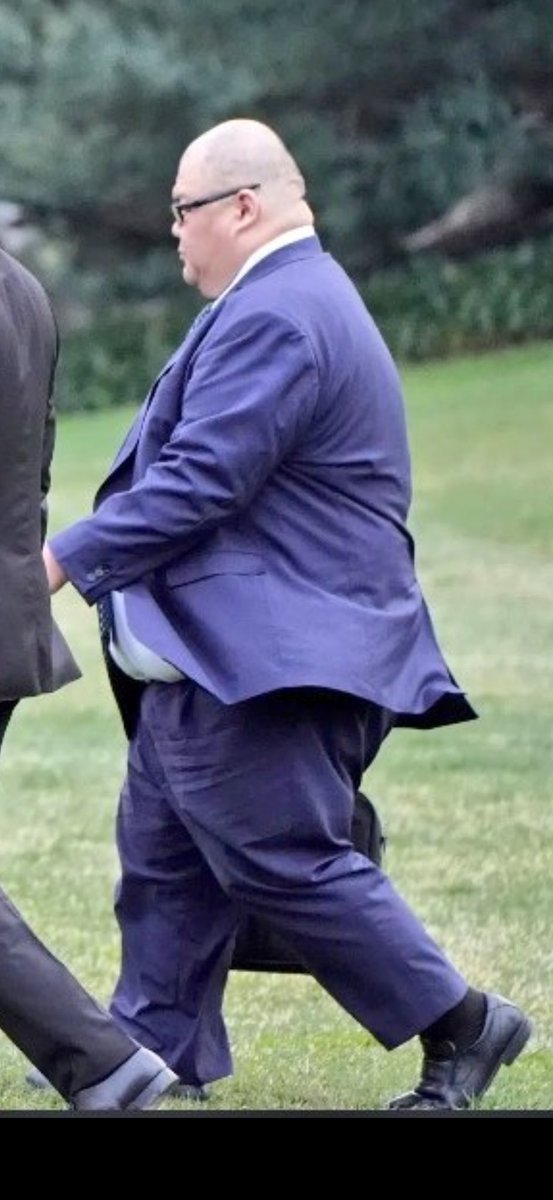
How does someone end up looking like this?
Spencer Hakimian tweet media
English
1.6K
264
2.9K
131.8K
Lugar Cinema🎬
Lugar Cinema🎬@LugarCinema·
Jamás olvidaré lo que fue ver Oppenheimer (2023) en el cine. Sala completamente llena, ni una sola palabra en las 3 horas que duró, todo el mundo alucinando con lo que estaba viendo. Fue una de las experiencias más grandiosas que he vivido. OBRA MAESTRA la que hizo Nolan.
Español
56
76
763
32K
Gerry McMahon retweetledi
Barnaby Breaks History 🇺🇸
🇺🇸 Teddy Roosevelt is the only president to ever lose a son in combat. 
Quentin was killed in WWI when his plane was shot down. 
Memorial Day hits different for some families. 🇺🇸 
‘This is my beloved Son, with whom I am well-pleased.’ Matthew 3:17
Barnaby Breaks History 🇺🇸@CorpBarnaby

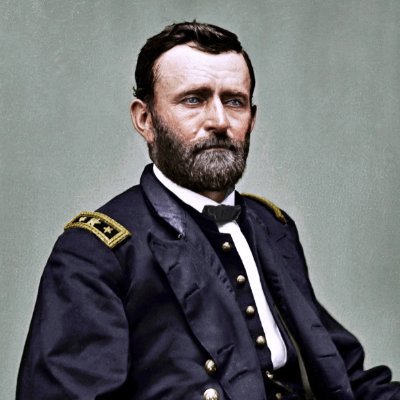
🇺🇸 Most Badass Presidents: Combat Veteran Edition #7 Theodore Roosevelt Theodore Roosevelt, our 26th President, was one badass President. He is the only U.S. President ever awarded the Medal of Honor. Born October 27, 1858, in New York City. He was crippled by severe asthma as a child. When he was 12 years old, his father looked him in the eye and said, "You have the mind, but you have not the body. You must make your body." Roosevelt took this literally. He built a gym in his home and began weightlifting, hiking, and boxing to transform his frail frame. When war with Spain erupted in 1898 he was working as the Assistant Secretary of the Navy. He quit his post and personally recruited and trained the 1st U.S. Volunteer Cavalry. They were a wild mix of cowboys, athletes, Native Americans, and Ivy Leaguers. They would become the Rough Riders. Roosevelt was commissioned lieutenant colonel but soon took full command as colonel. He had his own uniform privately tailored by the high-end retailer Brooks Brothers in Boston. They got to Cuba on June 22, 1898 and waded ashore through the surf. Their first action occurred at the Battle of Las Guasimas. Roosevelt led his squadron along a high-ridge trail to strike the enemy's right flank. He survived a close call when a bullet struck a tree inches from his cheek. The impact sprayed wooden splinters into his face. On July 1, 1898, at the Battle of San Juan Hill, Roosevelt and his men were pinned down under a heavy Spanish artillery barrage. A fragment of shrapnel from an exploding shell sliced into his wrist. He ignored the injury, bled through a temporary dressing, and eventually got orders to attack. He unleashed a furious, highly aggressive assault. He mounted his warhorse ‘Little Texas’ that he purchased directly from the U.S. Army Quartermaster and moved forward. They encountered regular U.S. Army infantry troops who had been ordered to hold their positions. Roosevelt yelled to their commander, "If you guys won't lead, get out of the way so my men can pass!" When the officer hesitated, Roosevelt said, "Then let my men through, sir!" and surged past them. He drew his revolver, waved his hat, and yelled for his men to follow him. As they charged across the open valley, Roosevelt was the only man riding a horse. He was a massive target. Forty yards from the crest of Kettle Hill, he ran directly into a thick barbed wire fence. As he scrambled off Little Texas to clear the wire, a Spanish bullet grazed his left elbow. He tied his horse to the fence and charged the remaining distance on foot. Roosevelt was one of the first three men to reach the trenches at the top of Kettle Hill. He personally shot and killed a Spanish soldier using his revolver. Next he set his sights on San Juan Hill. He yelled for a second charge, but in the din of battle, only five men heard him. Three were instantly shot down. Roosevelt ran back down the hill and rallied a larger force of soldiers. They stormed up the steep slopes of San Juan Hill, overwhelmed the final Spanish positions and secured the heights above Santiago. He was immediately recommended for the Medal of Honor but denied for political reasons. It was finally awarded posthumously in 2001. By late July, nearly 80% of the American force was infected or sick with malaria, yellow fever, and typhoid fever. Roosevelt broke military protocol and drafted the famous "Round Robin" letter. It demanded that the government immediately evacuate the troops before the entire army died of disease. This pressure forced Washington to pull the troops out. He had spent 46 days in Cuba. Roosevelt brought Little Texas back home to live out his days peacefully at his Sagamore Hill estate. He fought for the Republic before he ever stepped foot in the White House. Thank you, Mr. President! 🇺🇸🫡
English
9
97
495
11K
Gerry McMahon retweetledi
Echoes of War
Echoes of War@EchoesofWarYT·
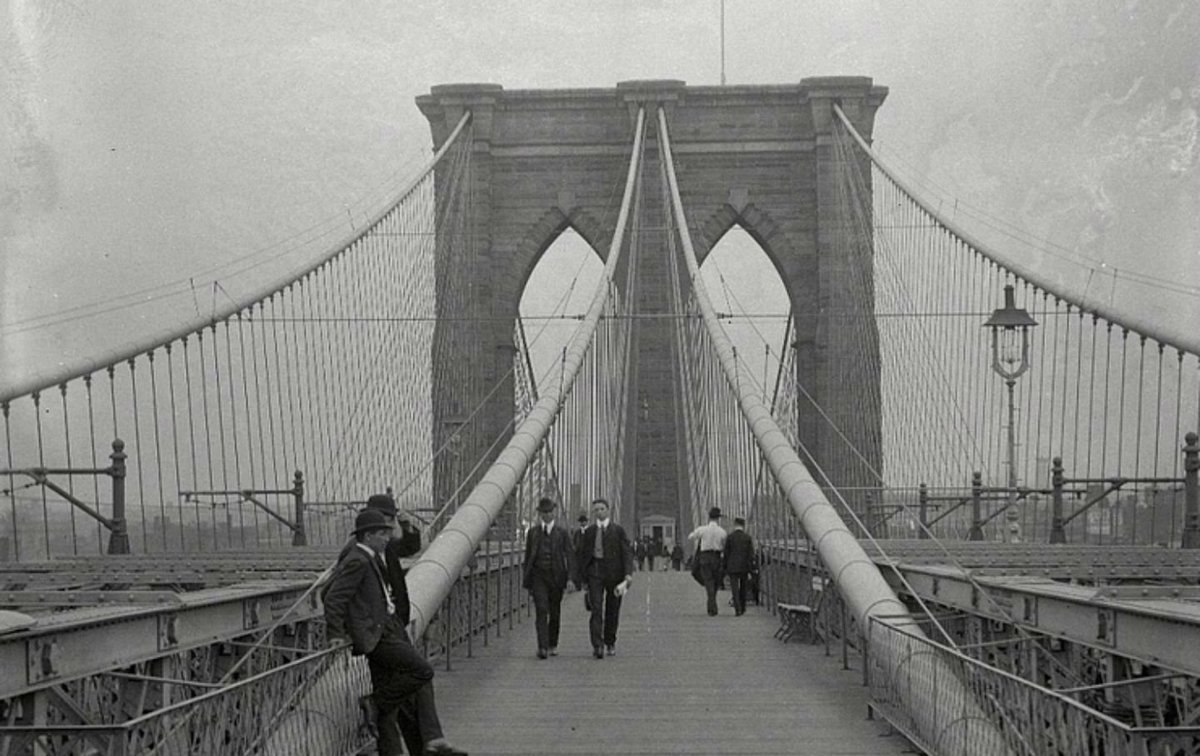
The Brooklyn Bridge opened on this day in 1883. The chief engineer was dead. His son was paralyzed and bedridden, watching from a window across the river. The bridge was finished by a woman. Her name was Emily Warren Roebling, and almost no one talks about her. In 1869, John Augustus Roebling was surveying the bridge's location on a dock in Brooklyn when a ferry slammed into the pilings and crushed his foot. The toes were amputated. He refused further treatment, preferring "water therapy." He died of tetanus three weeks later, before a single stone of the bridge had been laid. His son Washington took over. Washington was a Civil War veteran, an engineer, and a workaholic. He went down into the caissons, the giant pressurized chambers sunk beneath the East River where workers dug out the foundations. The pressure was crushing. Men came up bleeding from the ears, paralyzed, screaming. They called it "caisson disease." We now call it the bends. Washington was struck so badly he became permanently disabled. By the early 1870s he could barely stand. He could not speak above a whisper. He could not visit the construction site. For the next eleven years, he watched the bridge being built through a telescope from a bedroom window in Brooklyn Heights. So his wife took over. Emily Roebling had no formal engineering training. She had been the daughter of a New York state assemblyman, well-read but conventionally educated. When her husband collapsed, she taught herself higher mathematics, stress analysis, catenary curves, materials science, and bridge specifications. She became the only person who could translate between the bedridden chief engineer and the workers on site. For more than a decade, every decision, every order, every conversation with city officials and steel suppliers and skeptical politicians passed through her. The men on the bridge stopped asking for Washington. They asked for Mrs. Roebling. A week before opening day, she became the first person to cross the completed bridge. She rode in a horse-drawn carriage. In her lap she carried a live rooster, an ancient symbol of victory. Workers along the span stopped, took off their hats, and cheered her as she passed. On May 24, 1883, the bridge opened to the public. President Chester Arthur attended. 150,300 people walked across that day. The cannons fired. Speeches were given. Abram Hewitt, in the keynote address, called the bridge "an everlasting monument to the self-sacrificing devotion of woman." Six days later, a woman on the bridge tripped going down a staircase and screamed. Someone yelled that the bridge was collapsing. Twelve people were trampled to death in the stampede. The bridge did not collapse. It is still standing. 143 years later, 120,000 cars and 30,000 pedestrians cross it every single day. John Roebling designed it. Washington Roebling started building it. Emily Roebling finished it. Her name is on a small plaque, added in 1951, almost 70 years after she crossed it with a rooster in her lap.
Echoes of War tweet media
English
4
29
138
2.2K
Gerry McMahon retweetledi
Talkin' Yanks
Talkin' Yanks@TalkinYanks·
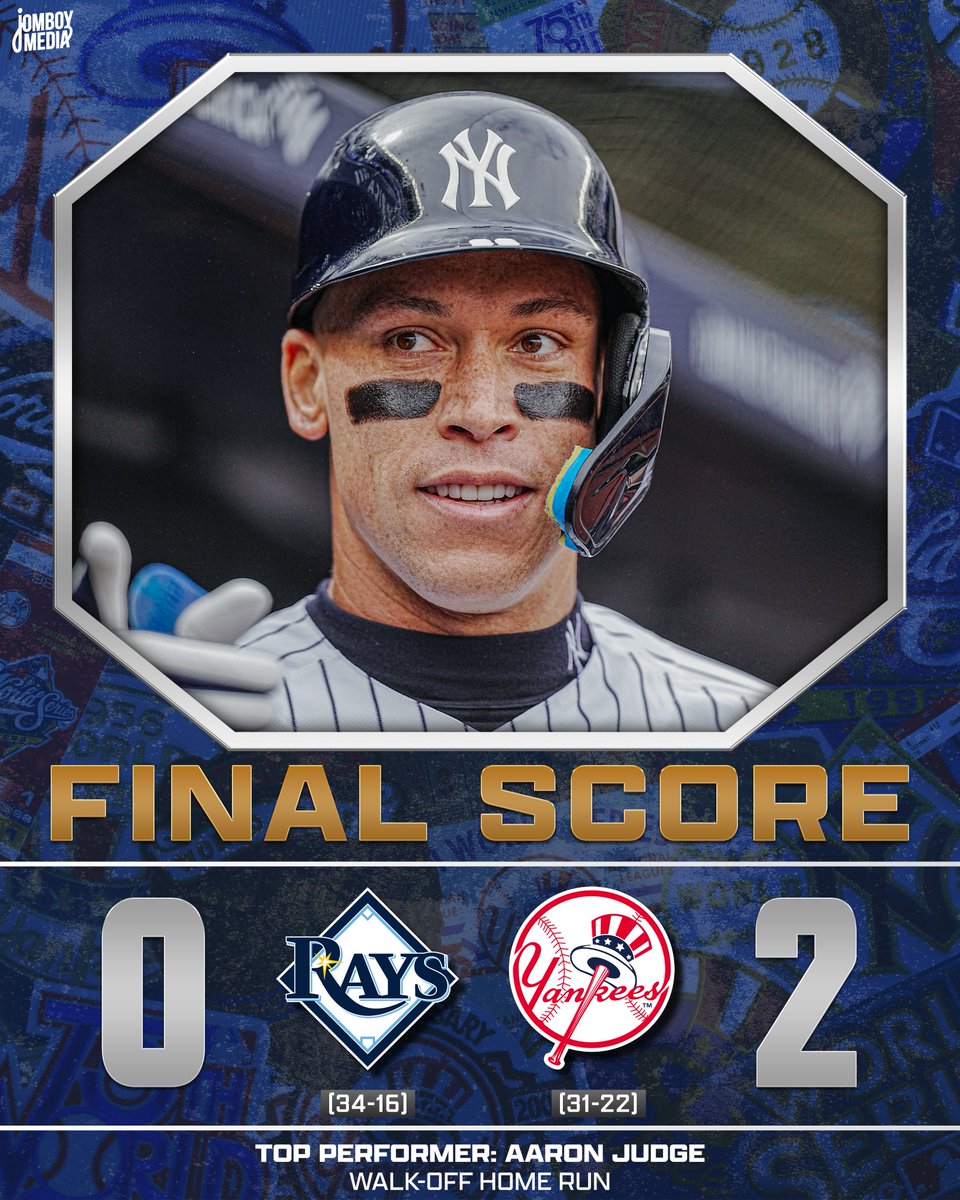
The Captain came through when we needed him most
Talkin' Yanks tweet media
English
32
226
4.6K
69.5K
Gerry McMahon retweetledi
Talkin' Yanks
Talkin' Yanks@TalkinYanks·
AARON JUDGE WALK OFF HOME RUN!!!!!!!!!!!!
English
100
890
10.4K
261.7K
Gerry McMahon retweetledi
Richard Johnson
Richard Johnson@RichJohnsonNFL·
The #Giants have unveiled their alternate uniforms for the 2026-2027 NFL season:
Richard Johnson tweet media
English
802
1.3K
11.3K
471.8K
Gerry McMahon retweetledi
Diego Sánchezz.
Diego Sánchezz.@HombreMaestrx·
Matt Damon dijo que la razón por la que se unió a Ford v Ferrari fue para trabajar con Christian Bale. Acababa de terminar Vice a 109 kg, luego tuvo 7 meses para bajar 32 kilos y así interpretar a Ken Miles. Damon le preguntó cómo lo hizo. Bale: «Solo dejé de comer.»
Español
14
78
1.7K
156.5K
Gerry McMahon retweetledi
Barnaby Breaks History 🇺🇸
🇺🇸 Most Badass Presidents: Combat Veteran Edition #7 Theodore Roosevelt Theodore Roosevelt, our 26th President, was one badass President. He is the only U.S. President ever awarded the Medal of Honor. Born October 27, 1858, in New York City. He was crippled by severe asthma as a child. When he was 12 years old, his father looked him in the eye and said, "You have the mind, but you have not the body. You must make your body." Roosevelt took this literally. He built a gym in his home and began weightlifting, hiking, and boxing to transform his frail frame. When war with Spain erupted in 1898 he was working as the Assistant Secretary of the Navy. He quit his post and personally recruited and trained the 1st U.S. Volunteer Cavalry. They were a wild mix of cowboys, athletes, Native Americans, and Ivy Leaguers. They would become the Rough Riders. Roosevelt was commissioned lieutenant colonel but soon took full command as colonel. He had his own uniform privately tailored by the high-end retailer Brooks Brothers in Boston. They got to Cuba on June 22, 1898 and waded ashore through the surf. Their first action occurred at the Battle of Las Guasimas. Roosevelt led his squadron along a high-ridge trail to strike the enemy's right flank. He survived a close call when a bullet struck a tree inches from his cheek. The impact sprayed wooden splinters into his face. On July 1, 1898, at the Battle of San Juan Hill, Roosevelt and his men were pinned down under a heavy Spanish artillery barrage. A fragment of shrapnel from an exploding shell sliced into his wrist. He ignored the injury, bled through a temporary dressing, and eventually got orders to attack. He unleashed a furious, highly aggressive assault. He mounted his warhorse ‘Little Texas’ that he purchased directly from the U.S. Army Quartermaster and moved forward. They encountered regular U.S. Army infantry troops who had been ordered to hold their positions. Roosevelt yelled to their commander, "If you guys won't lead, get out of the way so my men can pass!" When the officer hesitated, Roosevelt said, "Then let my men through, sir!" and surged past them. He drew his revolver, waved his hat, and yelled for his men to follow him. As they charged across the open valley, Roosevelt was the only man riding a horse. He was a massive target. Forty yards from the crest of Kettle Hill, he ran directly into a thick barbed wire fence. As he scrambled off Little Texas to clear the wire, a Spanish bullet grazed his left elbow. He tied his horse to the fence and charged the remaining distance on foot. Roosevelt was one of the first three men to reach the trenches at the top of Kettle Hill. He personally shot and killed a Spanish soldier using his revolver. Next he set his sights on San Juan Hill. He yelled for a second charge, but in the din of battle, only five men heard him. Three were instantly shot down. Roosevelt ran back down the hill and rallied a larger force of soldiers. They stormed up the steep slopes of San Juan Hill, overwhelmed the final Spanish positions and secured the heights above Santiago. He was immediately recommended for the Medal of Honor but denied for political reasons. It was finally awarded posthumously in 2001. By late July, nearly 80% of the American force was infected or sick with malaria, yellow fever, and typhoid fever. Roosevelt broke military protocol and drafted the famous "Round Robin" letter. It demanded that the government immediately evacuate the troops before the entire army died of disease. This pressure forced Washington to pull the troops out. He had spent 46 days in Cuba. Roosevelt brought Little Texas back home to live out his days peacefully at his Sagamore Hill estate. He fought for the Republic before he ever stepped foot in the White House. Thank you, Mr. President! 🇺🇸🫡
Barnaby Breaks History 🇺🇸 tweet media
Barnaby Breaks History 🇺🇸@CorpBarnaby

🇺🇸 Most Badass Presidents: Combat Veteran Edition #8 John F. Kennedy John F. Kennedy, our 35th President, was one badass President. His boat was sliced in half by a Japanese destroyer. He then swam miles towing a badly burned crewman with his teeth to save him. Born May 29, 1917, in Brookline, Massachusetts. Kennedy tried to enlist but was rejected because of a chronic and severe back injury along with debilitating gastrointestinal illnesses. Refusing to sit out the war, he used family connections to get in. He became a lieutenant in the Navy. He commanded PT-109 in the Solomon Islands in 1943. In the darkness of night of August 2, 1943, a Japanese destroyer slammed into his boat at full speed and cut it in two. Two crewmen were killed instantly. Kennedy was thrown hard into the cockpit and reinjured his back badly. Kennedy and his ten surviving crew clung to the wreckage for hours. It began to sink. One man, Patrick McMahon, was badly burned and could barely swim. Kennedy gripped the strap of McMahon’s life jacket in his teeth and swam more than three miles in four hours through rough seas to the nearest island. The crew spent days stranded, moving between tiny islands. Kennedy swam out into dangerous coral channels at night, searching for passing American boats. He eventually encountered two native Solomon Islander scouts. Lacking any paper, Kennedy used a pocket knife to carve a rescue message into a green coconut shell: "NAURO ISL COMMANDER NATIVE KNOWS POSIT HE CAN PILOT 11 ALIVE NEED SMALL BOAT KENNEDY" The scouts paddled through enemy-controlled waters to deliver the coconut to an Allied base. They were finally rescued after six days. Kennedy later took command of PT-59 and continued combat patrols. He was awarded the Navy and Marine Corps Medal for heroism and the Purple Heart for his wounds. He was the only U.S. president to receive the Purple Heart. He fought for the Republic in the Pacific long before he ever stepped foot in the White House. Thank you, Mr. President! 🇺🇸🫡

English
19
128
637
76.1K
Gerry McMahon retweetledi
History With Jacob
History With Jacob@HistoryWJacob·
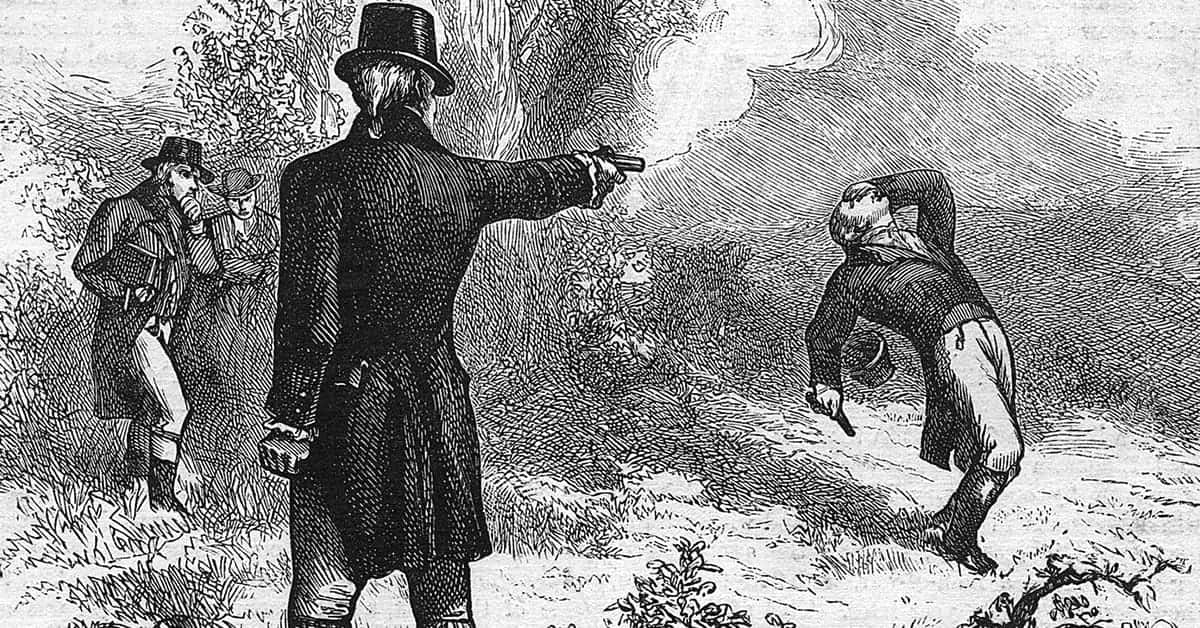
Before becoming President, Andrew Jackson killed a man in a duel for insulting his wife. The man shot first and hit Jackson near the heart. Jackson calmly took aim and fired back. "If he had shot me through the brain, sir, I should still have killed him."
History With Jacob tweet media
English
20
48
1.3K
25.3K
Gerry McMahon retweetledi
Michael Warburton
Michael Warburton@For_Film_Fans·
The mighty GARY OLDMAN on “great direction” and Christopher Nolan…
English
0
3
45
1.9K
Gerry McMahon retweetledi
syd✨
syd✨@veepthroat·
He really is the best guy :’)
syd✨ tweet media
English
27
949
12.8K
113.8K
Gerry McMahon retweetledi
Natalie F Danelishen
Natalie F Danelishen@Chesschick01·
I always think of this quote on memorial weekend.
Natalie F Danelishen tweet media
English
393
10.4K
83.6K
1.2M
Gerry McMahon retweetledi
Movie Moments Analyst
Movie Moments Analyst@Movies_analyst·
Before Falling Down (1993), Michael Douglas planned to take a break after shooting 2 films back to back until Joel Schumacher told him to read the script, which Douglas liked the script so much that he even accepted a lower salary and still considers it his favorite performance.
English
122
397
6.4K
523.5K
Gerry McMahon retweetledi
David Axelrod
David Axelrod@davidaxelrod·
"After Trump, the urgent task for the American republic will be to turn norms into statutes, curtail the ethical immunities of the presidency and find legal ways to ensure that the highest public office in the world can never again become a platform for family business."
Fareed Zakaria@FareedZakaria

Trump's 2nd term differs greatly from his first in a crucial way -- It is relentlessly MONETIZING the presidency. washingtonpost.com/opinions/2026/…

English
311
1.2K
4.1K
180.5K
Gerry McMahon retweetledi
The Husky
The Husky@Mr_Husky1·
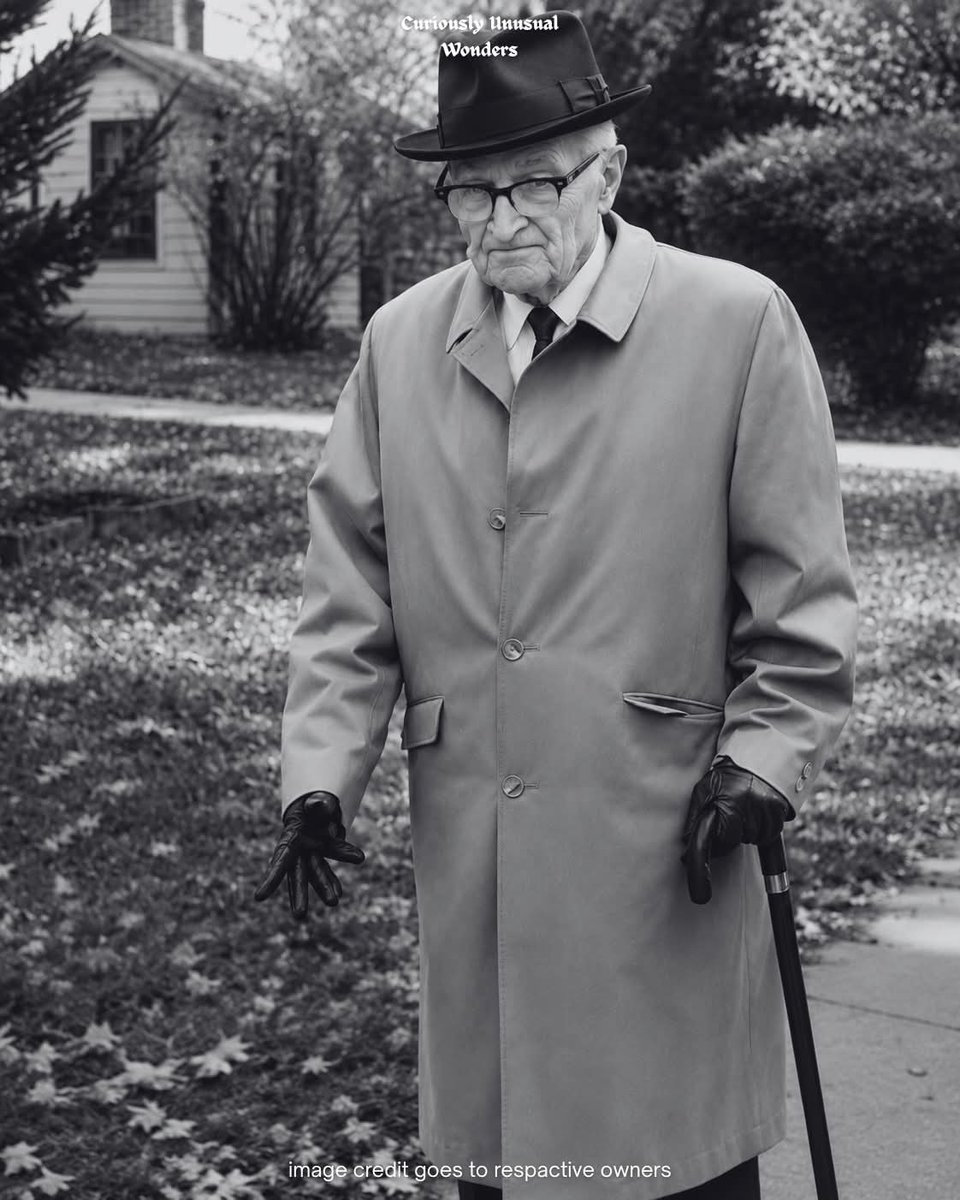
Harry Truman left the White House with almost nothing. No large fortune. No presidential pension. No motorcade waiting to carry him into retirement. On January 20, 1953, Harry and Bess Truman climbed into their own Chrysler and drove themselves home to Independence, Missouri. His approval ratings were low. Critics called his presidency a failure. Much of Washington was relieved to see him leave office. What shocked many people later was how little money a former president actually received at the time. Truman’s only steady income came from a small Army pension worth just over one hundred dollars a month. Financial pressure became so serious that he reportedly needed bank loans simply to cover daily living expenses. The situation became so embarrassing for the country that Congress eventually created pensions for former presidents. But Truman never spent his retirement chasing sympathy or public praise. Back in Independence, he returned to a simple routine. He walked through town without heavy security. He answered his own telephone. He personally responded to letters from ordinary Americans. On his desk remained the famous sign: “The buck stops here.” While Truman lived quietly, the impact of his presidency continued growing. The Marshall Plan helped rebuild Europe after World War II. The Truman Doctrine became a foundation of American Cold War policy. In 1948, he ordered the desegregation of the United States military despite fierce political opposition. When General Douglas MacArthur publicly challenged presidential authority during the Korean War, Truman removed him from command, protecting civilian control of the military even though the decision damaged his popularity. Then history delivered one final moment of recognition. In 1965, President Lyndon B. Johnson traveled to the Truman Library to sign Medicare into law. During the ceremony, Johnson handed the first Medicare cards to Harry and Bess Truman. It carried special meaning because Truman had pushed for national health insurance decades earlier and faced enormous backlash for it at the time. By the end of his life, public opinion had changed dramatically. The man once dismissed as weak and unpopular came to be viewed as one of the most consequential presidents of the twentieth century. Harry Truman never chased applause. He simply accepted responsibility for difficult decisions and lived long enough to see history reconsider them. Story based on historical records. This post is for educational purposes.
The Husky tweet media
English
175
1.3K
5.5K
233.5K
Gerry McMahon retweetledi
All The Right Movies
All The Right Movies@ATRightMovies·
In 2001, ROBIN WILLIAMS visited Koko the gorilla. Koko had been grieving the loss of her companion and hadn’t smiled in months, but Williams made her laugh. Years later, when Koko was told of RW's death, she signed “ I cry”.
English
7
51
609
45K