Sabitlenmiş Tweet

I write about @SamAllberry, the Evangelical who posed as an anti-gay speaker to great acclaim. All along, he was having a romantic relationship. medium.com/belover/the-ev…
English
Jonathan Poletti
2.3K posts

@Belover
I watch religion. https://t.co/BXK2zm5H1x https://t.co/3IWp8wkRL0
I write about @SamAllberry, the Evangelical who posed as an anti-gay speaker to great acclaim. All along, he was having a romantic relationship. medium.com/belover/the-ev…
I write about @SamAllberry, the Evangelical who posed as an anti-gay speaker to great acclaim. All along, he was having a romantic relationship. medium.com/belover/the-ev…
I reject love languages because it was a theory formulated by a racist, white, cishet, Christian man. Why do yall think yall always wondering why men’s love languages are physical touch or acts of service? Lol walk with me




Joe Rogan: "If God's real, he made gay people..."





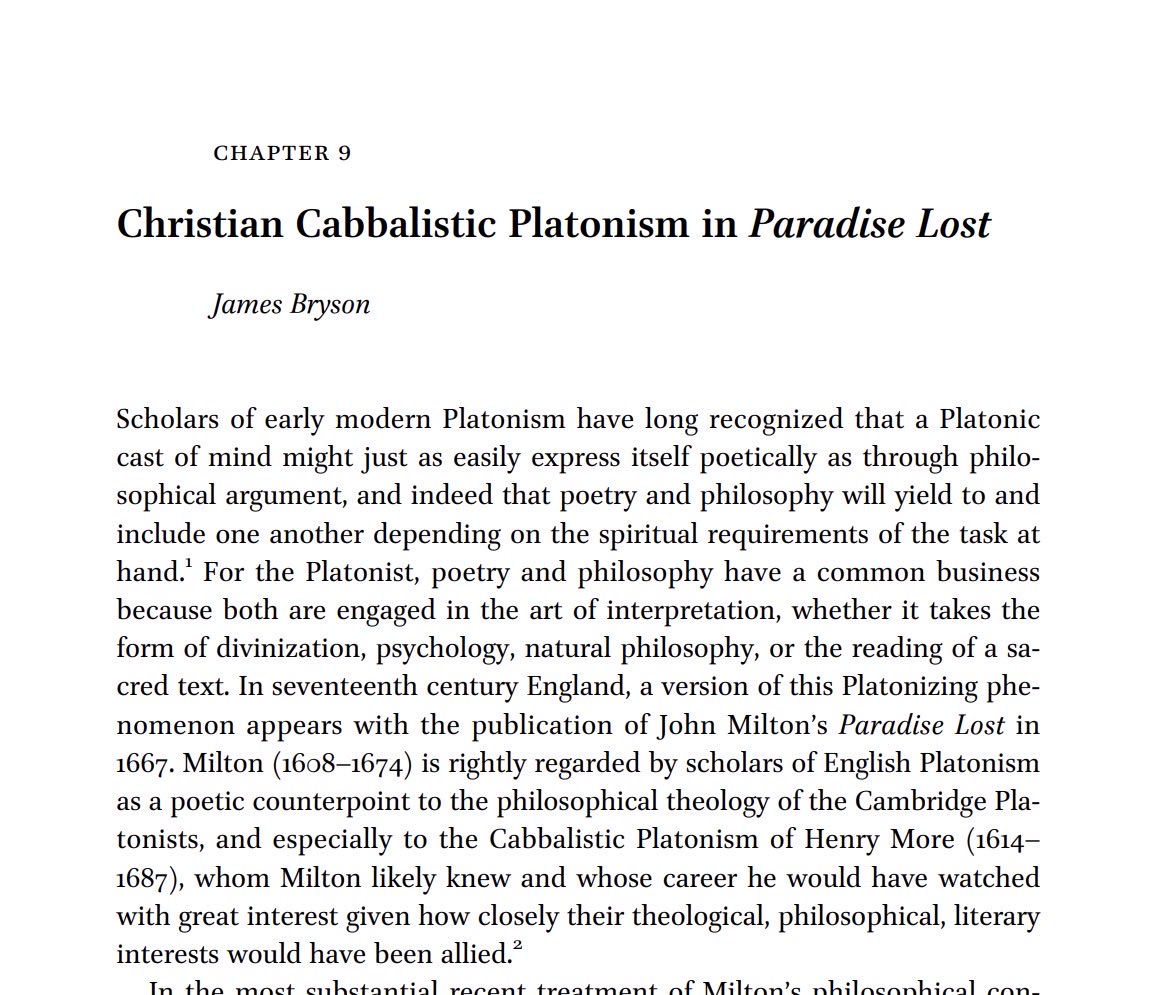

Anna Paulina Luna knows A LOT about the Book of Enoch. 👀 Enoch talks about the fall of angels, angels mixing with mankind, and introducing technology etc. 👽 Luna confesses to being sworn into office on the Ethiopian Orthodox bible which still contains the book of Enoch.

The lost ancient practice of communal sleep. Until mid-19th Century, it was completely normal to share a bed with friends, colleagues and even total strangers... In 1187, a medieval prince slipped into his grand wooden bed, accompanied by a new companion. With a thick mane of auburn hair and strapping frame, Richard the Lionheart was the ultimate macho warrior, renowned for his formidable leadership on the battlefield and knightly conduct. Now he had formed an unexpected friendship with a former enemy – Philip II, who ruled over France from 1180 to 1223. Initially, the two royals had forged a purely pragmatic alliance. But after spending more time together, eating at the same table and even out of the same dish, they had become close friends. To cement the special relationship between themselves and their two countries, they agreed to a peace treaty and slept alongside each other, in the same bed. Despite the modern connotations of two men sharing a bed, at time this was entirely unremarkable – appearing almost as a casual aside in a contemporary chronicle on the history of England. Long before the expectation of night-time privacy or more recent ideas about manliness, many historians view the two royals' nightly partnership as a sign of trust and brotherhood. This is the forgotten ancient practice of communal sleep. For thousands of years, it was completely normal to flop down in bed each night alongside friends, colleagues, relatives – including the entire extended family – or travelling pedlars. When on the road, people routinely found themselves lying next to total strangers. If they were unlucky, this outsider might come with an overwhelming stench, deafening snoring – or worse, a preference for sleeping naked. Sometimes, "social sleeping" was simply a pragmatic solution to a shortage of beds, which were highly valuable pieces of furniture. But even the nobility actively sought out bedfellows for the unparallelled intimacy of night-time chats in the darkness, as well as warmth and a feeling of security. How did people navigate a night of communal sleeping? And why did this ancient practice stop? In 2011, a team of archaeologists uncovered an unusually well-preserved layer of prehistoric sediment at Sibudu Cave, South Africa. It contained the fossilised remains of leaves from the forest tree Cryptocarya woodie, which formed the "top sheet" of a foliage mattress constructed in the Stone Age, some 77,000 years ago. As project leader Lyn Wadley speculated at the time, the mattress may have been large enough for a whole family group. Direct evidence for communal sleep is hard to come by, but it's thought that this practice is truly ancient – in fact, from a historical perspective, the modern preference for sleeping alone and in private is deeply weird. After a brief lapse in antiquity, during which even married members of the upper classes slept alone, the practice made it through the medieval age more or less intact. However, records of this activity are most abundant in the early modern period – roughly from 1500 to 1800. In this era, bedsharing was extremely common. "For most people, with the exclusion of aristocrats and well-to-do merchants, as well as some members of the landed gentry, it would have been unusual not to have had a bedmate," says Roger Ekirch, a university distinguished professor of history at Virginia Tech, Virginia, and the author of At Day's Close: A History of Nighttime. 📷 : In medieval era, the Biblical Magi – the Three Wise Men from the Christian Bible – were often depicted sleeping in the same bed (British Library) © BBC #archaeohistories

Ciertamente una subasta extraña la de Brescia. El lote 62, bellísimo Ecce Homo catalogado como anónimo de Esc. Holandesa y con una salida de 400 € estaba sin embargo claramente firmado y fechado por Cornelis Cornelisz van Haarlem (CvH), y en la trasera,y se remataba en 13.500 €