

Ben Maunder
13 posts
Ben Maunder
@ben_maunder22
Researcher in geodynamics with a thing for subduction.
Padstow, Cornwall, UK Katılım Eylül 2014
37 Takip Edilen52 Takipçiler
Ben Maunder retweetledi

Are you a geoscientist looking for a career outside of academia? We are hiring! We are broadly looking for someone with expertise in either cryosphere, hydrology, geomorphology, sedimentology or paleoclimate.
Closing date 24th Aug
career5.successfactors.eu/sfcareer/jobre…
English
@Cooper_geo @FaithfullJohn @VolColMac @VoiLA_NERC @nature Shucks. Though seriously, glad it's useful! A GIF is worth a thousand words and all that.
English
The @VoiLA_NERC paper that links it all together is published today, with @Cooper_geo at the helm :) check it out here: nature.com/articles/s4158…
English
@TMBelgrano @VoiLA_NERC I can see what you mean by just looking at it to be fair! But it is just from the upwelling (we track mantle depletion and take this into account and once this is done, you get this melting pattern: the outlines just show the regions where the most melting is occurring)
English

@ben_maunder22 @VoiLA_NERC Ok, this is the classic idea I’m familiar with, it’s just that the almost lenticular, vertical shape of that early melting along the leading edge of the broken slab makes it look like the mantle is being ‘stretched’ and decompression melting independent of advection/upwelling
English
Our paper on subduction initiation has just been published! Check it out if you want to see how a model driven by internal, vertical forces explains the rock record found at the Izu-Bonin-Marianas subduction zone.
Huge thanks to support from @VoiLA_NERC
Nature Communications@NatureComms
Rapid subduction initiation in the Izu-Bonin-Mariana arc was driven by internal vertical forces, which progressed into to self-sustained subduction As shown in new research from @ben_maunder22, @PrytulakJ and colleagues from @imperialcollege @DurUniEarthSci @uiowa @VoiLA_NERC
English
@TMBelgrano @VoiLA_NERC Thank you and cheers for reading! I guess the answer is kind of... both? As the edge of the Pacific plate sinks into the mantle asthenospheric material upwells to fill the gap that it leaves. Its this upwelling material that then melts via decompression to form FAB.
English
@ben_maunder22 @VoiLA_NERC Cool model! is the early vertical strip of FAB decompression melting in this model related to upwelling or directly due to tectonic extension?
English
@JrMuningan @VoiLA_NERC Thanks for reading our paper! At the time of initiation the Philippine Sea plate itself was very young therefore weak & buoyant (indeed, the isochrones suggest it was even actively spreading in the south- see fig. 1). Hope that helps answer, happy to discuss further.
English

@Kaersutite @FabianWadsworth @PrytulakJ @NatureComms A similar process! ...but what we're seeing here is the sinking of the whole Pacific plate beneath the Philippine Sea plate (initially separated by a transform fault): i.e. subduction initation.
English
@LNER Been forced 2 pay a £70 fee as my digital Railcard had recently expired. Rude conductor flat out refused 2 accept me renewing it there. Even goaded me when verifying the fee. Completely unacceptable 2 be spoken 2 in such a way as a paying customer making a genuine mistake
English
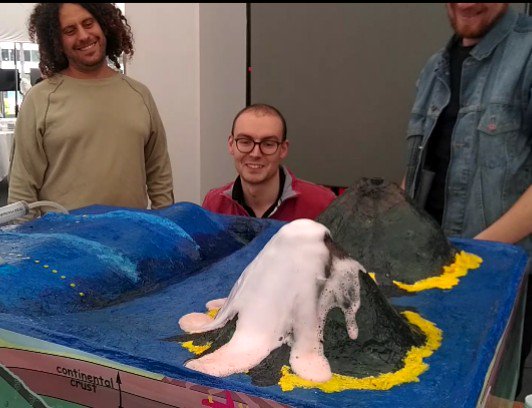
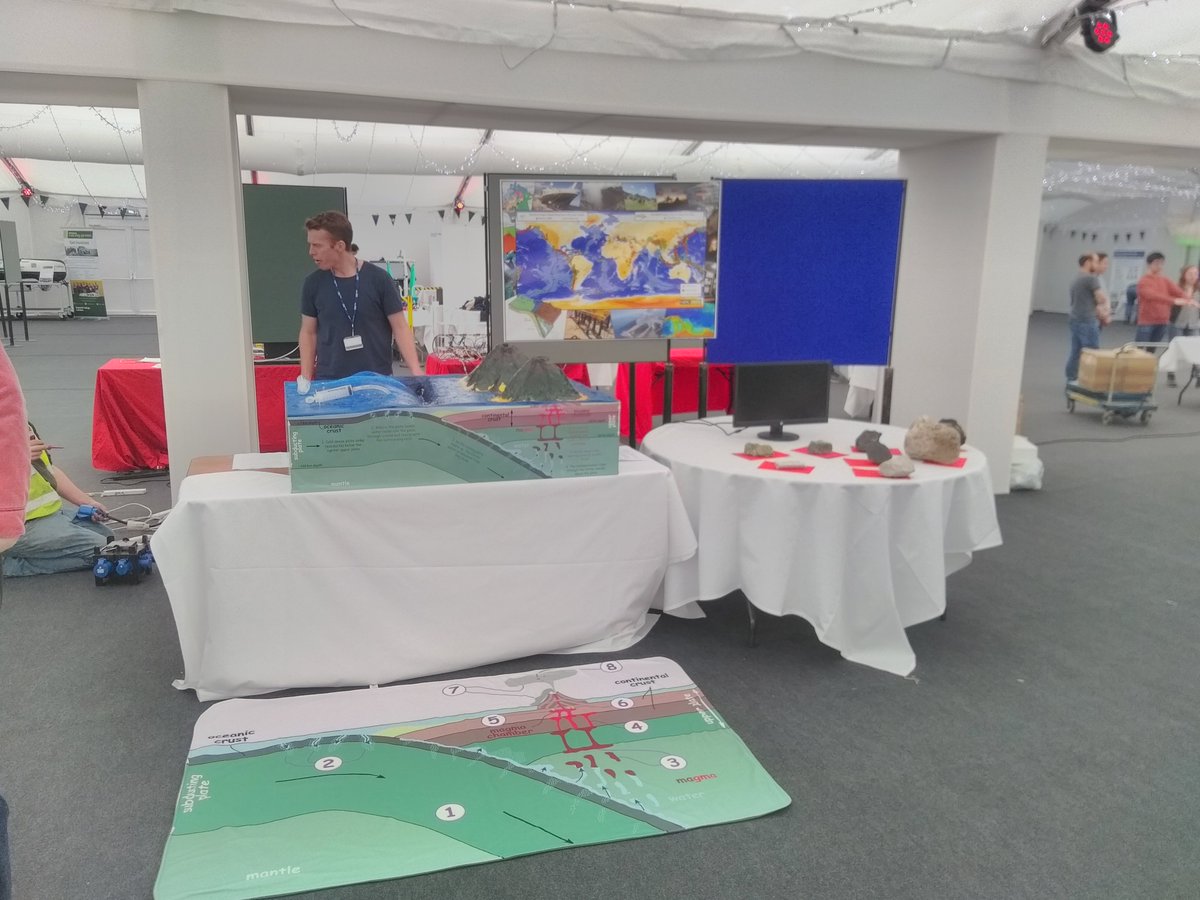

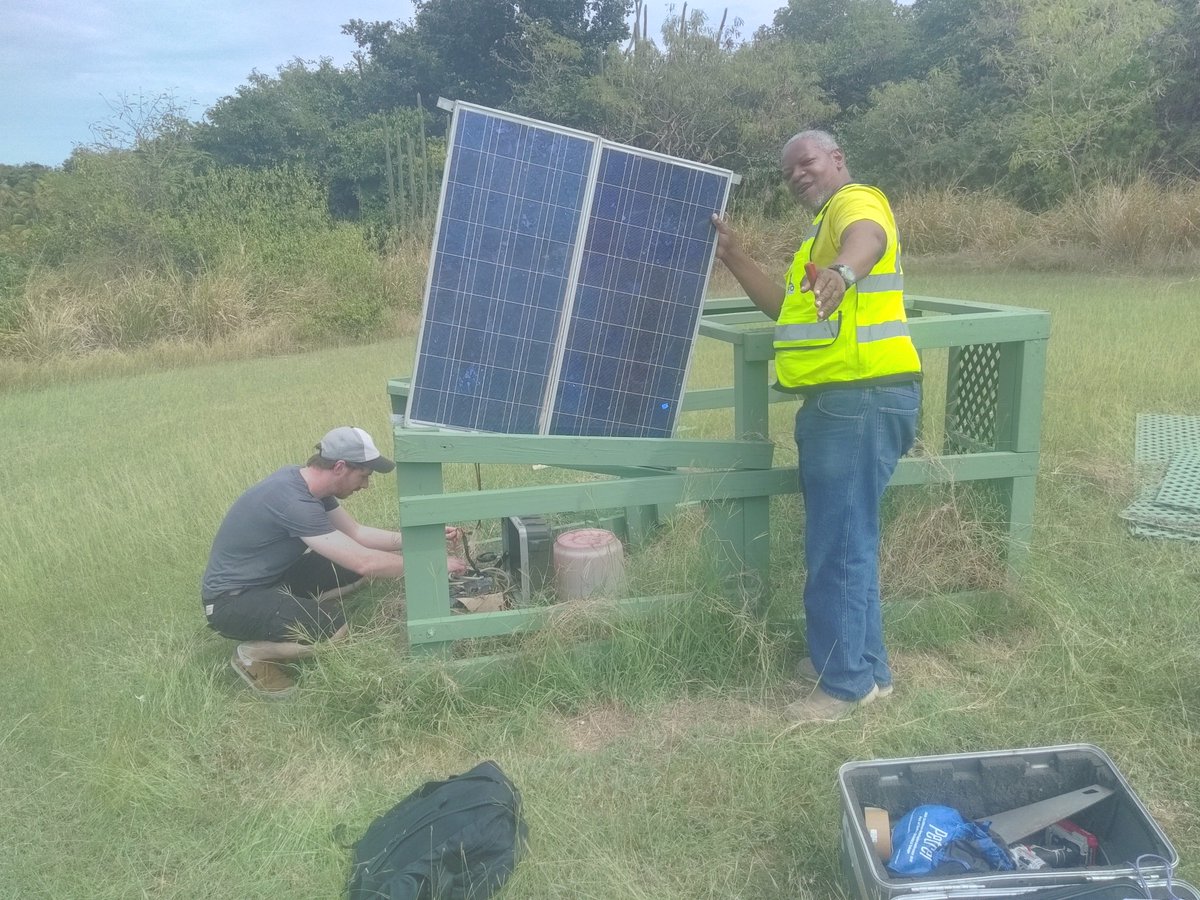
It's time to pack up the temporary stations on the Grenadines. Ben Chichester and Lloyd Lynch hard at work (we might have just had to cool down in the Caribbean sea afterwards) @VoiLA_NERC


English