li cie lian

4.4K posts

li cie lian banner
li cie lian

li cie lian

@beomguchi

✧・゚: *✧・゚:*.・゜゜・ Don't follow me ❤ ~ I only tweet about my faves

05L Katılım Aralık 2016
339 Takip Edilen32 Takipçiler
Sabitlenmiş Tweet
li cie lian
li cie lian@beomguchi·
💫Welcome to Pompompurin's page 💫
English
1
0
0
4.4K
li cie lian retweetledi
Arief Anshory Yusuf
Arief Anshory Yusuf@anshory72·
Kuznets never said inequality follows an inverted-U. He never even used that term. We've been misreading him for 70 years. New paper with @PeterWarr: "Structural Change and Income Inequality: Evidence from Thailand" 🔗 doi.org/10.1016/j.stru…
English
0
6
29
2.1K
li cie lian retweetledi
International and Monetary Economics Network
Super interesting! "Financial Liberalizations, Booms, and Crashes" by Maximilian Grimm, Moritz Schularick, and Emil Verner. "Financial liberalization is often seen as a way to deepen credit markets and stimulate economic growth, but it may also fuel credit booms that end in crisis. We construct a new cross-country database of banking regulation policies covering 21 regulatory indicators for 18 advanced economies since World War II. We distinguish liberalizations that directly relax constraints on credit supply from broader financial reforms. Liberalizations that directly affect credit supply lead to substantial expansions in private credit. Credit expansion is concentrated in non-tradable sectors and is not accompanied by higher interest rates or credit spreads in the short run, consistent with an outward shift in credit supply. Real GDP rises over the following 2 to 4 years, but the gains are temporary. On average, GDP returns to trend in the medium run, and there is an increase in the risk of financial crisis and worse downside growth outcomes. Only liberalizations that directly expand credit supply generate these boom-bust dynamics. Based on these estimates, financial liberalization is welfare-improving for coefficients of relative risk aversion below 7.2, a moderately high value." papers.ssrn.com/sol3/papers.cf…
International and Monetary Economics Network tweet media
English
4
290
823
198.3K
li cie lian retweetledi
Jostein Hauge
Jostein Hauge@haugejostein·
The notion that developing countries can bypass manufacturing — and leap straight to services instead — ignores how every major economy actually developed.
Jostein Hauge tweet media
English
53
695
2.4K
78.9K
li cie lian retweetledi
Jahen F. Rezki
Jahen F. Rezki@jahenfr·
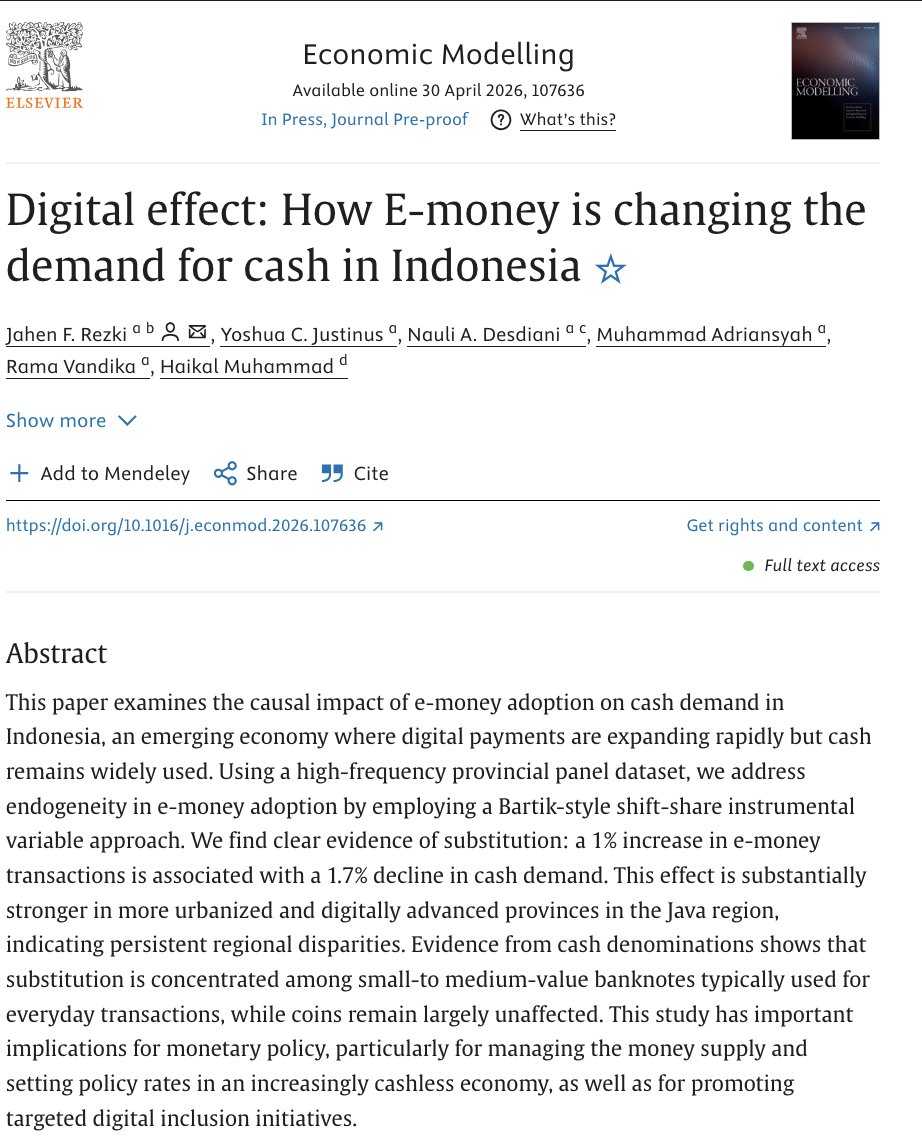
We study the impact of e-money on cash demand in Indonesia. E-money adoption is associated with lower cash demand. Moreover, the effect is heterogeneous across regions and denominations. Happy reading! doi.org/10.1016/j.econ…
Jahen F. Rezki tweet media
English
10
418
1.6K
57.2K
li cie lian retweetledi
uno 🇵🇸
uno 🇵🇸@kartuuuno·
The high quality bro😭 i’m on my knees
uno 🇵🇸 tweet mediauno 🇵🇸 tweet mediauno 🇵🇸 tweet mediauno 🇵🇸 tweet media
EWTN News@EWTNews

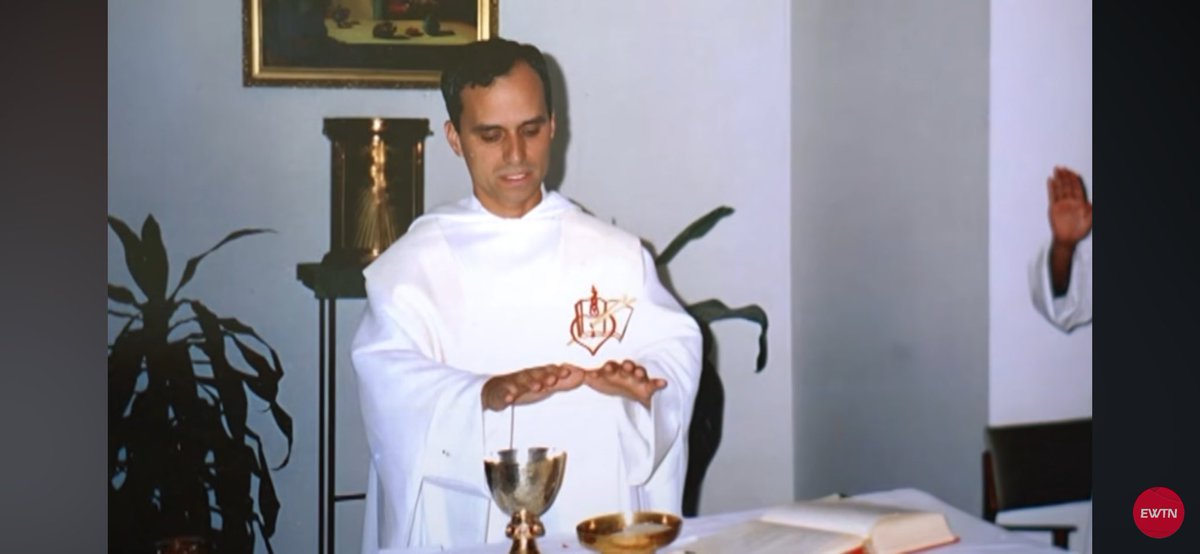
EWTN will premiere a one-hour documentary titled “Pope Leo’s Peru” on May 1. Produced by EWTN News, the program will offer an in-depth look at the years Pope Leo XIV served as a missionary in the South American country. Jonathan Liedl, EWTN News correspondent and managing editor of the National Catholic Register, takes viewers to northern Peru to take a look at the communities the Holy Father served. These cities include Chulucanas, where the then-young priest had his first missionary experience; the city of Trujillo, where he grew as a pastor; and the Diocese of Chiclayo, where he served as bishop. Through on-location reporting, interviews, and local testimonies, the documentary highlights the impact of the pope’s ministry among the many parish communities and those on the margins and captures the perspectives of those who knew him best during those years. “The word I heard over and over from Peruvians who had known Pope Leo is that he was ‘un amigo’ — a friend,” Liedl said in a press release. “From soup kitchen volunteers to cathedral rectors, former altar servers to fellow bishops, Pope Leo drew close and listened to everyone, leading others more deeply to Christ in the process.” The documentary also depicts a portrait of a local Church that helped form a global shepherd, providing context for Pope Leo XIV’s priorities as he leads the universal Church today. “As we near the one-year anniversary of Pope Leo XIV’s election, this news special helps us reflect on the experiences that he brings into his papacy,” said Montse Alvarado, president of EWTN News. “From his emphasis on the poor to his focus on healing divided communities, it’s clear that the good work he began in Peru has carried over to how he now leads us all from Rome. Understanding the Holy Father’s heart is the essence of this report.” “Pope Leo’s Peru” will air on EWTN on May 1 at 8 p.m. ET and will be available on EWTNNews.com and the EWTN News YouTube channel. ewtnnews.com/world/us/ewtn-…


English
3
105
1.8K
60.6K
li cie lian retweetledi
✞ Richard ✞
✞ Richard ✞@Richard_gh1·
Always Jesus.
✞ Richard ✞ tweet media
English
15
197
4.4K
23K
li cie lian retweetledi
Faris Abdurrachman
Faris Abdurrachman@farisrachman_1·
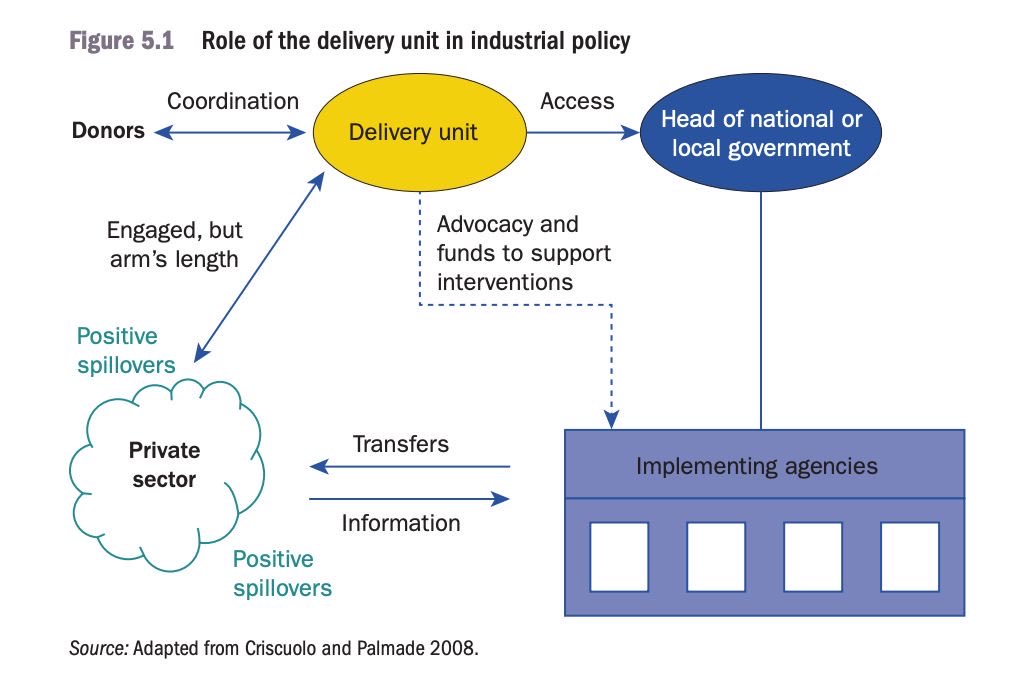
Salah satu policy error pemerintahan sekarang adalah membubarkan Kemenkomarves. Andaikan Marves masih ada, udah bisa jadi MITI Jepang-nya kita. Marves effectively udah jadi industrial policy delivery unit kita. Sumber: World Bank
Faris Abdurrachman tweet media
Indonesia
5
59
277
29K
li cie lian retweetledi
Radja Thaher
Radja Thaher@radjathaher·
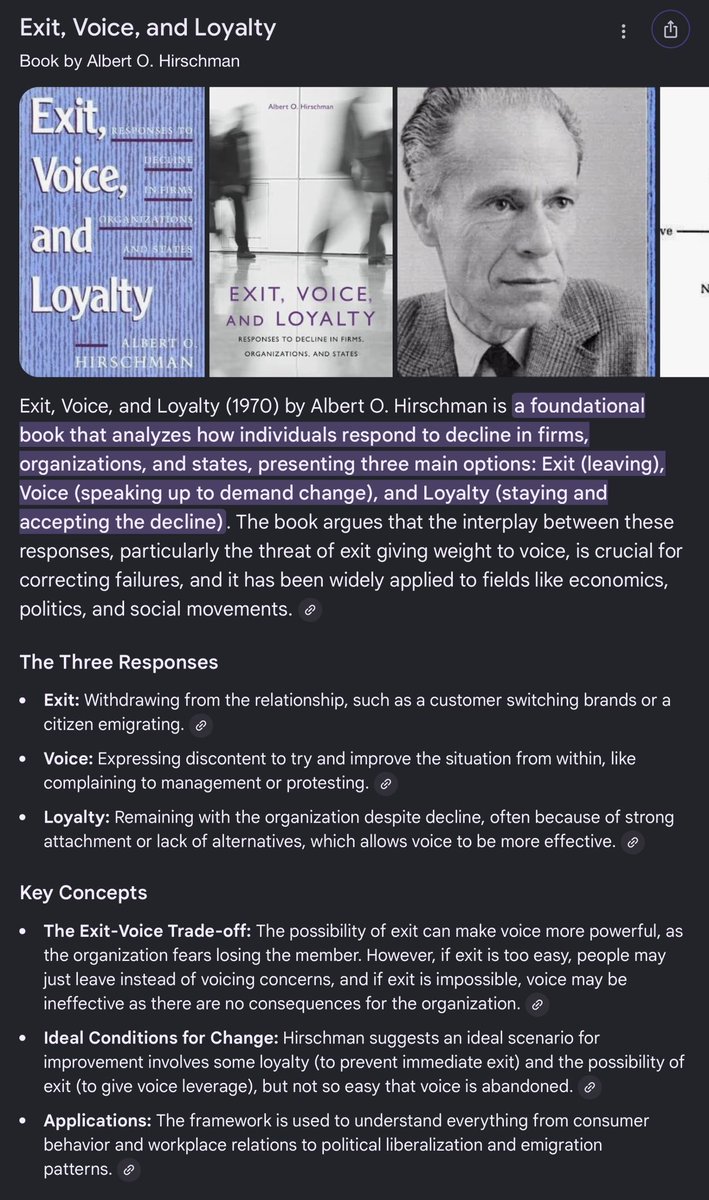
KaburAjaDulu movement as a protest statement have zero leverage because the regime structurally survives on rentier economics, not income tax of highly educated professionals. Brain drain will actually *stabilize* the regime. As Hirschman noted in Exit, Voice, and Loyalty (1970), Prabowo’s response is typical of a lazy monopolist: when an organization that does not depend on its quality-conscious members, their exit is welcomed, not feared, because it removes voice without imposing cost. The regime will be relieved and adapt to the remaining citizens who are much more compliant and less demanding. If you want change, you should try your luck at credible threat of capital flight (not brain drain) to discipline the regime, as the recent MSCI scare triggerred their actual panic
Radja Thaher tweet media
i-Pop HQ@iPopHQ

Prabowo says “smart” people are free to leave if they believe the nation is moving toward a “dark age”: “Matanya buram, Indonesia gelap. Indonesia terang. Ada yang mau kabur, kabur saja. Kau kabur saja ke sana. Mungkin ada yang mau kabur ke Yaman. Silakan. Mau kabur ke mana. Hei orang-orang pintar, bukalah berita, lihatlah kita ditempatkan sebagai tempat yang paling aman di dunia sekarang. Kabur saja deh. Iya, kabur saja, biar kita enggak gaduh.” (nasional.kompas.com/read/2026/04/2…)

English
33
556
1.6K
72.5K
li cie lian retweetledi
Karthik Tadepalli
Karthik Tadepalli@karthiktadepall·
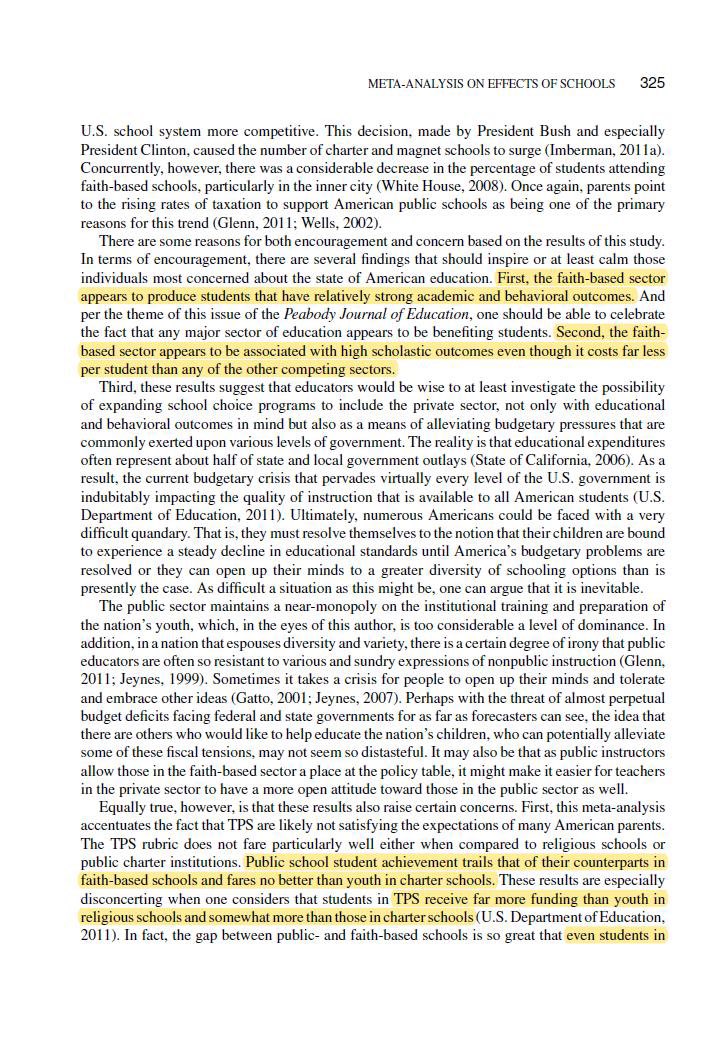
After a long break, I'm back to devposting! I argue that the development econ focus on "institutions" was a mistake – not (just) because the evidence was bad, but because the concept of "good institutions" is tautological and uninformative for policy.
Karthik Tadepalli tweet media
English
29
185
1K
66.3K
li cie lian retweetledi
Math Files
Math Files@Math_files·
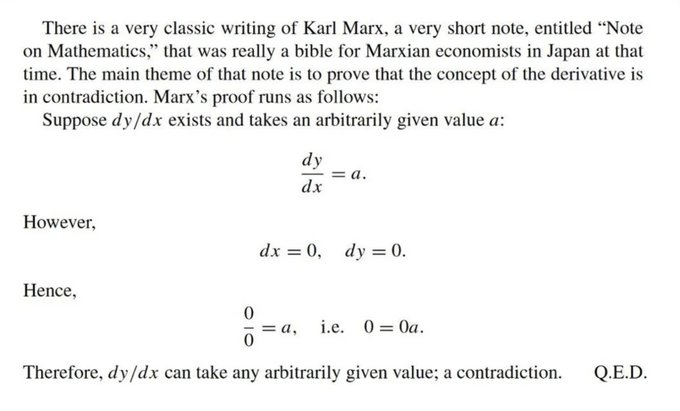
Karl Marx proof
Math Files tweet media
English
68
46
674
214.6K
li cie lian retweetledi
Bruno Miller Theodosio
Bruno Miller Theodosio@bruno_mt·
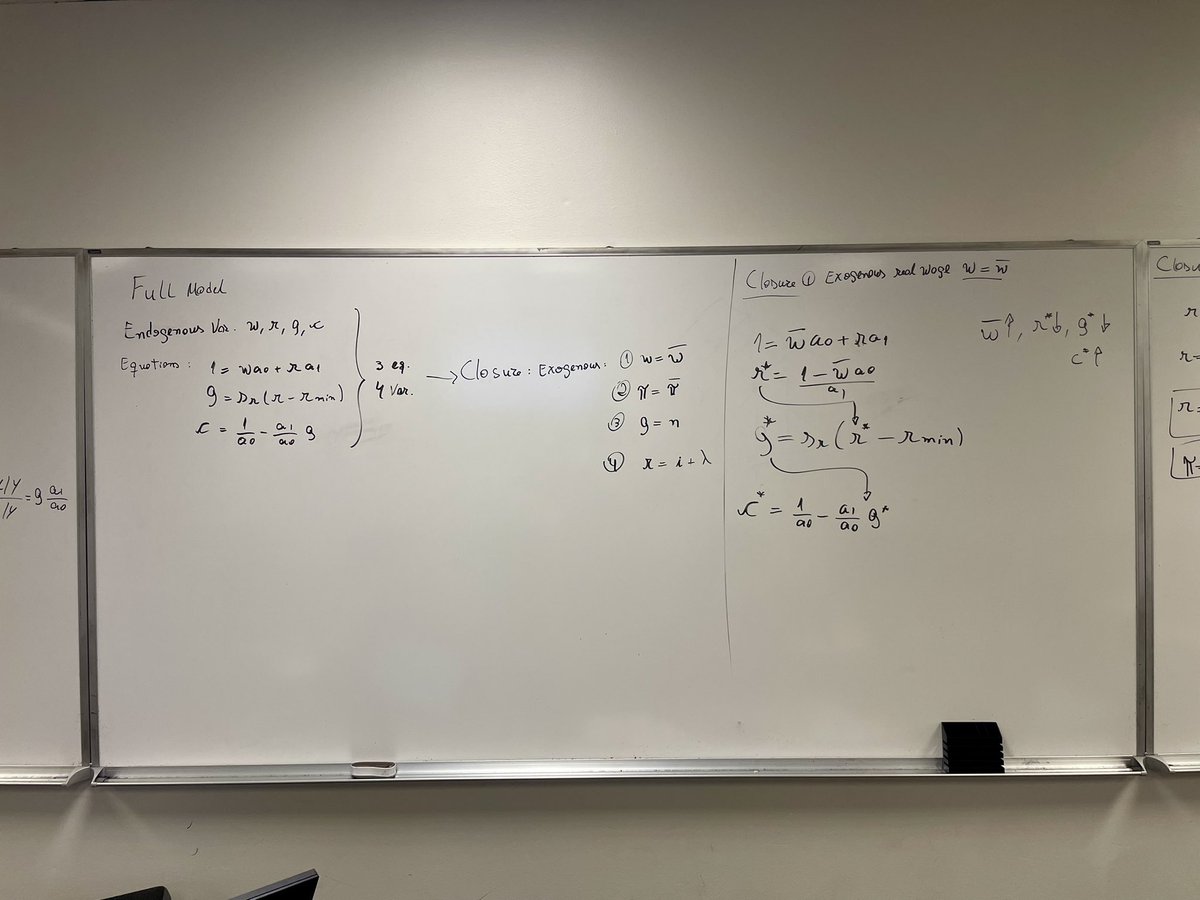
Classical-Marxian model in my Heterodox Macro course at The University of Tulsa. Its four closures come from different theoretical traditions: Marxian fixed real wage, Golden Age fixed wage share, labor-reserve constant unemployment, and Sraffian/financial exogenous profit rate.
Bruno Miller Theodosio tweet mediaBruno Miller Theodosio tweet mediaBruno Miller Theodosio tweet media
English
7
15
182
22.7K
li cie lian retweetledi
KingoftheCoast
KingoftheCoast@kingofthecoastt·
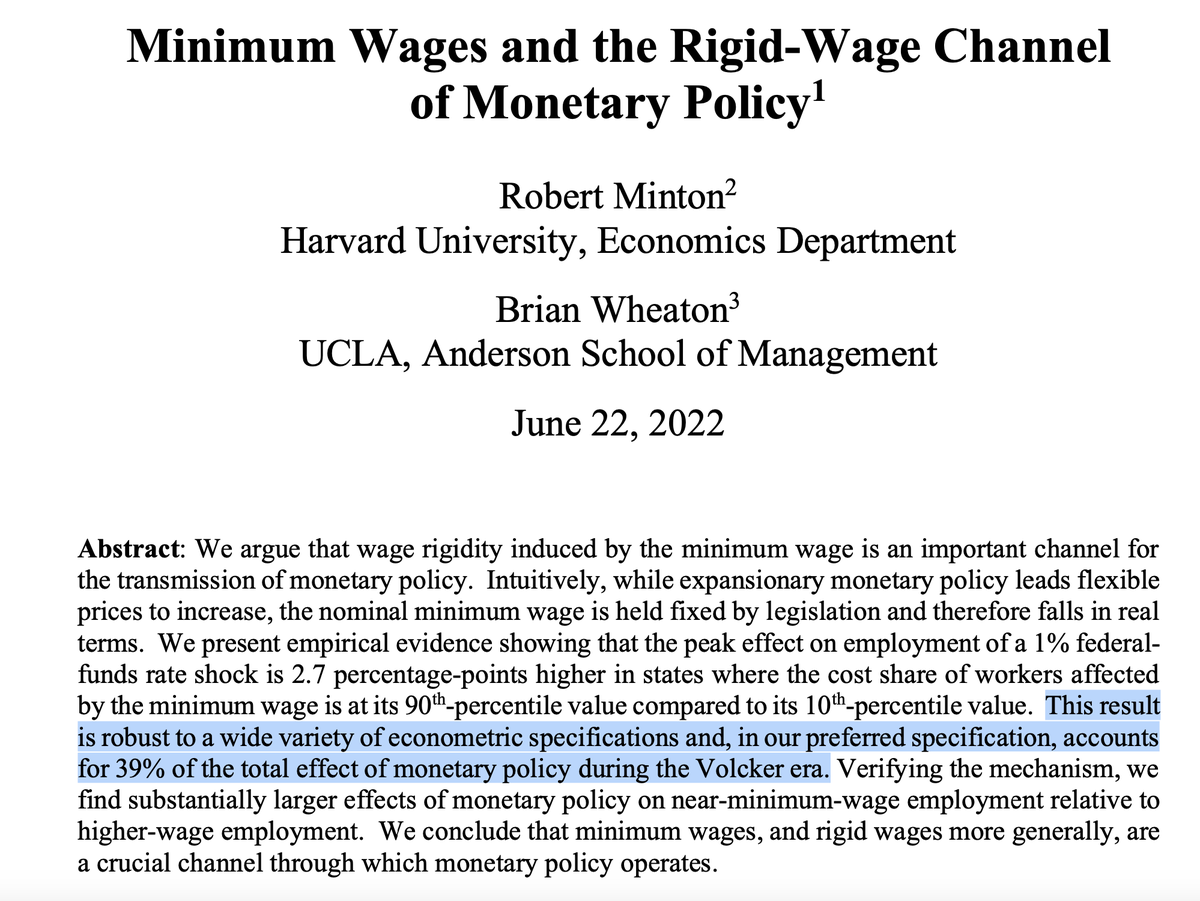
One theory for why the Volcker Shock was so devastating to US employment is that we had a very high federal minimum wage. When demand collapsed, the inability to adjust nominal wages down completely nuked the lower-end of the labor market.
KingoftheCoast tweet media
BluRadio Colombia@BluRadioCo

#Atención El presidente Gustavo Petro advirtió que si el Banco de la República sigue subiendo las tasas de interés, su Gobierno volverá a aumentar el salario mínimo.

English
9
15
150
10.8K
li cie lian retweetledi
Khazbi Budunov
Khazbi Budunov@foscaecon·
Khazbi Budunov tweet media
ZXX
5
33
133
17.7K