Anuradha

6.5K posts

Anuradha

Anuradha

@beyondcolours

Following or Repostings does not constitute endorsements. कबीरा खड़ा बाज़ार में, मांगे सबकी खैर, ना काहू से दोस्ती,न काहू से बैर -कबीर.

Jaipur Katılım Ocak 2011
909 Takip Edilen72 Takipçiler
Anuradha retweetledi
Aravind
Aravind@aravind·
Why should India be trusted? Just one of million reasons: Recently Indian Army officers Lt Col Urmimala Battacharya & Lt Col Kirti Sethi managed to save a life onboard an Ethiopian Airlines flight during an emergency. They were on their way to UN peace keeping mission in South Sudan, where India is a trusted third party peace keeper.
Aravind tweet media
English
59
1.6K
8.3K
128.8K
Anuradha retweetledi
Chitra Subramaniam
Chitra Subramaniam@chitraSD·
Every line in this piece is a gem. I couldn’t stop taking notes. @maryashakil makes the case that Helle Lyng the #Norwegian journalist who hurled a question about press freedom at the Indian Prime Minister is not the story. She had her two minutes in the sun making a mockery of what good #journalism is. I’d like to add that I don’t trust Press Freedom ratings or for that matter any ratings that come from western countries. Who gives these countries the right to judge everything and everyone? It can’t be one shoe fits all. They don’t know context which means they disrespect the difficulties journalists face in doing good reportage. As for #Norway topping the list, how many Norwegian journalists investigated the #EpsteinFiles once the truth started tumbling out? Several high officials politicians were on the list? Where were the follow ups? Hat 🎩 tip to you dear Marya for calling a spade a spade. I hope your piece will be read in newsrooms and beyond.
Marya Shakil@maryashakil

The story cannot become about the journalist. 
A shout is not the same as a question. 
And journalism is not performance art. My take on the Helle Lyng controversy, press protocols, and why serious journalism must remain bigger than viral moments. indiatoday.in/opinion/story/… Read here

English
6
15
49
17.4K
Anuradha retweetledi
ANI
ANI@ANI·
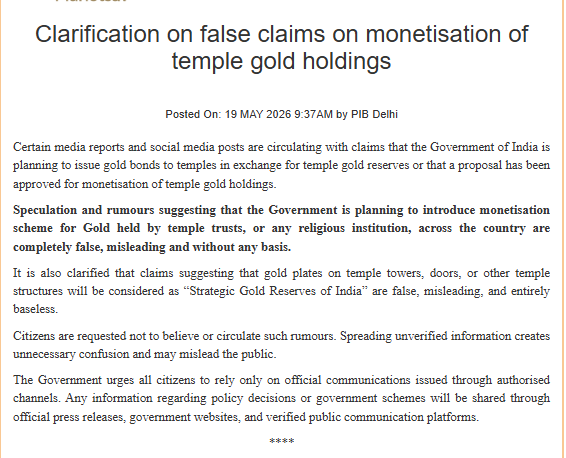
Speculation and rumours suggesting that the Government is planning to introduce monetisation scheme for Gold held by temple trusts, or any religious institution, across the country are completely false, misleading and without any basis: Ministry of Finance
ANI tweet media
English
29
457
1.3K
46.4K
Anuradha retweetledi
Elon Musk
Elon Musk@elonmusk·
Regarding the OpenAI case, the judge & jury never actually ruled on the merits of the case, just on a calendar technicality. There is no question to anyone following the case in detail that Altman & Brockman did in fact enrich themselves by stealing a charity. The only question is WHEN they did it! I will be filing an appeal with the Ninth Circuit, because creating a precedent to loot charities is incredibly destructive to charitable giving in America. OpenAI was founded to benefit all of humanity.
English
12.7K
26.9K
202.7K
34.2M
Anuradha retweetledi
Aravind
Aravind@aravind·
As I had warned, FT, Bloomberg, WSJ - what Trump calls "China Street Journal", CNBC, Reuters, NYT, BBC, DW, Guardian and many others will now do hit piece after hit piece on India and Modi. Brown Sepoys of these GLISCO-DS media and sell outs inside India will dance to their tunes and perform such pathetic pieces to entertain their masters. They will also use their networks in western nations, inside EU & UK's govts, judiciary, and administrations, to create and plant fake news reports of corruption and scams against Indian govt. Because they know the coming months, due to energy and other crises, are the best time to attack Modi and India to weaken both. Right now to next summer is the time every patriotic Indian, Indian organization, and company must offer unwavering support to the elected govt. India's biggest adversary influenced GLISCO-DS is coming for India. Once India is put into anarchy and political instability, they will come for India militarily by next summer. They tried this in 2020 after inciting protests and anarchy, after sending Covid, thinking India will be weak, but got a broken nose and blackened eye trying their misadventure. But they sure are going to try again this year to cause anarchy and govt instability in India. The GoI must also prepare and preempt this upcoming tsunami of attacks. No more adhoc and knee jerk reactions to their hit jobs using media, fake reports, and social media psyops. Acknowledge the DS, recognize it, train every diplomat and official to understand the real hidden hand behind, no matter attack seems to come from Europe, UK or US. And create a comprehensive strategy to fight their "war by other means" against India at the highest level now.
Aravind tweet media
Aravind@aravind

It's very clear seeing the leading signals on social media: Every news, and more fake news, are going to be used by the DS to instigate Indians against the PM and GoI in the coming months. It's going to be a barrage, no a deluge, of negative news (mainly Reuters, Bloomberg, WSJ, FT) and propaganda to try disillusion the most hardcore supporters. To prepare the base for protests and anarchy to try create govt instability in India. But they will fail in the end. Because these losers, the communists and islamists, don't get India.

English
257
2.4K
8.5K
308.2K
Anuradha retweetledi
Abhishek Singhvi
Abhishek Singhvi@DrAMSinghvi·
The tragic death of Twisha Sharma is an indictment of a society where too many women continue 2suffer cruelty, coercion &silence behind closed doors. If allegations of dowry harassment, forced abortion and abetment are true, it amounts to barbarity disguised as respectability
English
47
128
600
12.5K
Anuradha retweetledi
꧁༺ 𝓐𝓛𝓑𝓤𝓢 𝓑𝓡𝓘𝓐𝓝 𝓓𝓤𝓜𝓑𝓛𝓔𝓓𝓞𝓡𝓔 ༻꧂
Tinda has one of the worst image problems in Indian cooking. The moment someone hears the word, half their enthusiasm disappears on the spot. Children make faces. Adults suddenly remember they wanted paneer. And somebody inevitably says: "Hor koi subzi nahi si ghar ch?" Honestly, even I was not emotionally committed to tinde as a child. No child dreams about Bharwan Tinde. Nobody proudly tells his friends: "Aaj ghar bharwan tinde bane hain, jaldi ghar jaana hai." But age does strange things to taste. Somewhere later in life you realise that many dishes you ignored in childhood were carrying the deepest ghar wala comfort all along. Bharwan tinde belong firmly in that category. For me the memory begins with a very specific domestic moment. My mother standing near the kitchen counter. Tinde washed, dried and lined up in front of her. And the quiet, absolute authority with which she took over from there. Nobody else was allowed near that preparation. Not for the peeling, not for the cuts, not for the filling. I offered to help once and got shooed away so decisively that I never dared ask again. She was like that with everything she cooked. Irrespective of her mood, irrespective of what else was happening in the house or in her life, the moment she stood in that kitchen, the dish got her full attention and full honesty. No shortcuts. No half measures. No delegating the important parts. The dish deserved it and she gave it. Every single time. The preparation was unhurried by design. Tinde washed and dried carefully first. Then the peeling, slow and deliberate. Tops cut off cleanly. Then with a small knife she made deep cross slits inside each tinda, firm enough to hold the filling, careful enough not to split it open completely. Every single time came the same quiet warning, more to herself than to anyone else: "Dhyaan naal… zyada na katt dein, nahi te pakdeya hi khul jaan ge." Good Bharwan Tinde depend entirely on patience. Rush the preparation and the whole thing collapses during cooking. She understood this the way she understood most things in that kitchen, not from instruction but from years of quiet, honest attention. Bharwan Tinde happened in our house in two ways. Sometimes at my request. And sometimes on their own, born out of a very particular kind of maternal lament I came to recognise over the years. She would survey the kitchen and say with genuine resignation: "Ki kariye, koi subzi hi nahi. Haige mare tinde yaa tori, hor ki banawa." I learned very quickly that this was my moment. I would say, mummy bharwa tinde bana lo, tori rehan do. Tori was perfectly fine, I had nothing against tori. But bharwa tinde were in another category entirely and this was a chance not to be wasted. She would nod, already half decided, and the preparation would begin. She never made it feel like a compromise. Whatever the starting point, whatever the occasion, the dish that came out of that kitchen was always complete. The stuffing was serious business. Saunf, dhania powder, red chilli, haldi, amchur, salt, ajwain, and always, without exception, crushed anardana. My mother loved anardana in stuffed vegetables. According to her it brought life into otherwise dull things. The spices were roasted slightly before stuffing and that aroma alone told you lunch was going to be serious. Mustard oil went in next, just a little, directly into the stuffing. And immediately the kitchen changed character entirely. That sharp Punjabi ghar wali smell of warm mustard oil mixed with anardana and ajwain still takes me back forty years without any effort. It was around this time, while the stuffed tinde sat waiting and she began building the base, that she said something I never forgot. I must have made some careless remark about tinde always turning out dry. She looked up from the kadhai without any particular drama and said: "Bharwan tinde da matlab ai nahi ki sukhe bana daiye jede muh vich paan to baad gale vich chipak jaan. Aina noo masaledar banana sangni tari naal honi chahidi ai jiven palak mutton di hundi." She said it the way she said most important things, quietly, without repeating herself, and then went straight back to the cooking. But the gravy was only half of her thinking. The other half was the tinda itself. She was just as particular about how long it cooked as she was about everything else. Let it go a minute too long and she would shake her head before you even tasted it: "Tinde noo jaada pakana nahi, nahi te deh jaan de, te gal ke gara ho jaande." She believed that a properly cooked tinda should hold a slight crunch at its heart, a quiet resistance against the teeth. That crunch was not a sign of undercooking. It was the tinda's original character speaking through the masala. Cook it past that point and you had lost the vegetable entirely. What remained was just softness without identity, gara without soul. This was the balance she chased every single time. The outside yielding to the gravy, the inside retaining just enough of itself to remind you what you were eating. The base was built slowly. Onions cooked down properly in mustard oil until golden and soft. Then tomatoes worked in until everything came together into a deep reddish masala with oil separating at the edges. That separation was always the signal. It meant the base was ready and honest. A little whisked yogurt went in at this stage, stirred quickly so it did not split, giving the gravy that slight tang and body that no amount of tomato alone can produce. Then the stuffed tinde nestled in gently and the flame came down low. Always low. "Sabzi nu saah lain de…" Every few minutes she would spoon the gravy carefully over the tinde so nothing dried out and nothing got left behind. The gravy was never thin and never watery. It clung. It coated. When you lifted a tinda out of the kadhai the masala followed it, wrapping around it like a second skin rather than sliding back into the pot. Somewhere during this stage the entire kitchen filled with that deeply roasted smell of onion, tomato, mustard oil and spice all working together. Not restaurant smell. Not dhaba smell either. Pure North Indian home kitchen smell, the kind that quietly enters your clothes also. By then I had usually already stolen one small piece directly from the pot despite repeated warnings. "Garam aa… zubaan sad ju gi." Never listened of course. At the table it was my father who always reached for the second roti before he had finished the first, the gravy already on his fingers, the kadhai still within reach. My mother watched this with the particular expression she reserved for people eating properly, not quite a smile, not quite satisfaction, somewhere in between. She fed everyone else first. That was always her way. She would serve the rotis, watch the subzi levels with one eye, quietly calculating, always making sure there was enough, and eat herself only after everyone had been taken care of. "Subzi khat naa pai jaye" was a thought she carried through every meal she ever cooked. Bharwan Tinde in this style always tasted best with simple things. Phulkas straight from the tawa. Curd on the side. Sometimes yellow moong dal. Nothing more was needed because the sabzi itself carried enough personality. And like most slow cooked Punjabi dishes, it tasted even better the next afternoon. Once everything settled, the gravy had thickened further, clinging even more stubbornly to each tinda, the stuffing inside completely one with the vegetable. Cold dahi alongside and the whole thing was deeply satisfying in a way that is very difficult to explain to someone who did not grow up eating this way. Even today whenever I eat Bharwan Tinde outside, my mind automatically checks. Was the base cooked properly? Was there enough anardana in the stuffing? Does the gravy cling, or does it pool uselessly at the bottom of the bowl? And does the tinda still hold just a little of itself, that small honest crunch she always insisted upon? Because properly made Bharwan Tinde are soft but never falling apart. The stuffing should hold its character inside while the gravy works from the outside. Both should meet somewhere in the middle of the vegetable, without either one winning completely. And the tinda itself should not surrender entirely. It should still be there, present, with something left to say. Perhaps that is the truest thing about the best food cooked in Indian homes. It is never about one element dominating. It is always about everything finding its place, the heat, the spice, the patience, the person standing at the stove making sure nothing goes wrong and nobody goes hungry. My mother standing at that counter, tinde lined up in front of her, not looking for help or approval, quietly giving the dish everything it deserved. That is the memory. That is the recipe.
꧁༺ 𝓐𝓛𝓑𝓤𝓢 𝓑𝓡𝓘𝓐𝓝 𝓓𝓤𝓜𝓑𝓛𝓔𝓓𝓞𝓡𝓔 ༻꧂ tweet media
English
28
12
101
4.9K
Anuradha retweetledi
Aravind
Aravind@aravind·
The world's largest democracy, a $4.5 trillion economy growing at 6%+, a nuclear power securing IOR, needs to train its diplomats and officials to carry that pride to be respected. Instead, we see such pandering from them, knee-jerk reactions, leading to anyone on the street able to come heckle the PM of this great country, elected by hundreds of millions directly, with the world's highest approval rating after 12 years in power. The same countries will do everything to ensure someone like Xi, running the world's greatest dictatorship, will never feel even slighted. Because they know the repercussions will be swift and severe. Even when China was a $5 trillion economy 15 years ago.
English
64
622
3.4K
60K
Anuradha retweetledi
Savitri Mumukshu - सावित्री मुमुक्षु
For all the brain dead morons who are claiming that I’m trying to conspire against Bengal just because I dared to expose Rammohun Roy - you should also read my detailed post below citing British surveys to prove how Sati was never very prevalent in Bengal in the first place. Hard core data recorded by British official William Adam in 1830s itself contradicts the myth of widespread Sati in Bengal. It was a British missionary agenda to defame Hinduism and Bengalis were the primary target. And for those Roy fans who are abusing me in Bangla thinking I won’t understand what you are saying - আমি বাংলা পুরো বুঝি, তাই আমার সম্পর্কে বাংলা গালি লিখে লাভ নেই।
Savitri Mumukshu - सावित्री मुमुक्षु@MumukshuSavitri

The surveys of British missionary & official, William Adam in the 1830s reveal startling data directly contradicting colonial myths about Sati in Bengal. Important 🧵 Please save for future reference. What Adam found in his surveys of the district of Murshidabad was astonishing. He explains that there were many more households with just one or two members in the city than in the surrounding countryside, for several combined demographic reasons. Besides day traders and laborers who migrated without families, he noted a large population of thousands of women living without family households of three classes: public women (prostitutes), aged women residing near the Bhagirathi River because of the river’s religious sanctity, and numerous widows. Adam writes that there were so many widows that people said there were far more widows in the city than in the countryside, because epidemics were killing many more men than women. The demographic implication is striking: many Hindu widows were maintaining their own small households in the city rather than living within large extended family units. Hindu Bengal’s urban social landscape therefore included many widows who were not only a visible part of society but also often living independently or semi-independently with some form of income. Many likely supported children, since they appear in Adam’s statistical category of households consisting of one or two individuals. This means widowhood was not rare or exceptional but a recognized and enduring condition of social life among Bengal's Hindus. If Sati had been the normal fate of widows, how did Adam encounter such a large concentration of them in the very heart of Bengal’s society?? Adam also records that many Hindu Zamindar families educated their daughters in writing and accounting so that, if widowed, they could manage their estates. Some who were uneducated before marriage were even taught by parents or brothers after widowhood to protect their own interests. If Hindu families expected widows to die routinely by sati, why would they invest in educating them for estate management? The evidence suggests the complete opposite: families anticipated widowhood as a long-term social reality and prepared women to navigate property, finance, and household authority after a husband’s death. In Adam’s survey of Natore District, he found that about half of the principal zamindars were widows. Two in particular - Rani Suryamani and Kamal Mani Das- were even known to be fully literate in Bengali writing and accounts, and several others were at least semi-literate. The very fact that Adam could record such large numbers of Hindu widows across Bengal's districts proves clearly that widowhood was not just common but also socially accommodated. If Sati had truly been the universal fate of Hindu widows as colonial rhetoric claimed, then how were there so many widows living across multiple districts? Adam’s own observations reveal how incredibly misleading that malicious trope was. The statistical evidence he recorded instead points to a far more complex social landscape in which the overwhelming majority of Hindu widows didn't just live on instead of committing Sati - they remained embedded in society, and in many cases exercised real economic responsibility. Many even lived independently in urban areas. Their everyday visibility stands as quiet but powerful evidence against the bigoted British colonial myth of Sati as prevalent in Hindu Bengal. It's high time we got rid of this utterly false colonial narrative of Sati which was created by the British to demonize Hindus and achieve missionary objectives - and demolish it permanently with the concrete evidence we have at hand. Source: William Adam, Reports on the State of Education in Bengal (1835 & 1838), ed. Anathnath Basu (Calcutta: University of Calcutta, 1941).

English
21
318
716
10.3K
Anuradha retweetledi
Tribhuvan_Official
Tribhuvan_Official@TheTribhuvan·
सीनियर आईएएस, ब्रिलिएंट ब्यूरोक्रैट और ख़ूबसूरत अक्षरों लिखने की कला में माहिर रोहित कुमार सिंह का यह लेख इसलिए महत्वपूर्ण है कि वह NEET पेपर लीक को केवल परीक्षा-घोटाले की तरह नहीं देखता, उसे भारतीय शिक्षा-व्यवस्था के भीतर फैल चुके बड़े रोग का लक्षण मानता है। लेख का सबसे तीखा और सार्थक तर्क यह है कि कोचिंग संस्थान अब शिक्षा के सहायक केंद्र नहीं रहे, वे स्कूलों, शिक्षकों, कक्षाओं, जिज्ञासा और वास्तविक अध्ययन की जगह लेने लगे हैं। यही वह बिंदु है जहाँ लेख सामान्य शिकायत से आगे बढ़कर नीतिगत और वैचारिक हस्तक्षेप बन जाता है। लेख में “Shut the coaching factories down” केवल उत्तेजक शीर्षक नहीं है; यह शिक्षा को बाज़ार की गिरफ्त से वापस लाने की मांग है। लेखक साफ़ दिखाते हैं कि पेपर लीक अपने-आप में समस्या नहीं, उस कोचिंग-इंडस्ट्रियल कॉम्प्लेक्स का परिणाम है, जिसमें सफलता, रैंक, सीट और मेरिट सब कुछ खरीदे-बेचे जाने वाली वस्तु में बदलते जा रहे हैं। जब शिक्षा कोचिंग की बंद सुरंग में चली जाती है तो स्कूल औपचारिकता रह जाते हैं और विद्यार्थी सीखने वाले मनुष्य नहीं, परीक्षा मशीन बन जाते हैं। लेख की एक बड़ी खूबी यह है कि वह केवल आलोचना नहीं करता, विकल्प भी सुझाता है। AI के युग में रटंत शिक्षा और भी निरर्थक हो चुकी है। ऐसे समय में अगर स्कूलों को पुनर्जीवित नहीं किया गया, तो कोचिंग संस्थान बच्चों की कल्पना, भाषा, संवेदना और विचार-शक्ति सबको निगल जाएंगे। यह लेख सही अर्थों में शिक्षा की सार्वजनिकता, मेरिट की नैतिकता और स्कूलों की गरिमा की रक्षा का लेख है। रोहित कुमार सिंह का यह लेख भारतीय शिक्षा व्यवस्था की छाती पर रखा हुआ स्टेथोस्कोप है। इस लेख की सबसे बड़ी ताकत यह है कि यह बीमारी को सतह पर नहीं, भीतर जाकर पहचानता है। पेपर लीक तो केवल बुखार है; असली संक्रमण वह कोचिंग-इंडस्ट्रियल कॉम्प्लेक्स है, जिसने बच्चों, अभिभावकों, स्कूलों और पूरी शिक्षा-व्यवस्था को अपनी गिरफ्त में ले लिया है। “Shut the coaching factories down” यह वाक्य कठोर लग सकता है, लेकिन आज की शिक्षा-स्थिति में यह लगभग नैतिक घोषणा है। कोचिंग संस्थान यदि बच्चों को स्कूल से छीन लेंगे, शिक्षकों को अप्रासंगिक बना देंगे, कक्षाओं को खाली कर देंगे, जिज्ञासा की जगह ट्रिक, विचार की जगह पैटर्न, ज्ञान की जगह रैंक और शिक्षा की जगह पैकेज बेचेंगे, तो फिर सचमुच सवाल उठेगा कि स्कूल बचेंगे कैसे? आज स्थिति यह है कि बच्चा स्कूल में नामांकित है, लेकिन उसकी आत्मा कोचिंग के टाइम-टेबल में कैद है। वह कक्षा में नहीं, टेस्ट-सीरीज़ में जी रहा है। वह अध्यापक से नहीं, मॉड्यूल से सीख रहा है। वह सवाल पूछना नहीं, विकल्प टिक करना सीख रहा है। वह ज्ञान की दुनिया में प्रवेश नहीं कर रहा, बल्कि परीक्षा की मशीनरी में फिट किया जा रहा है। यह शिक्षा नहीं, बच्चों की बौद्धिक असेंबली लाइन है। रोहित कुमार सिंह का लेख ठीक इसी बिंदु पर चोट करता है। वे बताते हैं कि NEET लीक कोई अलग-थलग घटना नहीं है। यह उसी व्यवस्था का स्वाभाविक परिणाम है, जिसमें सफलता को इतना महंगा, इतना भयावह और इतना बाज़ारू बना दिया गया है कि ईमानदार परिश्रम करने वाला बच्चा भी असुरक्षित महसूस करने लगता है। जब परीक्षा जीवन-मरण का युद्ध बन जाएगी, जब कोचिंग संस्थान युद्ध-ठेकेदार बन जाएंगे, जब रैंक प्रतिष्ठा से अधिक निवेश का प्रतिफल बन जाएगी, तब पेपर लीक केवल अपराध नहीं रहेगा; वह एक बीमार व्यवस्था की अनिवार्य उपज बन जाएगा। इसलिए कोचिंग संस्थानों को सचमुच ताला लगाना होगा, कम से कम उस रूप में जिसमें वे आज स्कूलों की कब्र पर अपना साम्राज्य खड़ा कर रहे हैं। यदि ऐसा नहीं किया गया, तो कल स्कूलों को ताला लग जाएगा। और जिस समाज में स्कूल बंद हो जाते हैं, वहाँ केवल इमारतें नहीं मरतीं; वहाँ बचपन मरता है, भाषा मरती है, नागरिकता मरती है, प्रश्न करने की शक्ति मरती है। AI के इस युग में रटंत कोचिंग और भी खतरनाक है। अब दुनिया को ऐसे बच्चे चाहिए जो सोच सकें, समझ सकें, तर्क कर सकें, कल्पना कर सकें, नैतिक निर्णय ले सकें। कोचिंग फैक्ट्रियां ऐसे मनुष्य नहीं बनातीं; वे परीक्षा-योद्धा बनाती हैं, जो रैंक पा सकते हैं, पर समाज को दिशा नहीं दे सकते। इस लेख की असली प्रशंसा यही है कि यह शिक्षा को फिर से स्कूल, शिक्षक, कक्षा, पुस्तक, संवाद और जिज्ञासा के पास लौटाने की मांग करता है। भारत को डॉक्टर चाहिए, लेकिन उससे पहले उसे विद्यार्थी चाहिए। और विद्यार्थी को बचाना है तो स्कूल बचाने होंगे। स्कूल बचाने हैं तो कोचिंग साम्राज्य की निरंकुशता पर ताला लगाना ही होगा।@rohitksingh
Rohit Kumar Singh@rohitksingh

@TheTribhuvan

हिन्दी
1
7
31
1.5K
Anuradha retweetledi
Niraj Rai
Niraj Rai@NirajRai3·
This new research article supports that governance at Indus Valley Civilisation exerted a powerful force on the long-term trajectory of inequality. Society was uniform. Inequality declined in the Bronze Age city of Mohenjo-daro | Antiquity | Cambridge Core cambridge.org/core/journals/…
English
5
10
45
1.9K
Anuradha retweetledi
Gita Gopinath
Gita Gopinath@GitaGopinath·
My op-ed in @timesofindia on the rupee: timesofindia.indiatimes.com/blogs/toi-edit… There is nothing automatic about foreign exchange running out. Only the RBI can deplete reserves. The policy question is whether to deplete reserves to support the rupee. I argue that there are ample grounds to let the rupee adjust to arrive at lower imports, higher exports, and to encourage capital inflows. Intervention in FX markets can wait another day.
Gita Gopinath tweet media
English
193
538
2.5K
246.4K
Anuradha retweetledi
Yuval Noah Harari
Yuval Noah Harari@harari_yuval·
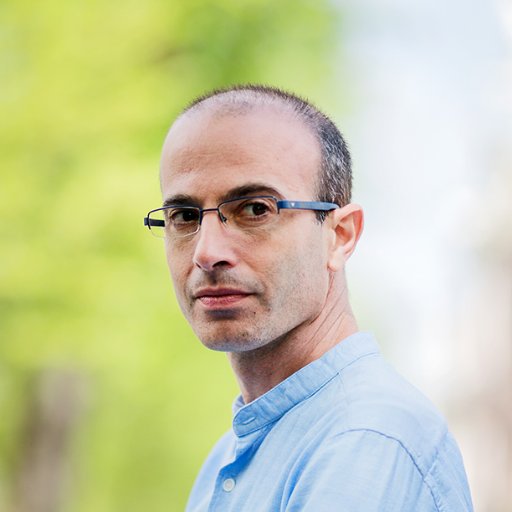
It is likely that the AI revolution will bring a continuous series of disruptions to our professional, and even personal, lives. Do we have the emotional stamina to deal with it?
Yuval Noah Harari tweet media
English
21
39
177
13.9K
Anuradha retweetledi
Aabhas Maldahiyar 🇮🇳
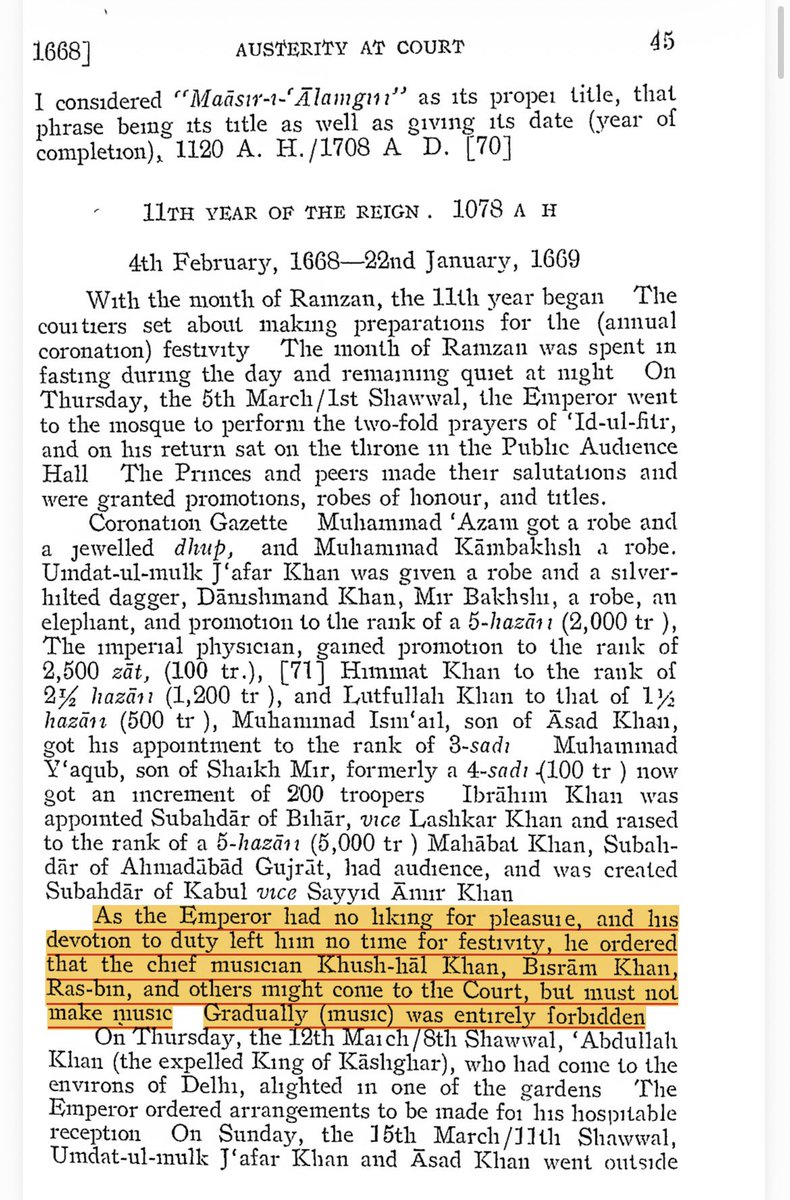
Brilliant piece by @vikramsampath! While many are claiming that Aurangzeb didn’t ban music in court, here is one of the many instances where music was forbidden in his court. This is a snippet from Maʾāthir-i-Ālamgīrī. It says it was gradually entirely forbidden. I have also attached a translation by Jadunath Sarkar in case people doubt the Farsi snippet.
Aabhas Maldahiyar 🇮🇳 tweet mediaAabhas Maldahiyar 🇮🇳 tweet media
ThePrintIndia@ThePrintIndia

'Glorifying Mughals understandable in 1947. Today, we must face historical truths' Vikram Sampath @vikramsampath, Fellow of Royal Historical Society UK, and Founder of FIHCR, writes #ThePrintOpinion theprint.in/opinion/mughal…

English
9
811
2K
31.3K
Anuradha retweetledi
Aabhas Maldahiyar 🇮🇳
Another dark fact about the Taj is (documented in detail in Babur-1, cover attached): “A famine was engineered by Shahjahan in Deccan, Malwa and Gujarat, leading to the deaths of around 7.4 million people right at the time when he ‘commissioned’ the Taj for 41.8 million Shahrukhis. Eyewitness accounts say people ate the excrement of the dead, sold their children as slaves, and traded dog meat for goat meat.” Hence, one can say the Taj is a beautiful symbol of genocide which took twice as many lives as the famine buttressed by Churchill in Bengal (1943).
Aabhas Maldahiyar 🇮🇳 tweet media
Shantanu@LazyJr6

@Schandillia @vikramsampath @Schandillia can you please elaborate more on the taj thing ?

English
10
298
520
11.3K
Anuradha retweetledi
Tribhuvan_Official
Tribhuvan_Official@TheTribhuvan·
यह केवल मंदिर विवाद नहीं, बराबरी की आत्मा पर हमला है नीचे एक पत्र है, जो भीलवाड़ा जिले की आसींद तहसील के बराना गांव के बलाई जाति के नागरिक श्री विष्णु बलाई ने राष्ट्रीय स्वयं सेवक संघ के प्रमुख मोहन भागवत साहब को लिखा है। गांव के ऐसे लोग जो संघ से जुड़े हैं, वे बलाई समाज के मंदिर के आयोजन को नहीं होने दे रहे और उन्हें विवश कर रहे हैं कि वे यह सब काम बाहर करें। राजस्थान की बलाई वह जाति है, जिसने एक हज़ार साल से अधिक समय से अमानुषिक ज़ुल्मों को तो सहा ही है, रियासती काल में भी इन पर अगणित अत्याचार हुए हैं। कुछ अत्याचार तो हर रोज़ ही होते रहे थे। हर रोज़ मतलब हर रोज़; क्योंकि उनके लिए एक काम की तय सीमा थी, जो अत्यधिक होती थी और उससे कम काम करने पर जागीरदार और रियासत का राजा कड़े दंड और ज़ुल्म करते थे। लेकिन इस लोकतांत्रिक युग में ऐसा हो रहा हो तो यह और भयावह है। इस पत्र को पढ़कर सबसे पहले जो बात चुभती है, वह यह है कि पीड़ा केवल एक पुजारी की नहीं है; यह उस मनुष्य की पीड़ा है, जिसके पुरखों ने जिस देवस्थान को अपने श्रम, आस्था और निजी संपत्ति से खड़ा किया, आज उसी देवस्थान के द्वार पर उसकी जाति को खड़ा करके उससे कहा जा रहा है : तुम्हारा यहाँ क्या काम? लेकिन एक मंदिर का विवाद अगर इतना उलझ गया है और पुलिस उससे पीठ फेर चुकी है, कलक्टर देख नहीं रहे हैं और सरकार को यह सब पता नहीं है और पीड़ित को पत्र मोहन भागवत साहब को न्याय के लिए लिखना पड़ रहा है तो हमने सरकार और प्रशासन गठित ही क्यों कर रखे हैं? मुझे नहीं मालूम कि इस पत्र के आरोप कितना सटीक और सही हैं, लेकिन प्रथम दृष्टया यह पत्र एक पीड़ा प्रतीत होता है। और पत्र में दर्ज़ आरोप सही हैं तो यह कोई साधारण प्रबंधन-विवाद नहीं है। यह मंदिर की चाबी, दान-पात्र या मेले के आयोजन का झगड़ा भर नहीं है। यह उस पुराने सामंती मानस का पुनरुत्थान है, जो दलित को भक्त तो मान सकता है, दानदाता तो मान सकता है, भीड़ तो मान सकता है, लेकिन पुजारी, व्यवस्थापक और स्वाभिमानी अधिकारधारी मनुष्य के रूप में स्वीकार नहीं कर पाता। सबसे बड़ी विडंबना यह है कि जिस परिवार ने पीढ़ियों तक खाकुल देवजी मंदिर की पूजा-अर्चना की, जिसने अपनी वंश-परंपरा, श्रम और आस्था से उसे जीवित रखा, उसी परिवार को आज मंदिर से दूर रखने की कोशिश बताई जा रही है। यह धर्म नहीं, धर्म के नाम पर सत्ता-कब्ज़ा है। यह भक्ति नहीं, भक्ति की आड़ में सामाजिक अपमान है। यह मंदिर-रक्षा नहीं, मंदिर को जाति-अहंकार की चौकी में बदल देने की कोशिश है। पत्र में एक वाक्य सबसे भयावह है। स्थानीय स्तर पर कुछ लोग दलितों को “हिंदू नहीं मानते” और जातिगत भेदभाव करते हैं। अगर ऐसा है, तो यह केवल अपमानजनक नहीं, वैचारिक रूप से भी विध्वंसक है। जो लोग “सकल हिंदू समाज” की बात करते हैं, उनके लिए पहली परीक्षा यही है कि वे दलित पुजारी को मंदिर के भीतर सम्मान से खड़ा कर सकते हैं या नहीं। यदि दलित केवल संख्या बढ़ाने के लिए हिंदू है, लेकिन मंदिर की व्यवस्था, पूजा और सम्मान में बराबर नहीं है तो यह “समरसता” नहीं, छल है और ऐसा ज़ुल्म है कि आप मारो भी बुरी तरह और किसी को रोने भी नहीं दो। कानून की दृष्टि से भी यह गंभीर मामला है। संविधान का अनुच्छेद 17 अस्पृश्यता को समाप्त करता है और उससे उपजी किसी भी सामाजिक अक्षमता को दंडनीय बनाता है। Protection of Civil Rights Act, 1955 में “place of public worship” की परिभाषा बहुत व्यापक है; निजी स्वामित्व वाला पूजा-स्थल भी, यदि जनता के पूजा-उपयोग के लिए खुला है, इस परिभाषा में आ सकता है। इसी कानून के तहत अस्पृश्यता के आधार पर किसी को सार्वजनिक पूजा-स्थल में प्रवेश या पूजा से रोकना अपराध है। और यदि आरोपों के अनुसार दलित पुजारी को जाति के आधार पर मंदिर में प्रवेश, पूजा, प्रबंधन, दान-पात्र या धार्मिक गतिविधियों से रोका गया, सार्वजनिक रूप से जातिसूचक अपमान हुआ, धमकी दी गई, मारपीट हुई या सामाजिक बहिष्कार जैसा दबाव बनाया गया, तो SC-ST Prevention of Atrocities Act की धाराएँ भी विचारणीय हैं। इस कानून में सार्वजनिक पूजा-स्थल में प्रवेश या धार्मिक-सामाजिक जुलूस में भागीदारी से रोकने, जाति-नाम से अपमानित करने, डराने, झूठे मुकदमे में फँसाने और सामाजिक-आर्थिक बहिष्कार की धमकी जैसी स्थितियों को गंभीर अपराध माना गया है। इस व्यक्ति के साथ अन्याय इसलिए हो रहा है; क्योंकि उसके अधिकार को “व्यक्तिगत विवाद” बनाकर छोटा किया जा रहा है, जबकि पत्र के आरोप बताते हैं कि मामला जातिगत अपमान, धार्मिक बहिष्करण और संस्थागत संरक्षण का है। अन्याय इसलिए हो रहा है क्योंकि शिकायतकर्ता कह रहा है कि उसने शिकायत दी, पर कार्रवाई नहीं हुई। अन्याय इसलिए हो रहा है; क्योंकि वह अपने ही पुरखों के देवस्थान में प्रवेश और पूजा का अधिकार मांग रहा है, कोई राजनीतिक उपकार नहीं। अन्याय इसलिए हो रहा है क्योंकि जो लोग सामाजिक समरसता का नारा देते हैं, वे कथित रूप से स्थानीय दबंगई के सामने चुप हैं या पक्षपाती दिखाई दे रहे हैं। सबसे ख़तरनाक़ पक्ष यह है कि पीड़ित को ही “समस्या” बना दिया गया है। भारत में दलित उत्पीड़न का यह पुराना तरीका है। पहले उसके अधिकार छीनो, फिर जब वह आवाज़ उठाए तो उसे विवादकारी, झगड़ालू, राजनीति करने वाला या संगठन-विरोधी बता दो। यह पत्र इसी उलटबाँसी की गवाही देता है। एक दलित पुजारी कह रहा है, मेरे परिवार का मंदिर है, मेरे पुरखों की परंपरा है, मुझे पूजा करने दीजिए। और कथित तौर पर जवाब मिल रहा है, तुम्हें हटाया जाएगा, दान-पात्र काटा जाएगा, मेले पर नियंत्रण हमारा होगा, शिकायत करोगे तो देख लेंगे। यही अन्याय का मूल है: अधिकार मांगने वाले को अपराधी बना देना। इस मामले में प्रशासन की निष्क्रियता सबसे गंभीर सवाल है। पुलिस और प्रशासन का काम यह देखना नहीं कि कौन-सा संगठन किसके साथ है; उनका काम यह देखना है कि क्या किसी अनुसूचित जाति के व्यक्ति को जाति के आधार पर मंदिर में प्रवेश, पूजा या सम्मान से रोका गया? क्या मारपीट हुई? क्या जातिगत गालियाँ दी गईं? क्या धमकी दी गई? क्या दान-पात्र या मंदिर-व्यवस्था पर कब्ज़े की कोशिश हुई? क्या शिकायत दर्ज करने से बचा गया? इन प्रश्नों का जवाब निष्पक्ष जांच से निकलना चाहिए, न कि स्थानीय दबाव से। यहाँ न्याय का न्यूनतम रास्ता साफ है: स्वतंत्र जांच हो, CCTV और गवाहियों को सुरक्षित किया जाए, पीड़ित परिवार को सुरक्षा दी जाए, मंदिर में पूजा और प्रवेश के अधिकार की तत्काल रक्षा हो, और जिन पर जातिगत अपमान, मारपीट या धमकी के आरोप हैं, उनके खिलाफ कानून के अनुसार FIR दर्ज कर निष्पक्ष कार्रवाई हो। अगर मामला संपत्ति या प्रबंधन का है तो उसका फैसला सक्षम अदालत करे; लेकिन जब तक फैसला न हो, किसी दलित पुजारी परिवार को धमकी देकर मंदिर से बेदखल करना न धर्म है, न कानून, न हिंदू समाज का सम्मान। सबसे कड़वी बात यही है: जिस समाज में देवता की मूर्ति सुरक्षित है, लेकिन उसी देवता की पीढ़ियों से सेवा करने वाला दलित पुजारी असुरक्षित है, वहाँ मंदिर नहीं, मनुष्यता संकट में है। और यदि “हिंदू समाज” सचमुच एक है तो उसकी पहली घोषणा भाषण से नहीं, इस पुजारी के सम्मानपूर्वक मंदिर-प्रवेश से होनी चाहिए। वरना समरसता शब्द रहेगा, भीतर से जाति की दीवार वैसे ही खड़ी रहेगी, ठंडी, क्रूर और देवता के नाम पर मनुष्य को अपमानित करती हुई। और अगर कोई मुझसे सच पूछे और मैं अपने परिवार में लंबी परंपराओं और मौखिक इतिहास के आधार पर कहूं तो कटु सत्य ये है कि मंदिरों का निर्माण और मूर्तियां बनाकर उनकी पूजा करने का सिलसिला शुरू ही भारत की अछूत जातियों से हुआ है। उच्च वर्ण के लोग या ब्राह्णण तो वेदपाठी थे। उन्होंने उन्हें अछूतों को छूने तक नहीं दिया और साफ़ कहा कि स्त्री शूद्रो नाधीयताम। मनुस्मृति में सब तरह के पापों और अपराधों का जिक्र है, लेकिन यह कहीं नहीं लिखा कि मंदिर को अपवित्र कर दे तो क्या दंड हो। यानी मनु के काल में मंदिर और मूर्ति थे ही नहीं। तो आदिकाल से जो मंदिर और मूर्ति पर नैसर्गिक अधिकार भारत में है, वह तो दलितों का ही है। उच्च जातियाँ उनके लिए कुछ छाेड़ेंगी कि नहीं? @svoruganti1466 @Bhilwara_Police @DmBhilwara @IgpAjmer
Tribhuvan_Official tweet mediaTribhuvan_Official tweet media
हिन्दी
11
40
104
8.2K
Anuradha retweetledi
Harsh Goenka
Harsh Goenka@hvgoenka·
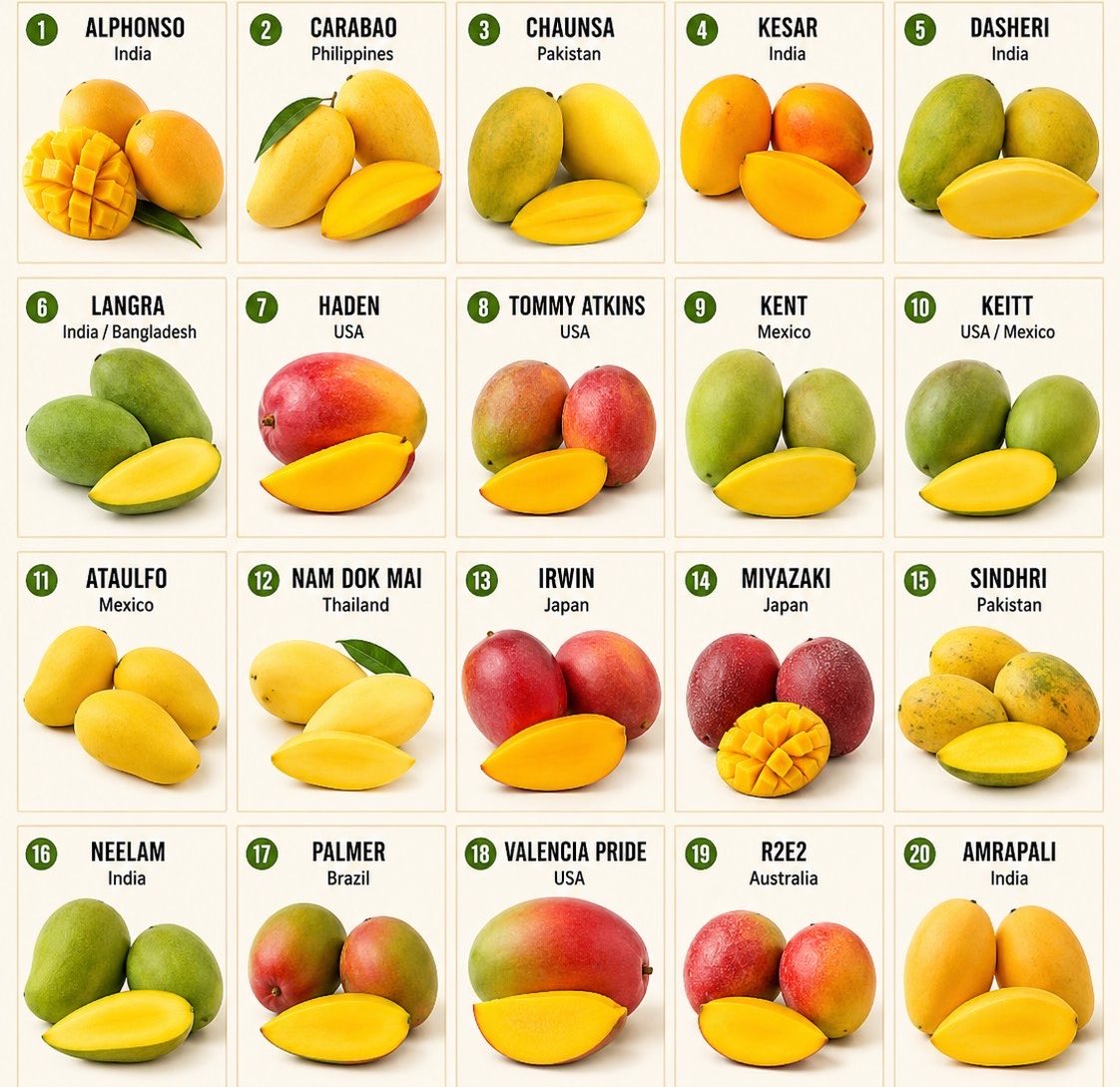
The best mangoes in the world…..
Harsh Goenka tweet media
English
286
184
1.1K
131.6K