tun.btc🎒 retweetledi

tun.btc🎒
2.9K posts

@bitcoin10wu
IQ 50 Fool,buy in $SOL all 🎒https://t.co/d0mkQMYFPb

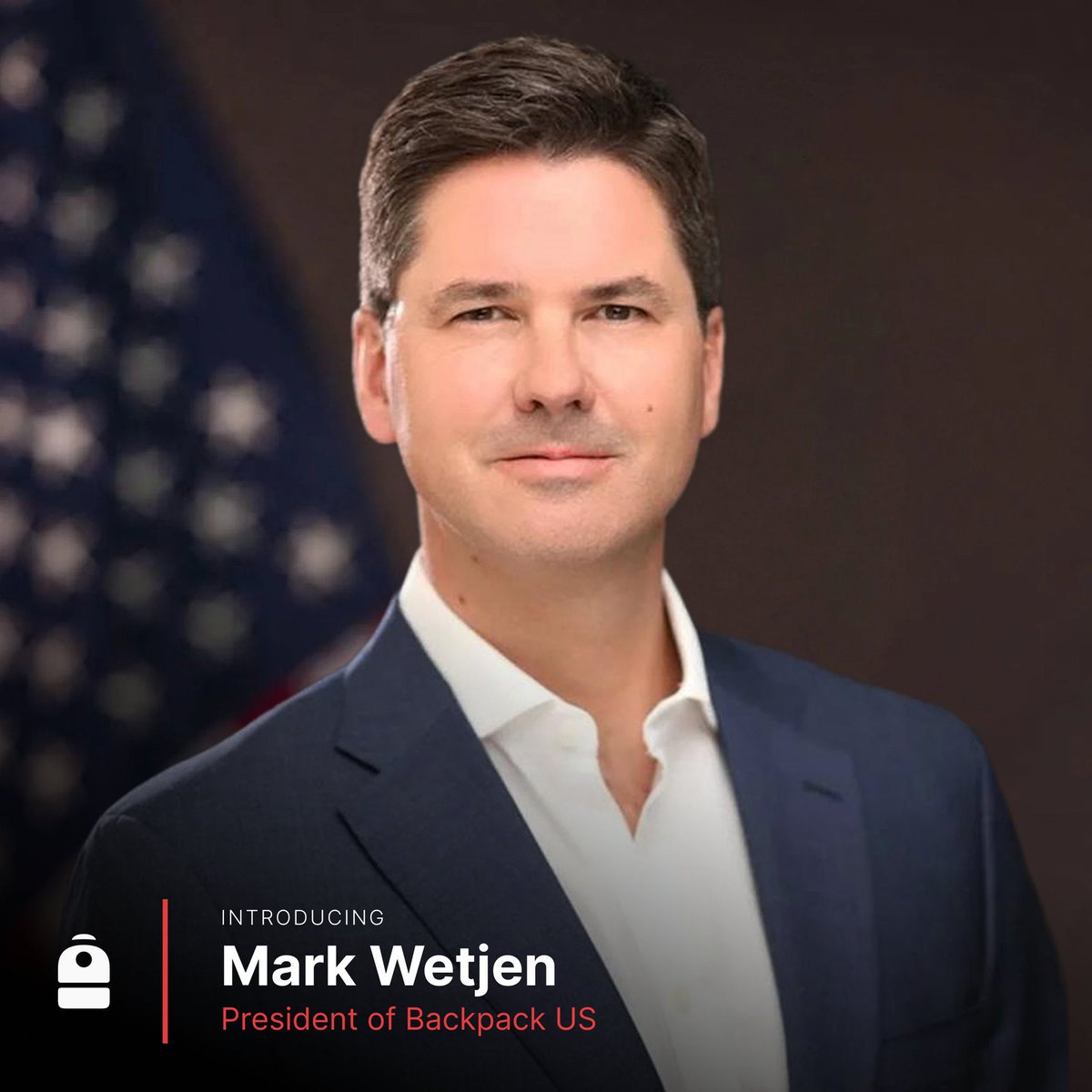
我们很高兴地欢迎 Mark Wetjen 出任 Backpack US 总裁 Mark 曾担任 CFTC 委员兼代理主席和 DTCC 全球公共政策主管,是最早倡导为加密货币建立清晰监管框架和市场基础设施的美国监管机构之一 他将领导 Backpack 在美国的扩张,我们将继续构建受监管的链上金融基础设施,连接加密货币和传统金融 产品 合规 增长





20% of Backpack equity given to users who stake for a year. Don't just use the next big thing. Own it. 🎒

25% on TGE Here's the entire token distribution Utility coming next 🎒



最近Bn陆续/计划上线了TSLA,INTC,Hood永续合约,这是一个很有意思的信号。抛开合规问题不谈,这反应出Crypto内生标的匮乏,只能加速从Tradfi引进新“赌具”,这也是过去行业行恶种种积累的结果。 进一步说“赌具中性论”最终会导致行业的荒芜化,沦为传统金融行业的附庸。赌徒是衣食父母,满足他们的一切胃口有短期的头部利益,长期的整体性伤害。 在这一点上,Tether在努力的引入黄金代币在Crypto的流通,技术爱好者们把眼光放在Openclaw上寻求AI结合Crypto的突破。凛冬已至,如何求变生存?




No complexity. No accident. 10/10 was caused by irresponsible marketing campaigns by certain companies. On October 10, tens of billions of dollars were liquidated. As CEO of OKX, we observed clearly that the crypto market’s microstructure fundamentally changed after that day. Many industry participants believe the damage was more severe than the FTX collapse. Since then, there has been extensive discussion about why it happened and how to prevent a recurrence. The root causes are not difficult to identify. ⸻ What actually happened 1.Binance launched a temporary user-acquisition campaign offering 12% APY on USDe, while allowing USDe to be used as collateral with the same treatment as USDT and USDC, and without effective limits. 2.USDe is a tokenized hedge fund product. Ethena raises capital via a so-called “stablecoin,” deploys it into index arbitrage and algorithmic trading strategies, and tokenizes the resulting fund. The token can then be deposited on exchanges to earn yield. 3.USDe is fundamentally different from products such as BlackRock BUIDL and Franklin Templeton BENJI, which are tokenized money market funds with low-risk profiles. USDe, by contrast, embeds hedge-fund-level risk. This difference is structural, not cosmetic. 4.Binance users were encouraged to convert USDT and USDC into USDe to earn attractive yields, without sufficient emphasis on the underlying risks. From a user’s perspective, trading with USDe appeared no different from trading with traditional stablecoins—while the actual risk profile was materially higher. 5.Risk escalated further as users: •converted USDT/USDC into USDe, •used USDe as collateral to borrow USDT, •converted the borrowed USDT back into USDe, •and repeated the cycle. This leverage loop produced artificial APYs of 24%, 36%, and even 70%+, widely perceived as “low risk” simply because they were offered by a major platform. Systemic risk accumulated rapidly across the global crypto market. 6.At that point, even a small market shock was sufficient to trigger a collapse. When volatility hit, USDe depegged quickly. Cascading liquidations followed, and weaknesses in risk management around assets such as WETH and BNSOL further amplified the crash. Some tokens briefly traded near zero. The damage to global users and companies—including OKX customers—was severe, and recovery will take time. ⸻ Why this matters I am discussing the root cause, not assigning blame or launching an attack on Binance. Speaking openly about systemic risks is sometimes uncomfortable, but it is necessary if the industry is to mature responsibly. I expect there may be significant misinformation and coordinated FUD directed at OKX in the near future. Even so, speaking honestly about systemic risk is the right thing to do—and we will continue to do so. As the largest global platform, Binance has outsized influence—and corresponding responsibility—as an industry leader. Long-term trust in crypto cannot be built on short-term yield games, excessive leverage, or marketing practices that obscure risk. The industry needs leaders who prioritize market stability, transparency, and responsible innovation—not a winner-take-all mentality where criticism is treated as hostility. Crypto is still early. What we choose to normalize today will determine whether this industry earns lasting trust—or repeats the same mistakes again.

最近关于10/11的全网观点省流版: 主流讨论的是: Binance对于USDE,WBETH和BNSOL的指数规则其实不符合金融级要求,在普遍循环贷和统一账户的情况下,触发了级联清算,甚至有部分阴谋论认为是Binance主动触发。 其次是,由于服务器流量激增,包括Binance,OKX在内的大型交易所均有出现短暂API不可访问情况,是属于《用户协议》里的豁免规则还是交易所要进行赔偿? 还有一部分批评者抱怨Binance作为“区块链”行业龙头起到的正面带头作用过少,更像是互联网电商公司,在上币部分奉行扶持自己人,排他主义,而在面对质疑的时候更习惯使用“公关战术”。 一部分人则认为是大众看到传统资产的上涨,币圈缺处于熊市的情绪宣泄,以及可能来自竞争对手的攻击。 最后一部分有意义的想法是,让BINANCE进行BTC储备(已经接受),公布比现在更详细的清算数据,建立更透明的报告机制。 非本人观点,内容来自于时间线总结。