Bláa öndin 𝕏

6.1K posts

Bláa öndin 𝕏 banner
Bláa öndin 𝕏

Bláa öndin 𝕏

@blaaondin

Andrés Magnússon er blaðamaður á Morgunblaðinu og hægri kantmaður. Senior Editor of Morgunblaðið, Iceland's newspaper of record. https://t.co/QDwjUzkPWy

Reykjavík Katılım Nisan 2015
533 Takip Edilen1.5K Takipçiler
Bláa öndin 𝕏
Bláa öndin 𝕏@blaaondin·
@MagnusRagnars Breytir því ekki að þetta er effektívt myndmál í stjórnmálum nú eins og síðustu 100 ár.
IS
1
0
3
371
Magnus Ragnarsson
Magnus Ragnarsson@MagnusRagnars·
Einar hlýtur að vera kominn með höfundarrétt á að rífa sig úr jakkanum og bretta upp ermar í sjónvarpsviðtölum.
Magnus Ragnarsson tweet media
IS
2
0
33
3.9K
Bláa öndin 𝕏
Bláa öndin 𝕏@blaaondin·
@einasig Hún er ekki til. Gögn Hagstofu og Þjóðskrár eru ekki lykluð með þeim hætti, það myndi kalla á sérstaka rannsókn og sérstaka heimild til þess að flokka gögn frá dómstólum, mögulega saksóknara, og líklega sérlög til að upphefja persónuvernd. Frumkvæðið yrði að vera hjá Alþingi.
IS
0
0
1
151
Einar Sigurdsson
Einar Sigurdsson@einasig·
Ísland er eina Norðurlandið sem hefur ekki birt sundurliðaða tölfræði um glæpatíðni eftir innflytjendahópum. Af hverju hefur enginn blaðamaður reynt að fá þessi gögn? Öll hin Norðurlöndin hafa opinberað slíkar tölur fyrir almenning í mörg ár.
IS
5
2
139
5.8K
Bláa öndin 𝕏
Bláa öndin 𝕏@blaaondin·
@HalldorArmand Ég er ekki með heimildir við höndina og ekki viss, en mig rámar í að Kristján Albertson hafi verið viðstaddur a.m.k. hluta þinghaldsins.
IS
1
0
3
186
Halldór Armand
Halldór Armand@HalldorArmand·
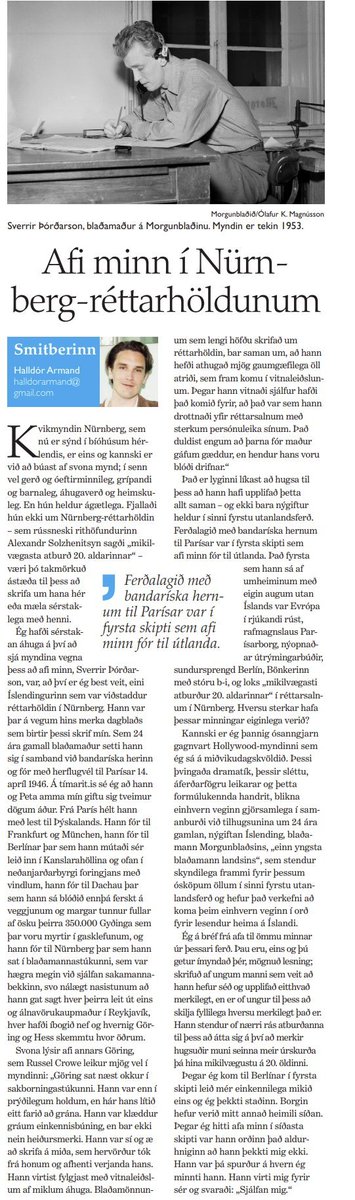
Pistill um kvikmyndina Nurnberg og þá staðreynd að afi minn var á staðnum. / A column on the movie Nuremberg and the fact that my grandfather was present. English below. My Grandfather at the Nuremberg Trials The film Nuremberg, now playing in cinemas in Iceland, is perhaps exactly what one might expect from a film of this kind: at once well made and forgettable, gripping and childish, interesting and dumb. Still, it holds together reasonably well. Were it not about the Nuremberg Trials—which the Russian writer Aleksandr Solzhenitsyn once called “the most important event of the twentieth century”—there would probably be little reason to write about it here or to recommend it in particular. I was especially curious to see the film because my grandfather, Sverrir Þórðarson, was, as far as I know, the only Icelander present at the trials in Nuremberg. He was there on behalf of the distinguished newspaper that publishes these words of mine. At the age of twenty-four, a young reporter, he contacted the American army and flew with a military aircraft to Paris on April 14, 1946. On timarit.is I can see that he and my grandmother Peta had married two days earlier. From Paris he continued by train into Germany. He went to Frankfurt and Munich; he went to Berlin, where he bribed his way into the Reich Chancellery and down into the Führer’s underground bunker with cigars; he went to Dachau, where he saw the blood still fresh on the walls and barrels filled with the ashes of the 350,000 Jews murdered there in the gas chambers; and he went to Nuremberg, where he sat in the press gallery, to the right of the defendants’ dock, so close to the Nazis that he could remark which of them resembled a cloth merchant in Reykjavík, which had a hooked nose, and how Göring and Hess amused one another. This is how my grandfather described Göring, whom Russell Crowe portrays very well in the film: “Göring sat closest to us in the defendants’ enclosure. He was still of heavy build, though his hair had begun to turn slightly grey. He wore a grey uniform but no decorations. He was constantly writing notes, which a guard would take from him and pass to his defence counsel. He appeared to follow the testimony with great interest. Journalists who had long been covering the trial agreed that he examined every detail of the testimony with great care. When he himself testified it sometimes seemed as though he dominated the courtroom with the force of his personality. It was clear to everyone that this was a man of considerable intelligence—but his hands were stained with blood.” It seems almost unbelievable to think that he experienced all this—and not only as a newly married man but on his very first trip abroad. The journey with the American army to Paris was the first time my grandfather had ever left Iceland. The first glimpse he had of the wider world with his own eyes was Europe in smoking ruins: a Paris without electricity, newly opened extermination camps, a shattered Berlin, the Bunker—with a capital B—and finally “the most important event of the twentieth century” unfolding in the courtroom at Nuremberg. How powerful must those memories have been? Perhaps, then, I am being unfair to the Hollywood film I watched on Wednesday evening. Its forced drama, its smooth and handsome actors, and its formulaic screenplay somehow pale in comparison with the thought of a twenty-four-year-old, newly married Icelander—a reporter for Morgunblaðið, “one of the youngest journalists in the country”—suddenly confronted with all these horrors on his first journey abroad, tasked with finding words for them for readers back home in Iceland. I have letters my grandfather wrote to my grandmother during this trip. They are, as you might imagine, extraordinary reading: written by a young man who knows he has seen and experienced something remarkable, yet is still too young to grasp fully how remarkable it is. He stands too close to the flow of events to realize that later generations of thinkers will declare them the most consequential of the twentieth century. When I first arrived in Berlin, I felt strangely as though I already knew the place. The city has been my second home ever since. The last time I saw my grandfather he had grown so old that he no longer recognized me. Someone asked him whom I reminded him of. He looked at me for a moment and answered: “Myself.”
Halldór Armand tweet media
IS
2
0
14
995
Ingvi Georgsson
Ingvi Georgsson@itgeorgs·
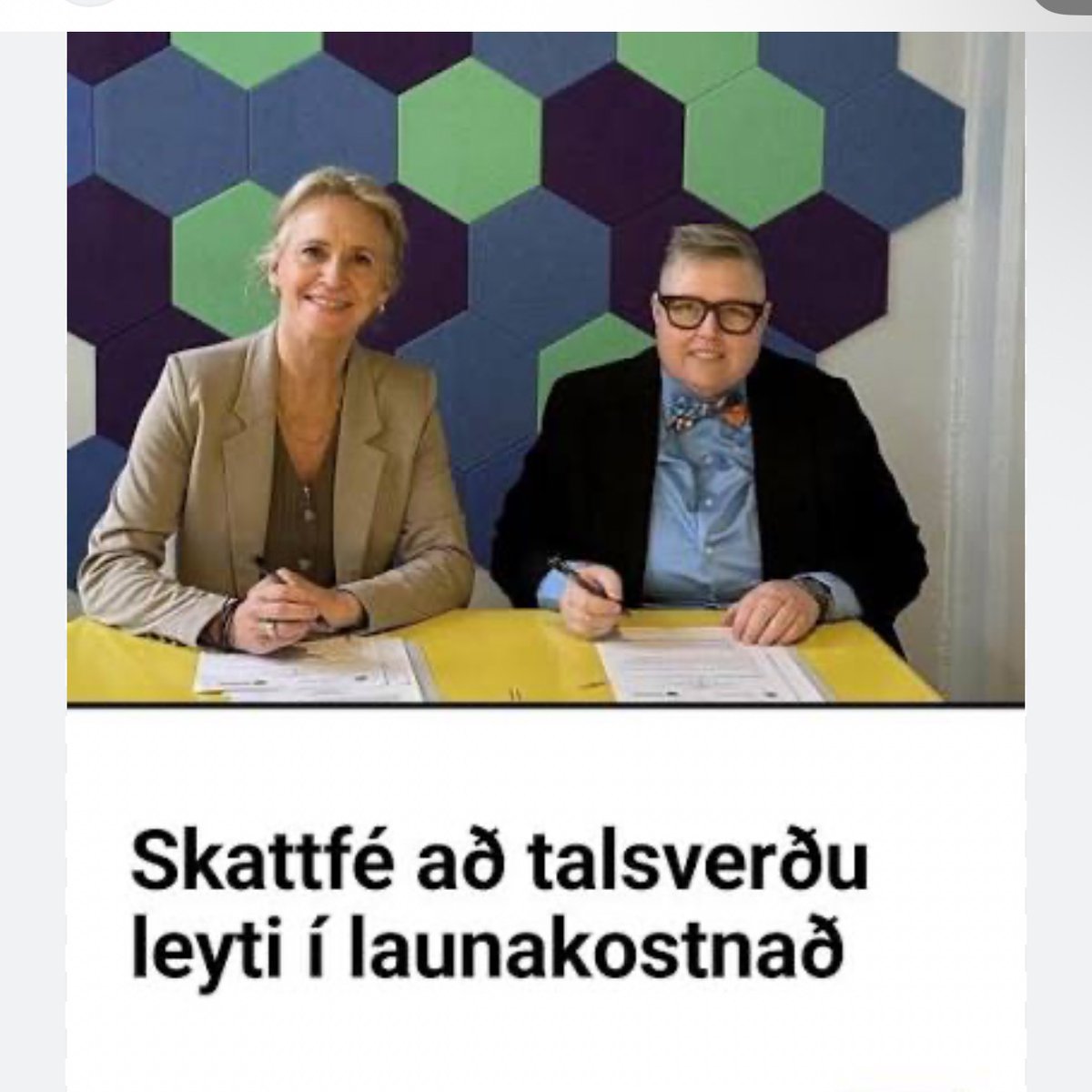
@arnarar Ég er nú eiginlega peppaðastur fyrir þessum tímamótasamning.
Ingvi Georgsson tweet media
IS
1
0
22
424
Ingvi Georgsson
Ingvi Georgsson@itgeorgs·
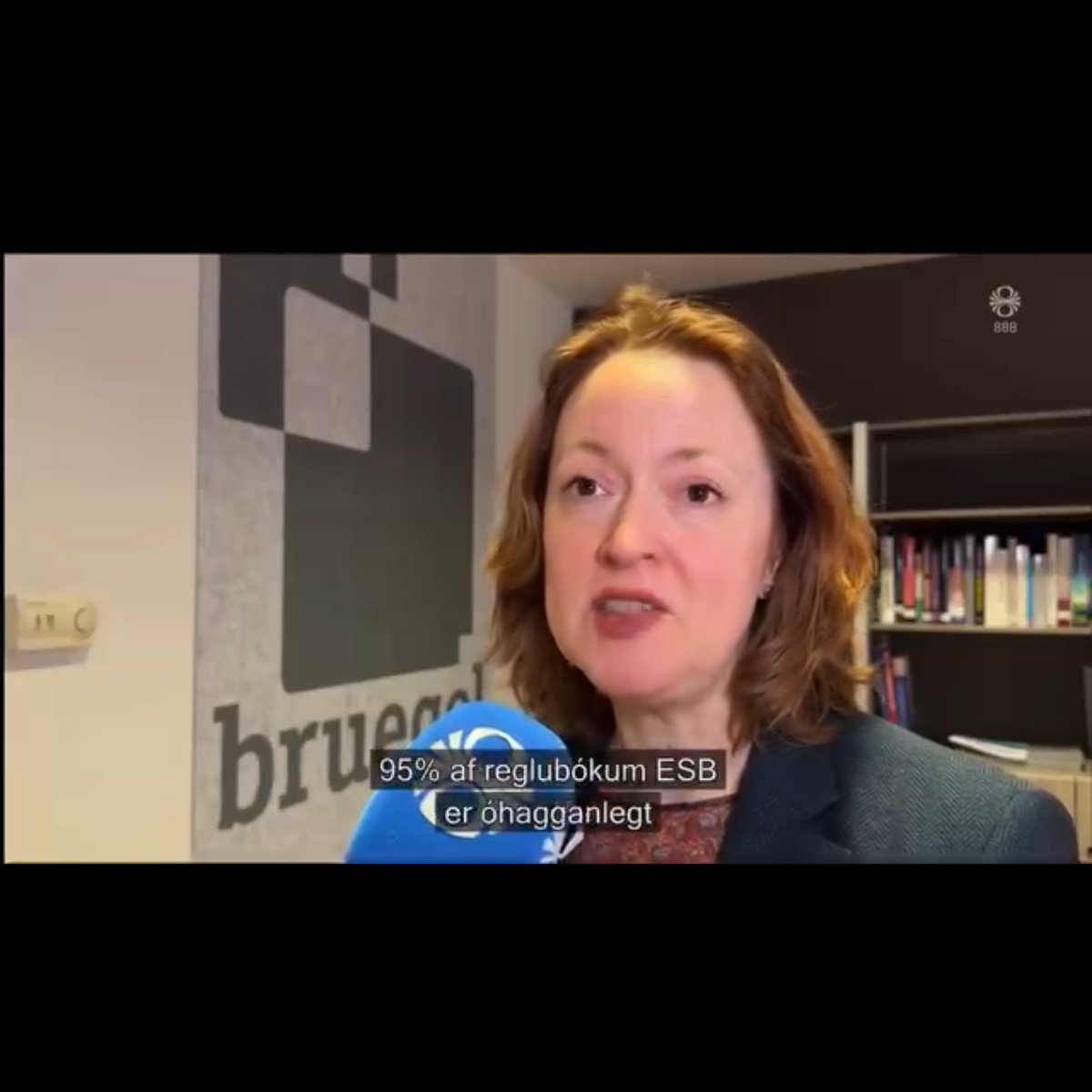
Ég treysti engum betur til að kíkja í pakkann og semja um þessi 5% heldur en Valkyrjunum 🤡🤡🤡
Ingvi Georgsson tweet media
IS
1
2
123
3.2K
Bláa öndin 𝕏
Bláa öndin 𝕏@blaaondin·
@BjBragason Alveg eins og eina leiðin til að verða góður penni er að lesa, lesa, lesa og skrifa, skrifa, skrifa. Og síðan að stytta, stytta, stytta!
IS
0
0
4
102
Björn Jón Bragason
Björn Jón Bragason@BjBragason·
Vinnan göfgar manninn, úr frábæru viðtali við Erró í Mogganum í morgun
Björn Jón Bragason tweet media
IS
1
0
18
1.1K
Bláa öndin 𝕏
Bláa öndin 𝕏@blaaondin·
@itgeorgs @atmoller Þetta var ekki kvót heldur frásögn. Það sem hún sagði – nokkuð loðið – var orðrétt haft eftir í viðtalinu.
IS
0
0
2
36
Ingvi Georgsson
Ingvi Georgsson@itgeorgs·
@blaaondin @atmoller Varstu missaga? Verðum við ekki að fyrirgefa það eins og öðrum. Sagði hún þá kannski en ekki máske?
IS
1
0
1
52
Bláa öndin 𝕏
Bláa öndin 𝕏@blaaondin·
@HalldorArmand G.K Chesterton kom með frekar sniðugan snúning á þetta í bók sinni um rétttrúnað, að hömlulausar dyggðir væru jafnvel skaðvænlegri en lestirnir. Aristóteles var ekki víðs fjarri um sitt gullna meðalhóf. Á það ekki vel við um vora öld ofsafengins dyggðabrölts?
IS
0
0
4
82
Halldór Armand
Halldór Armand@HalldorArmand·
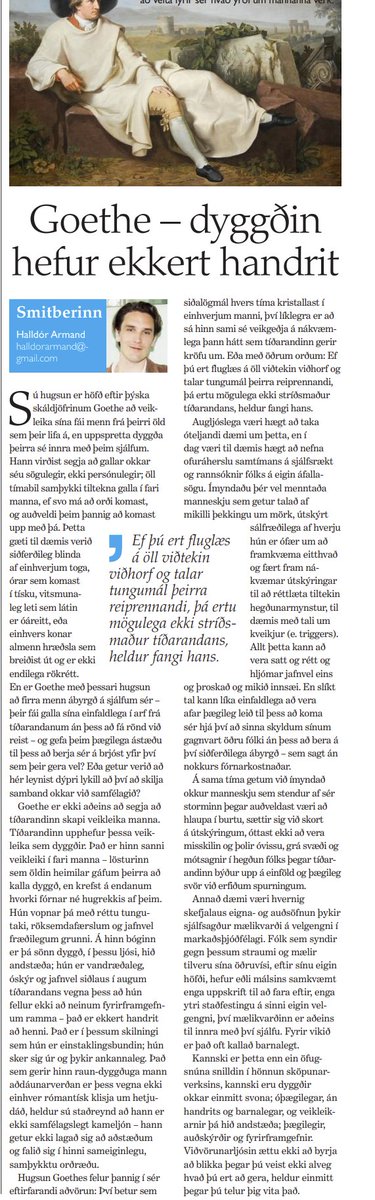
Pistill frá því í janúar um þá speki sem höfð er eftir Goethe að menn fái veikleika sína frá þeirri öld sem þeir lifa á. / A column on Goethe's insight on virtues and weaknesses. English below: Goethe: Virtue Has No Script A thought attributed to the German literary giant Goethe holds that people inherit their weaknesses from the age in which they live, while the source of their virtues lies within themselves. His point seems to be that our faults are historical rather than purely personal. Every era, so to speak, tolerates certain flaws in human character and thereby makes it easier for people to get away with them. These might take the form of a particular kind of moral blindness, fashionable delusions, intellectual laziness that goes unchallenged, or some generalized fear that spreads through society without necessarily being rational. But does Goethe, in saying this, absolve individuals of responsibility for themselves—suggesting that they simply inherit their defects from the spirit of the age without any say in the matter—while giving them a comfortable excuse to boast about whatever they happen to do well? Or is there, perhaps, a deeper key here to understanding the relationship between the individual and society? Goethe is not merely saying that the spirit of the age produces human weaknesses. The spirit of the age elevates those weaknesses into virtues. That is the true weakness of character: the vice that an era allows people’s intellect to call virtue, while ultimately demanding neither sacrifice nor courage of them. The age arms them with the proper language, the right arguments, and even an academic framework. True virtue, seen in this light, is the opposite. It is awkward, unclear, and may even appear immoral in the eyes of the age precisely because it does not fit into any predetermined framework—there is no script for it. In that sense it is individual: it stands out and seems strange. What makes a truly virtuous person admirable is therefore not some romantic cliché about heroism, but the fact that he is not a social chameleon. He cannot adapt himself to circumstances and disappear into the shared and sanctioned language of the time. Goethe’s idea thus contains a warning: the more perfectly a person embodies the moral code of his own age, the more likely it is that he is weak in precisely the way that age demands. Or put differently: if you are perfectly fluent in all the accepted attitudes and speak their language effortlessly, you may not be a warrior of the spirit of the age, but its prisoner. There are countless examples of this. One contemporary instance might be the intense cultural emphasis on self-development and on exploring one’s personal history of trauma. Imagine a well-educated person who can speak knowledgeably about boundaries, explain in psychological terms why they are unable to carry out certain actions, and offer precise explanations for particular patterns of behavior—for example by invoking “triggers.” All of this may be true and valid, and it may even sound like maturity and deep self-insight. Yet such language can also function as an extremely convenient way to avoid one’s obligations to others without bearing any moral responsibility for doing so—in other words, without paying any real price. At the same time, we can imagine a person who weathers the storm when the easiest option would be to run away; who accepts the absence of clear explanations, is not afraid of being misunderstood, and tolerates uncertainty, grey areas, and contradictions in human behavior—at a time when the spirit of the age offers simple and comfortable answers to difficult questions. Another example might be the way unrestrained accumulation of property and wealth is treated as the obvious measure of success in a market society. Those who swim against that current and measure their lives differently, according to their own judgment, naturally have no formula to follow and no external confirmation of their success, since the standard exists only within themselves. As a result, they are often dismissed as naïve. Perhaps this is yet another of the inverted strokes of genius in the design of creation. Perhaps our virtues really are like this: uncomfortable, unscripted, and a little naïve—while our weaknesses are the opposite: comfortable, easily explained, and pre-packaged. The warning lights should not begin flashing when you are unsure what you are doing, but precisely when you believe you know.
Halldór Armand tweet media
IS
1
0
10
692
Bláa öndin 𝕏
Bláa öndin 𝕏@blaaondin·
@itgeorgs @atmoller Forsætisráðherra til varnar, þá var það ég sem notaði orðið „máske“ í þessu samhengi, Kristrún tók sér það ekki í munn.
IS
1
0
1
53
Ingvi Georgsson
Ingvi Georgsson@itgeorgs·
@atmoller Fyrir kosningar var það sleggja til að lemja niður vexti og verðbólgu. Núna fær þjóðin "máske" aðgerðir eftir páska 🤥🤥🤥 Við étum þá bara hærri vexti, hærri verðbólgu og hærra olíuverð í staðinn fyrir páskalambið og hún kemur svo bara með nýtt plan þegar henni hentar 🫡🫡
IS
1
0
14
491
Bláa öndin 𝕏 retweetledi
Eylon Levy
Eylon Levy@EylonALevy·
Iranian women are dancing in the streets—without hair coverings—after hearing that Israel killed the tyrant Khamenei. So many Western leaders should feel ashamed at their cowardly response this morning. We will all remember.
English
1.1K
10.4K
37.8K
1.9M
Bláa öndin 𝕏 retweetledi
Visegrád 24
Visegrád 24@visegrad24·
BREAKING: In Tehran, people are cheering and celebrating amid reports of Khamenei's death.
English
1.1K
17.8K
71.5K
6.3M
Bláa öndin 𝕏 retweetledi
Dr. Eli David
Dr. Eli David@DrEliDavid·
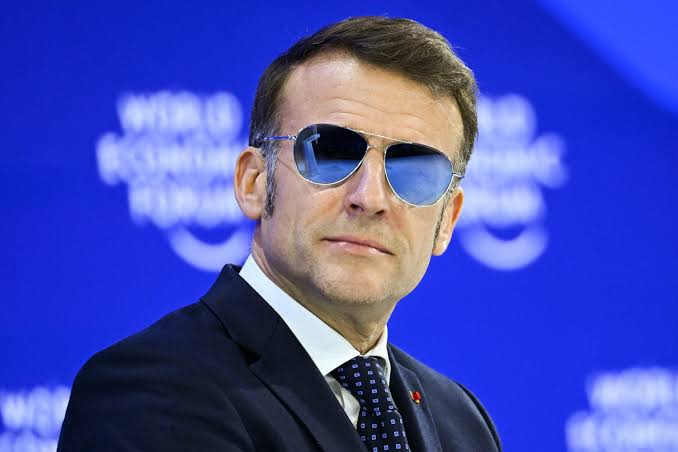
“Going to war without France is like going hunting without an accordion.” — General Norman Schwarzkopf
Dr. Eli David tweet media
English
1.6K
10.7K
66.3K
1.7M
Bláa öndin 𝕏
Bláa öndin 𝕏@blaaondin·
@itgeorgs Ekkert. Bara að spyrja. Þetta virðist vinsælt carreer segue þessa dagana.
IS
0
0
2
243
Ingvi Georgsson
Ingvi Georgsson@itgeorgs·
@blaaondin Nú liggur þú eins og ormur á gulli. Hvað veistu sem við hin vitum ekki?
IS
1
0
0
493
Ingvi Georgsson
Ingvi Georgsson@itgeorgs·
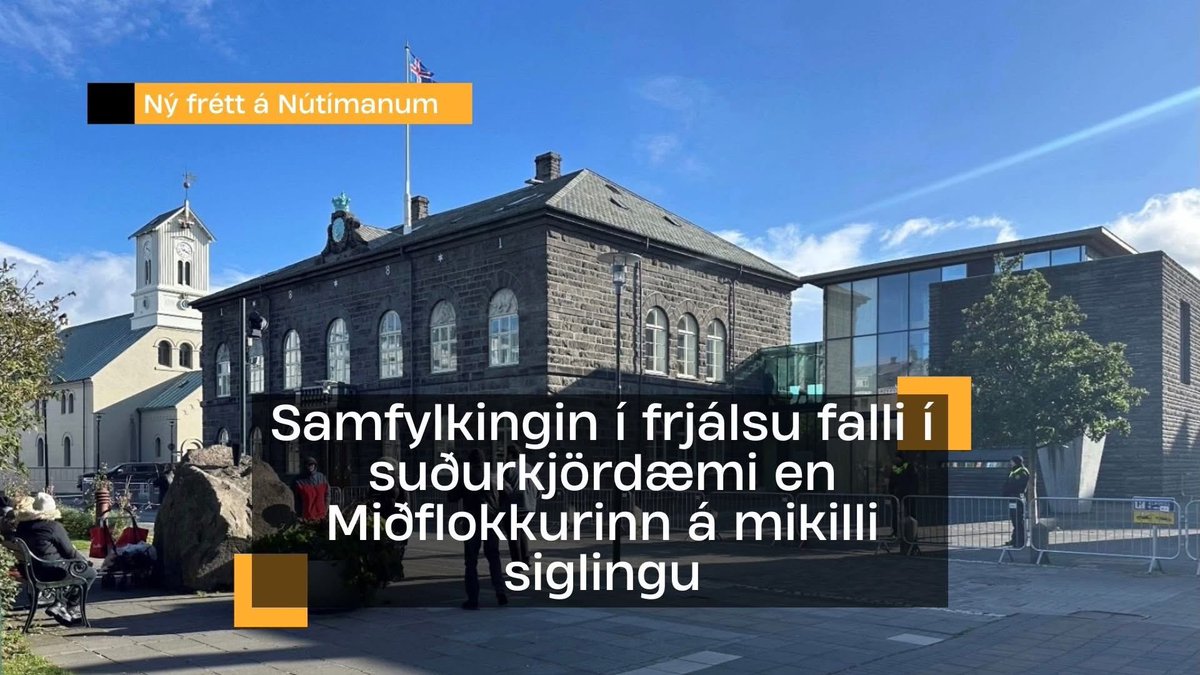
Hann verðskuldar Take-a-bow fyrir þessi 20 ár. 🙏🫡
Ingvi Georgsson tweet media
IS
3
0
39
4.8K
Kristján Va
Kristján Va@kristjanvalur·
Það á að vera hægt að senda krakkana með miða í ríkið.
IS
1
0
18
1.1K