Brian B. Moser

51 posts

Brian B. Moser banner
Brian B. Moser

Brian B. Moser

@bmoser1995

Ph.D., Senior Researcher at German Research Center for Artificial Intelligence.

Kaiserslautern, Germany Katılım Nisan 2018
53 Takip Edilen35 Takipçiler
Sabitlenmiş Tweet
Brian B. Moser
Brian B. Moser@bmoser1995·
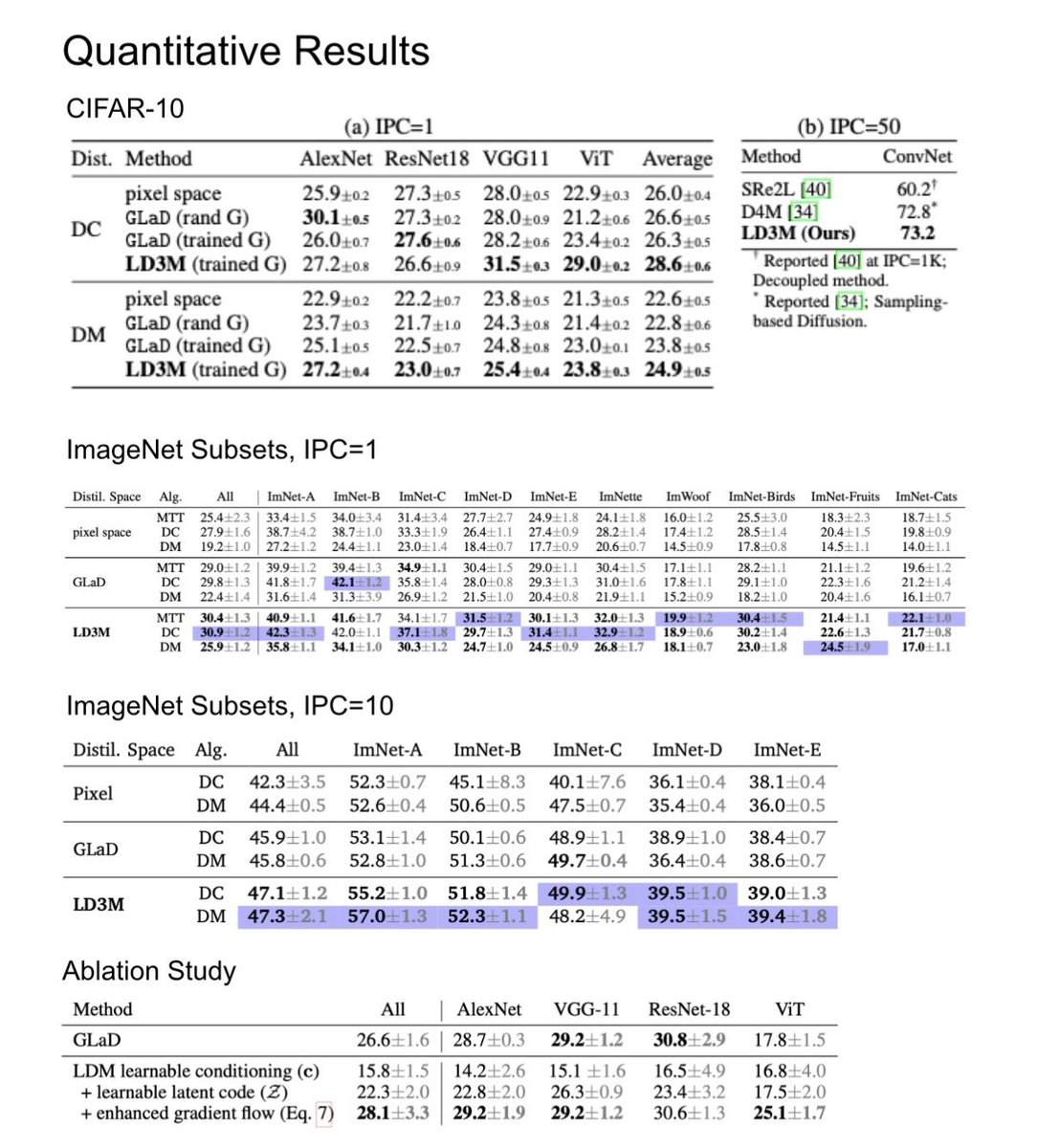
🎉 Our paper “Unlocking Dataset Distillation with Diffusion Models” has been accepted at #NeurIPS 25! We show how to unlock end-to-end dataset distillation through diffusion models by tackling the vanishing gradient problem! 📄 : arxiv.org/abs/2403.03881 #DiffusionModels
English
0
1
14
4.9K
Brian B. Moser retweetledi
Rosinality
Rosinality@rosinality·
Simple vision pretraining by predicting next step embedding. The embedding itself is trained along with this while stop grad is applied when it is used as a target.
Rosinality tweet media
English
4
51
400
21.3K
Brian B. Moser
Brian B. Moser@bmoser1995·
#Meta just released SAM Audio: Segment Anything, but for sound. It’s actually so cool: isolate a voice/instrument/noise with a prompt. Now imagine Meta Ray-Ban (probably a feature already in the making): choose the person you want to listen to… and hear only them. #AI
AI at Meta@AIatMeta

🔉 Introducing SAM Audio, the first unified model that isolates any sound from complex audio mixtures using text, visual, or span prompts. We’re sharing SAM Audio with the community, along with a perception encoder model, benchmarks and research papers, to empower others to explore new forms of expression and build applications that were previously out of reach. 🔗 Learn more: go.meta.me/568e5d

English
0
0
1
67
Brian B. Moser
Brian B. Moser@bmoser1995·
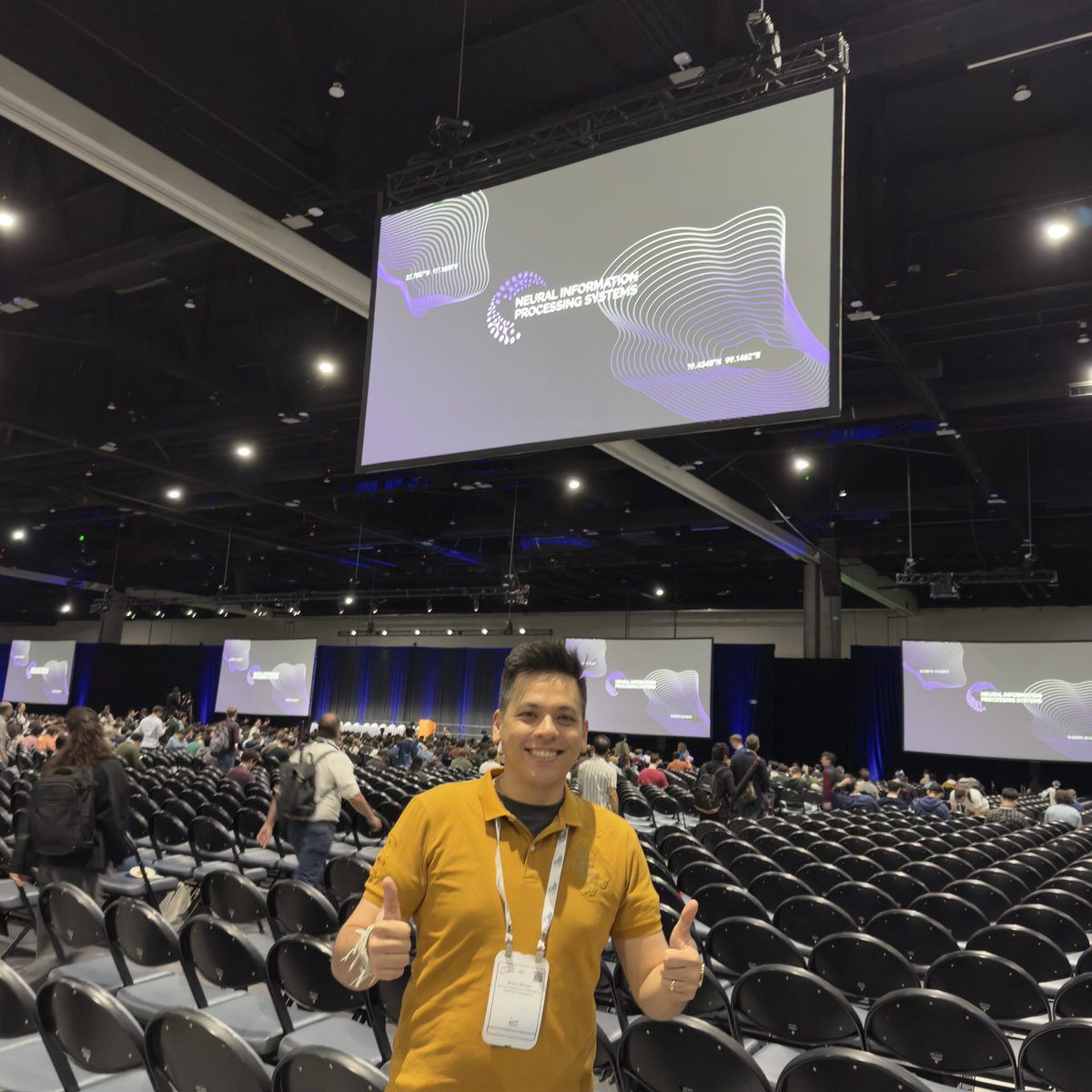
What a transformative experience at #NeurIPS. Lessons learned: - History rhymes: RL and Meta-Learning are back on the menu. - Things move fast and going to move faster. As a scientist, plan your next years carefully! I will definitely. - Networking is king.
Brian B. Moser tweet media
English
0
0
1
46
Brian B. Moser
Brian B. Moser@bmoser1995·
Merging workshop orals and posters in one room feels like a bad idea tbh… #neurips
English
0
0
0
40
Miles Cranmer
Miles Cranmer@MilesCranmer·
It's crazy how much a conference's app impacts the overall experience. I miss Whova!
English
5
1
64
6.6K
Brian B. Moser
Brian B. Moser@bmoser1995·
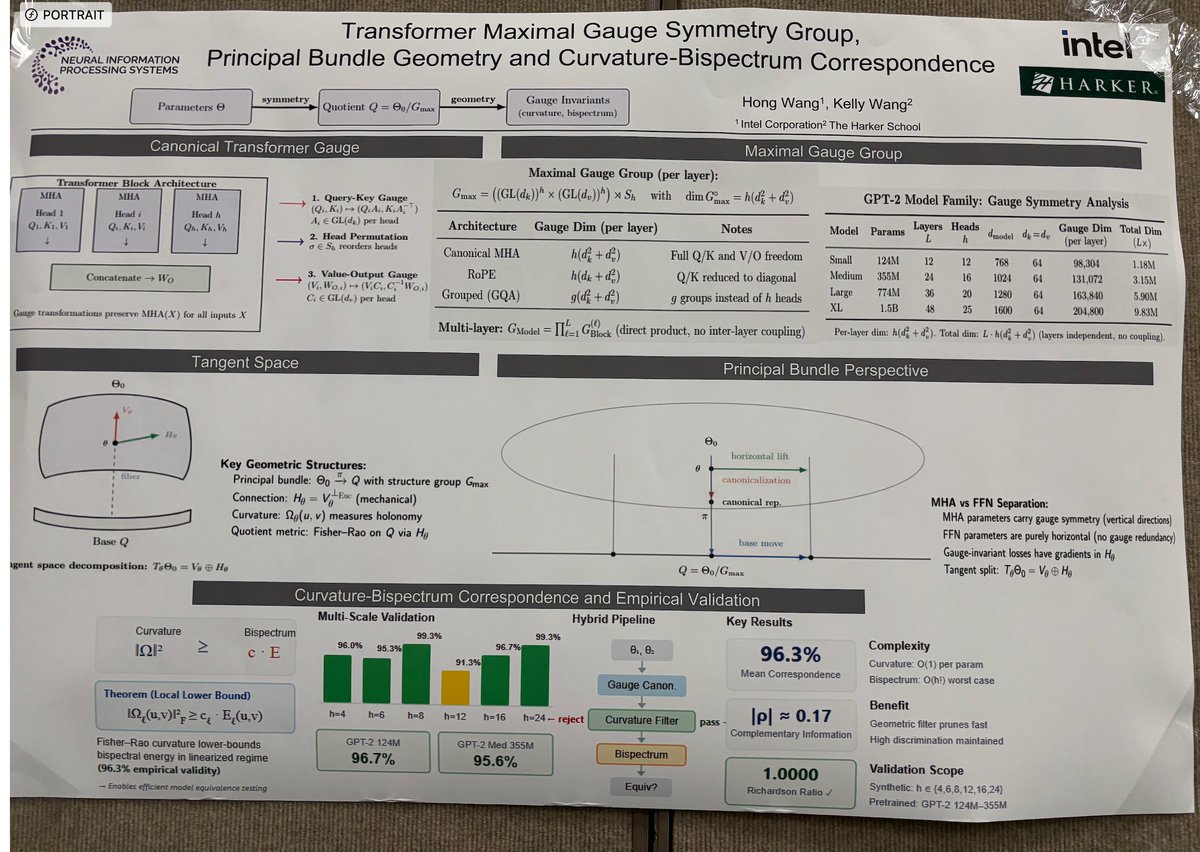
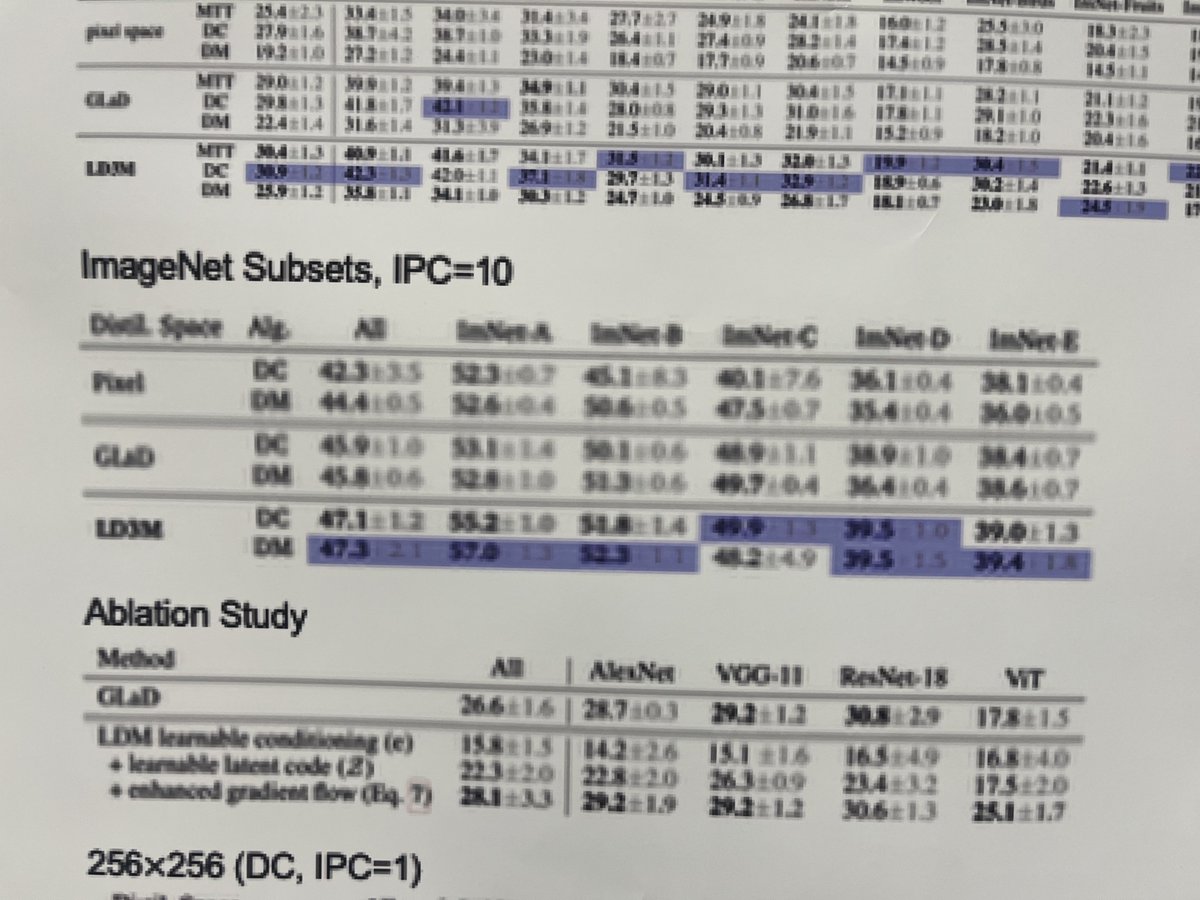
@alfcnz Sorry again for the inconvenience! Some problems with the printing service caused the right side of the poster becoming increasingly smearing although we provided a PDF… The associated paper: arxiv.org/abs/2403.03881
Brian B. Moser tweet media
English
1
0
2
58
Alfredo Canziani
Alfredo Canziani@alfcnz·
Did I just take my glasses off? 😥😥😥
Alfredo Canziani tweet media
English
4
0
21
4.9K
Brian B. Moser retweetledi
Peter Richtarik
Peter Richtarik@peter_richtarik·
I am an AC for ICLR 2026. One of the papers in my batch was just withdrawn. The authors wrote a brief response, explaining why the reviewers failed at their job. I agree with most of their comments. The authors gave up. They are fed up. Just like many of us. I understand. We pretend the emperor has clothes, but he is naked. Here is the final part of their withdrawal notice. I took the liberty to make it public, to highlight that what we are doing with AI conference reviews these last few years is, basically, madness. --- Comment: We thank the reviewers for their time. However, upon reading the reviews for our paper, it became immediately apparent that the four "reject" ratings are not based on good-faith academic disagreement, but on a critical failure to read the submitted paper. The reviews are rife with demonstrably false claims that are directly contradicted by the text. The core justifications for rejection rely on asserting that key components are "missing" when they are explicitly detailed in the manuscript. Some specific examples are (and many are even fake claims). Claim: Harder tasks like GSM8K are missing. Fact: GSM8K results are in many tables, like Table 2 (Section 4.2) and Appendix G. Claim: The method does not use per-layer ranks. Fact: This is the entire point of our method. The reviewer clearly mistook our method for the baselines. (Section 2, Table 1). Claim: The GP kernel is not specified. Fact: It is specified in Appendix E (Table 6). Claim: There is no ablation of the method's three stages. Fact: Section 4.4 ("Ablation Study") and Appendix J are dedicated to this. Reviewers have a fundamental responsibility to read and evaluate the work they are assigned. The nature of these errors is so fundamental, so systemic in overlooking explicit content, that it goes far beyond what "limited time" or "oversight" can explain. This work has gone through several rounds of revision over the last year. In earlier submissions, the paper usually received borderline or weak-accept scores. Numerous signs strongly suggest that some reviewers are relying entirely on AI tools to automatically generate peer reviews, rather than fulfilling their fundamental responsibility of personally reading and evaluating manuscripts. We strongly protest this. This is a gross disrespect to the authors. It is a flagrant desecration of the reviewer's sacred duty. It fundamentally undermines the integrity of the entire peer-review process. Given that the reviews are not based on the actual content of our paper, we have decided to withdraw the submission. We leave this comment so that future readers of the OpenReview page are aware that the items described as "missing" are already present in the submitted manuscript. These negative reviews for this submission are factually unsound and do not reflect the content of the paper. We cannot and will not accept an assessment that is not based on the work we actually submitted.
English
33
205
1.5K
149.5K
Alex Prompter
Alex Prompter@alex_prompter·
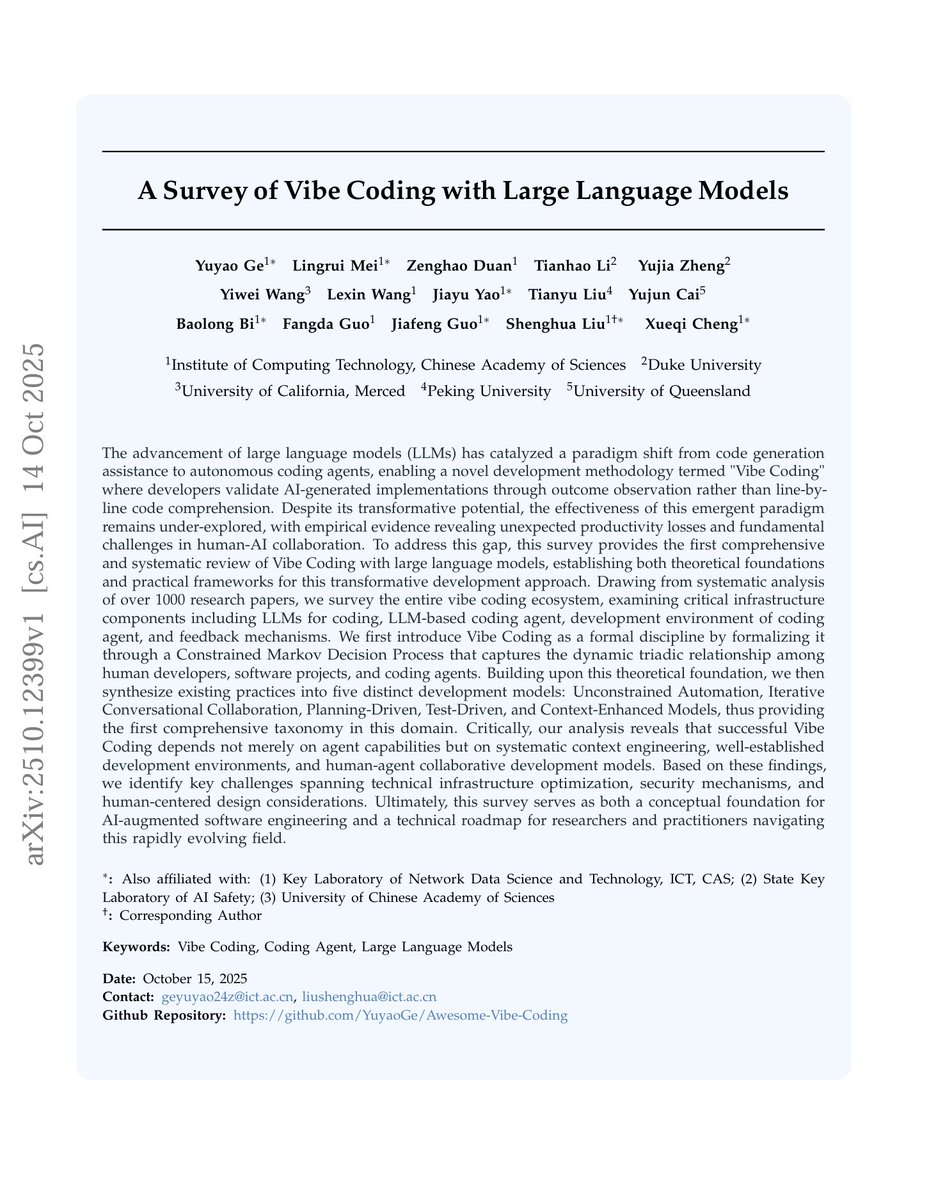
MIT just made vibe coding an official part of engineering 💀 MIT just formalized "Vibe Coding" – the thing you've been doing for months where you generate code, run it, and if the output looks right you ship it without reading a single line. turns out that's not laziness. it's a legitimate software engineering paradigm now. they analyzed 1000+ papers and built a whole Constrained Markov Decision Process to model what you thought was just "using ChatGPT to code." they formalized the triadic relationship: your intent (what/why) + your codebase (where) + the agent's decisions (how). which means the shift already happened. you missed it. there was no announcement, no transition period. one morning you woke up writing functions and by lunch you were validating agent outputs and convincing yourself you're still "a developer." but you're not. not in the way you used to be. here's what actually broke my brain reading this 42-page survey: better models don't fix anything. everyone's obsessing over GPT-5 or Claude 4 or whatever's next, and the researchers basically said "you're all looking at the wrong variable." success has nothing to do with model capability. it's about context engineering – how you feed information to the agent. it's about feedback loops – compiler errors + runtime failures + your gut check. it's about infrastructure – sandboxed environments, orchestration platforms, CI/CD integration. you've been optimizing prompts while the actual problem is your entire development environment. they found five models hiding in your workflow and you've been accidentally mixing them without realizing it: - Unconstrained Automation (you just let it run), - Iterative Conversational Collaboration (you go back and forth), - Planning-Driven (you break tasks down first), - Test-Driven (you write specs that constrain it), - Context-Enhanced (you feed it your entire codebase through RAG). most teams are running 2-3 of these simultaneously. no wonder nothing works consistently. and then the data says everything: productivity losses. not gains. losses. empirical studies showing developers are SLOWER with autonomous agents when they don't have proper scaffolding. because we're all treating this like it's autocomplete on steroids when it's actually a team member that needs memory systems, checkpoints, and governance. we're stuck in the old mental model while the ground shifted beneath us. the bottleneck isn't the AI generating bad code. it's you assuming it's a tool when it's actually an agent. What this actually means (and why it matters): → Context engineering > prompt engineering – stop crafting perfect prompts, start managing what the agent can see and access → Pure automation is a fantasy – every study shows hybrid models win; test-driven + context-enhanced combinations actually work → Your infrastructure is the product now – isolated execution, distributed orchestration, CI/CD integration aren't "nice to have" anymore, they're the foundation → Nobody's teaching the right skills – task decomposition, formalized verification, agent governance, provenance tracking... universities aren't preparing anyone for this → The accountability crisis is real – when AI-generated code ships a vulnerability, who's liable? developer? reviewer? model provider? we have zero frameworks for this → You're already behind – computing education hasn't caught up, graduates can't orchestrate AI workflows, the gap is widening daily the shift happened. you're in it. pretending you're still "coding" is living in denial.
Alex Prompter tweet media
English
220
469
2.7K
348.9K
Brian B. Moser retweetledi
OguRyu🇩🇪
OguRyu🇩🇪@Oguryu417·
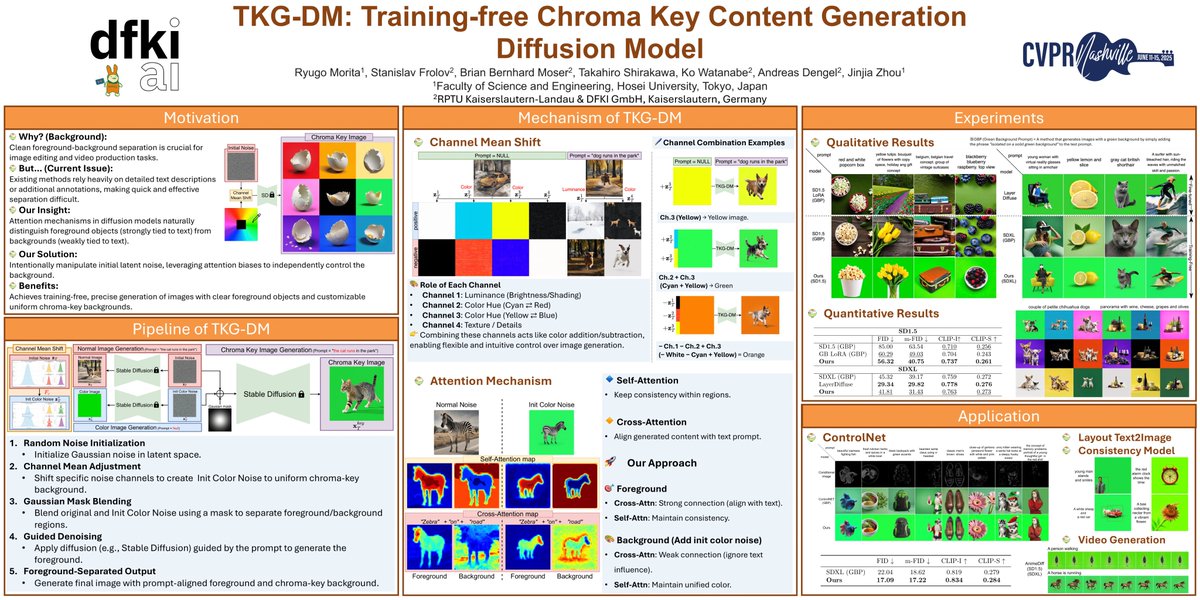
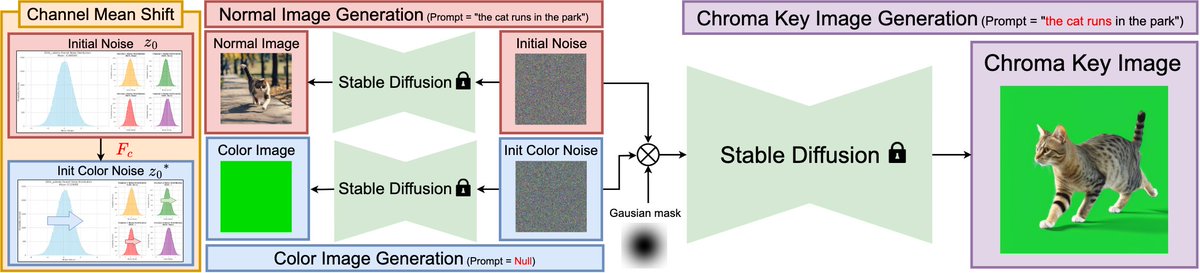
🚀 Excited to present our #CVPR2025 Highlight paper!! 🎨 TKG-DM: Training-free Chroma Key Content Generation with Diffusion Models 📍 Poster #227 @ ExHall D 🗓️ Sat, June 14 | 10:30 am–12:30 pm CDT 🎯 Fore/background separation via latent noise control — no fine-tuning needed!
OguRyu🇩🇪 tweet media
English
4
10
35
6.5K
AK
AK@_akhaliq·
Chain-of-Zoom Extreme Super-Resolution via Scale Autoregression and Preference Alignment
AK tweet media
English
22
121
771
174.8K
Brian B. Moser retweetledi
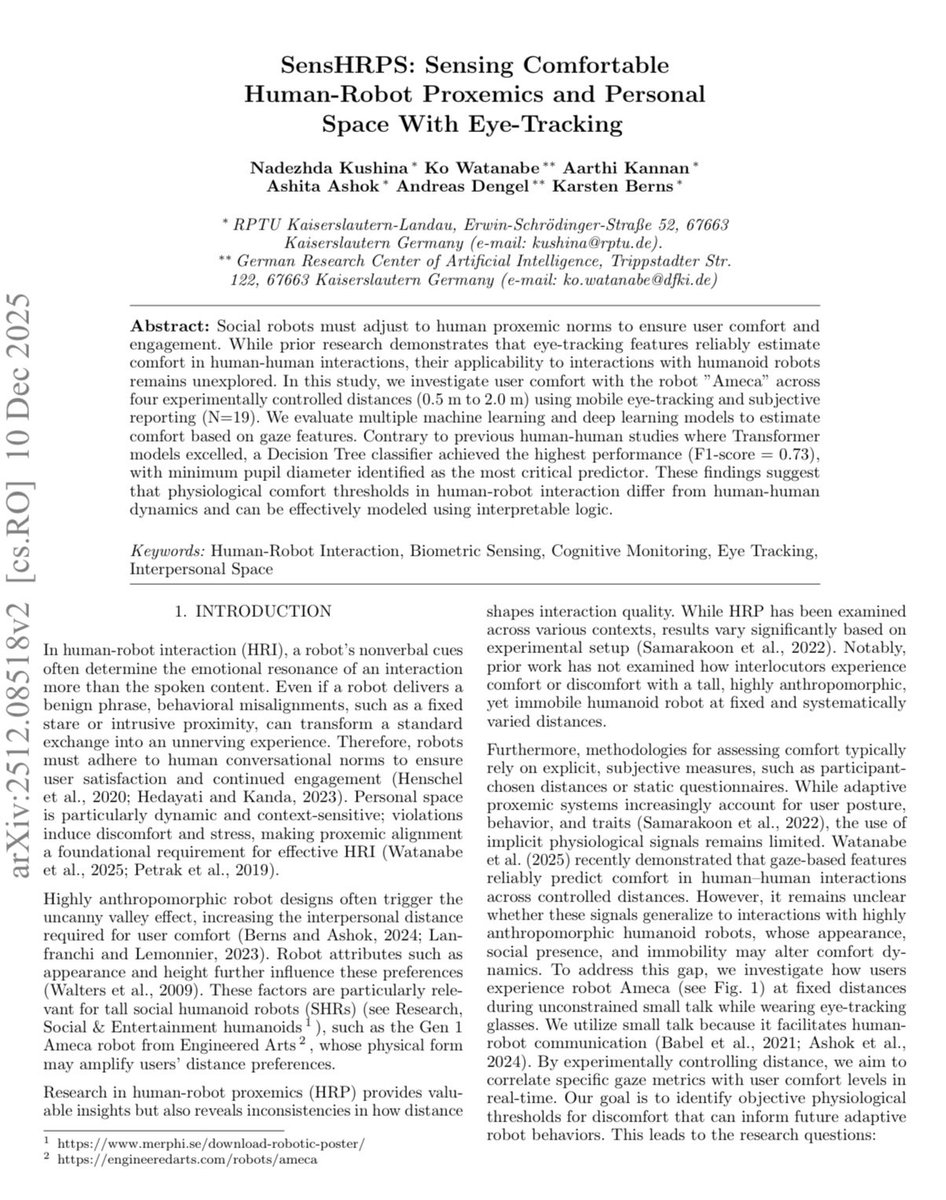
Ko Watanabe
Ko Watanabe@ko_watanabe_en·
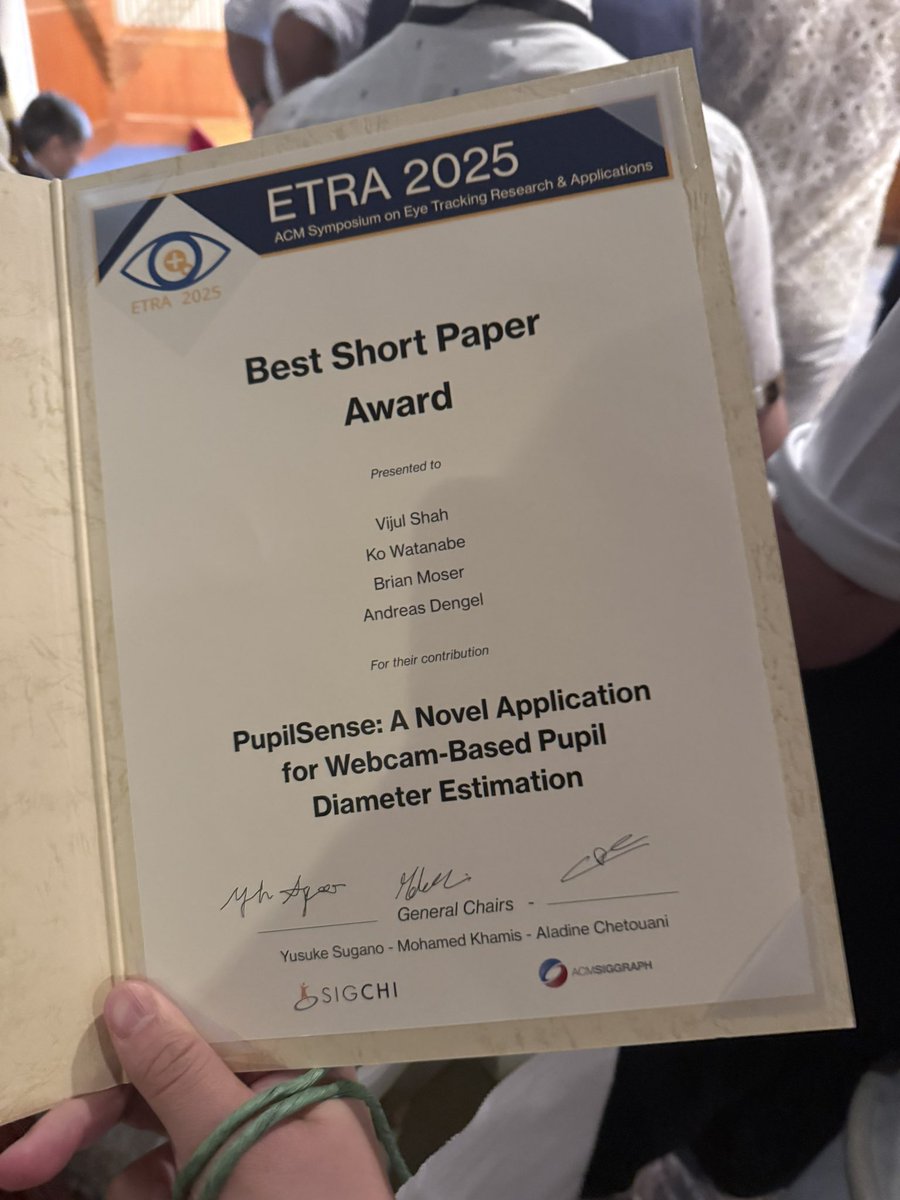
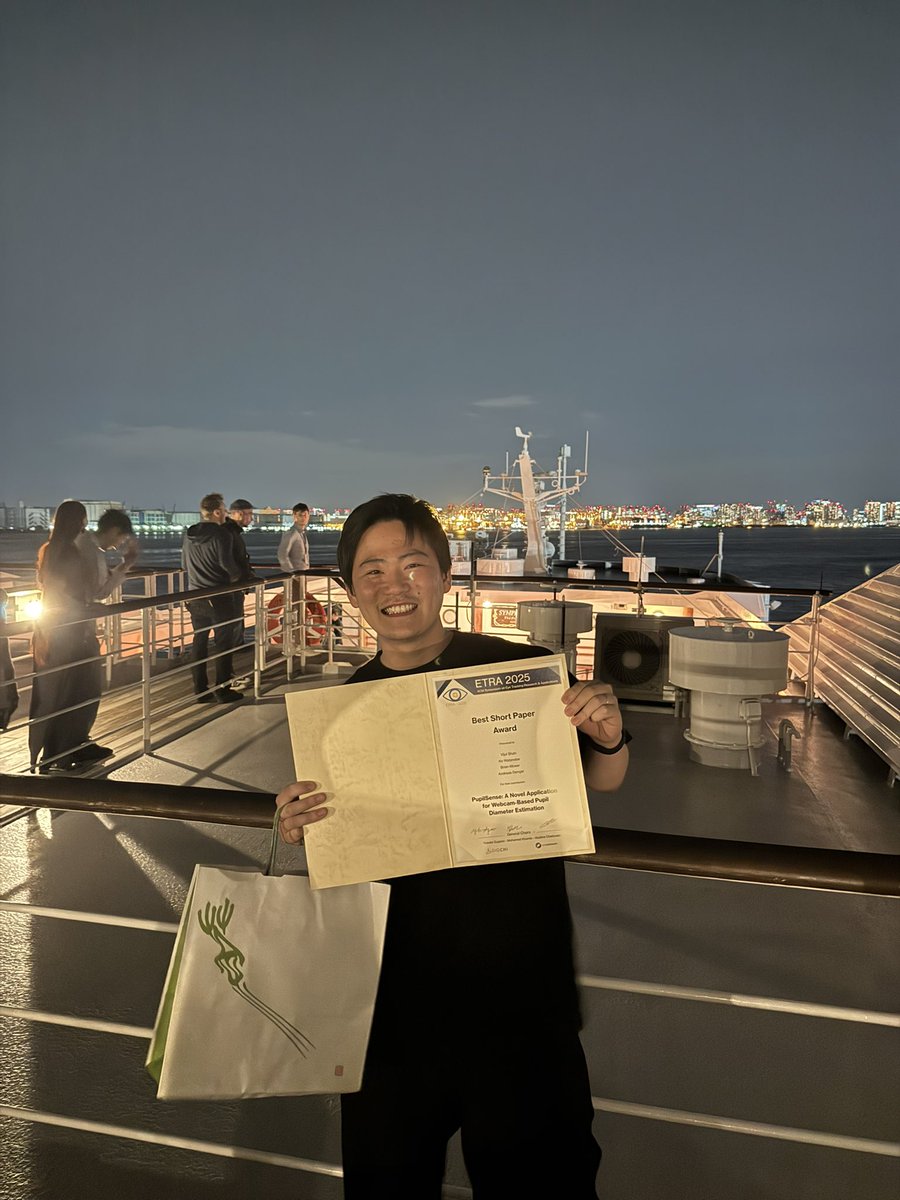
Best short paper award!!! #ETRA2025
Ko Watanabe tweet mediaKo Watanabe tweet media
English
1
2
26
1.4K
Brian B. Moser retweetledi
Stanislav Frolov
Stanislav Frolov@stfrolov·
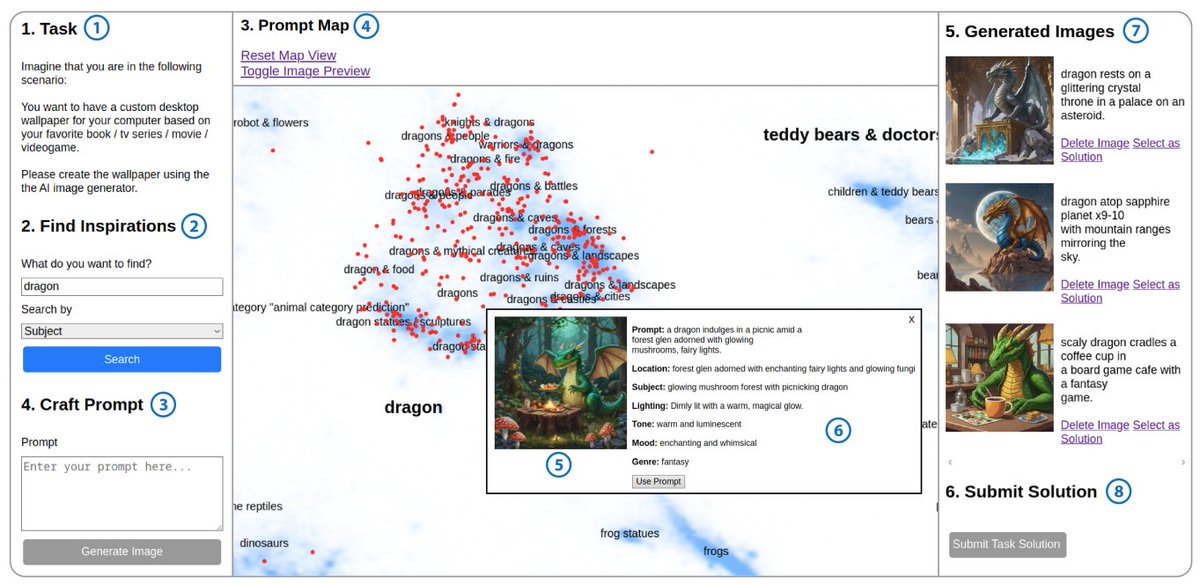
Checkout PromptMap, presented at IUI'25, a new interaction style with text-to-image models/data that allows users to freely explore a vast collection of synthetic prompts through a map-like view with semantic zoom. Paper: arxiv.org/abs/2503.09436 Code: github.com/Bill2462/promp…
Stanislav Frolov tweet media
English
0
1
1
210