

🔲 Roberto Bojorquez
1.3K posts
🔲 Roberto Bojorquez
@bojorchess
Group Product Manager @ Microsoft #Planner #ToDo & Tasks; prev. #PhoneLink |#Inclusive | #blacklivesmatter | #PrideMonth | #StopAsianHate | #Latino 🇲🇽
Washington, USA Katılım Ağustos 2009
707 Takip Edilen830 Takipçiler

Many of you know @JenMsft. She has been *instrumental* in shaping the work we are committing to do in synthesizing a whole lotta of feedback. She is my key partner in ramping and in taking WIP forward. Expect to see and hear more from us as a team. Thank you Jen for all you do in keeping us grounded in the voice of our customers. 🙏🏽
English
🔲 Roberto Bojorquez retweetledi

THE SEATTLE SEAHAWKS ARE SUPER BOWL LX CHAMPIONS. 🏆
English
🔲 Roberto Bojorquez retweetledi


🔲 Roberto Bojorquez retweetledi

Exciting updates for Microsoft Planner at #MSIgnite. Transforming project management for the AI era with agents and Teams integration!
techcommunity.microsoft.com/blog/plannerbl…

English
🔲 Roberto Bojorquez retweetledi

"Someone help me understand using AI to write PRDs" - saw this Reddit post and it perfectly captures the confusion around AI in product work.
Let me break down what's actually happening and what works.
The main debate: Are people using AI as a starting point (smart) or trying to make it own entire documents (problematic)?
Most successful PMs I know record stakeholder meetings, let AI extract requirements, then heavily edit with human judgment.
The context problem is real - AI doesn't know your company politics, technical constraints, or strategic priorities.
One PM shared: "By the time I've given AI enough context to write something useful, I could've written it myself."
But here's the deeper issue: many PRDs have become theater. PMs use AI to write 7-page documents that engineering teams then feed back into AI to summarize. It's artificial work generating more artificial work.
• AI for templates and structure ✓
• AI to spot gaps in your draft ✓
• AI to ask critical questions you missed ✓
• AI to fully own product decisions ✗
The credibility risk is massive. Engineers can spot AI-generated fluff immediately. Nothing kills PM credibility faster than generic "leverage synergies to optimize user journeys" language that sounds like it came from ChatGPT.
Best use case I've seen: PM records requirements meetings → transcription → AI analysis → human-edited draft → stakeholder review session. AI accelerates the process but humans make all the real decisions.
Bottom line: AI should amplify your product thinking, not replace it. If your PRD can be written by AI alone, either the feature is too simple to need documentation or you're not thinking hard enough about the problem.
English
🔲 Roberto Bojorquez retweetledi
Junior PM: We shipped three features this week but users aren't adopting any of them.
Senior PM: How long did you spend deciding what to build?
Junior PM: Not long. We move fast here. Made the call in our Monday standup.
Senior PM: You moved fast alright. In the wrong direction.
Junior PM: but isn’t speed what matters?
Senior PM: Speed without direction is just expensive chaos.
Junior PM: so I should slow down?
Senior PM: You should think slow, then move fast.
Junior PM: what’s the difference?
Senior PM: Thinking is cheap. Building is expensive.
Junior PM: I don’t follow.
Senior PM: You can spend 10 minutes or 10 days thinking about a problem. Both cost almost nothing.
Junior PM: true.
Senior PM: But once you start building, every day costs thousands of dollars in engineering time.
Junior PM: so when should I think slow?
Senior PM: If the decision affects what you build, think slow. If it affects how you build it, move fast.
Junior PM: example?
Senior PM: Should we build a chat feature? Think slow. That’s a what decision.
Junior PM: and move fast when?
Senior PM: Should chat messages be blue or green?
Move fast. That’s a how decision.
Junior PM: but my boss wants decisions quickly.
Senior PM: Your boss wants good decisions quickly. There’s a difference.
Junior PM: how do I explain taking more time?
Senior PM: Tell them you’re preventing expensive mistakes, not causing delays.
Junior PM: what if I’m wrong after thinking slow?
Senior PM: You’ll be wrong less often. And when you are wrong, you’ll know why.
Junior PM: but competitors might ship first.
Senior PM: Better to ship the right thing second than the wrong thing first.
Junior PM: how long should I think?
Senior PM: Until you can explain the problem to a stranger in one sentence.
Junior PM: that’s it?
Senior PM: If you can’t explain the problem simply, you don’t understand it well enough to solve it.
Junior PM: what about urgent requests?
Senior PM: Urgent means someone else failed to think slow earlier.
Junior PM: so I should push back?
Senior PM: Ask one question. What happens if we wait one day to decide?
Junior PM: and if nothing bad happens?
Senior PM: Then it’s not actually urgent. Take the time to think.
Junior PM: this feels uncomfortable.
Senior PM: Good. Discomfort means you’re avoiding the trap of fake urgency.
Junior PM: what’s fake urgency?
Senior PM: When people say it’s urgent because they want it, not because users need it.
Junior PM: how do I tell the difference?
Senior PM: If someone can’t explain the cost of waiting, it’s fake urgency.
Junior PM: what about analysis paralysis?
Senior PM: Set a thinking deadline. If you need more data after that, start building and learn.
Junior PM: so think slow has limits?
Senior PM: Yes. If thinking longer won’t change your decision, stop thinking and start moving.
Junior PM: this seems like a balancing act.
Senior PM: It is. But here’s the secret.
Junior PM: what?
Senior PM: Most PMs think too little and move too much. You’re probably safer thinking more.
Junior PM: how will I know when I’ve thought enough?
Senior PM: When you’re excited to build it instead of anxious about whether you should.
English



@Microsoft365 I learned this one like 30 years too late!
English
🔲 Roberto Bojorquez retweetledi

Sitting down with @ScottVanVliet (CVP Planner - @Microsoft) and @DeployJeremy (@MSFTMechanics) to learn about some of the big bets in task and project management, trends in the AI/ @Copilot / Agents era, and what keeps the team busy. ✅
FULL video coming soon to YouTube.
English
Status reports made easy!
The Project Manager agent in Planner just got a new skill: creating status reports!
techcommunity.microsoft.com/blog/plannerbl…
This feature should reach out 100% rollout in the next few days for plan in English language. More language support coming soon!
English

Sharing one of the areas the team has been hard ar work on, introducing Copilot Notebooks in the Microsoft 365 Copilot App. Copilot Notebooks will help you transform your notes (including OneNote!), documents and data into immediate data and content theverge.com/news/654113/mi…
English
Have you registered yet? Just two weeks to go to the best community event at the most exciting time in tech.
#M365Conf - AI, Collab, Content,
m365conf.com
Microsoft Adoption & Community@MSFTAdoption
✨ Make a plan to meet Roberto Bojorquez (@bojorchess) and the #Planner crew in Vegas at #M365Con. Roberto has event ‘tasks’ for you - To hear how you like their new #AI and agent features, and what they should deliver next. Register today ✅ aka.ms/M365Con25 @M365Conf
English
🔲 Roberto Bojorquez retweetledi
Register Today - Just two weeks to go to the best community event at the most exciting time in tech.
#M365Conf - AI, Collab, Content
m365conf.com

English
🔲 Roberto Bojorquez retweetledi
Most product management advice about roadmaps is useless in the real world.
"Start with strategy, then build your roadmap!"
But what happens when leadership demands a 12-month roadmap and your product strategy is unclear or non-existent?
I spent years stuck in these exact situations.
What follows is exactly what I wish someone had told me.
The "no-strategy roadmap crisis" is the dirty secret of product management.
Saying "I can't create a roadmap without strategy" feels right, but it often doesn't work in practice.
Veterans know: You need a third approach that creates leverage without making you look difficult.
Most PMs make one of two fatal mistakes when asked for a roadmap without strategy:
1. Silently create a feature list disguised as a roadmap (builds wrong things)
2. Push back and refuse to create anything until perfect strategy exists (damages relationships)
Both paths lead to career damage and wasted effort.
There's a better way.
The Strategic Assumptions Roadmap method works because it:
- Satisfies leadership's need for clarity
- Creates space for proper strategy work
- Avoids committing to the wrong things
- Positions you as a strategic thinker
Here's how to implement it, step by step:
STEP 1: Create a single-page "Strategic Context" document with these headings:
- Business objectives we're pursuing
- Customer problems we're solving
- Constraints we're operating under
- Open strategic questions
- Key assumptions we're making
STEP 2: For each section, write down both what you know and what you don't know.
For example:
"We know we need 30% revenue growth, but we don't know which customer segment will deliver the highest LTV."
This makes invisible assumptions visible.
STEP 3: Draft your roadmap organized by confidence levels, not quarters:
HIGH CONFIDENCE (1-3 months)
- Items with clear strategic alignment
MEDIUM CONFIDENCE (3-6 months)
- Dependent on key assumptions
LOW CONFIDENCE (6-12 months)
- Strategic exploration areas
STEP 4: Create explicit connections between:
- Each roadmap item
- The business objectives it serves
- The customer problems it addresses
- The assumptions it depends on
This is the key step most PMs miss that creates strategic leverage.
STEP 5: Present both documents as a package, explaining:
"This roadmap is based on these strategic assumptions. As we learn more, some items will change. The further out we go, the more flexibility we need."
This approach works because you're not saying NO to the roadmap request.
You're saying YES AND adding the strategic context that was missing.
This gives leadership what they need while protecting your team from building the wrong things.
BUT WHAT ABOUT...
"Leadership won't give me time for this"
→ Do a simplified version in 1 hour. Even a rough strategic context is better than none.
"I don't have authority to define strategy"
→ You're not defining it. You're documenting current understanding and highlighting gaps.
"I don't know enough about business goals"
→ That's precisely why this approach works. By highlighting what's unclear, you create space for those conversations.
"Others deliver roadmaps without this fuss"
→ And they often deliver the wrong things. This approach actually increases your execution speed by avoiding rework.
You not only survive the "roadmap without strategy" crisis, you use it as leverage to drive strategic clarity.
---
Last week, a PM reached out with this exact scenario:
"I just joined a travel e-commerce company managing three major websites. They get traffic through Google Ads, some SEO, and email marketing. My boss wants a strategy to increase conversion by 25% across all sites this year. I have a few engineers, one designer, a homegrown A/B testing platform, and minimal analytics. There's technical debt, no UX research team, but plenty of customer service reps nearby. The executives want this strategy in 3 DAYS. What do I do?"
This is exactly the kind of "strategy crisis" scenario that happens in real life.
Let me walk you through what I'd do in this specific situation:
Day 1: Rapid Information Gathering
Your first day should focus on gathering all available information to form a baseline understanding:
Analytics Review:
- Pull current conversion rates for all three websites
- Identify which pages have the highest drop-off rates
- Look for any conversion patterns by traffic source, device type, or user segment
Customer Service Conversations:
- Schedule 30-minute sessions with 3-4 customer service reps
- Ask: "What are the top 3 complaints or issues customers mention about the booking process?"
- Ask: "What questions do customers ask most frequently before completing a purchase?"
Technical Assessment:
- Review the A/B testing platform capabilities and limitations
- Identify what user behaviors are currently being tracked
- Determine how quickly new tracking can be implemented
Day 2: Create the Strategic Context Document
Create a single-page document with these five sections:
1. Business Objectives
25% conversion rate increase across all websites
What we don't know: How this target breaks down by site, whether certain sites should be prioritized, or if there are other business metrics (like average order value) that matter
2. Customer Problems
List the top 3-5 issues identified from customer service conversations
What we don't know: Which problems impact conversion most significantly, how problems vary by user segment
3. Technical Constraints
- Limited instrumentation/analytics
- Technical debt affecting implementation speed
- A/B testing platform capabilities and limitations
- Small team
4. Open Strategic Questions
- Which parts of the funnel offer the greatest opportunity for improvement?
- Are there specific user segments underperforming?
- Which websites should be prioritized?
- What's the relationship between UX improvements and conversion?
- How much do technical performance issues impact conversion?
5. Key Assumptions
- Most conversion issues are UX-related rather than pricing/offering problems
- Similar improvements will work across all three websites
- We can identify conversion issues with limited data
- We can make meaningful progress despite technical debt
Day 3: Create Your Confidence-Based Roadmap
Structure your roadmap by confidence level, not by quarters:
HIGH CONFIDENCE (Weeks 1-4)
- Implement basic funnel analytics to track user journeys
- Fix 3-5 most obvious UX issues identified by customer service
- Set up regular user testing sessions with recruited customers
- Create a dashboard to monitor conversion metrics daily
MEDIUM CONFIDENCE (Months 2-4)
- Implement and test hypothesis-driven UX improvements at key drop-off points
- Explore personalization for high-value segments
- Address critical technical debt affecting page load times
- Improve form validation and error messaging
LOW CONFIDENCE (Months 5-12)
- Explore machine learning for personalized recommendations
- Test major funnel redesigns
- Implement dynamic pricing strategies
- Explore new payment options
The Executive Presentation
When presenting to executives, take this approach:
- Start with acknowledgment: "Three days isn't enough time for a comprehensive strategy, but I've developed a structured approach to get us to 25% improvement."
- Present both documents: Show the Strategic Context first, then the confidence-based roadmap.
- Be explicit about what you don't know: "These are the critical questions we need to answer in the first month to refine our strategy."
- Propose a 4-week discovery sprint: "I recommend we spend the first 4 weeks implementing basic analytics, fixing obvious issues, and validating our assumptions before committing to the full 12-month plan."
- Ask for specific guidance: "Can you help clarify which websites should be prioritized based on business value?"
Why This Works
This approach works because you're:
- Delivering what executives asked for (a strategy document)
- Being honest about limitations and assumptions
- Creating a clear learning plan to reduce uncertainty
- Showing strategic thinking despite limited information
I've found that when facing these impossible timeline situations, this structured approach to making assumptions visible while creating immediate action plans earns respect from leadership.
English

I used to love it out here. Now when I come out here to communicate for my job it's SO VERY DIFFICULT to not touch the bricks. Trying to stay focused and positive here is a challenge but I'll keep going. #CommunityLuv #PositiveVibes
English
🔲 Roberto Bojorquez retweetledi

Announcing the latest features in Planner! Learn how to easily reorder columns in basic plans, get a comprehensive view of all due date categories in Board view, and save filters in premium plans: msft.it/6018qxZYO #MicrosoftPlanner

English
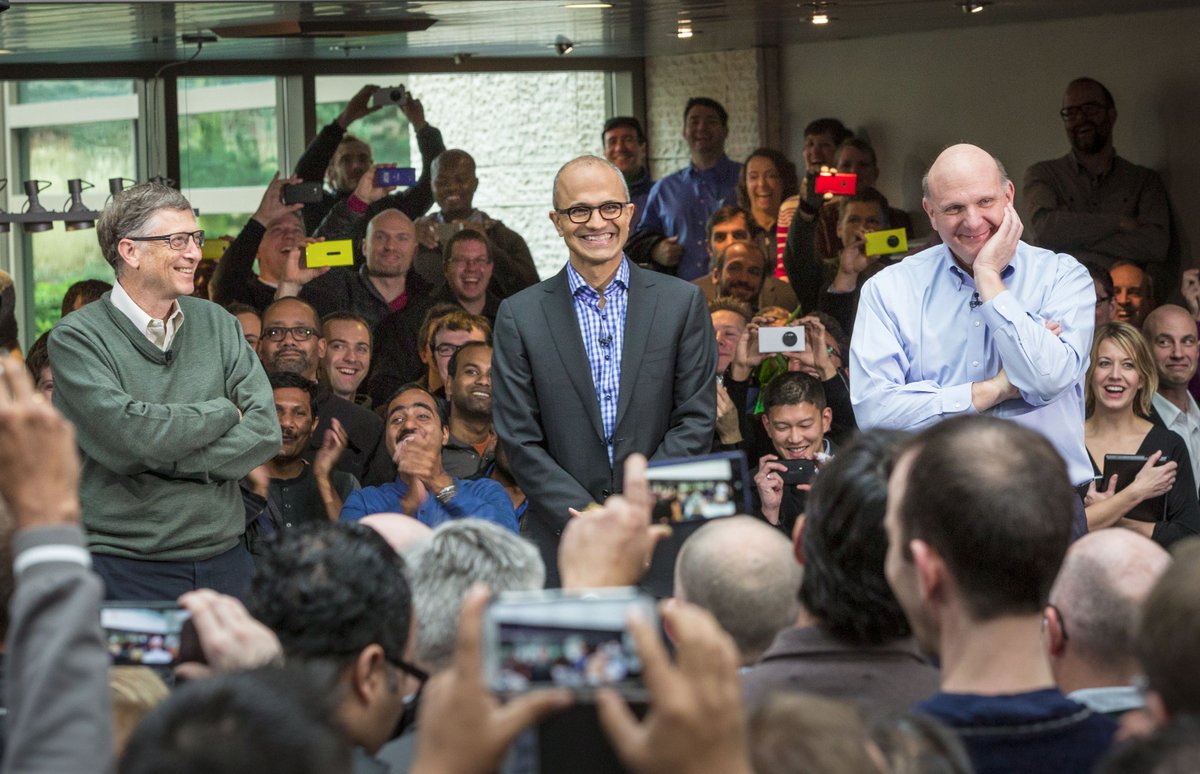
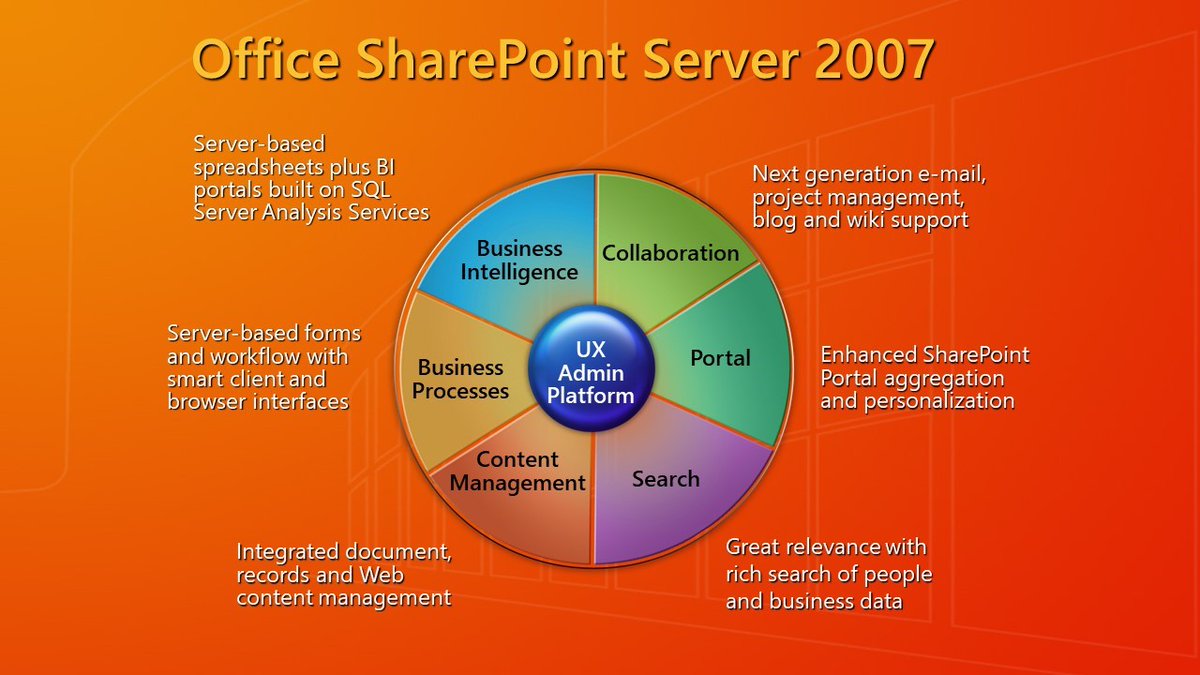
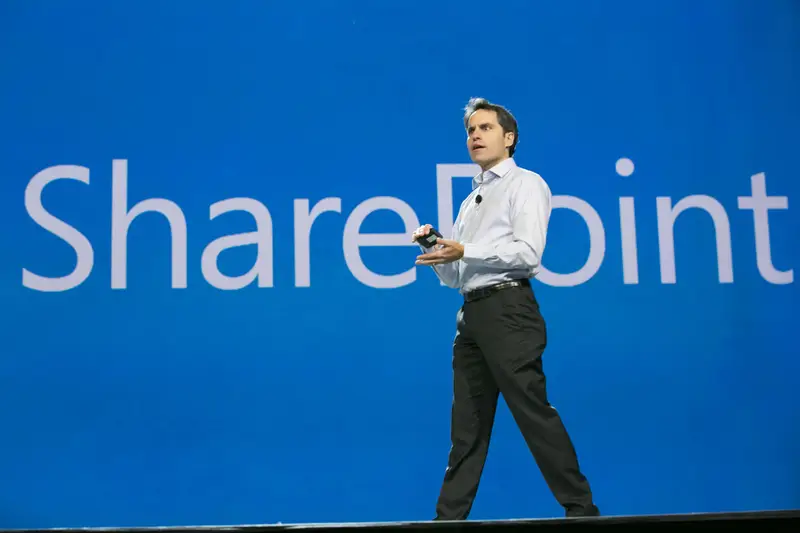
@SharePoint @BillGates @PaulGAllen @jeffteper @Microsoft365 @Microsoft @satyanadella @Steven_Ballmer The secret behind it 👀

English

5️⃣0️⃣ years ago, I was but a glimmer in @BillGates and @PaulGAllen's eyes. 👀
2️⃣5️⃣ years later, @JeffTeper brought that glimmer to life. 🙌
What a ride into @Microsoft365! ☁️
🟥🟩
🟦🟨 #ThankYou, @Microsoft 💚
#Microsoft50 🥳 #SharePointAlmost25 🎂
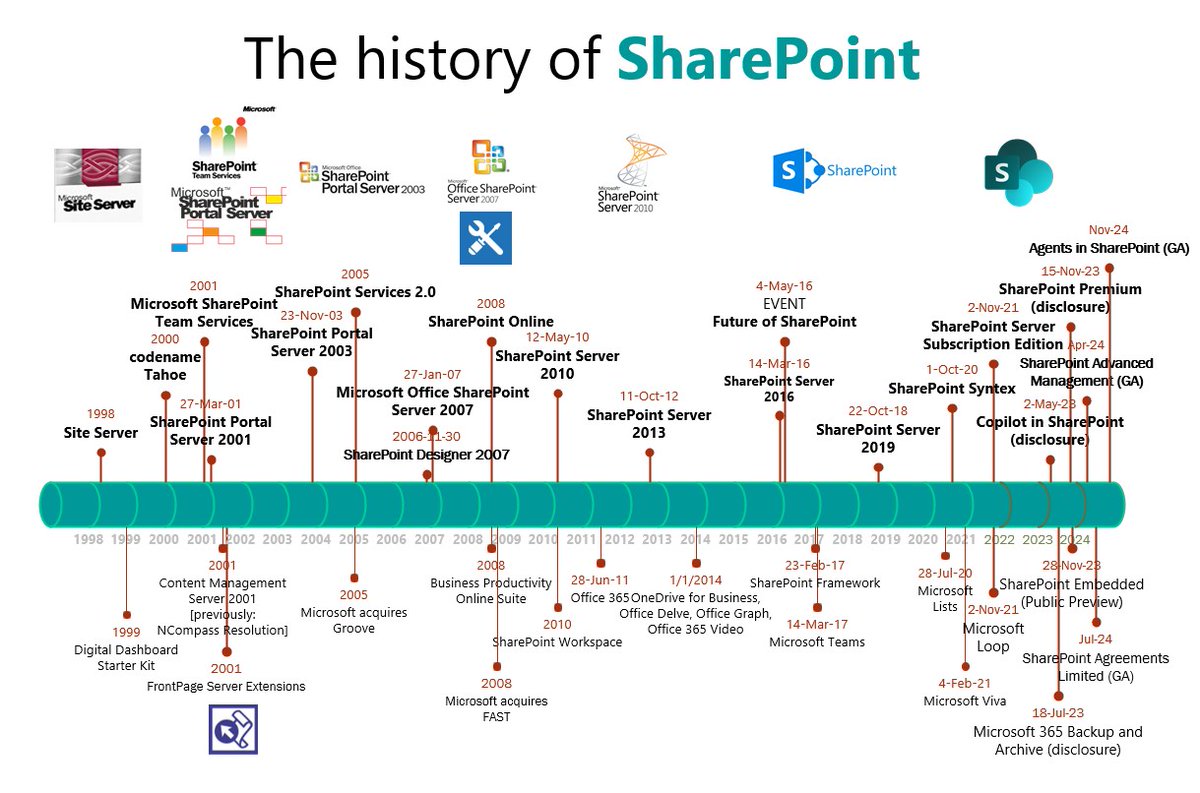
English
Happy 50th anniversary #Microsoft50!
Proud of being there for more than 1/3 of the journey.
Intern in 2005 to still going in 2025


English
🔲 Roberto Bojorquez retweetledi

I've always "leapt before I looked" with decisions at work, and it led to a successful career as an Amazon VP. I absolutely made mistakes, but being high-agency and having bias for action outweighed those mistakes.
High performers are a dime a dozen. High-agency leaders are much rarer. These are the people who take action, take responsibility, and don’t make excuses. Here is how you can become one of these people:
Stop blaming external factors.
Most people blame their problems or failures on things that will make these issues “not their fault.” For example: the economy, their boss, their coworkers, their employees, the government.
The problem with this is that even when it is true, this blame is always unhelpful. A slow economy may actually be the reason you don’t have a job, but that thinking does not get you any closer to getting a job.
In leadership, it may actually have been your boss/coworker/employee that screwed up or made something go wrong. Or maybe the economy or new regulations really are hurting your team’s performance.
The problem is that your stakeholders will not be satisfied with this explanation. Even if they are satisfied, they certainly won’t be impressed.
The mental trap of external blame is so powerful because it makes us feel better and we can often justify it with logic. But once you shift your focus from “Why did this fail?” to “What can I personally do to make it succeed?,” you have become high agency.
This is necessary for success as either an entrepreneur or a corporate executive.
You can begin improving this skill today by doing three things:
1) Watch your language
Every time you blame an external factor for something, pause. Add “I can change/improve this by doing X.”
This isn’t about denying reality; it is about shifting your focus in a way that empowers you.
2) Stop focusing on what others “should” do
Just like blaming external factors, it is tempting to say “Well, if marketing would just…” or “Joe should be the one doing that.”
Again, you may be right, but this is unhelpful. Shift your focus to “What can I do to influence this outcome?” If you are truly waiting on someone else to do something, then your action will be influencing them to deliver what you need.
3) Process emotions, then take action
It is ok to be frustrated that someone or something has made your life harder. We don’t need to pretend that this doesn’t happen. What high-agency people do, however, is take a limited amount of time to feel that frustration, and then they take action.
They do not wallow.
Readers— What aspiring leaders do you know that would benefit from this?
How else can we cultivate high agency?
English