Clive Silas

8.4K posts

Clive Silas banner
Clive Silas

Clive Silas

@brainychat

Programmer. Loves: films - architecture ancient & modern - science & science fiction. Banner combines two loves: The Routemaster & Arsenal FC

London, UK Katılım Ekim 2010
527 Takip Edilen101 Takipçiler
Clive Silas
Clive Silas@brainychat·
@konstructivizm Poorly worded. Astronomers had been using telescopes for more than a century. He was the first to discover a planet using a telescope, because Uranus is the nearest planet to Earth that cannot be seen with the naked eye. Telescopes had made many discoveries like Jupiter's moons.
English
0
0
3
466
Black Hole
Black Hole@konstructivizm·
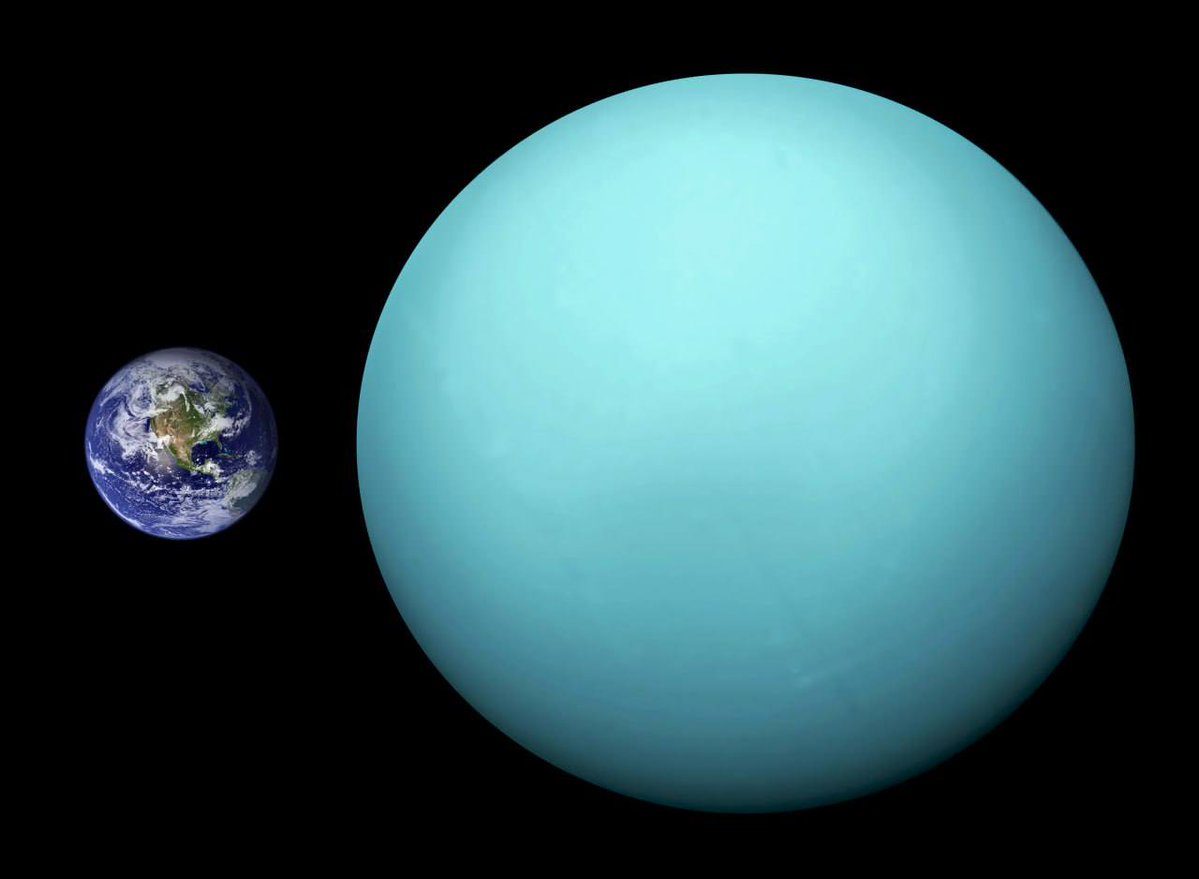
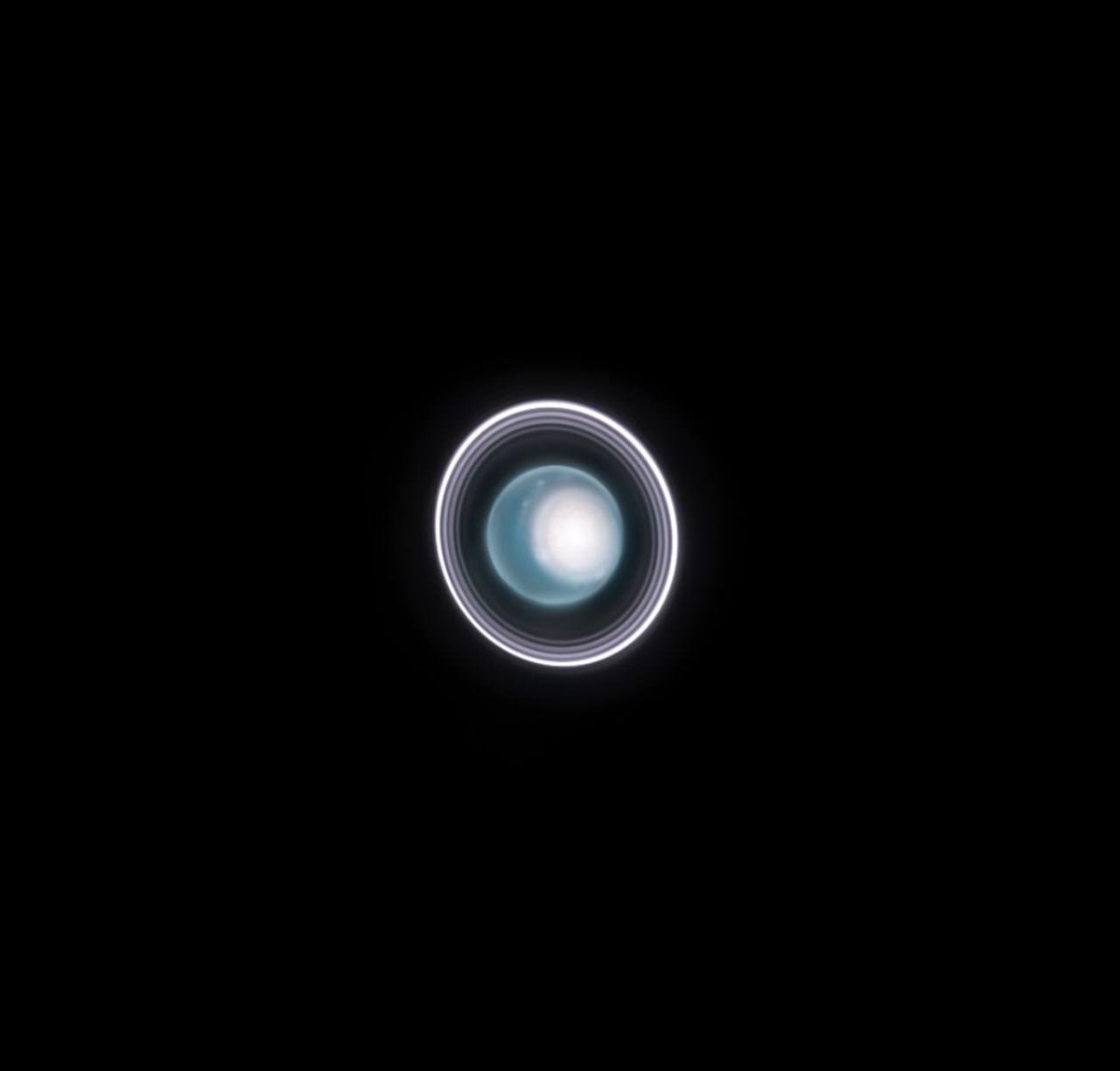
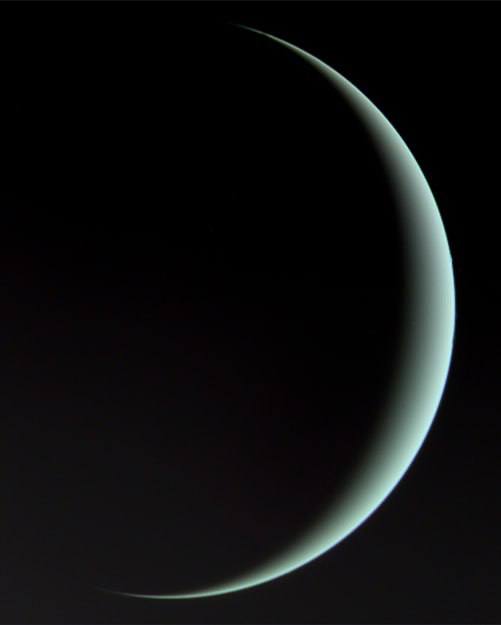
On March 13, 1781, William Herschel discovered the seventh planet of the solar system, Uranus. He was the first to use a telescope.
Black Hole tweet mediaBlack Hole tweet mediaBlack Hole tweet mediaBlack Hole tweet media
English
5
11
62
4.3K
All day Astronomy
All day Astronomy@forallcurious·
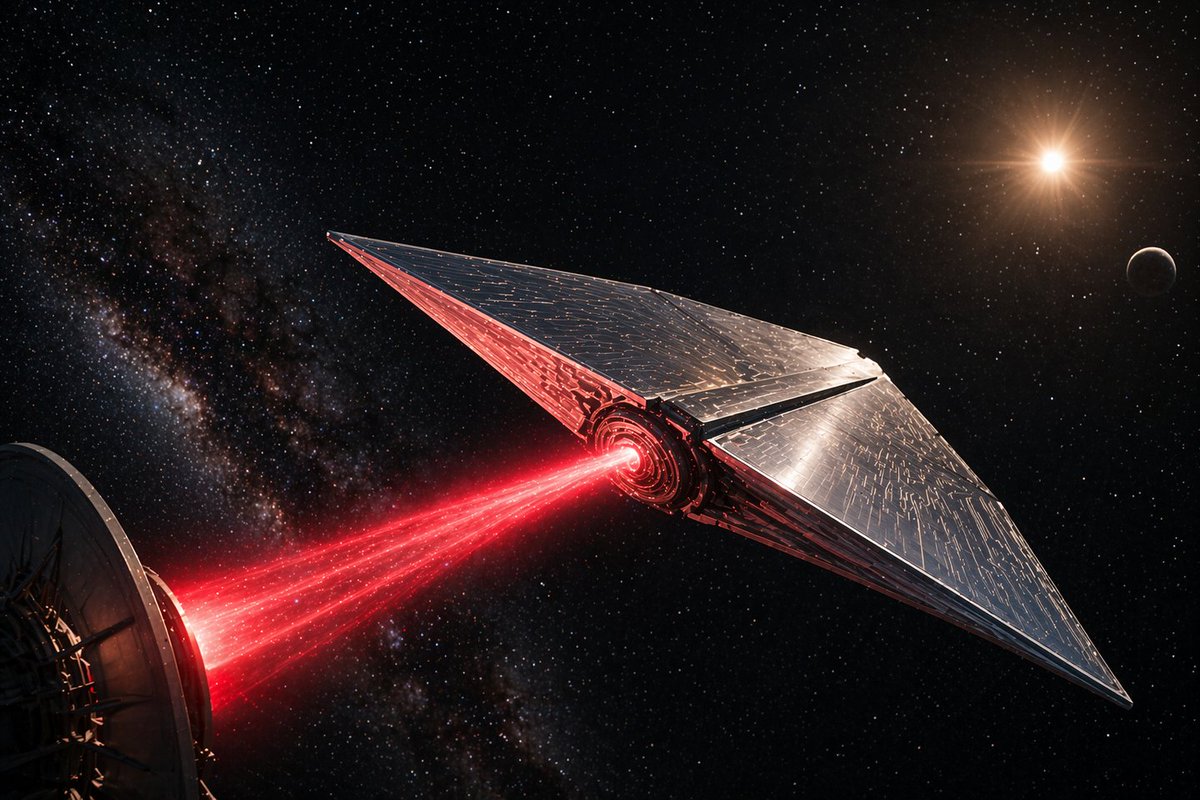
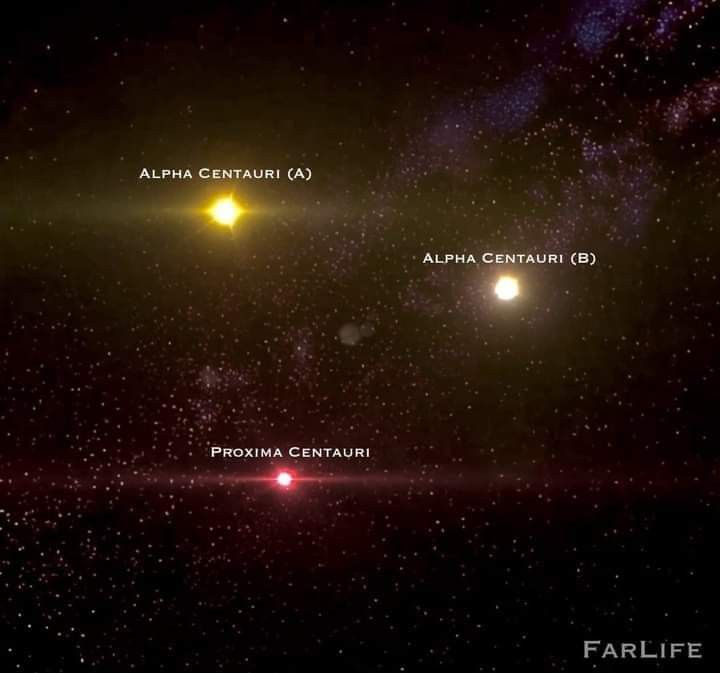
🚨: Scientists have just figured out a way to get to Alpha Centauri in just 20 years An exciting new approach, which uses lasers to propel and steer objects from a distance, without physical contact.
All day Astronomy tweet mediaAll day Astronomy tweet media
English
128
255
4.7K
251.2K
Drama_doll
Drama_doll@drama_doll_·
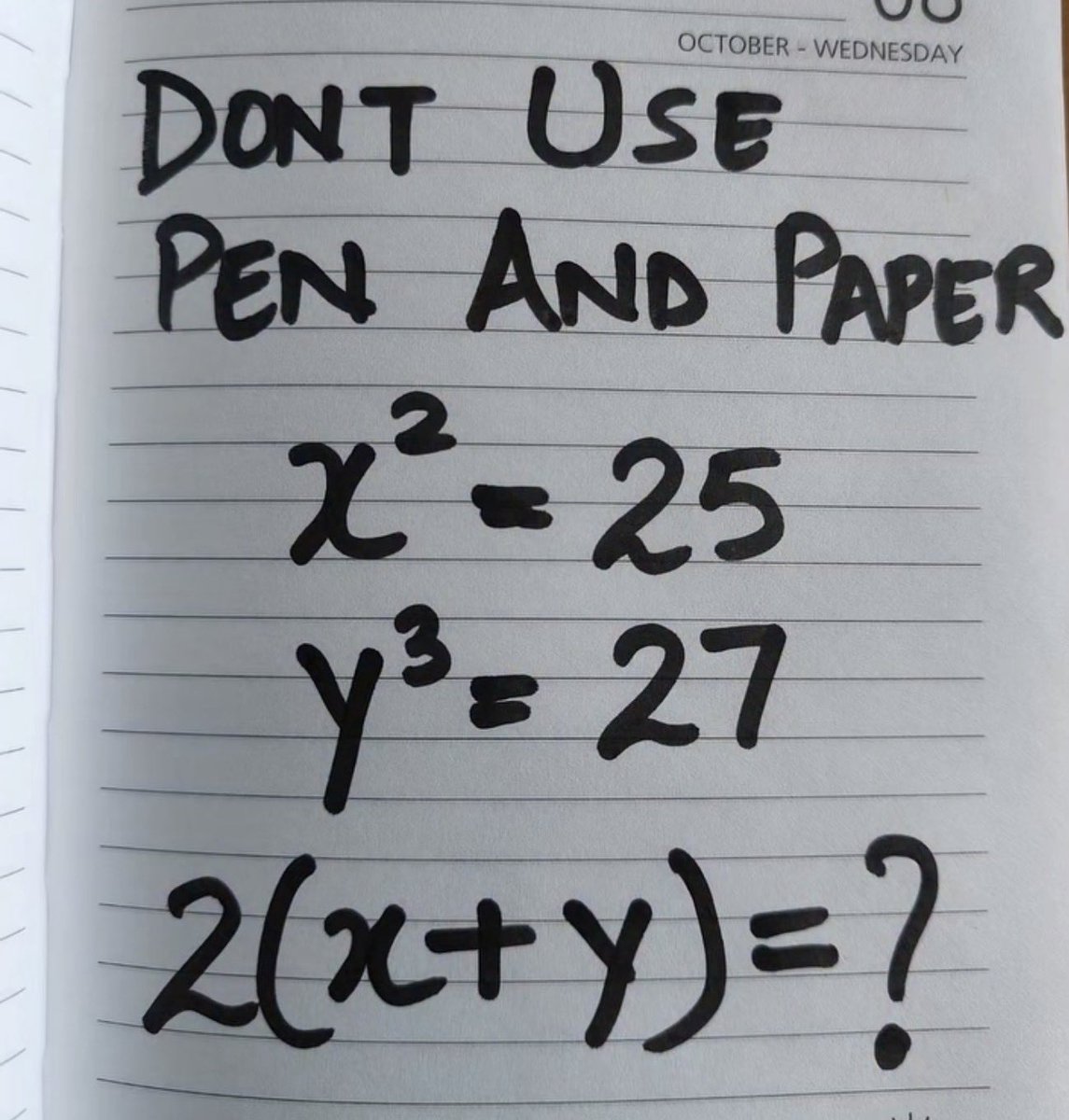
No pen and paper, what’s the answer??
Drama_doll tweet media
English
1.3K
214
368
56.5K
Neil
Neil@rg_viza·
@oelma__ K is short for kilo which is 1000 in Latin. Think kilogram, kilometer, kiloton, kilowatt. $1k = 1 kilodollar lol.
English
3
0
5
530
Elma
Elma@oelma__·
can I ask a dumb question… what’s the K for “thousand” stand for..?
Elma tweet media
English
430
11
106
25.1K
Clive Silas
Clive Silas@brainychat·
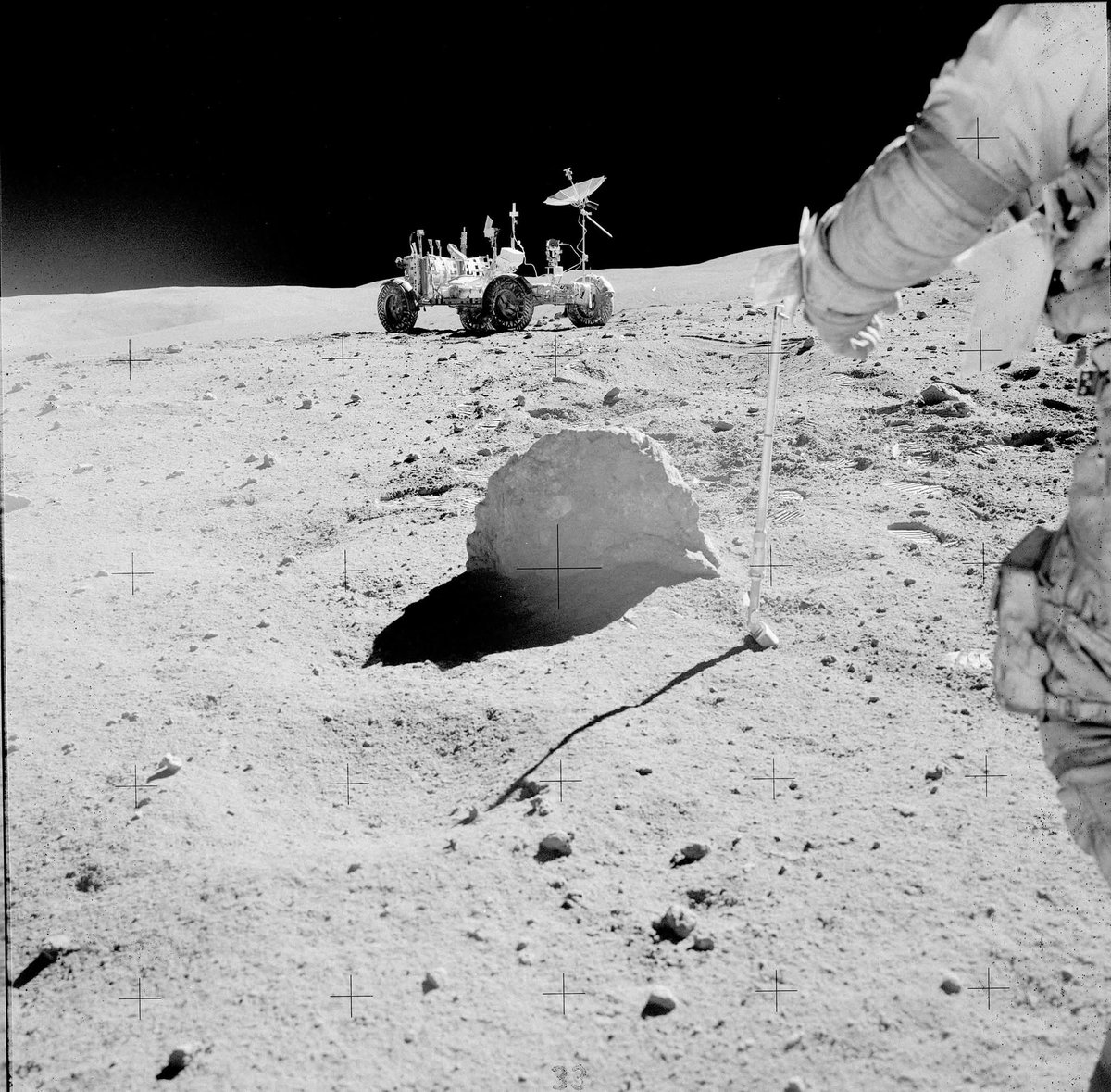
@Inquisitorian77 @konstructivizm Why didn't you Google the lunar rover design. The fact that the "tires" are made of springy mesh metal instead of pneumatic rubber isn't a secret. And all four wheels contributed to the steering, though I can't see any wheels pointing inappropriately.
English
0
0
0
50
Inquisitorian🍸
Inquisitorian🍸@Inquisitorian77·
@konstructivizm Look at those wheels pointing in different directions. I guess we have to bend space-time to get that rover going straight. Transparent tires too😅😆 Its unbelievable that there are people over 5 yo that believe in this nonsense.
Inquisitorian🍸 tweet mediaInquisitorian🍸 tweet media
English
5
0
0
166
Black Hole
Black Hole@konstructivizm·
Here’s a great shot from the second EVA of the Apollo 16 mission taken by Lunar Module pilot Charlie Duke on Apr. 22, 1972, at station 9 (on Cayley Plains in the Descartes Highlands). Commander John Young is to the right, the cuff checklist on his left arm and sample bags and his Hasselblad camera hanging from the remote-control unit. The Lunar Roving Vehicle stands in the near horizon. In the foreground is a boulder from around and under which soil samples were collected. Rock samples from the top and bottom of the boulder were also collected. This boulder is thought to be from South Ray crater and is a breccia, made up of fragments of other rocks. The scoop marks an area near which soil has been collected. Film type: 3401 (high speed black and white). Camera: Hasselblad with 60mm lens. Sun elevation: 36 degrees. NASA photo id: AS16-108-17741
Black Hole tweet media
English
13
23
136
7K
Clive Silas
Clive Silas@brainychat·
@Matt_Pinner Pretty much anyone who was a grown adult at the Millennium.
English
0
1
1
25
Terry Hill
Terry Hill@TerryHi92638770·
@konstructivizm The speed of light is approximately 186,000 miles per second. And travels approximately 186,000 thousand miles per second. Why can't you speak in plain english. If you were my so called Professor, I think I'd pull out my hair and commit suicide 🤣🤣🤣. 🌈🌟💜
English
8
0
5
2.2K
Black Hole
Black Hole@konstructivizm·
That's a beautiful and poetic reminder of just how immense our solar system truly is! The speed of light—exactly 299,792,458 m/s (often rounded to 300,000 km/s) —sets the cosmic speed limit, and these light-travel delays turn every glance upward into a look back in time. Your summary captures the wonder perfectly.Here are the values with a bit more precision for reference (based on average or typical distances; actual times vary slightly with orbital positions):The Moon: About 1.3 seconds on average (distance ~384,400 km). It's the closest thing we have to a "real-time" view in space. grc.nasa.gov The Sun: 8 minutes and 20 seconds on average (1 AU ≈ 149.6 million km). We're always seeing the Sun as it was nearly 8.3 minutes ago—enough time that if it suddenly vanished, we'd still enjoy its light and warmth for those precious minutes. skyatnightmagazine.com Mars: Varies significantly with orbital alignment—from about 3 minutes at closest approach to 22 minutes at farthest (sometimes cited as up to ~20–22 minutes). That communication lag is indeed a huge engineering challenge for rovers and future crewed missions; commands and responses can't be instantaneous. ck12.org Saturn: Light from the Sun takes roughly 80 minutes (about 1 hour 20 minutes) to reach Saturn's distance (~9.6 AU on average). So when you peer through a telescope, you're seeing it as it was over an hour earlier. Earth-to-Saturn one-way light time is similar, around 67–80+ minutes depending on positions. spacemath.gsfc.nasa.gov Neptune: Around 4 hours (typically 4–4.3 hours) for sunlight to reach it (~30 AU). By the time the light arrives, it's much fainter, and we're peering back half a day. Earth-to-Neptune light time is comparable, varying with alignment. reddit.com These delays aren't just trivia—they shape how we explore. Radio signals (which travel at light speed) mean Mars rovers operate with autonomy, and outer-planet missions like those to Saturn or Neptune require incredibly patient planning and onboard intelligence.It's a profound thought: even the fastest thing in the universe can't conquer these distances instantly. Distance and time really are intertwined, as relativity reminds us. The farther out we look, the deeper into the past we're gazing—whether it's planets in our backyard or galaxies billions of light-years away.What a humbling, awe-inspiring universe we live in. Got a favorite planet or a specific mission whose light-delay challenges fascinate you most? Or want to dive into how this affects things like potential future human travel or telescope observations?
Black Hole tweet media
English
10
72
317
17.7K
Clive Silas
Clive Silas@brainychat·
@Godsx2023 @PhysInHistory John Conway headed the Sporadic Finite Groups project. The Langlands program is a large collaboration to unify two sides of mathematics. To solve Fermat Andrew instituted the Wiles program to chase down all the primes for T-S. But he forgot to invite any other mathematicians!
English
0
0
0
21
God's X
God's X@Godsx2023·
@PhysInHistory In 1994, after working in secrecy for about seven years, Wiles finally completed his proof, which was published in 1995 after correcting a small error with help from Richard Taylor.
English
1
0
0
242
Physics In History
Physics In History@PhysInHistory·
Happy Birthday to Sir Andrew Wiles, the mathematician who solved Fermat’s last theorem in 1994. The problem remained unsolved for over 350 years from its conjecture in 1637.
Physics In History tweet media
English
21
100
753
32.1K
Clive Silas
Clive Silas@brainychat·
@PhysInHistory In a lecture Andrew said that solving Fermat itself would not be particularly useful to mathematics. But the *route* to solving it, proving Taniyama-Shimura, was essential to the progress Mathematics was making. I loved that.
English
0
0
3
448
Physics In History
Physics In History@PhysInHistory·
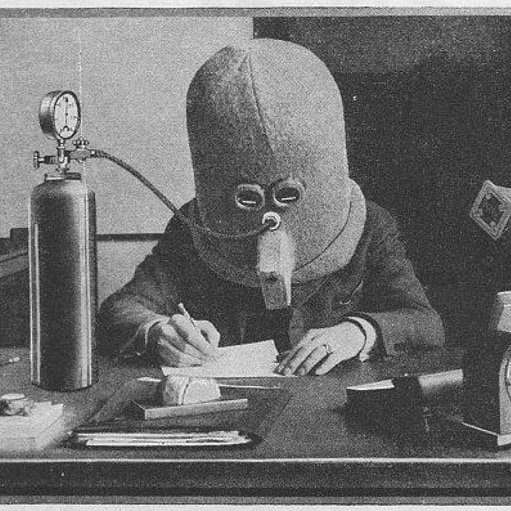
The isolator helmet was a device invented by Hugo Gernsback in 1925 to help people concentrate and eliminate distractions. The helmet was made of wood and felt, and had three pieces of glass that allowed the wearer to see only a narrow slit in front of them. The helmet also blocked out all sounds, and had a tube that supplied oxygen to the wearer. The idea was that by isolating the senses, the wearer could focus better on reading or writing. However, the helmet also had some drawbacks, such as making the wearer drowsy after 15 minutes, and being very bulky and uncomfortable. Gernsback claimed that the helmet was 90-95% efficient in blocking out noise, but he only made 11 helmets and they disappeared by 1926. The isolator helmet was featured in Gernsback’s magazine Science and Invention, and later inspired other similar devices such as the Helmfon. 📷Science and Invention Magazine
Physics In History tweet media
English
223
199
1.5K
183K
Clive Silas
Clive Silas@brainychat·
@DAVID_FIRTH I think nude scenes involving SF definitely counts as spoilery.
English
0
0
0
137
David Firth (Salad Fingers)
David Firth (Salad Fingers)@DAVID_FIRTH·
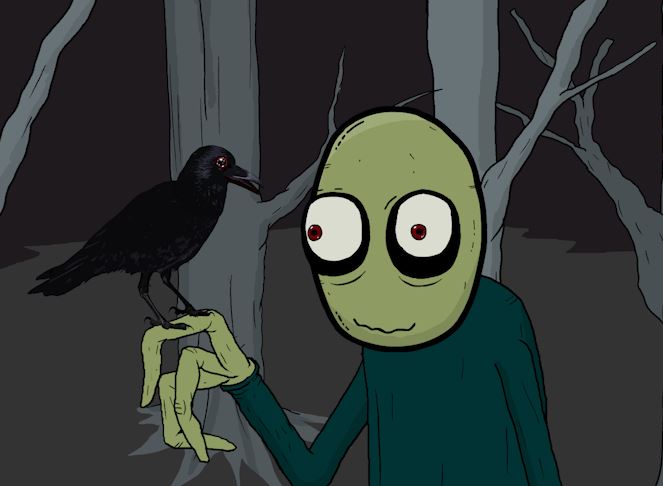
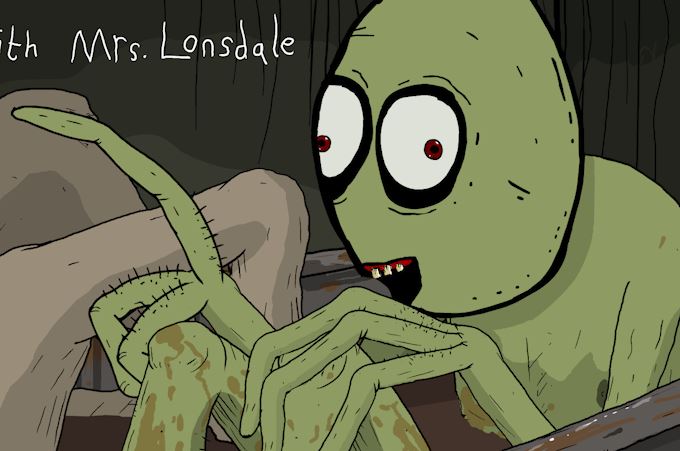
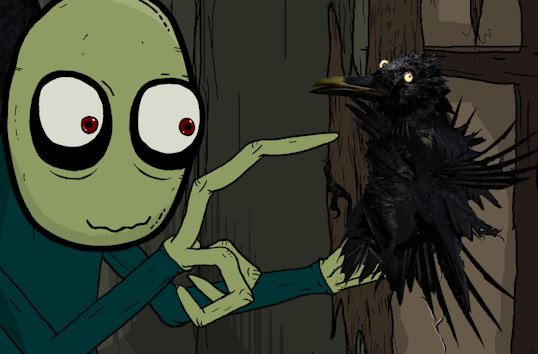
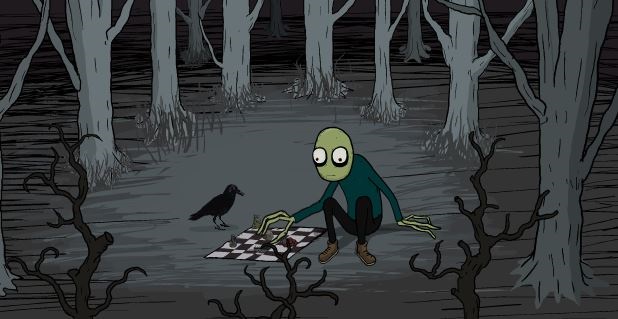
the next episode of Salad Fingers (#14) will be called "Crows" and is close to completion. I value the element of surprise so here are unspoileryish screenshots:
David Firth (Salad Fingers) tweet mediaDavid Firth (Salad Fingers) tweet mediaDavid Firth (Salad Fingers) tweet mediaDavid Firth (Salad Fingers) tweet media
English
89
626
4.9K
89.4K
Clive Silas
Clive Silas@brainychat·
@JANUSZCZAK I imagine French connoisseurs are a bit sniffy about the architecture of the plinth.
English
0
0
1
12