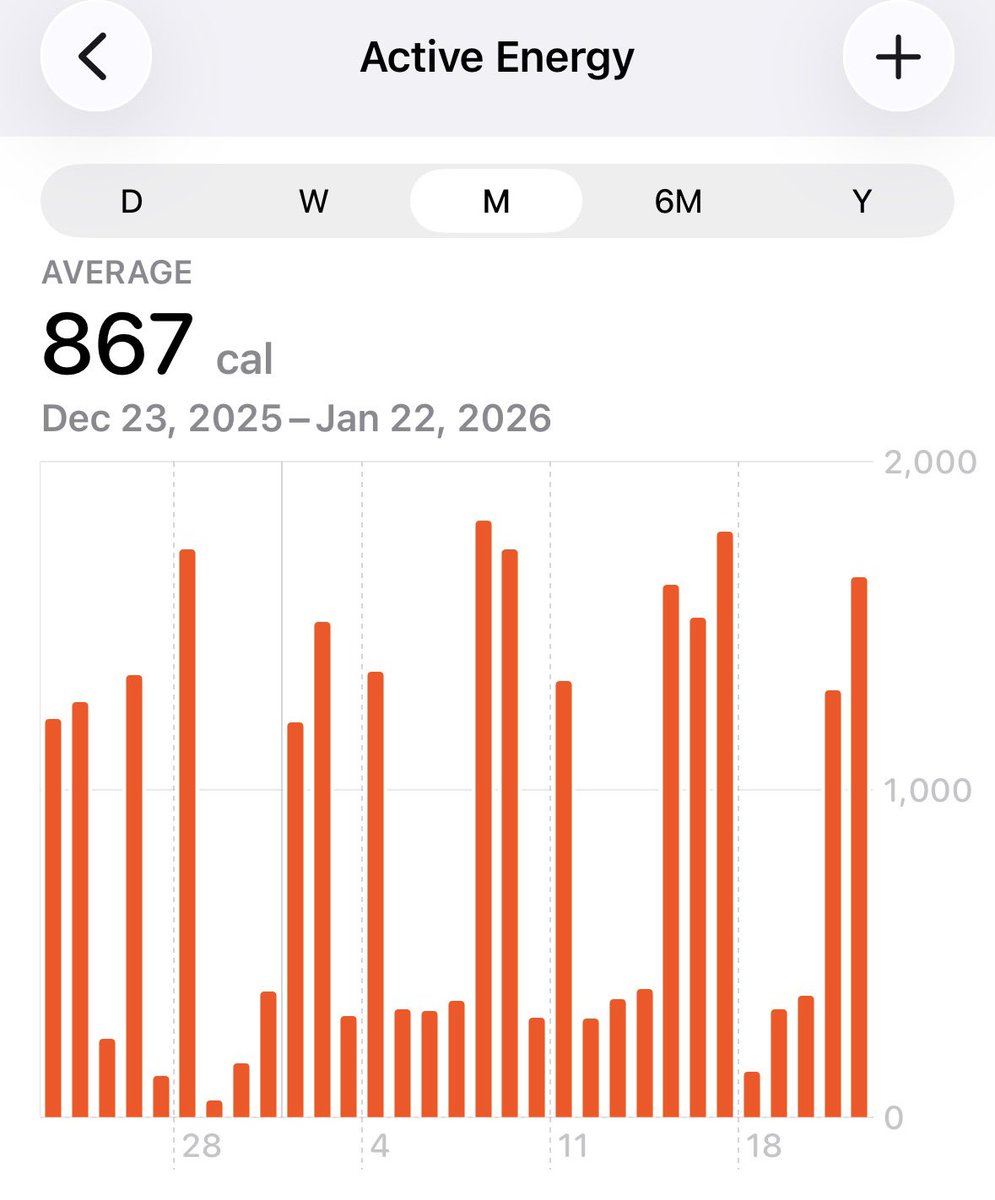
@morallawwithin wonder if what he and Sam are describing are just people starving and feeling the drain without registering it
like getting blood drawn
English
breadphobic
16.5K posts

@breadphobic2
classical liberal, nets & giants.
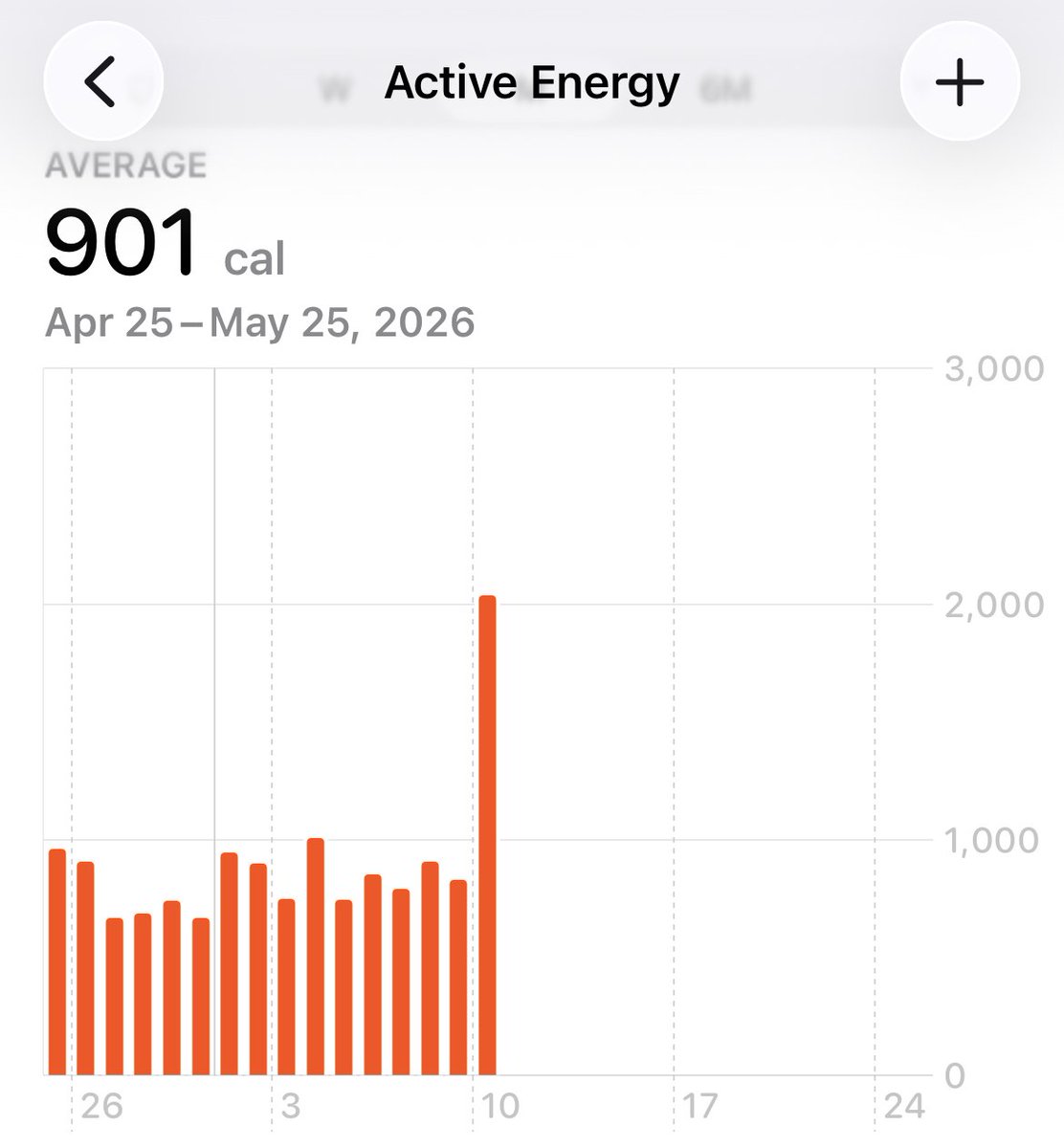
only in nyc: > early morning full body workout > drank 100oz of water > on track for 120g of protein > walked 7k steps > drank matcha > maxed out my Claude limits

You wouldn't date your looksmatch...
The spice Nutmeg was only grown on a couple of islands in Indonesia 85% of those islands native population was wiped out by the Dutch East Indian Company for no other reason than to have a monopoly on the product


A striking depiction of the Fasting Buddha (Siddhartha Gautama) during his period of extreme asceticism prior to achieving enlightenment. This style, showcasing emaciated features, prominent ribs, and visible veins, is a hallmark of ancient Gandharan art.
1) My ma and pa both climbed the latter of pink/blue collar work. My Pa, in law enforcement and my Mother in medicine. For a while i was riding high in the upper middle of my geography, I had everything and wanted for nothing I was very vain, misbehaved, entitled etc

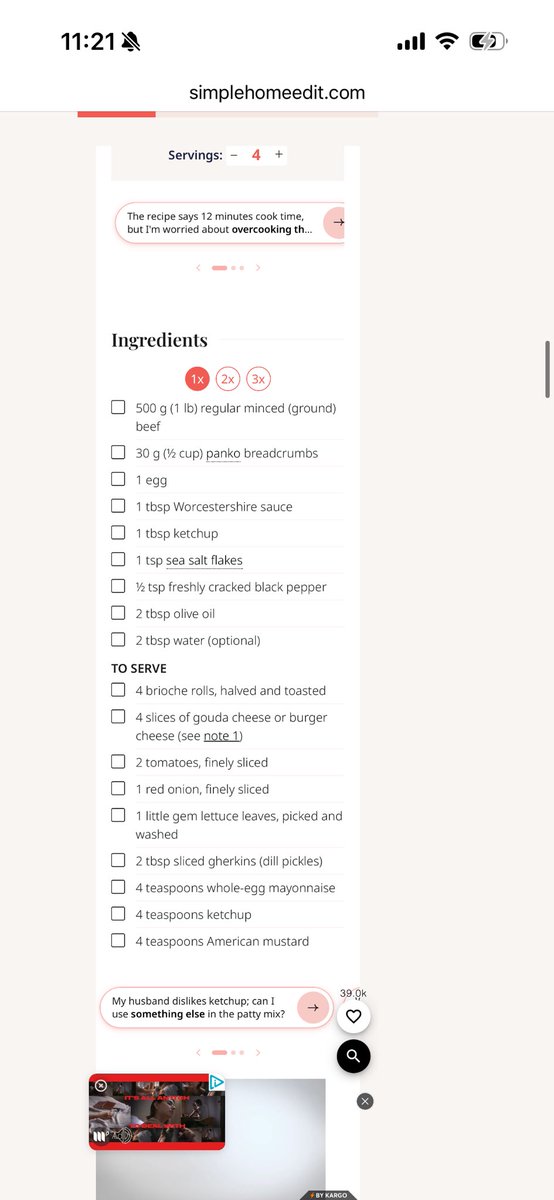
@InVitroFuture @hecubian_devil One really common issue that makes veganism more challenging--and that I haven't really seen addressed in outreach--is living (and cooking and eating) with a non-vegan spouse/partner, or non-vegan relatives.