Sabitlenmiş Tweet

Brij Singh
12.4K posts

@brij
abstraction miner. ex-visa, few startups here and there. now applied research in ai and finance @socialprotolabs


Someone is selling a manor estate in Burgundy with a private river, waterfalls and a natural swimming pond. 2 hours from Paris. Two buildings arranged around a courtyard, 1,700m² (18,298 sq ft) in total, 12 bedrooms, an artist's studio, stables and 7 hectares (17 acres) of land. Inside there's a music room with a piano, a library in the tower, a writing room, and a dining room built around a fireplace large enough to roast a whole animal. Herons and wild ducks live on the property year round. The river has a depth of 3 metres and you can swim in it all summer. Near Vézelay, a UNESCO World Heritage Site. Asking price: €1.39M ($1.6M). The French sure do know about living well. A river on your grounds, your own land to walk, swimming in summer, dinner outside. What's the French word for this kind of life?
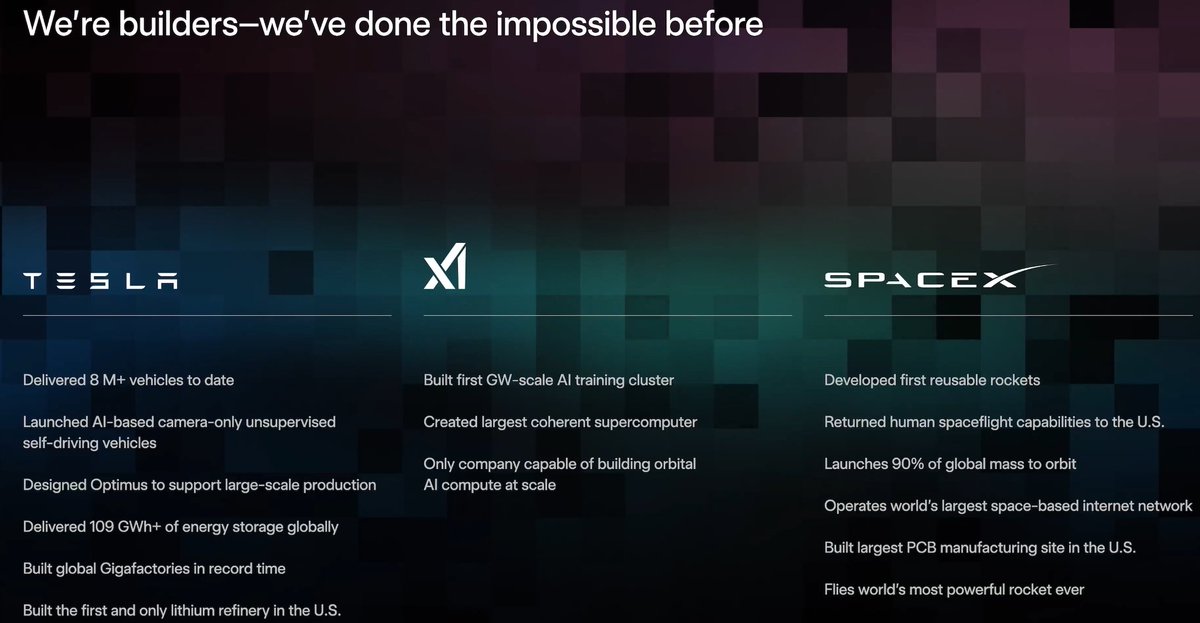
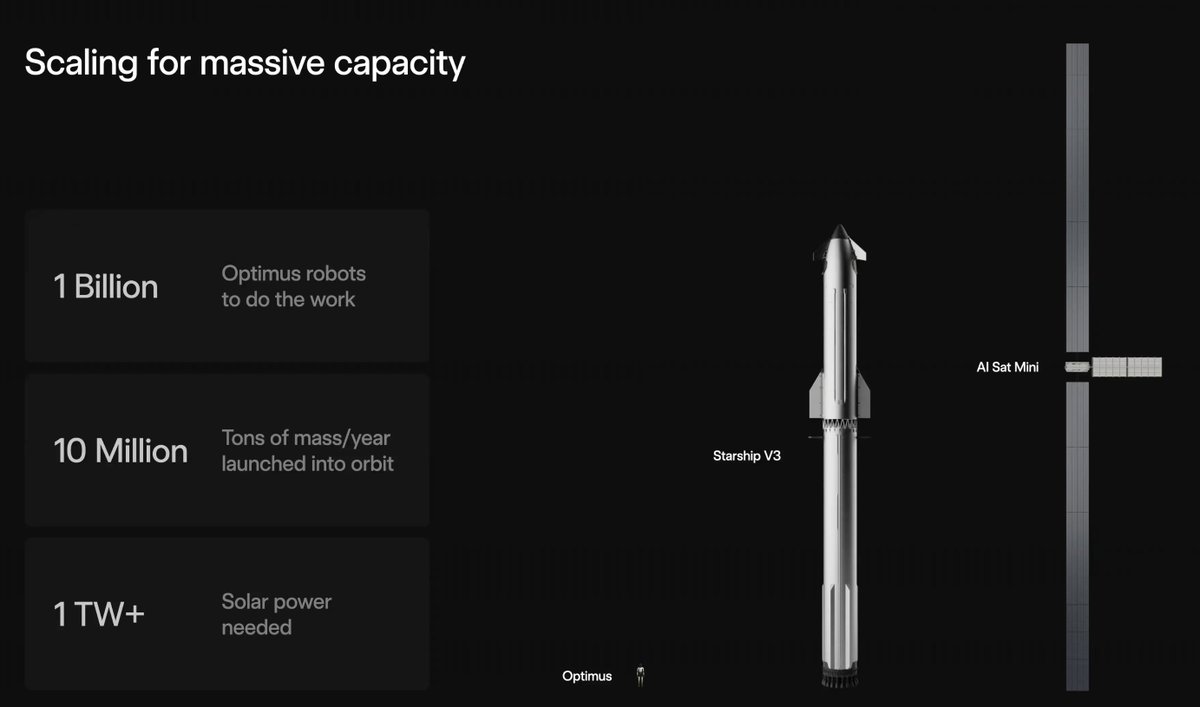
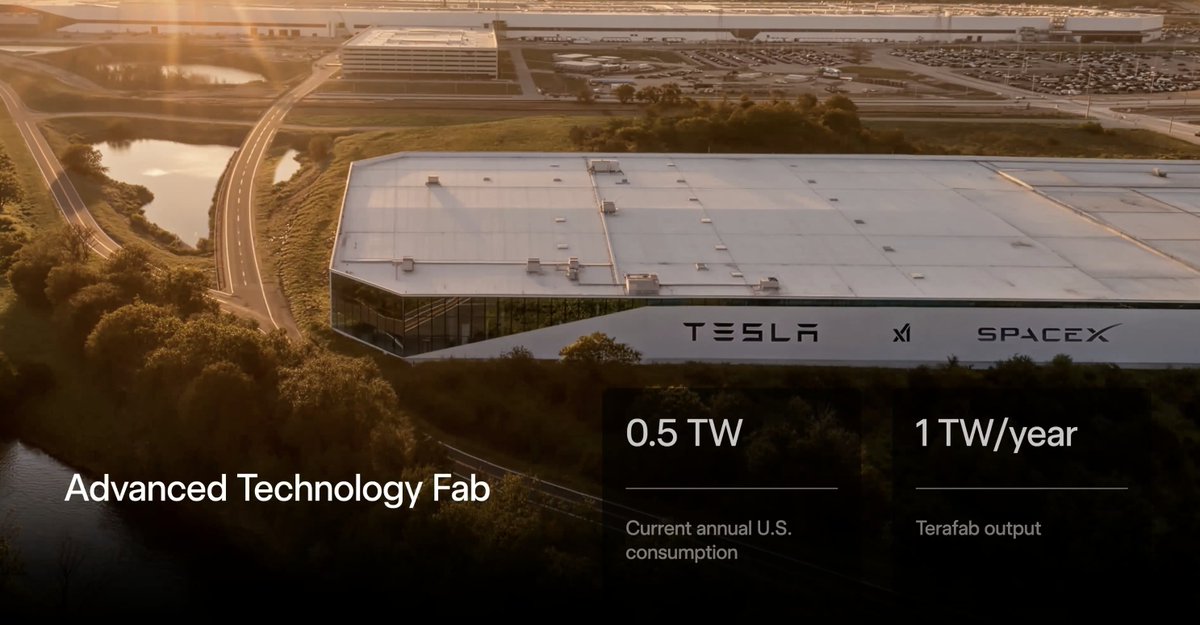
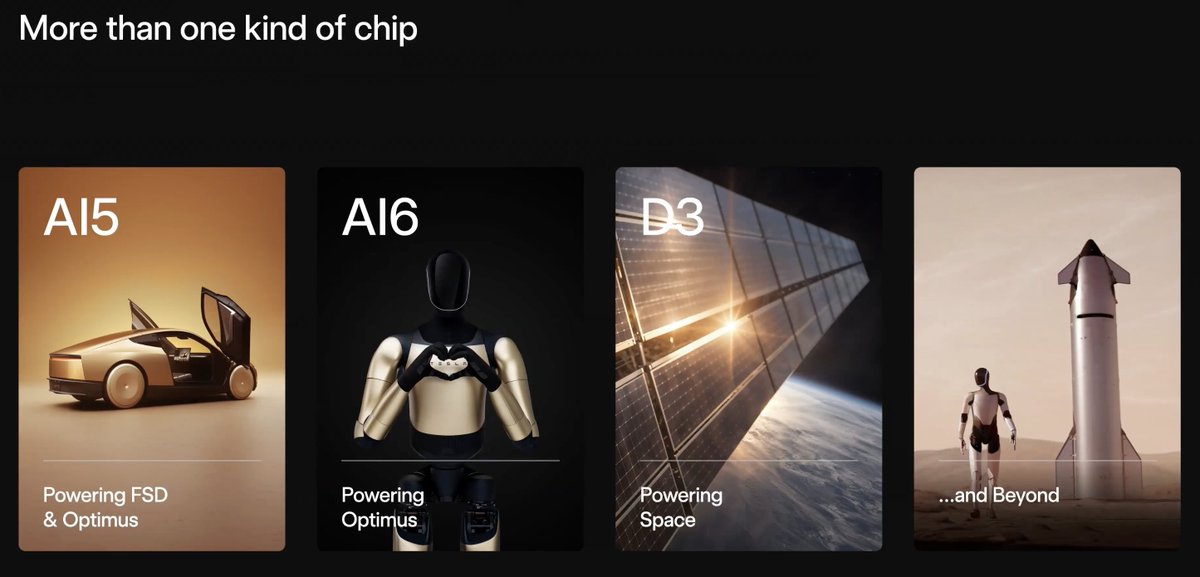
Given that several companies make advanced chips, but no companies have ever made fully reusable rockets or achieved SpaceX scale, I think Starship is harder, but we shall see. Terafab will technically be two fabs, each making only one chip design. This greatly simplifies process flow and allows more linear, adjacent movement of the FOUP. A super high production rate allows us to test very quickly what steps can be deleted, simplified or sped up, even after the design is fixed. Current fabs are extremely conservative, operating on rigid historical heuristics, which are mostly, but not all, correct. Anything that is a rate limiter at the machine level means that machine will be redesigned, unless already at limit of physics. Having new iterations of a chip design be produced every day in the research fab (with <7 day lag) means being able to try out many high risk, high return ideas. Etc In any event, there is no other way to reach extreme scale, so either we make Terafab or we will be stuck at the ~20% chip/memory output growth per year of the current industry.


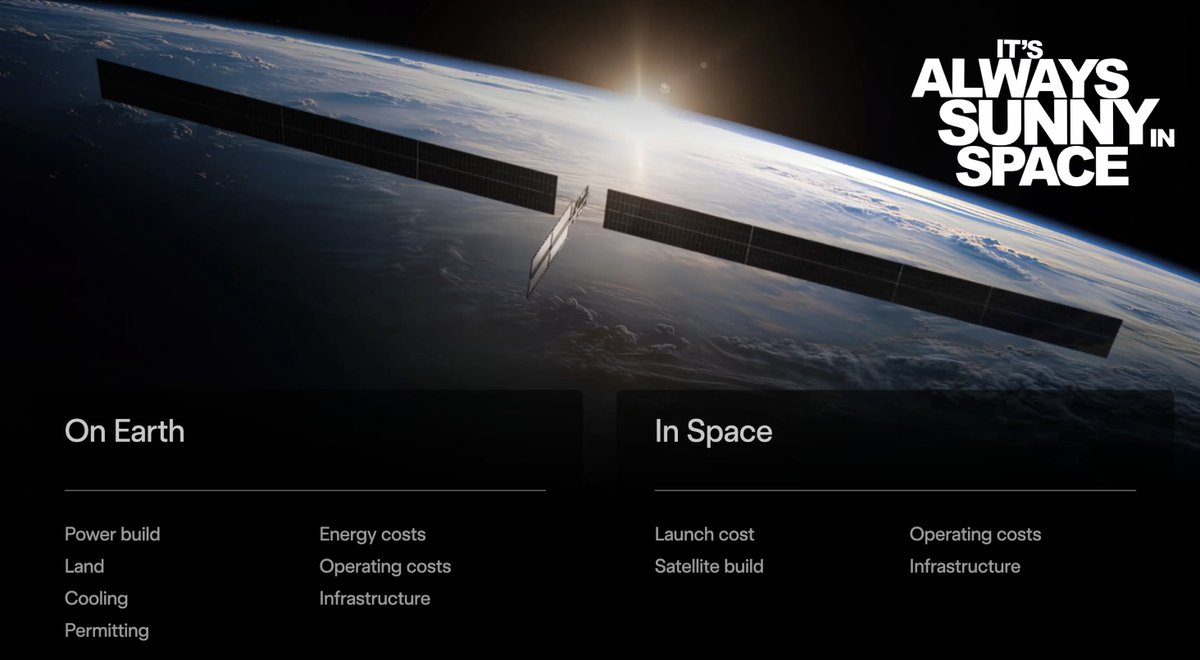
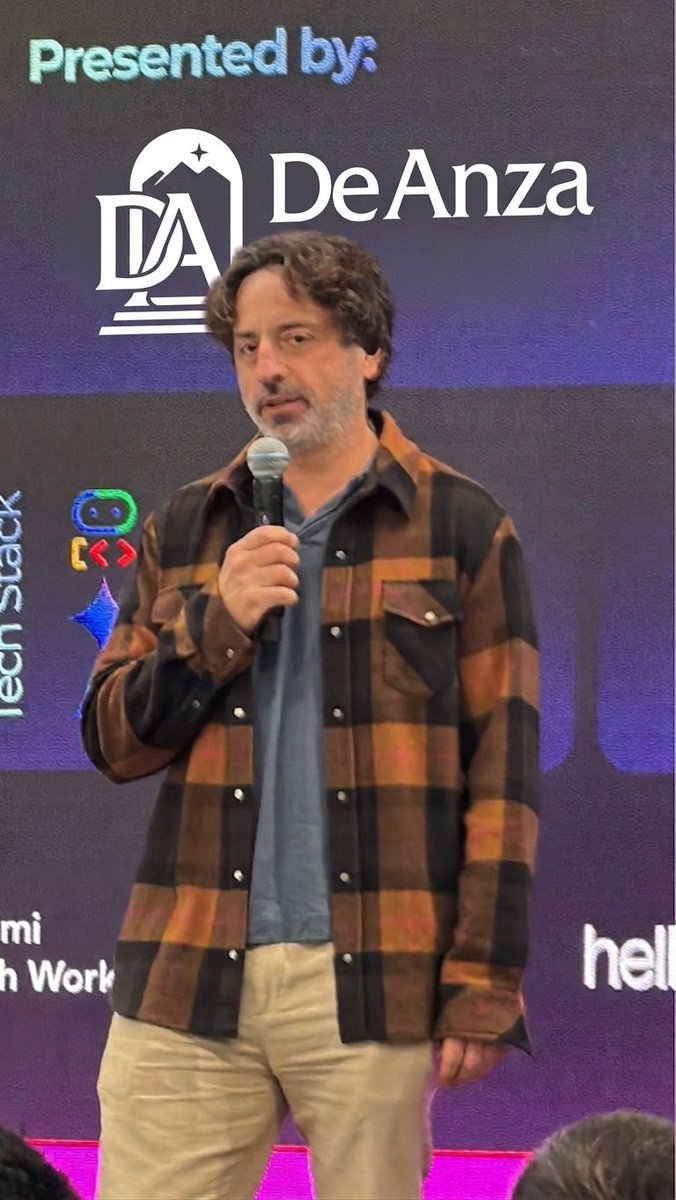
Me when my accountant tells me I have to show up at the local startup event to prove my new tax residence
Many tech incumbents are guilty of two sins in the AI era: 1. stack fallacy - assumption they have all the “ingredients” so we can compete (but system sucks) 2. too slow to realize talent they have != talent they need, until they’ve lost market cap necessary to make acquisitions/hires