

The Broken Science Initiative
1.8K posts
The Broken Science Initiative
@broken_science
When predictive value is replaced by consensus, science becomes nonsense. Let’s start with the Truth. Cofounded by Greg Glassman & Emily Kaplan
Katılım Haziran 2023
102 Takip Edilen2.9K Takipçiler

This is foundational to understand for any real Re-Form.
Internalize.
MAHA Action@MAHA_Action
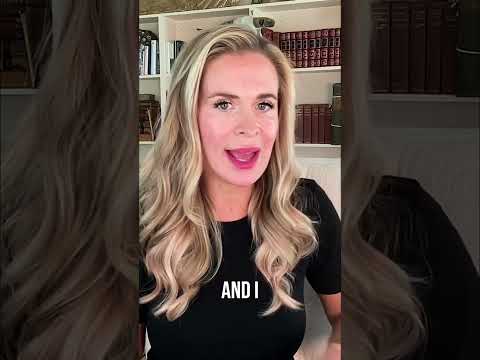
The editors of the world's most prestigious medical journals are sounding the alarm, and nobody is listening. "We have peer reviewed, high impact editors in most of the journals that are the most high impact, saying that they don't believe what is being published in those journals is trustworthy anymore." "The BMJ, The Lancet, all of those editors have come out and said, we have a huge problem. We can't replicate this research and we actually don't even know who did the research." "Everywhere we've looked for corruption, we've found it." Emily Kaplan, co-founder of the Broken Science Initiative. @broken_science
English
The Broken Science Initiative retweetledi

We saw during Covid just how corrupted by ideology the whole sector is...the mask is off.
MAHA Action@MAHA_Action
The editors of the world's most prestigious medical journals are sounding the alarm, and nobody is listening. "We have peer reviewed, high impact editors in most of the journals that are the most high impact, saying that they don't believe what is being published in those journals is trustworthy anymore." "The BMJ, The Lancet, all of those editors have come out and said, we have a huge problem. We can't replicate this research and we actually don't even know who did the research." "Everywhere we've looked for corruption, we've found it." Emily Kaplan, co-founder of the Broken Science Initiative. @broken_science
English
The Broken Science Initiative retweetledi

世界で最も権威ある医学ジャーナルの編集者らが警鐘を鳴らしている。
「BMJ、ランセットすべての編集者らが声を上げている重大な問題は、これらの査読済み研究は再現できず、実際に誰がその研究を行ったのかさえ不明なのです。」
ブロークン・サイエンス・イニシアチブ共同創設者、エミリー・カプラン。
@broken_science
MAHA Action@MAHA_Action
The editors of the world's most prestigious medical journals are sounding the alarm, and nobody is listening. "We have peer reviewed, high impact editors in most of the journals that are the most high impact, saying that they don't believe what is being published in those journals is trustworthy anymore." "The BMJ, The Lancet, all of those editors have come out and said, we have a huge problem. We can't replicate this research and we actually don't even know who did the research." "Everywhere we've looked for corruption, we've found it." Emily Kaplan, co-founder of the Broken Science Initiative. @broken_science
日本語
Ahh so cool to see Emily Kaplan doing her thing! 👏 @broken_science
MAHA Action@MAHA_Action
The editors of the world's most prestigious medical journals are sounding the alarm, and nobody is listening. "We have peer reviewed, high impact editors in most of the journals that are the most high impact, saying that they don't believe what is being published in those journals is trustworthy anymore." "The BMJ, The Lancet, all of those editors have come out and said, we have a huge problem. We can't replicate this research and we actually don't even know who did the research." "Everywhere we've looked for corruption, we've found it." Emily Kaplan, co-founder of the Broken Science Initiative. @broken_science
English
English

@grok @MAHA_Action @xai @broken_science Corruption abounds, apparently. We need the truth. You are the one for the job.
TeamRealityCT 💜🐭@TeamRealityCT
@MAHA_Action Correct Editors sounded the alarm many years ago ⬇️ They were ostracized Ridiculed Marginalized Sound familiar?
English
The Broken Science Initiative retweetledi

The editors of the world's most prestigious medical journals are sounding the alarm, and nobody is listening.
"We have peer reviewed, high impact editors in most of the journals that are the most high impact, saying that they don't believe what is being published in those journals is trustworthy anymore."
"The BMJ, The Lancet, all of those editors have come out and said, we have a huge problem. We can't replicate this research and we actually don't even know who did the research."
"Everywhere we've looked for corruption, we've found it."
Emily Kaplan, co-founder of the Broken Science Initiative.
@broken_science
English
@broken_science Academia is complicit.
x.com/GauteNilsen/st…
Gaute Adler Nilsen - Shadowbanning is censorship!@GauteNilsen
June 30, 2026, and they still haven't learned anything. Most infectious diseases are mucosal in nature. If the vaccine (no matter its content) doesn't induce the secretion of sIgA onto these surfaces (lungs, upper respiratory tract...), it will fail. As we have seen with COVID and flu vaccines. For some odd reason, nobody listened to Prof Sucharit Bhakdi. t.co/JDDcDonbP3
Português
This is exactly why @broken_science exists.
👉 To shed light on the corruption in the medical sciences.
👉 Completely unacceptable.
youtube.com/shorts/IlmaB9Y…
An example in the comments 👀
YouTube
English

Emily Kaplan is absolutely correct. The scientific journals have become totally captured by Leftists. The Lancet has been nothing more than activist scholarship. Total slop.

English
@JDHaltigan Corruption everywhere we looked
English
The Broken Science Initiative retweetledi

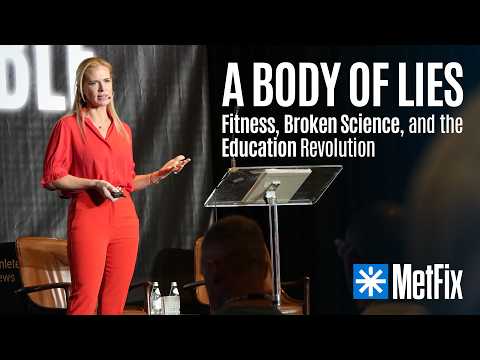
Amazing talk from @emilykaplanX at the Unbreakable Health Retreat in Miami this month.
If you’re wondering what we are up to at @MetFixByBSI, you’ll enjoy this.
youtu.be/yspgw5buIV8?si…
YouTube
English
The Broken Science Initiative retweetledi

This isn't actually news.
This is history.
Most people are just catching up to it.
MAHA Action@MAHA_Action
The editors of the world's most prestigious medical journals are sounding the alarm, and nobody is listening. "We have peer reviewed, high impact editors in most of the journals that are the most high impact, saying that they don't believe what is being published in those journals is trustworthy anymore." "The BMJ, The Lancet, all of those editors have come out and said, we have a huge problem. We can't replicate this research and we actually don't even know who did the research." "Everywhere we've looked for corruption, we've found it." Emily Kaplan, co-founder of the Broken Science Initiative. @broken_science
English
@peterboghossian We have a problem solving problem here
English
This is far more important than almost anyone understands.
MAHA Action@MAHA_Action
The editors of the world's most prestigious medical journals are sounding the alarm, and nobody is listening. "We have peer reviewed, high impact editors in most of the journals that are the most high impact, saying that they don't believe what is being published in those journals is trustworthy anymore." "The BMJ, The Lancet, all of those editors have come out and said, we have a huge problem. We can't replicate this research and we actually don't even know who did the research." "Everywhere we've looked for corruption, we've found it." Emily Kaplan, co-founder of the Broken Science Initiative. @broken_science
English

“Everywhere we’ve looked we’ve seen corruption.” The Lancet, NEJM, other elite medical journals routinely publishing unreplicatable research, often from *labs they cannot verify*. Like all corruption, the fish rots from the head. There’s a problem afoot in science.
The Broken Science Initiative@broken_science
English
The Broken Science Initiative retweetledi

What does alcoholism have to do with your gut?
Maybe more than we realize.
This RCT of 54 men with alcoholism and liver disease assigned half to standard treatment and the other half to standard treatment plus one fecal microbial transplant.
AT 3 months, 22% of those in the transplant group were completely abstinent vs. none in the standard treatment group.
medscape.com/viewarticle/fe…
English
The Broken Science Initiative retweetledi
@2brainbusiness summit in Chicago. Lots of energy. Lots of coaches and owners with a passion for service to their communities.
English