Sabitlenmiş Tweet

The MetFix Foundations Course is coming back to the UK. 🇬🇧
MARCH 28-29
@MetFixByBSI
youtube.com/live/DnG247RqS…

YouTube
English
Pete Shaw
6.4K posts

@PeterMShaw
Head of Edu @MetFixbyBSI | CrossFit L4 Coach | BScH (Bio) | Fixing metabolic health w/ low-carb & heavy lifts 🏋🏼♂️🥩 | @CrossFitGames athlete (2020, 2022)
As Japan-USA relationships are reaching a new all-time high, I'm loving every minute of it. As a metabolic scientist, I've loved the opportunities to speak at events in Japan. Why would an American metabolic scientist be invited? Because the metabolic problem in Japan isn't that far off from the USA. To understand this, you need to appreciate the nuanced relationship between obesity and diabetes. We often assume that fat mass matters most. However, the size of our fat cells matters more when it comes to metabolic health. Caucasians (the dominant ethnicity in the USA) have the ability to make new fat cells as they gain weight. This means their fat mass can expand while the size of the fat cells remains fairly normal. However, in East Asians, the ability to generate new fat cells is limited; thus, any fat gain pushes the fewer fat cells to be larger. And large fat cells promote metabolic dysfunction. This explains why the USA can be significantly fatter than Japan, yet have diabetes rates that are only a point or so higher.






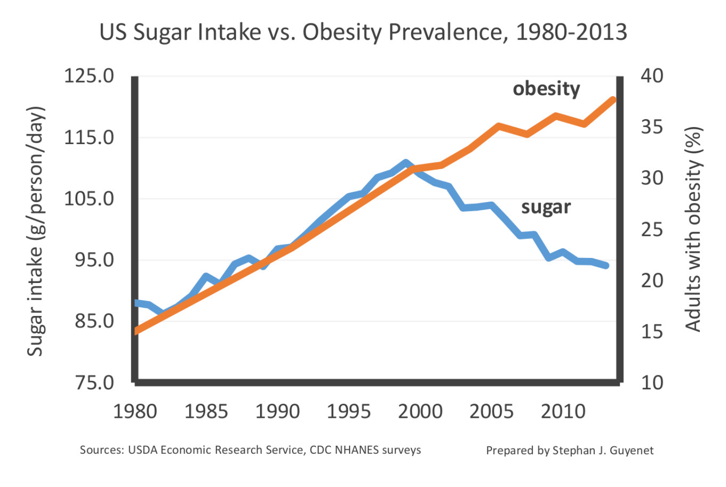
Seed oils have made a lot of people very fat, but not because there’s anything special about the oil. It’s just oil, and a major source of invisible calories in modern diets. You could swap seed oils with any other oil and Americans would be just as fat.

If you are okay with a low output lifestyle, gluconeogensis works fine. When I broke the 100 mile and 12 hour WRs (high output lifestyle) following a low carbohydrate diet I was asked by some why I fueled with ~40g of carbs per hour and didn't rely on gluconeogenesis. My response, go and try to burn 12,000 calories in 12 hours relying on gluconeogenesis and let me know how it goes. Survive and performance are not the same, but often get confused.







Students who took notes by hand scored ~28% higher on conceptual questions than laptop note-takers. Writing forces your brain to process and compress ideas instead of copying them.