Sabitlenmiş Tweet
Russell Brown
7.6K posts

Russell Brown
@brownsparkle
Low engagement Art / Creative Director
London Katılım Aralık 2009
4.8K Takip Edilen906 Takipçiler
Russell Brown retweetledi

RIP Sora, you gave us the greatest ai video of all time
Sora@soraofficialapp
We’re saying goodbye to the Sora app. To everyone who created with Sora, shared it, and built community around it: thank you. What you made with Sora mattered, and we know this news is disappointing. We’ll share more soon, including timelines for the app and API and details on preserving your work. – The Sora Team

English
Russell Brown retweetledi

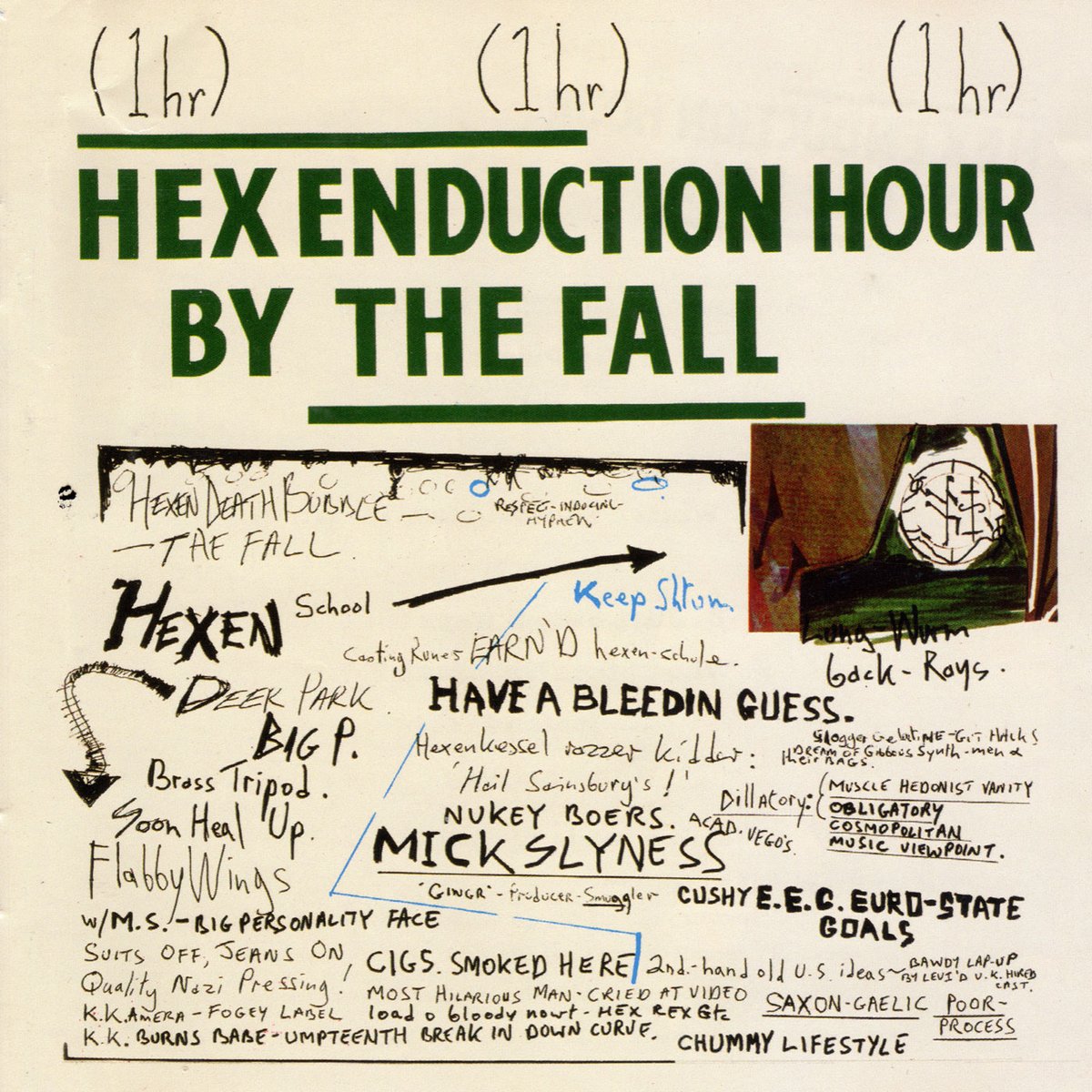
The Fall's masterpiece Hex Enduction Hour was released OTD in 1982. Give yourself a Sunday treat and play it in full. Running time, 1 hour. Play it three times on the trot and it'll rearrange your molecules. For the better. Listen here: open.spotify.com/album/3tF3mFPS…

English
Russell Brown retweetledi

Peston’s analysis follows a now familiar pattern when it comes to Keir Starmer. The framing is rarely neutral. It begins not with the principle at stake, but with an implied weakness. The reader is invited to see the Prime Minister as either naïve, overly legalistic, or politically cornered. That lens then shapes the rest of the commentary.
The central issue was whether the United Kingdom should permit the United States to use British bases, including Diego Garcia, at a moment when America was arguably the initiating force in a conflict with Iran. The reported advice of the Attorney General was that doing so before any Iranian retaliation would place Britain on questionable legal ground. That is not a minor technicality. It is the difference between participating in an unlawful act and acting in collective self defence.
To portray adherence to that advice as political timidity or diplomatic miscalculation is to invert the argument. If Britain claims to uphold international law, then it cannot suspend that commitment whenever a powerful ally demands expediency. Law is not an accessory to be worn in peacetime and discarded in crisis.
It is also misleading to suggest that this was some uniquely British hesitation. Germany and France adopted similarly cautious positions. Neither signalled blanket support for immediate participation in a conflict whose legal basis was contested. That places Britain within a broader European posture rooted in prudence and legality. This was not isolation. It was alignment with major allies who took the view that international law must frame action from the outset.
The suggestion that Starmer “alienated” Donald Trump also deserves scrutiny. Alliances between states are not personal friendships. They are institutional, strategic and enduring. A refusal to act outside legal parameters is not hostility. It is sovereignty. If the American administration were to respond by withdrawing tariff arrangements secured through negotiation, that would reflect a transactional approach in Washington rather than a failure of statecraft in London.
As for the apparent shift from refusal to later cooperation, the distinction is neither cosmetic nor contradictory. Once Iran retaliated against regional allies, the legal character of the conflict changed. Collective self defence carries a different basis in international law than participation in a first strike. Recognising that distinction is not inconsistency. It is constitutional discipline.
There is also a broader point that is underplayed. Public opinion in Britain remains cautious about further military entanglement in the Middle East. A Prime Minister who insists on lawful justification before committing national assets is not necessarily weak. He may simply be reflecting both the law and the electorate.
The easy narrative is that in moments of crisis leaders must privilege realpolitik over principle. The harder truth is that once principle is abandoned in favour of expediency, it becomes far more difficult to invoke it later. If international law is dismissed as inconvenient when allies breach it, then it loses moral force when adversaries do the same.
One may disagree with Starmer’s judgment. But to suggest that fidelity to legal advice is folly misunderstands the very order Britain claims to defend.
English