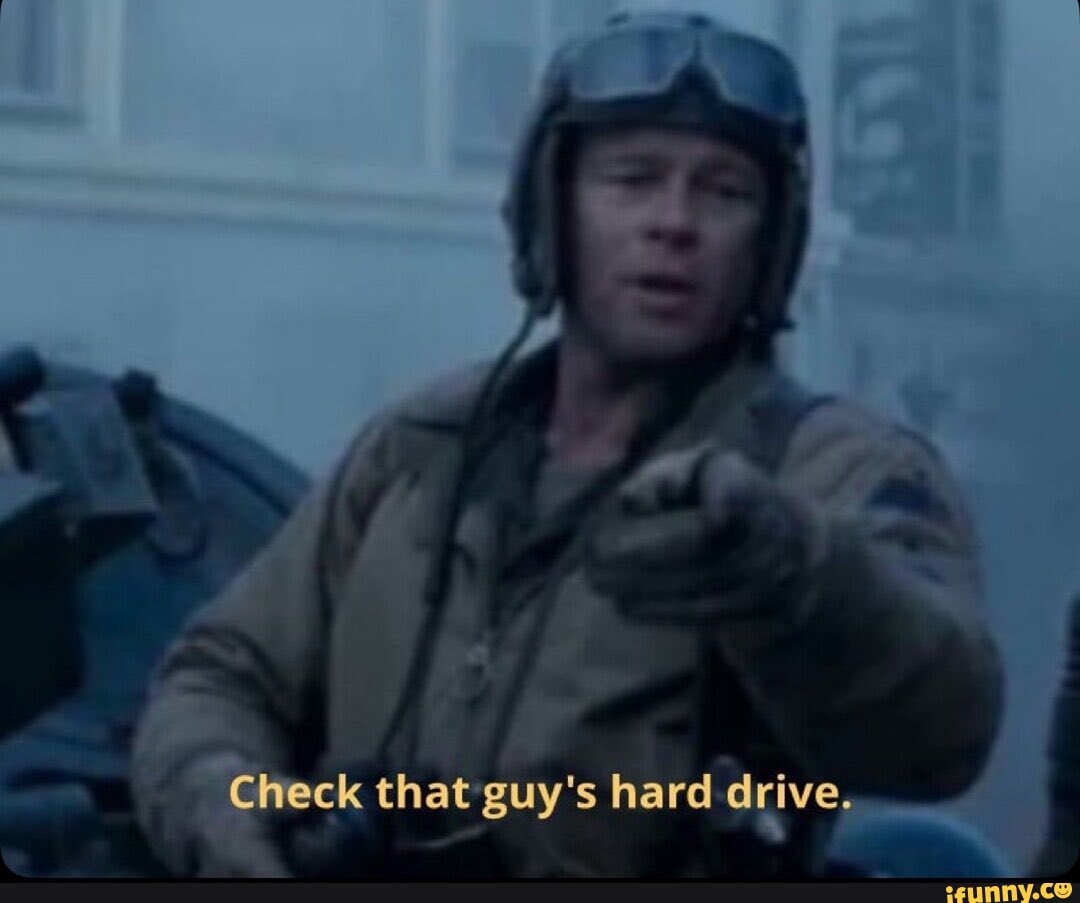
@LeahLibresco Mortifying that I didn't get this until reading the comments, but it's been a long time since I read those books.
English
Ryan Booth
6.3K posts
@brteacher
Owner of Mathnasium of Ascension

I would love to see people make a case that Iran collapsing economically and militarily means they won

By the time Gen Z accounts for the majority of Congress, whatever is left of the pro-Israel crowd in America will experience what it was like to be suspected of being a communist sympathizer during McCarthyism.

Hit me with the harshest reality truth.

Washington Post: “Fuentes’s revenue soared again in October after he was interviewed by… Tucker Carlson, climbing from $60,000 in superchats the month before the interview to more than $100,000 the month after.” Congrats to Heritage for their pro-Tucker stance.


At a broad level, it’s important to acknowledge a hard truth: this war is a textbook case of the old saying - "Strategy must precede action" The underlying assumption in the US and Israel was that weakening Iran kineticly would eventually lead to the collapse of the regime and that a sustained U.S.-Israeli campaign, targeting Supreme Leader Ali Khamenei, could trigger systemic change thay will change the Middle East. But this war overlooked a critical variable: the Islamic Republic of Iran is a different kind of actor. Traditional cost-benefit calculations don’t apply in the conventional sense. Moreover, the war has generated second-order effects that have made the strategic landscape more complex — not less. From Iran’s growing assertiveness around the Strait of Hormuz, to the hardening of its internal decision-making processes, to the rising influence of Mojtaba Khamenei and the expanding dominance of the IRGC, the Iranian system has, in many ways, become more rigid and more ideological. These dynamics are pushing the administration into a narrowing set of options, none of them good. The choice increasingly looks like this: accept a deal that is, in essence, a strengthened version of the previous nuclear agreement, or return to military escalation that carries significant regional risks without guaranteeing meaningful change in Iran’s behavior. In effect, this war has helped shape what could be called “Islamic Republic 3.0” — a system forged not only through pressure, but also through strategic miscalculation. While the regime may have been weakened militarily and economically, it has, paradoxically, been strengthened internally, particularly among its core base. This may well be the campaign’s most significant strategic miscalculation. The protests inside Iran had left the regime increasingly exposed, struggling to respond to public demands, led by an aging and ailing supreme leader. There was a moment of internal vulnerability. Yet the campaign, despite its tactical achievements, has given the regime a renewed sense of purpose at a time when it was fighting for its political future. Instead of weakening it from within, it has helped consolidate its base and rally its supporters. It remains unclear how this will end. But at this stage, one conclusion is difficult to avoid: alongside tactical gains, the war has produced a more challenging strategic environment for Iran’s neighbors, for Israel, and for the United States. And most importantly, Iran’s leadership has no intention of capitulating. Neither pressure nor escalation is likely to force a deeply ideological regime to abandon its foundational principles. There is no decisive blow. No silver bullet. Only two realistic paths remain: a deal that looks remarkably similar to what Iran was willing to consider before the war — or an expanded conflict with no clear endgame. This is the reality. #IranWar



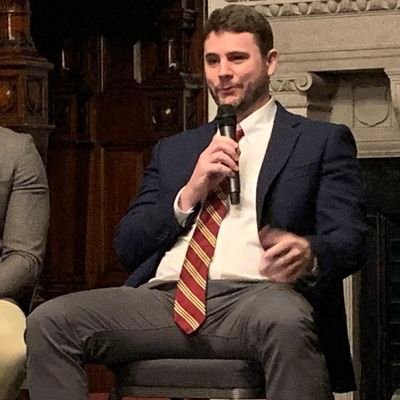
Russell Brand mocks the lone gunman narrative. Blames "the most powerful interest in the world" for Charlie's assassination. Says we shouldn't blame "trans people" because Jesus loves everyone and sees us all as family. Tucker fake laughs hysterically & agrees


So many of our problems could be fixed by properly funding public education.