Bryan Agam

25.4K posts

Bryan Agam banner
Bryan Agam

Bryan Agam

@bryanagamk

Kaya bermanfaat, miskin bermartabat

Katılım Şubat 2013
1.1K Takip Edilen533 Takipçiler
Sabitlenmiş Tweet
Bryan Agam
Bryan Agam@bryanagamk·
Barangkali hidup adalah doa yang panjang dan sunyi adalah minuman keras
Indonesia
1
0
1
0
Bryan Agam retweetledi
avrl ☘
avrl ☘@avrldotdev·
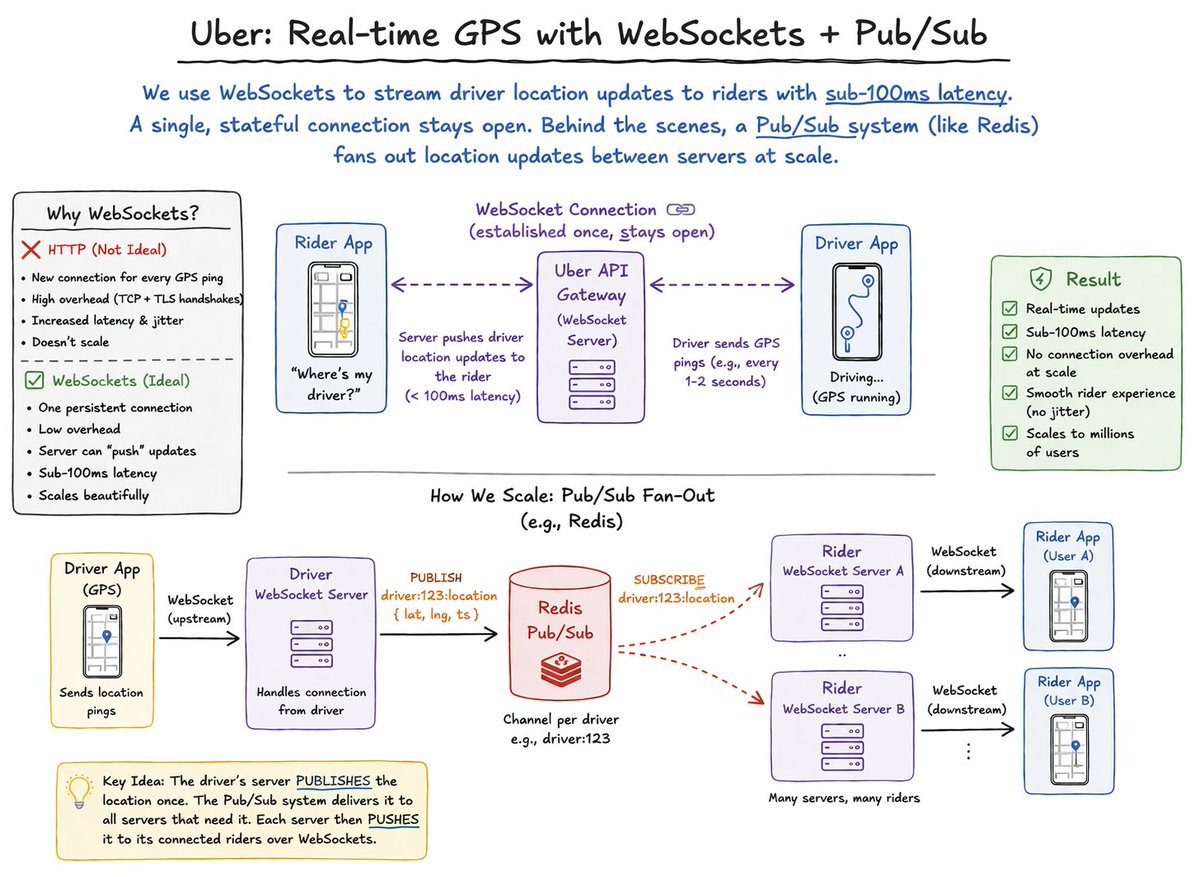
System Design Talks 24 - Real Time Communication [FAANG(Uber) SDE2 Interview] Problem? THOUSANDS of drivers are sending their GPS coordinates every second & THOUSANDS of riders need to see that car move smoothly on their map. Do you use polling or WebSockets?
avrl ☘ tweet media
English
9
37
467
18.8K
Bryan Agam retweetledi
Phuong Le
Phuong Le@func25·
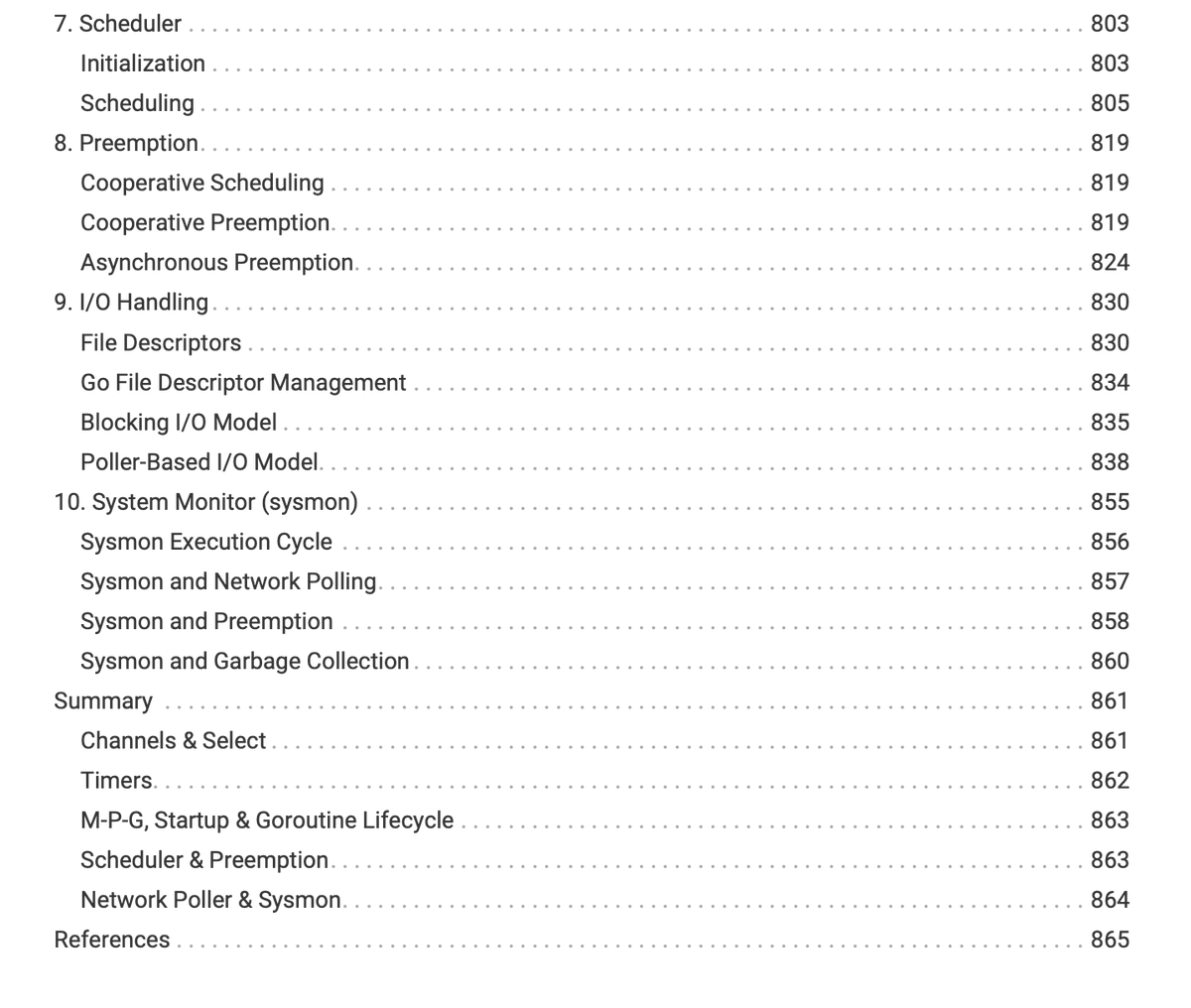
Go is simple, so I ended up writing an 865-page book about how it works internally, just to see how it maintains that simplicity 😇
Phuong Le tweet media
English
48
163
2.2K
87.2K
Bryan Agam retweetledi
Dr Milan Milanović
Dr Milan Milanović@milan_milanovic·
𝗦𝗦𝗢 (𝗦𝗶𝗻𝗴𝗹𝗲 𝗦𝗶𝗴𝗻-𝗢𝗻) 𝗲𝘅𝗽𝗹𝗮𝗶𝗻𝗲𝗱 SSO is an authentication process that allows users to access multiple apps with a single master key. This is accomplished using a central authentication server that stores the user's credentials and verifies them for each application. Here are 𝘁𝗵𝗲 𝘀𝘁𝗲𝗽𝘀 that happen if you want to access the Trello web app by using your Google account: 1. Use the Trello login web page and select Google account as a login method 2. Trello redirects the user to the Google login page 3. User is served with the Google login page 4. The user enters their Google credentials 5. Google sends authentication info to the SSO Authorization server 6. If credentials are valid, the Authorization server returns the auth token (SAML) 7. Google sends the auth token to the Trello 8. In the last step, Trello sends the token to the Google Authentication server to validate its 9. If the token is valid, Trello will allow access to the user and store the session for future interactions ✅ The 𝗯𝗲𝗻𝗲𝗳𝗶𝘁𝘀 of SSO are: 🔹 Improved user experience. Users do not need to remember multiple usernames and passwords. 🔹 Increased security. Users are less likely to reuse passwords across applications. ❌ The 𝗱𝗶𝘀𝗮𝗱𝘃𝗮𝗻𝘁𝗮𝗴𝗲𝘀 are: 🔸 Single point of failure. One of the most notable disadvantages is that SSO creates a single point of failure. If the SSO system is compromised, the attacker could access all connected applications and services. 🔸Security risks. If credentials are compromised, the security of all connected applications could be at risk. Some 𝗰𝗼𝗺𝗺𝗼𝗻 𝘁𝘆𝗽𝗲𝘀 𝗼𝗳 𝗦𝗦𝗢 are: 🔹 𝗦𝗔𝗠𝗟-𝗯𝗮𝘀𝗲𝗱 𝗦𝗦𝗢. This is the most common type of SSO. It uses the SAML protocol to exchange authentication information between the SSO server and applications. 🔹 𝗢𝗽𝗲𝗻𝗜𝗗 𝗖𝗼𝗻𝗻𝗲𝗰𝘁. This is a newer SSO type based on OAuth 2.0. It is a more straightforward protocol than SAML and is easier to integrate with web applications. And 𝗽𝗼𝗽𝘂𝗹𝗮𝗿 𝗦𝗦𝗢 𝘀𝗼𝗹𝘂𝘁𝗶𝗼𝗻𝘀 are: ➡️ Azure Active Directory ➡️ Okta ➡️ Ping Identity ➡️ OneLogin ➡️ Google Cloud Identity Platform
Dr Milan Milanović tweet media
English
7
94
636
26.8K
Bryan Agam retweetledi
Mohit Mishra
Mohit Mishra@chessMan786·
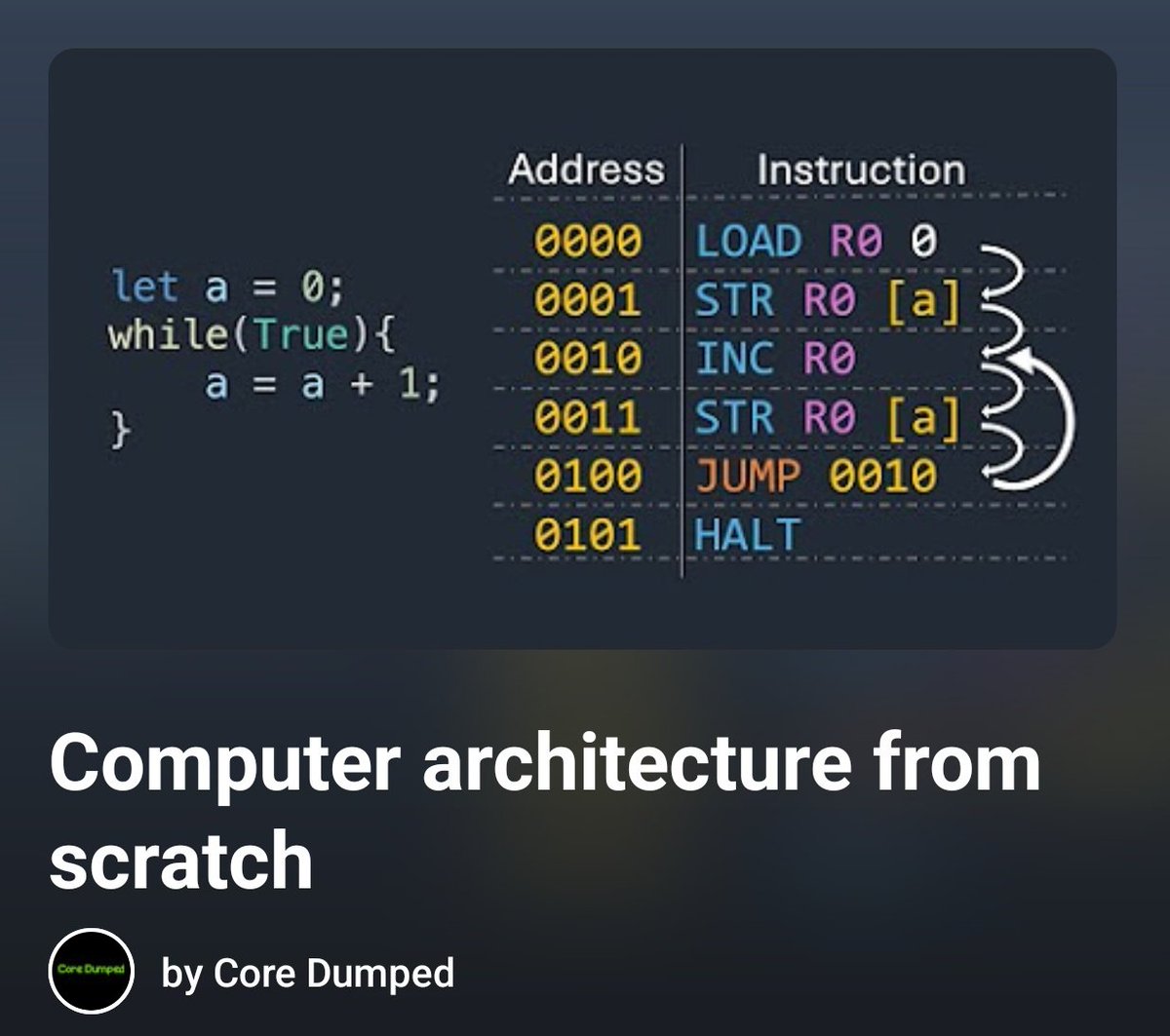
Computer Architecture from Scratch
Mohit Mishra tweet media
English
1
71
746
20.6K
Bryan Agam retweetledi
Swapna Kumar Panda
Swapna Kumar Panda@swapnakpanda·
If you want to learn System Design Fundamentals, Go for this playlist (100 videos):
Swapna Kumar Panda tweet media
English
16
101
692
25.4K
Bryan Agam retweetledi
Abhishek Singh
Abhishek Singh@0xlelouch_·
Want to be a great backend engineer? Please learn: 1. Programming Fundamentals Language depth, Data structures, Algorithms, Concurrency, Memory basics 2. APIs and Contracts REST, gRPC basics, Versioning, Idempotency, Pagination, Error handling 3. Databases SQL, Joins, Indexes, Transactions, Query optimization, Schema design 4. Caching Redis, Cache invalidation, TTLs, Read-through vs write-through, Hot key problems 5. Async and Messaging Queues, Kafka/RabbitMQ, Retries, DLQs, At-least-once delivery, Idempotent consumers 6. Distributed Systems Basics Replication, Partitioning, Consistency, Leader-follower, Network failures, Backpressure 7. Reliability Engineering Timeouts, Retries, Circuit breakers, Rate limiting, Graceful degradation 8. Observability Logs, Metrics, Tracing, p95/p99 latency, Debugging production issues 9. Infrastructure and Deployment Docker, CI/CD, Linux basics, Cloud services, Rollbacks, Blue-green/canary deploys 10. Security Auth, Authorization, Secrets management, Input validation, Encryption, Secure defaults Bonus: 11. Engineering Judgment Know when not to overengineer, choose boring tech when it wins, optimize for systems your team can actually operate
SumitM@SumitM_X

Want to be a backend architect ? Please learn : 1. Microservices Design Service decomposition, Bounded contexts, Resilience (Circuit Breaker, Bulkheads) 2. Distributed Systems Fundamentals CAP Theorem, Event sourcing, CQRS, Data consistency models (ACID vs. BASE) 3. High-Performance Data Management Database partitioning, Index optimization, NoSQL data modeling 4. Advanced API Design gRPC, GraphQL, API Gateways, Asynchronous APIs 5. Event-Driven Architecture Kafka, Message queues, Pub/Sub patterns, Saga pattern 6. Cloud-Native Patterns Container orchestration (Kubernetes), Serverless, Multi-cloud strategies 7. Observability Distributed tracing (OpenTelemetry), Centralized logging (ELK), Real-time monitoring 8. Infrastructure as Code Terraform, Helm, Configuration management best practices 9. Advanced Security Zero Trust, OAuth2, JWT, Data encryption in transit and at rest 10. Scaling Strategies Load balancing, Sharding, Horizontal vs. vertical scaling


English
10
123
1K
78.3K
Bryan Agam retweetledi
yourclouddude
yourclouddude@yourclouddude·
Honestly, beginners don’t need 100 services. Start with just these: → EC2 (compute) → S3 (storage) → IAM (permissions) → VPC (networking) → RDS (database) → Lambda (serverless) → CloudWatch (monitoring) Master these → you can understand 80% of AWS.
English
3
12
57
4.4K
Bryan Agam retweetledi
dr. Adam Prabata
dr. Adam Prabata@AdamPrabata·
Gue pake Claude Pro dan sering banget kena limit, jadi flow kerjaan macet. Buat yang memiliki pengalaman sama, baca deh artikel ini terus cobain. Pasca nyobain ini, gue lebih jarang kena limit dibanding sebelumnya. Thank me later!
kaize@0x_kaize

x.com/i/article/2037…

Indonesia
19
265
2.2K
107.5K
Bryan Agam retweetledi
Bagas Naufal Insani
I repeat, kalo mau punya gaji tinggi, dan diri kita yg dicari perusahaan. Harus mau ngelakuin hal kayak gini! 🫵 • Belajar hal yang market value-nya tinggi, bukan cuma yang nyaman dipelajari • Invest waktu & uang buat skill (kayak ambil sertifikasi AWS ini) • Konsisten walaupun ga ada yang liat prosesnya • Ngerti konsep, bukan sekadar hafal buat lulus ujian • Bisa translate ilmu jadi real-world impact (bukan sekadar teori) • Build credibility, biar trust itu datang sebelum interview • Main di level global, bukan cuma lokal market • Siap capek sekarang, biar nanti punya leverage lebih besar Karena pada akhirnya, perusahaan ga bayar kita karena "niat belajar", tapi karena value yang bisa kita deliver.
Bagas Naufal Insani@BagasN7

TOO EZ 😎

Indonesia
12
675
4.5K
121.7K
Bryan Agam retweetledi
Nanda
Nanda@Nandapagi·
Anda anda, yang lulusan IT juga ikut ini juga yak? Jangan fikir yg anda pelajari di kampus indo ini sebanding sm kelas cs50 ini yak? Beda jauuuuuh!
listyantidewi@listyantidewi

Kalau kamu bukan orang IT, tapi pengen belajar IT/Informatika/Ilmu Komputer, kamu bisa mulai dengan kursus gratis CS50: Introduction to Computer Science dari Harvard University. @cs50 Melalui kursus ini, kamu bisa belajar: - Intro ke computer science (luas tapi robust). Fundamental seperti ini penting supaya kamu beneran solving problems, bukan hanya asal bikin aplikasi kayak pemerintah (oops) - Kamu akan belajar BERPIKIR KOMPUTASIONAL. Karena solusi digital hanya bisa dihasilkan dengan optimal kalau kamu menggunakan pendekatan atau cara berpikir komputasional dalam memecahkan masalah. - Kamu akan belajar tentang abstraksi, algoritma, struktur data, enkapsulasi, pengelolaan sumber daya, keamanan siber, rekayasa perangkat lunak, pengembangan web, dan AI - Bahasa pemrograman yang akan kamu kenal di sini mulai C, HTML, Python, SQL, JavaScript.. - Membangun dan bertumbuh bersama komunitas melalui berbagai platform - Bikin proyek akhir hingga presentasi. Instrukturnya adalah Professor favoritku, yaitu @davidjmalan Bisa ikut di pll.harvard.edu/course/cs50-in…

Indonesia
11
176
2K
91.5K
Bryan Agam retweetledi
Faizal
Faizal@zalkad·
Aku baru baca ini, Hasil survey dari Policy Research Center (Porec) Judulnya "Siapa yang diuntungkan dari Program Makan Bergizi Gratis (MBG)" Silahkan kita baca hasil penelitiannya, yang sebenernya hasilnya tidak mengagetkan namun melegitimasi dan mengkonfimasi asumsi kita.
Faizal tweet media
Indonesia
182
7.7K
15.8K
356.1K
Bryan Agam retweetledi
Pandu
Pandu@pandurijal·
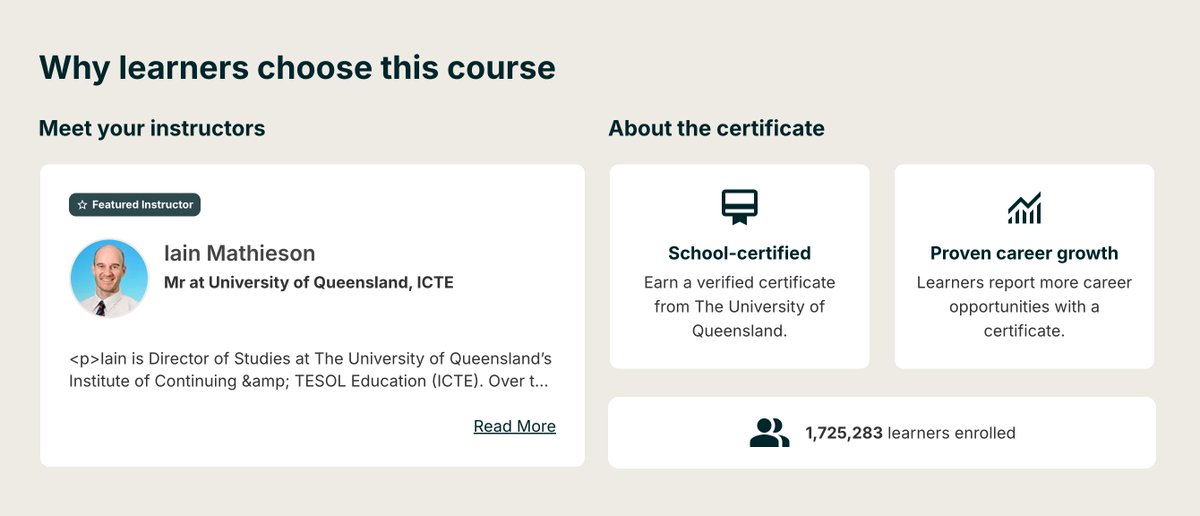
University of Queensland bikin kursus persiapan IELTS yang bisa diakses gratis. 80+ jam materi interaktif, dibuat oleh orang-orang yang sama yang ngajar di salah satu pusat testing IELTS resmi. Bukan tips YouTube random, tapi kurikulum yang beneran dirancang untuk bantu kamu naik skor.
Pandu tweet mediaPandu tweet media
Indonesia
44
4.7K
21.1K
577.6K
Bryan Agam retweetledi
DiaryTrader
DiaryTrader@WOLF_of_IHSG·
harusnya tinggal bilang aja : China ngasih kami 2 kemudahan: 1. Harga lebih murah. 2. Bisa ngutang nah, 2 hal ini gak ada dari penawaran kalian. Kami tahu, harga kalian lebih mahal meski kualitas lebih bagus. Tapi kan kami carinya yg lebih terjangkau. Udah gitu bisa ngutang. Maaf yah Shinyuu (親友) mas Jepang 😂
Indonesia
33
8
144
68.9K
Bryan Agam retweetledi
Karima A
Karima A@karimakayyim·
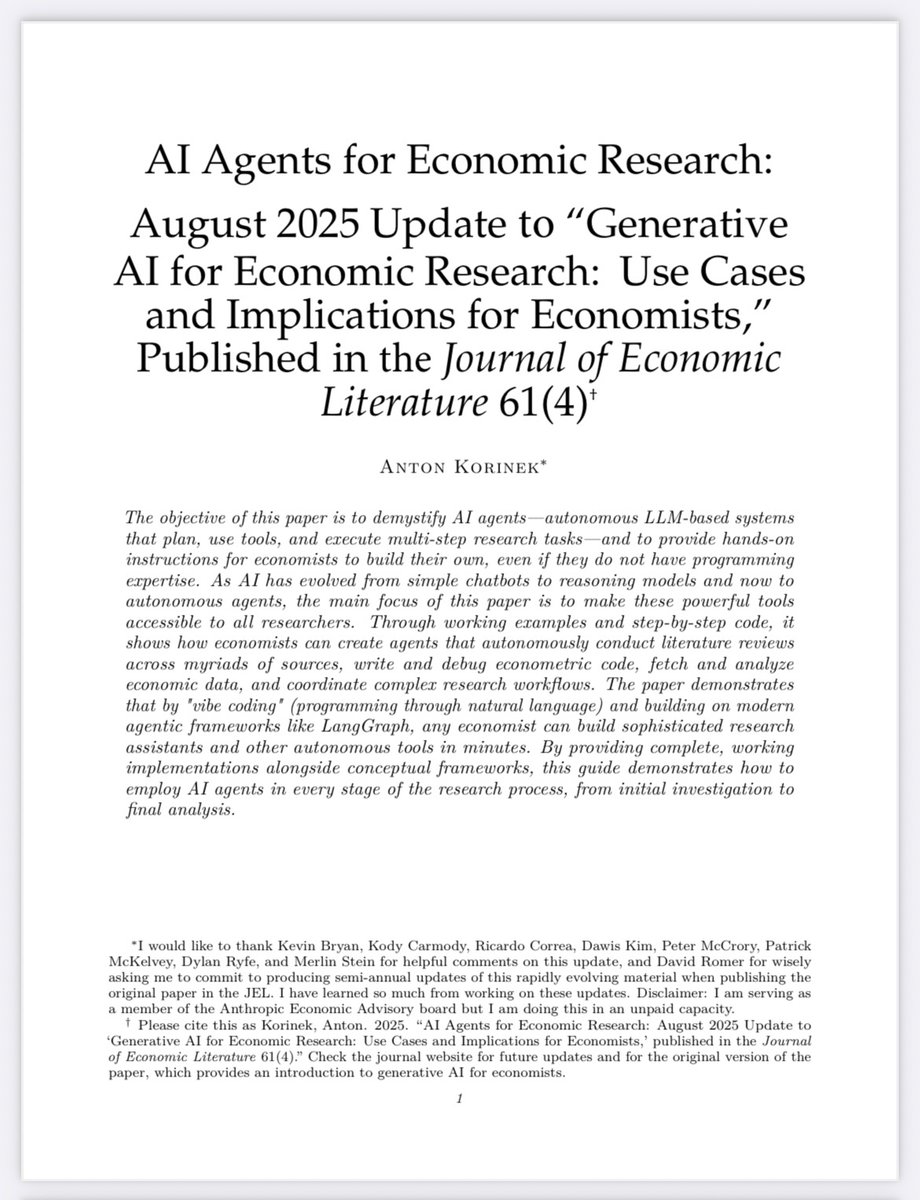
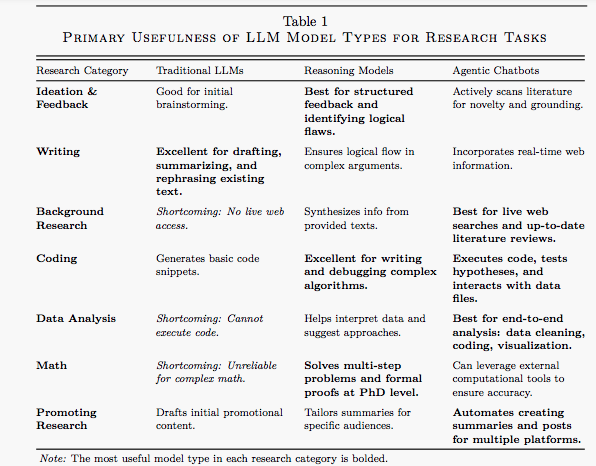
Abis ngisi kelas “Cara Baca Data Ekonomi” malah nemu paper hidden gem. Jadi salah satu paper favoritku di 2026 Isi papernya sejauh mana AI bisa dipake buat riset ekonom (ngumpulin data, membersihkan dan memproses data, analisis ekonometrika, sampe buat visualisasi) dengan bandingin semua sistem produk2 AI
Karima A tweet mediaKarima A tweet media
Indonesia
12
415
1.9K
34.1K
Bryan Agam retweetledi
Putu Prema
Putu Prema@putupurema·
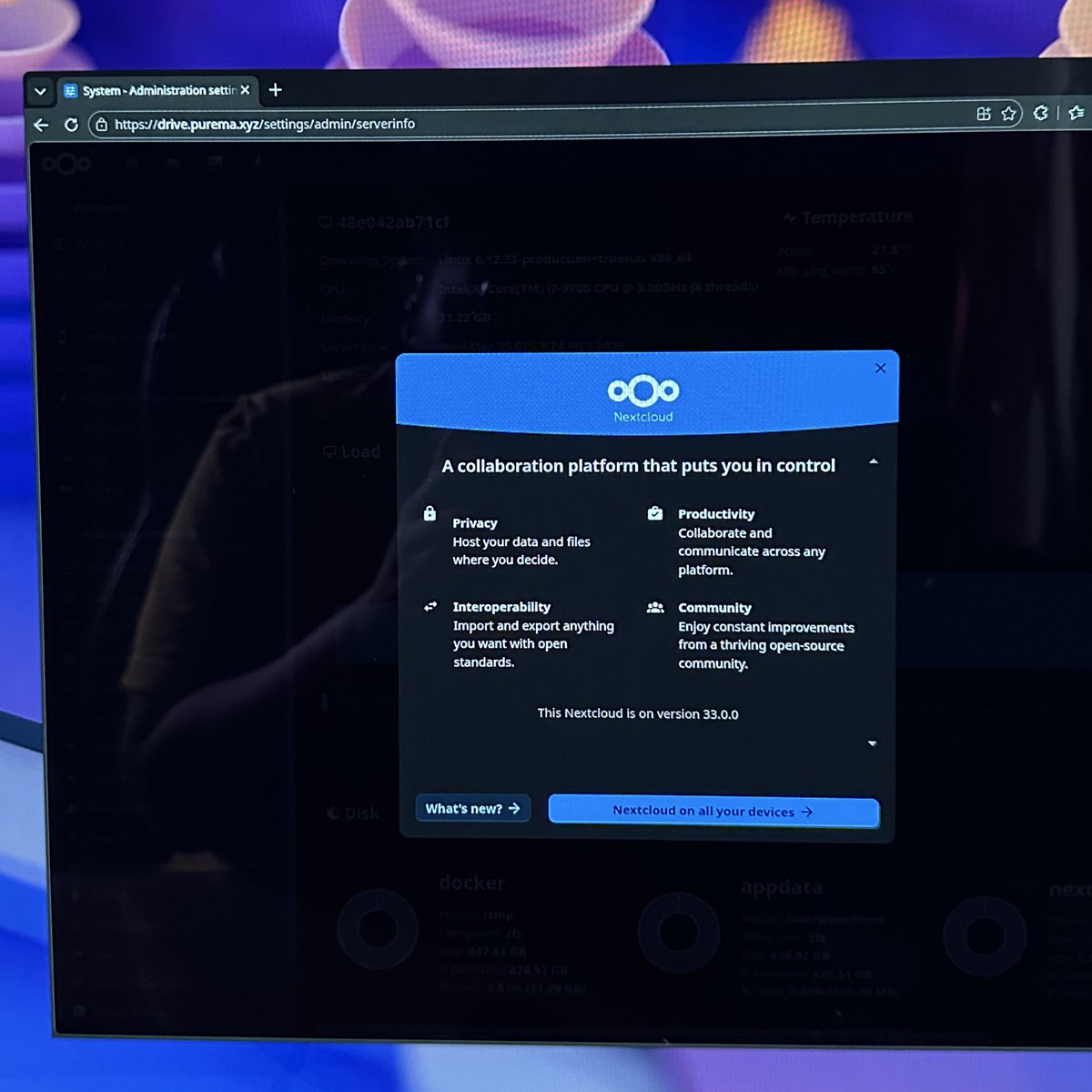
@_mento Betul sekali, TrueNAS, hardwarenya: - Lenovo ThinkCentre M720q Tiny PC buat servernya - TERRAMASTER D4-320 4-Bay External Hard Drive Enclosure (buat storagenya, konek via USB-C 3.2 Gen 2) - Seagate IronWolf 4 TB (x3)
Indonesia
7
6
64
10.5K
Bryan Agam retweetledi
Putu Prema
Putu Prema@putupurema·
Merdeka dari Google Photos sudah. Selanjutnya merdeka dari Google Drive 🙌🙌🙌🙌🙌🙌
Putu Prema tweet media
Indonesia
42
71
725
170.4K
Bryan Agam retweetledi
Abhishek Singh
Abhishek Singh@0xlelouch_·
I remember a junior engineer I worked with who genuinely thought he was a bad software engineer. Not average. But Actually bad. Why? Because every ticket took him too long. He could not debug production issues fast. He got confused in code reviews. And whenever senior engineers spoke about caching, queues, indexing, retries, race conditions, he would just go silent. So naturally he made the worst conclusion possible: "Maybe I am just not smart enough for backend work." But that was not the real problem. The real problem was much simpler. He was missing a few boring prerequisite skills that nobody had properly taught him: 1. How HTTP actually works 2. How databases really read and write data 3. How logs are used to trace a bug 4. How to read an unfamiliar codebase without panicking 5. How to break a big problem into smaller checks 6. How async code fails in real systems That is it. Not talent or IQ. Just missing foundations. So instead of telling him to "work harder" or "be more confident", we fixed the inputs. For a few months he did very basic things: - wrote simple SQL queries by hand - debugged small bugs slowly and documented the path - learned API flow end to end - traced requests from load balancer to service to database - read old incident reports - picked one concept every week and went deep on it Nothing fancy. No 10x engineer nonsense. No fake motivation. Simply repetition on the right prerequisites. And things changed! The same guy who used to freeze during debugging started finding issues before others. The same guy who thought he was "bad at coding" started writing cleaner code reviews. He used to get stuck on every production issue and now became the person people tagged for backend bugs. A year later, new joiners thought he was naturally talented. He was not. He was finally practiced. This is something a lot of people in software do not understand: A weak foundation feels like low intelligence. A strong foundation feels like talent. Many people are failing because they are trying to do senior-level work without junior-level repetitions. And the opposite is also true. Some people think they are geniuses when really they just got early exposure: better college better peers better internship better manager better starting point That lead disappears very fast if they stop practicing. Software engineering is like that. Prerequisite knowledge is intellectual capital. It can take a person from: "Maybe I am not cut out for this" to "I can probably build this" And it can also take someone from: "I am the smartest guy here" to "why is everyone catching up to me so fast?" Do not judge yourself too early. Sometimes you do not need more confidence. You need more reps on the fundamentals.
Justin Skycak@justinskycak

It's so easy to think you're untalented, maybe even dumb, when really you're just unpracticed on some prerequisite skills. Reminds me of the time I tutored a Real Analysis student who hadn't gotten much practice with proof-writing beforehand. She thought she was gonna fail the class. She thought she might just not be cut out for it. But we just shored up some of those missing proof foundations and then she came out with a well-deserved A. And then she took Fourier Analysis the following year and crushed it. Didn't even need my help. There is also a flipside: it's very easy to think you're a genius, when really you're just better-practiced on prerequisite skills than everyone around you. That's actually a great situation to be in, provided that you recognize why things are going so well for you -- but if you conclude that "geniuses like me don't need much practice," then, well, your advantage is short-lived. The moral of this story is that prerequisite knowledge is intellectual capital and can take you from academic rags to riches -- or from riches to rags, if you squander it.

English
28
301
3.2K
339.2K