
George Burgess

9.3K posts

George Burgess banner
George Burgess

George Burgess

@burgesg

Entrepreneur & angel investor. CEO of Modern Day Talent. Previously built & sold @GojimoApp, @EdTechExchange, @TheIntroApp, @Basubu_Retreats

London, England Katılım Ekim 2007
314 Takip Edilen21.5K Takipçiler
George Burgess
George Burgess@burgesg·
We're training SDRs on a new framework! We’ve developed SHIFT Selling which is a sharper, more modern evolution of the classic SPIN method. While SPIN is great to help buyers uncover their problems, SHIFT helps buyers move toward solving them with you. Here’s what SHIFT stands for: Situation – Who you’re really speaking to Headaches – What problems exist beneath the surface Implications – Why those issues truly matter Focus – What’s already been tried (and failed) Turn – When they might be ready to act This framework gives our SDRs the edge in qualifying faster and closing stronger, and is one of the many unique training elements in our SDR Bootcamp. Interested in learning more about our expertly-trained SDRs? Drop me a message.
English
5
0
2
262
George Burgess
George Burgess@burgesg·
Finding experienced SDRs is like hunting for unicorns. So we've decided to create our own. We're currently assessing graduates for our SDR bootcamp running June 2nd-6th in Cape Town, where we are training recent grads to become job-ready SDRS. Megan and Suveena are drowning in CVs. We're using a four-step assessment process to identify just 12 exceptional candidates for the programme: We're targeting graduates exclusively from UCT, Stellenbosch and Wits. We've found these universities consistently produce the high-calibre talent our international clients expect. We're conducting initial screening calls where we explain the programme while assessing their professionalism, confidence and charisma. We can spot these essential soft skills quickly in conversation. We're assessing their writing abilities through practical exercises. We know strong written communication is non-negotiable for modern SDRs who prospect via email and LinkedIn. We're challenging them with simulated cold calls. We've found nothing reveals potential like watching someone think on their feet when put on the spot. This approach allows us to bypass the traditional talent shortage and create precisely what our clients need.
George Burgess tweet media
English
0
0
2
273
George Burgess
George Burgess@burgesg·
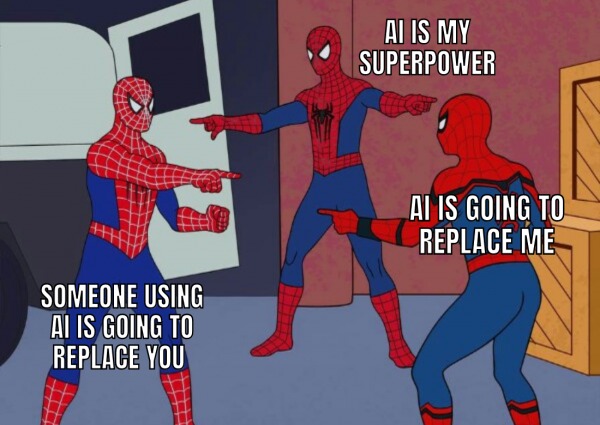
We lost a deal to AI. A prospective client was interested in our SDR bootcamp, looking to hire four South African SDRs for their team. Last week they called to let us know they've decided to test AI outreach tools instead. Their reason: cost. Can't fault them for exploring more affordable options. Yet my experience placing SDRs shows that effective sales development still requires human connection. AI tools can't replicate emotional intelligence or build genuine trust. They miss subtle vocal cues that indicate prospect interest or hesitation. They can't share authentic personal stories that resonate on a human level. They fail to leverage mutual connections that establish immediate credibility. They're unable to adapt their approach mid-conversation based on unspoken signals. In high-value B2B sales particularly, prospects typically prefer engaging with actual people rather than automated systems. Most buyers recognises generic, AI-driven outreach. I'm convinced the future lies not in choosing between humans or AI, but in finding the right balance of both. In our upcoming SDR bootcamp beginning on June 2nd, we're training recent graduates to become skilled SDRs who can thrive in this evolving landscape, combining the best of human connection with technological efficiency. We're including modules on how SDRs can leverage AI tools to amplify their effectiveness.
George Burgess tweet media
English
0
0
4
222
George Burgess
George Burgess@burgesg·
Apollo has ruined our email outreach. We watched our email leads plummet from several per month to zero. The automated, template-driven approach was landing us straight into spam folders. So we changed course. We've now shifted to hyper-personalised emails sent directly from our personal accounts. Each message references specific connections, common backgrounds and recent company news. We’ve got the whole team involved in prospecting and we’ve seen the response rate sky rocket. On day two of these efforts, we even secured a meeting with a well-known, publicly-traded US company! Our new process takes about 30 minutes extra per day but it is infinitely more valuable than sending hundreds of automated messages that generate zero response. Anyone else had the same experience?
George Burgess tweet media
English
1
0
2
163
George Burgess
George Burgess@burgesg·
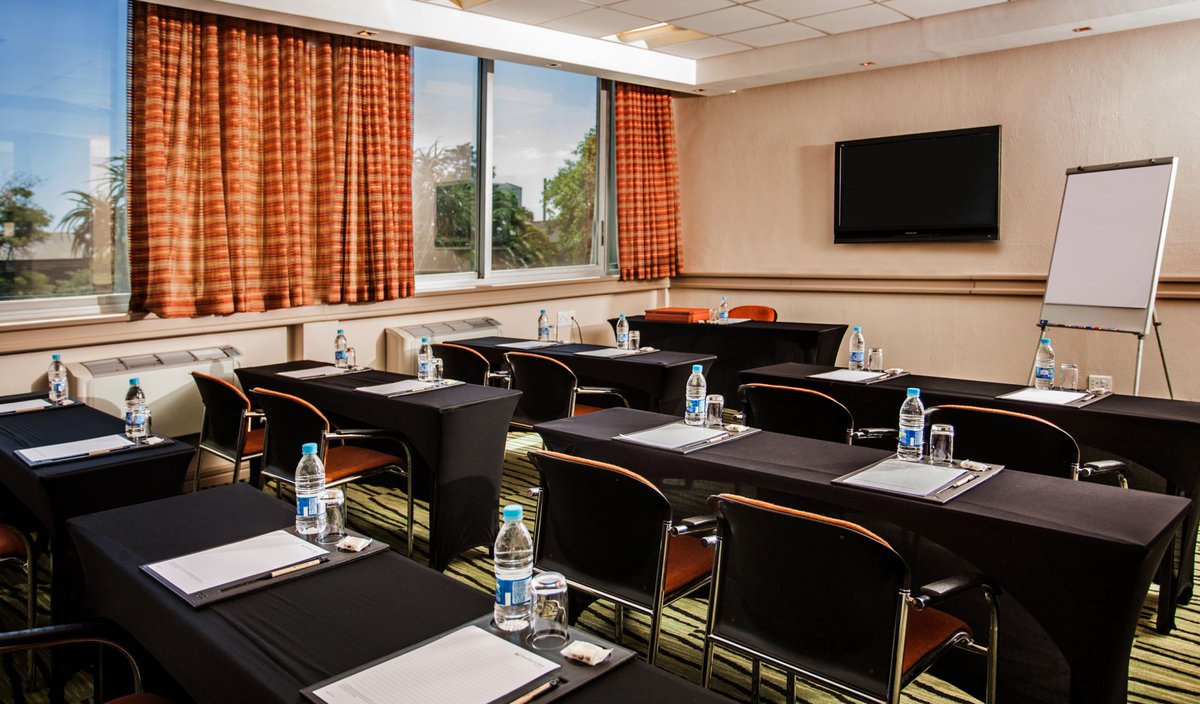
Look out Cape Town… future sales leaders inbound… Southern Sun Hotel in Newlands will play host to our first ever sales bootcamp. We’re taking South Africa’s top grads and giving them a one week sales intensive to help them secure great jobs. Despite the questionable carpet colour, we’re thrilled to be hosting this at the Southern Sun… Newlands is central and easily to get to. Megan has lined up loads of snacks, caffeine and meals. And, I’m reliably informed, there’s a foosball table just outside the room. Should be the perfect spot for some learning, connecting and interview prep, in what will no doubt be a very intensive week!
George Burgess tweet media
English
0
0
2
180
George Burgess
George Burgess@burgesg·
I’m p*ssed… for not starting a sales bootcamp sooner. Last January, we received our first request for multiple sales rep. Multiple… great! That would be a more lucrative than placing a single assistant (which is what we’d specialised in until then). But we quickly hit a wall. We went through a lengthy recruitment process, but had no success. Our client didn't hire a single person. We questioned whether we had the right process, or if the quality simply didn't exist in the South African market. As we dug deeper, we uncovered a more nuanced issue. Clients generally seek sales reps with "some experience." Sales reps typically get promoted to Account Executives after two years of solid performance. So an experienced sales rep who's performing well is on a promotion track at their current company. Why would they leave? Those that are available are typically poor performers, who didn’t make it. The result? A persistent talent gap in the market. Last January, we began brainstorming solutions. We wanted to take grads with high potential, train them, and then place them with clients. But two things held us back: We did end up successfully placing some sales talent, which slightly undermined our theory. And there was only two of us working on the business at that point. We simply didn't have the bandwidth to pull off a bootcamp. Throughout 2024, we continued to see the same problem repeat itself. So today, I'm excited that we’ve finally created our solution to the sales talent shortage: a one-week, in-person, sales bootcamp designed to transform high-potential graduates into valuable sales reps. Our hypothesis is straightforward – with targeted training, we can compensate for candidates’ lack of real-world experience, whilst making them attractive to clients.
George Burgess tweet media
English
0
0
2
119
George Burgess
George Burgess@burgesg·
We were thrilled to work with the team at Save My Exams recently. They approached us needing affordable hires for their support and finance teams. Huge congrats to Nikira who joins as a Customer Support Specialist and Ursula who joins as a Bookkeeper.
George Burgess tweet media
English
0
0
2
142
George Burgess
George Burgess@burgesg·
Meet our SDR trainers! I spent nearly a year looking for the right team to lead our SDR bootcamp training in South Africa. When I put out a call on LinkedIn last year, I was overwhelmed by the number of connections and introductions offered by the B2B community. One introduction stood out - James and Helen, a husband-and-wife team with the perfect combination of skills for our needs. Helen creates all the training curriculum and materials, ensuring comprehensive coverage of essential SDR skills. James delivers the training, bringing his experience as someone who has managed SDR teams and remains active in sales himself. What impressed me most about this team was their practical understanding of what clients actually look for during interviews, rather than just theoretical knowledge. Sales tools, processes and best practices evolve rapidly in this industry. Many full-time trainers rely on frameworks and approaches that were popular years ago but are no longer as effective. James brings contemporary knowledge because he's living it daily, while Helen ensures the curriculum is structured for maximum learning impact. The bootcamp is designed to solve a persistent challenge we've faced: finding quality SDRs in the South African market. SDRs are typically junior roles filled by graduates who move up to Account Executive positions after about two years if they perform well. Our clients always want SDRs with "some experience" - but those who are performing well are already on promotion tracks at their current companies. Those who are available with experience have often underperformed elsewhere. Our hypothesis is that by giving high-potential graduates intensive training, we can compensate for their lack of real-world experience while making them attractive to clients. The bootcamp runs from June 2nd to 6th, and we'll be keeping the cohort together in the same office to build team cohesion and improve retention. I'm excited to see the results of this initiative and to introduce our newly skilled SDR candidates to clients in need of fresh talent.
English
1
0
1
154
George Burgess
George Burgess@burgesg·
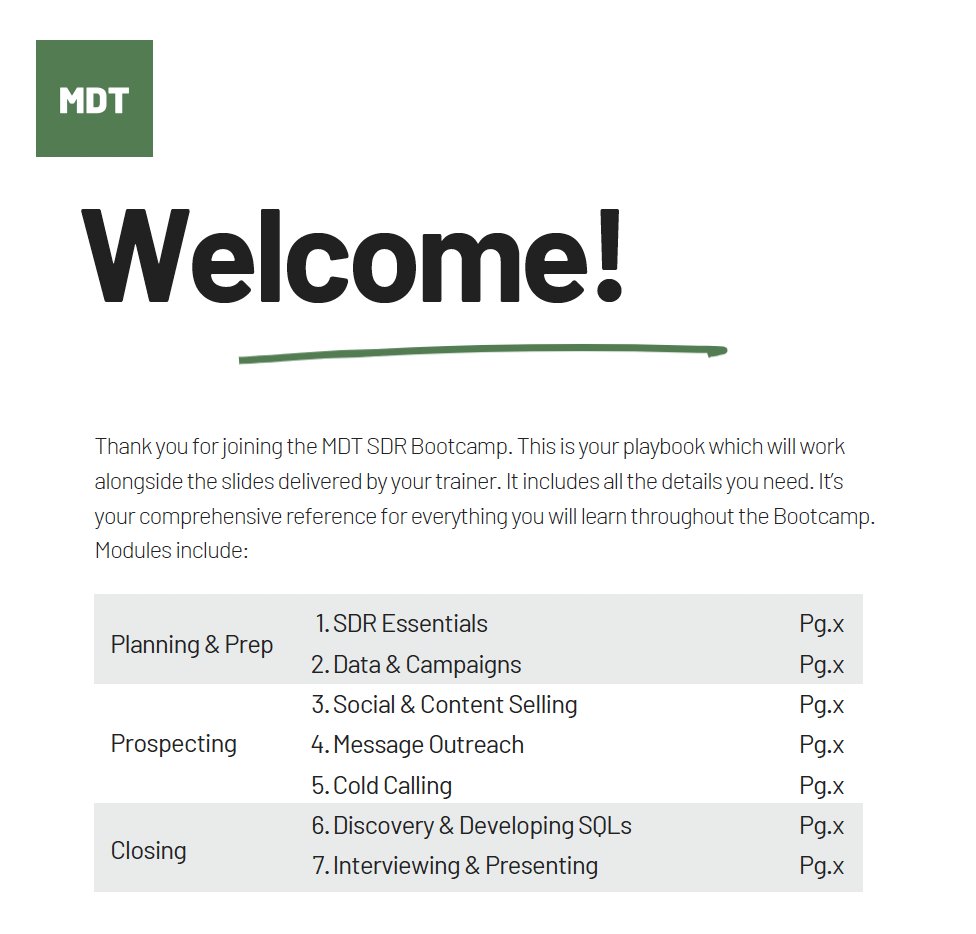
Need input from sales leaders… We’re giving top South African grads a one-week intensive on sales essentials. James is leading our training and has prepped some amazing materials. Here's what we’ve got so far: - SDR Essentials and Campaign Management - Social Selling and Outreach Techniques - Cold Calling Mastery - Discovery and SQL Development - Professional Presentation Skills What's missing? What could we change?
George Burgess tweet media
English
0
0
1
139
George Burgess
George Burgess@burgesg·
💥Icebreakers needed💥 We're launching our first SDR bootcamp this June, in Cape Town. The bootcamp addresses a clear market challenge: our clients need experienced SDRs but can’t find them. Our solution? Create skilled SDRs from scratch. We're selecting promising graduates with the right qualities - intelligence, communication skills, confidence, and resilience - and training them in essential SDR skills from CRM navigation to objection handling. These grads will be complete strangers to each other and we want to find a killer ice breaker to help them connect on day one. Any ideas?
GIF
English
0
0
1
183
George Burgess
George Burgess@burgesg·
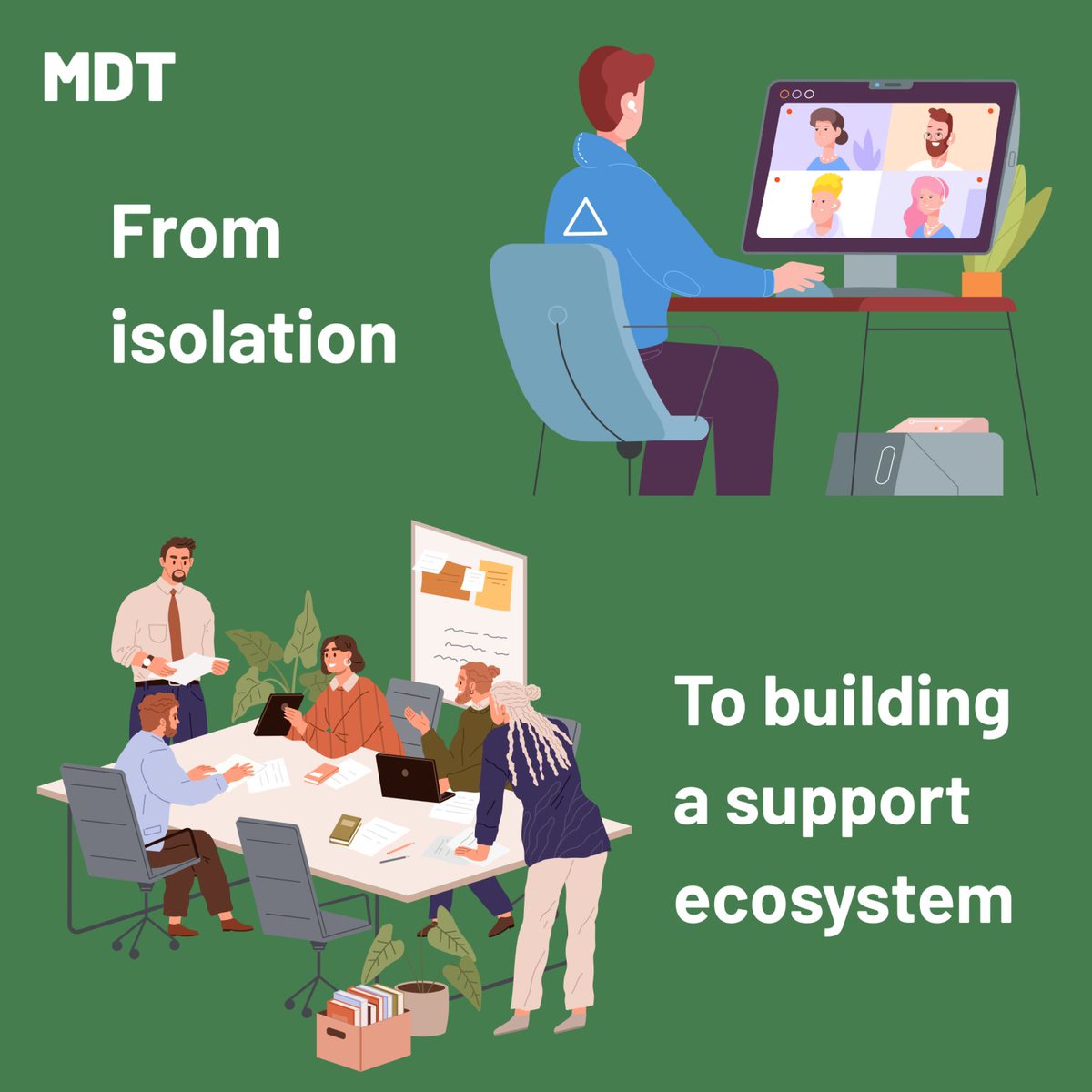
Isolation is killing SDR performance. According to @Gallup research, having a "best friend at work" significantly increases employee engagement and retention. For SDRs specifically, working in isolation can be particularly challenging. We've observed concerning performance drops in some of our remote cohorts that we believe stem directly from this isolation. This June, we're launching our first in-person SDR bootcamp, selecting the brightest graduates from South Africa's top universities to undergo intensive training with elite SDR trainers from the UK. The first cohort will work together from an office, building the foundation for lasting peer relationships. Sales development is a tough role that comes with daily rejection. Having peers around to share challenges, compare notes, and celebrate wins makes all the difference in maintaining motivation and performance. This is why we're focused on creating environments where SDRs can work together physically. We're searching for the perfect permanent location in areas like Century City - convenient for graduates from top universities and offering the "cool factor" that energises a sales environment. This isn't just about providing desk space. It's about creating an ecosystem where our SDRs can thrive together, even as they work for different clients around the world. The data supports this approach: teams working in collaborative environments consistently outperform their isolated counterparts in metrics that matter, such as having higher conversion rates and significantly better retention. By addressing isolation head-on, we're confident we'll fill more open positions with candidates who maintain higher performance levels for longer periods.
George Burgess tweet media
English
1
0
1
134
George Burgess
George Burgess@burgesg·
🔍 Looking for partners wanting to hire junior SDRs! Rather than hunting for the elusive "experienced yet available" SDR, we're creating them. From 2nd-6th June, we're launching our first SDR Bootcamp in Cape Town for recent graduates from South Africa’s top three universities: the University of Cape Town, the University of Witwaterstrand and Stellenbosch University. This is an intensive, fully-funded, five-day programme designed to transform bright graduates into job-ready SDRs. The first four days focus on practical sales training, cold calling techniques, objection handling, and the psychology of sales. On day five, grads will interview directly with our international clients who are actively hiring. We're covering meals, transport costs, and providing a stipend during the bootcamp. Our new SDRs will be part of a cohort working together in our new shared office space in Cape Town, rather than isolated behind a screen at home. Our bootcamp graduates will have the skills, confidence, and supportive community needed to hit the ground running. Get in touch to meet with our junior SDRs!
English
1
0
1
149
George Burgess
George Burgess@burgesg·
My marketing team keeps asking me for photos of people I meet up with; so here's a photo of Matthew Henshall and I. Matt, thanks for your advice on our upcoming SDR bootcamp and your thoughts on our ICP! I hope you're happy Myra & Leigh! 😆
George Burgess tweet media
English
0
0
1
143
George Burgess
George Burgess@burgesg·
Really excited to launch our new SDR bootcamp! We’ve noticed a clear pattern over the past year. Our most requested role from clients is SDRs. Every client wants an SDR with some experience. Yet these candidates are the hardest to find. The challenge lies in the typical SDR career trajectory. Most Sales Development Representatives spend about two years in the role. Then they advance to Account Executive positions. This creates a fundamental hiring problem. High-performing SDRs rarely enter the job market mid-cycle. They're typically hitting targets, earning strong commissions, and positioned for upcoming promotions at their current companies - giving them little incentive to look elsewhere. Meanwhile, those actively seeking new SDR positions typically have a different story. They're looking because they aren't succeeding in their current role, which raises obvious concerns for potential employers. After months of grappling with this recruitment challenge, we've developed what we believe is a viable solution: instead of searching for experienced SDRs, we're going to create them ourselves. In early June, we're launching our first SDR bootcamp in Cape Town. We'll identify promising graduates with the essential qualities for SDR success: Intelligence, communication skills, confidence, and resilience top our list. These candidates will undergo practical training on essential SDR skills - from navigating CRM systems and mastering cold calling techniques to handling objections and developing the active listening abilities that uncover client need. Our goal is to produce job-ready junior SDRs equipped with practical skills. Hires who can immediately contribute to your sales teams. To make this program truly exceptional, we're looking for forward-thinking clients interested in shaping the curriculum and potentially hiring from our first cohort. If you're facing challenges finding quality SDRs, let’s chat.
English
1
0
1
153
George Burgess
George Burgess@burgesg·
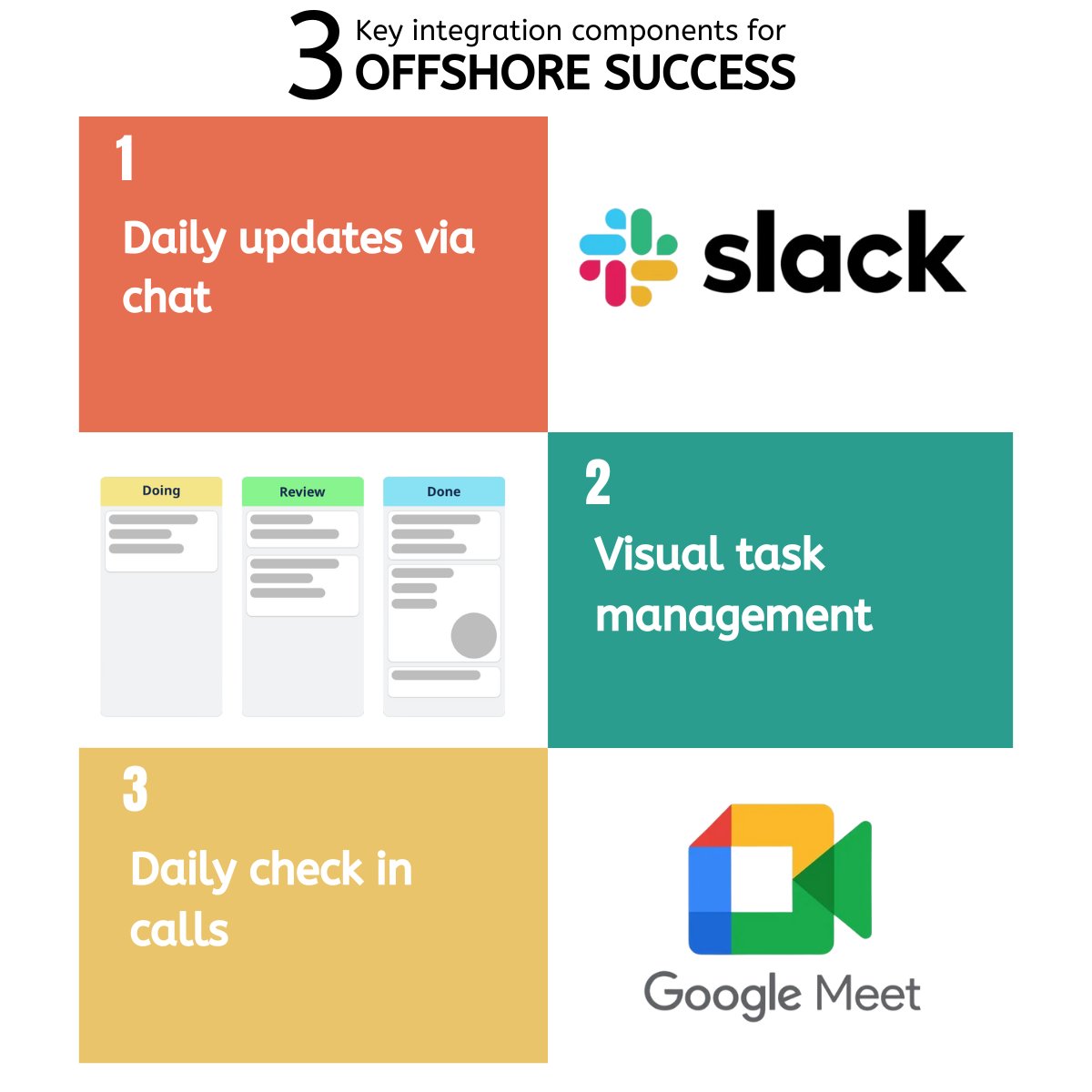
The reason offshoring 𝐟𝐚𝐢𝐥𝐬… It’s not always because of poor talent, but often due to inadequate integration. After helping 40+ businesses build remote teams in South Africa, we've seen that successful teams invest extensively in integrating their remote hires, while unsuccessful ones don't. The companies that often encounter the biggest issues with their remote hires, don't adapt their management approach for remote work. Communication is sporadic from the beginning. Tasks get lost in email threads. The offshore team member feels disconnected. Performance issues creep in. Once in while, a great hire is lost because of inadequate communication and management issues. Here's what we have found actually works (our successful clients follow this strategy too): Slack updates. We require all our team members to send an end-of-day message on Slack, outlining exactly what they've accomplished. Visual task management. We use Kanban boards in Notion to track deliverables - giving both the team member and manager instant visibility of progress. Daily check in calls. We conduct daily stand-ups where teams share updates, discuss blockers, as well as discuss miscellaneous topics like weekend plans. Successful offshore arrangements combine quality talent with strong management processes.
George Burgess tweet media
English
0
0
2
131
George Burgess
George Burgess@burgesg·
The #1 reason people stay in jobs? Having a friend at work. According to @Gallup, having a best friend at work doubles employee satisfaction and dramatically reduces employee turnover. This has made me rethink how we support our remote teams in South Africa. While remote work has countless benefits, it can make forming meaningful workplace relationships challenging. So we want to test something different: Shared office space for some of our remote teams in Cape Town. This is the thought process: Our clients get the cost benefits of remote work, while our team members get the benefit of a social connection in a physical workspace. I think it's particularly exciting for our sales teams, where energy and culture are so crucial to performance. Plus, it solves practical challenges we've faced. Two weeks ago, a team member had laptop issues and it took days to resolve remotely. In a shared space? It’s a same-day fix. We’re going to test this from June. Would love to hear thoughts/feedback
English
0
0
1
158
George Burgess
George Burgess@burgesg·
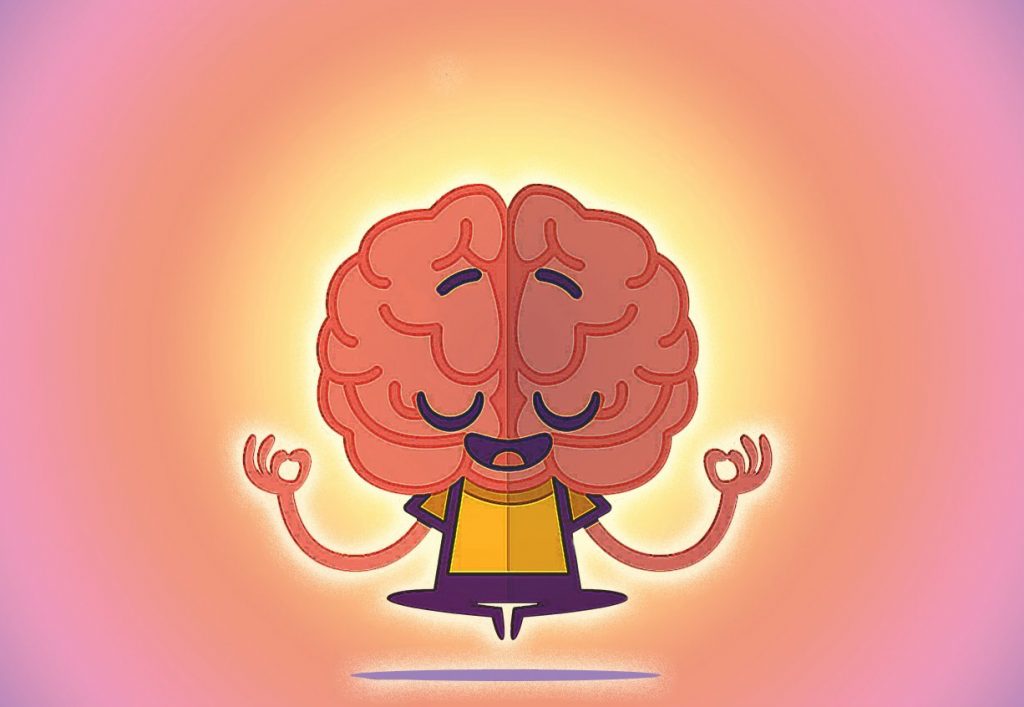
Two months ago, I started meditating. After the heart palpitations I experienced last year, something needed to change. I did some research before diving in: Harvard Medical School suggest 15 minutes of daily meditation leads to better stress management, and also helps with focus. So for 2025, I committed to a daily practice to see how it would impact my wellbeing. I’m now 2.5 months into the experiment, and starting to see real benefits: The biggest win has been falling sleep. My mind used to race at bedtime - thinking about tomorrow's problems, pending tasks, and that one urgent email. Now, a short mindfulness session before bed helps clear my head. I’m also seeing improvements in focus during the work day. Historically, I’ve operated in fight-or-flight mode. Every email felt urgent. Every problem needed solving immediately. I’d jump from issue to issue. Now I’m better at recognising that most things can actually wait until tomorrow. I don’t have to interrupt what I’m doing to “fix” something else. Sometimes stepping back gives better perspective. I’m hoping these improvements continue to strengthen as 2025 progresses but I still feel like I’m at the beginning of my journey. The @Headspace app has worked wonders so far. For those who practice meditation regularly, would you suggest continuing with this or are there other tools you prefer? At Modern Day Talent we build remote teams for the world's fastest-growing companies. Looking to expand your team quickly and affordably? Let's chat
George Burgess tweet media
English
0
0
1
205
George Burgess
George Burgess@burgesg·
The #1 reason people stay in jobs? Having a friend at work. According to @Gallup, having a best friend at work doubles employee satisfaction and dramatically reduces employee turnover. This has made me rethink how we support our remote teams in South Africa. While remote work has countless benefits, it can make forming meaningful workplace relationships challenging. So we want to test something different: Shared office space for some of our remote teams in Cape Town. This is the thought process: Our clients get the cost benefits of remote work, while our team members get the benefit of a social connection in a physical workspace. I think it's particularly exciting for our sales teams, where energy and culture are so crucial to performance. Plus, it solves practical challenges we've faced. Two weeks ago, a team member had laptop issues and it took days to resolve remotely. In a shared space? It’s a same-day fix. We’re going to test this from June. Would love to hear thoughts/feedback
English
0
0
1
156