Sabitlenmiş Tweet
Prashant
5.8K posts


Prashant
@capeandcode
AI Engineer // Senior Lead @TigerAnalytics
Katılım Ocak 2018
228 Takip Edilen14.8K Takipçiler





@_jaydeepkarale I am facing the same issue right now.
From being the main developer on the team I am now being transitioned into a team managerial role and honestly it feels like being lost a little.
Because I find it difficulty in where to start with that unlike working on a project
English
One of the hardest transitions in a software career isn't becoming a manager.
It's redefining what "doing a good job" means.
Your value is no longer measured by how much work you complete. It's measured by how much better the team performs because you're there.
As an individual contributor, your impact is measured by what you build. You solve problems, write code, review pull requests, and close tickets. Naturally, the best engineers often get promoted because they're consistently delivering.
The challenge is that the job changes after the promotion.
Many new managers continue measuring themselves the same way they always have. They jump into every technical discussion, pick up difficult tasks, and try to be the highest contributor on the team because that's what made them successful before.
But that's no longer the primary responsibility.
A manager's job isn't to produce the most output. It's to create an environment where the team produces more output than any one person ever could.
Sometimes that means writing less code and spending more time removing blockers, coaching engineers, setting priorities, hiring the right people, and making decisions that won't show up on a sprint board.
Those tasks can feel less satisfying because the impact isn't immediate. You don't get the same feeling of closing a ticket or merging a pull request. But over time, they create a much bigger multiplier.
The best managers I've worked with weren't the busiest engineers on the team.
They were the people who made everyone else more effective.
Do you have an engineer to manager story you'd like to share ?

English
@MicrosoftHelps Nothing concerning or urgent. It's fine. Thanks for reaching out!
English

@capeandcode Hello, we're just checking in as we haven't heard back from you recently. If you still need assistance with your concern, please feel free to message us anytime. We'll be happy to help.
Thank you for your time! ~RC x.com/messages/compo…
English






one idea we're exploring is that each user builds a 'score wizard' along their timeline, and contributions get positioned within the tree based on that score combined with community upvotes. this keeps the knowledge-tree dynamic, community-moderated, and free of duplicates. trees will be agentic-friendly by leveraging these scores, we're hoping agents get a second layer for valuation, which helps them better synthesize content as a tree grows larger
English
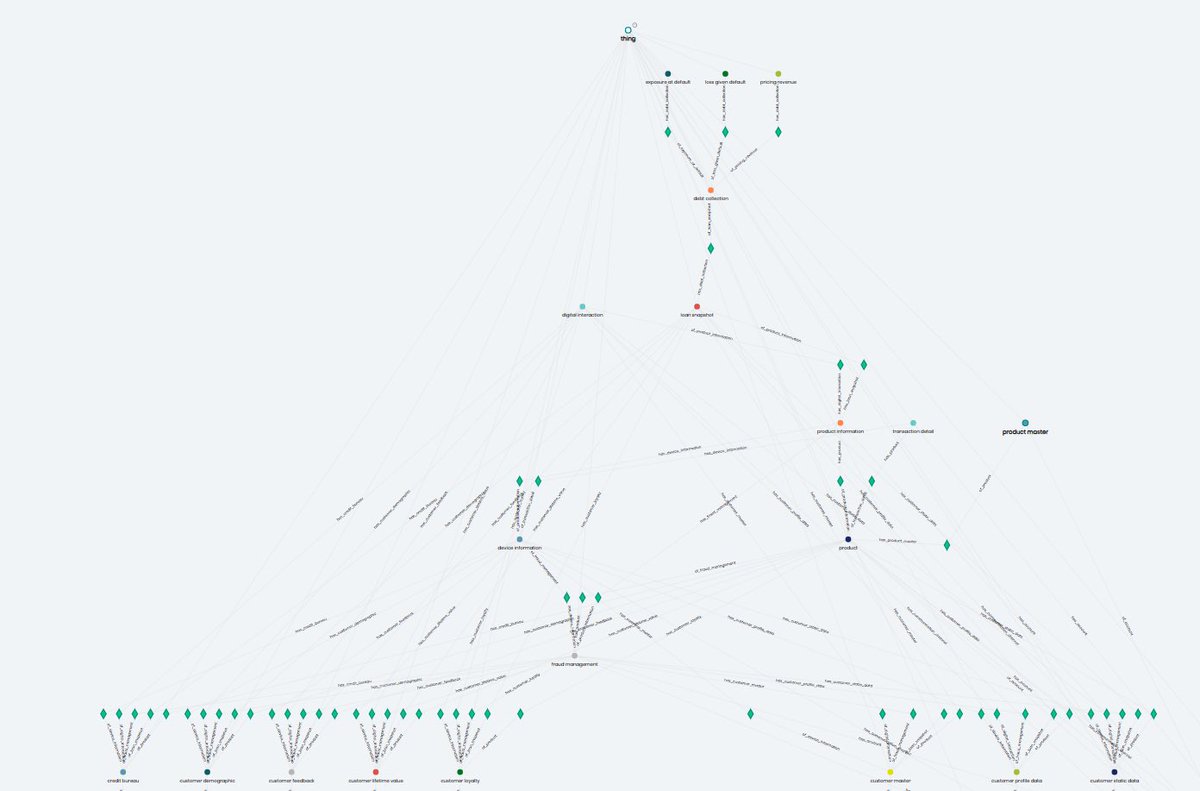
Understood. My use-case is about getting natural response from agents where the agent is able to leverage knowledge graphs for reliable answers from the database.
So I am mostly concerned with the way to create the knowledge graphs.
What entities to create and what relationships to build which will help llm to auto generate complex queries and provide results.
English
studying various models to understand maximum compatibility, Affine, Foam, D3.js, etc...
the core idea is to be doable and compatible with Obsidian via scripts and bridge:
so planing raw tree structure
JSON < > MD < > Obsidian
via web and api, a tree can be built, called and downloaded, compatible with Obsidian and bidirectional
English
@air_codex Great! Just curious, what tools/framework did you explore so far?
English

No offense to my Brazilian friends, but I am team Japan all the way today!!! 🇯🇵🇯🇵🇯🇵🇯🇵🇯🇵
English


I’m not sure how this will evolve, but I don’t think we’ll get dumber overall. When calculators arrived, people probably thought we’d forget math. Instead, we spent less time on arithmetic and more time solving bigger problems. The same thing happened with computers.
AI feels like the next step in that pattern. Some skills will become less important, while others will become more valuable. The question isn’t whether we’ll think less. It’s whether we’ll use the time and mental energy we gain to think about better things.
Then again, maybe we’ll get dumber. Who knows?
English
The ease of installing new software!
It seemed like a miracle after being on windows, ubuntu and fedora long term.
Saloni@saloniiio
Linux user here. 🐧 Give me one reason to switch to Mac. 👇
English


@svpino This “go-to-office” culture is a micromanager’s dream and a way for higher-ups to feel a sense of authority.
For governments, it helps sustain the economic activity built around office districts I believe.
Very little of it has anything to do with the quality of work.
English

I have a 20-year-old and a 10-year-old. The idea that I could do any work at an office is like a total fantasy.
Offices are designed to take your soul away and turn you into a modern slave.
Harry Stebbings@HarryStebbings
Why Remote Work is White Collar Fraud. "I have a three-year-old and a five-year-old. The idea that I could do any work at my house is like a total fantasy. The kids come home at 3pm, your work day needs to keep going. I'm highly against it." @typesfast
English
My football club is massive
Manchester United@ManUtd
We're proud to announce a milestone moment in the plan to transform Old Trafford 👀🏟️
English

life update: joined @librahq :)
gonna be building some cool AI tech, watch out this space 🧡


anks@AnkitaxPriya
hi, i’m looking for a full-time product manager role - have been freelancing across product + AI projects + growth - 0→1, rapid prototyping and user first thinking is my jam comfortable working in fast paced, early stage teams open to Bangaluru/remote. help me w/ leads :)
English