Casey Stang

106 posts

Casey Stang banner
Casey Stang

Casey Stang

@caseyrstang

Here for the History.

Carstairs / Vancouver Island Katılım Temmuz 2022
1.2K Takip Edilen999 Takipçiler
Tyson Hockley
Tyson Hockley@HockleyTyson·
Congratulations to all Canadians boycotting the US, you are all stupid idiots. 🇨🇦
English
98
54
1.1K
10.3K
Nature is Amazing ☘️
Nature is Amazing ☘️@AMAZlNGNATURE·
Meet the biggest grizzly in Banff National Park - THE BOSS 🐻 Known as the park’s largest and most famous grizzly bear, “The Boss” has survived being hit by trains twice, fought off rival grizzlies and is believed to have fathered up to 50% of Banff’s grizzlies.
Nature is Amazing ☘️ tweet mediaNature is Amazing ☘️ tweet media
English
68
293
2.5K
99K
Mark Carney
Mark Carney@MarkJCarney·
It’s time to build — and we need a lot more builders. Team Canada Strong is our new nationwide effort to train and hire up to 100,000 skilled trades workers across Canada.
Mark Carney tweet media
English
824
231
1K
37.8K
Casey Stang retweetledi
George Mack
George Mack@george__mack·
Winston Churchill used to lay 200 bricks per day to keep his mind busy when feeling down. Depression hates a moving target.
George Mack tweet media
English
436
3.4K
28K
5.5M
Casey Stang retweetledi
Dominion Aesthetics
Dominion Aesthetics@CanadianAesth·
The Dominion of Canada (1921)
Dominion Aesthetics tweet media
English
5
66
507
6.3K
Casey Stang retweetledi
Canadian Army
Canadian Army@CanadianArmy·
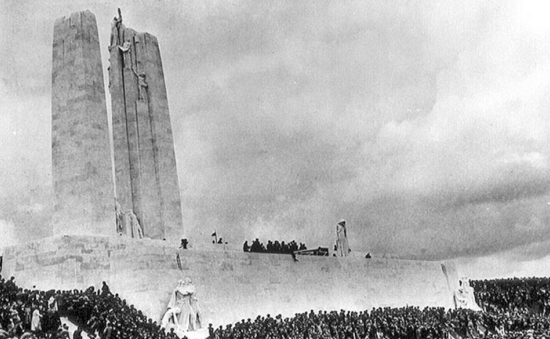
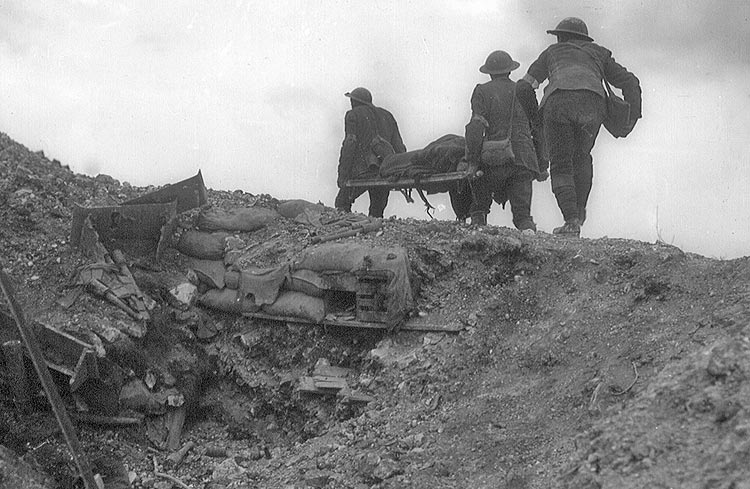
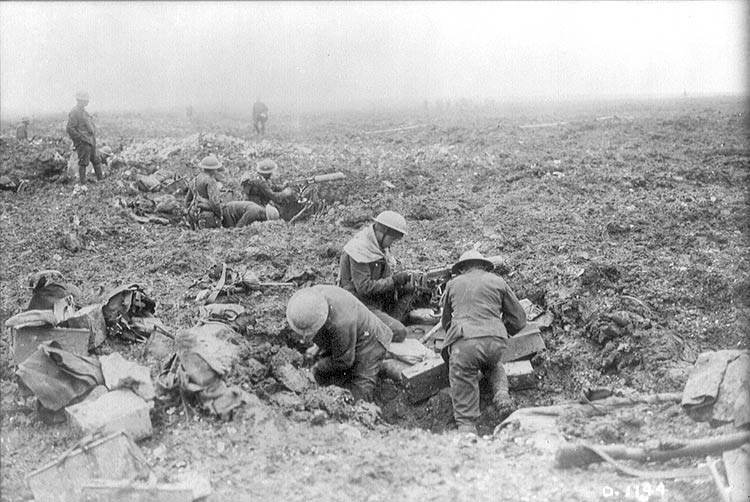
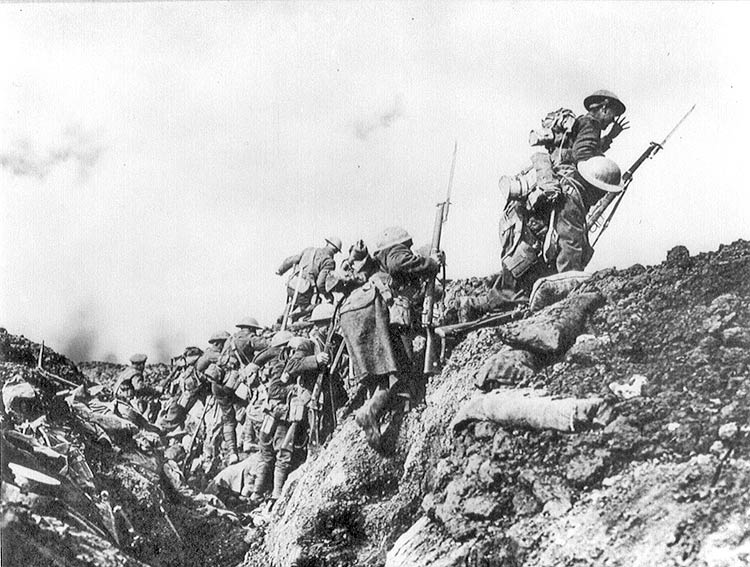
On this day 109 years ago nearly 100,000 Canadians fought together at Vimy Ridge in one of the First World War’s defining battles. Today, the Vimy Memorial stands at Hill 145 in remembrance of their courage, sacrifice, and the legacy left behind. #CanadaRemembers
Canadian Army tweet mediaCanadian Army tweet mediaCanadian Army tweet mediaCanadian Army tweet media
English
40
476
1.8K
61K
Casey Stang
Casey Stang@caseyrstang·
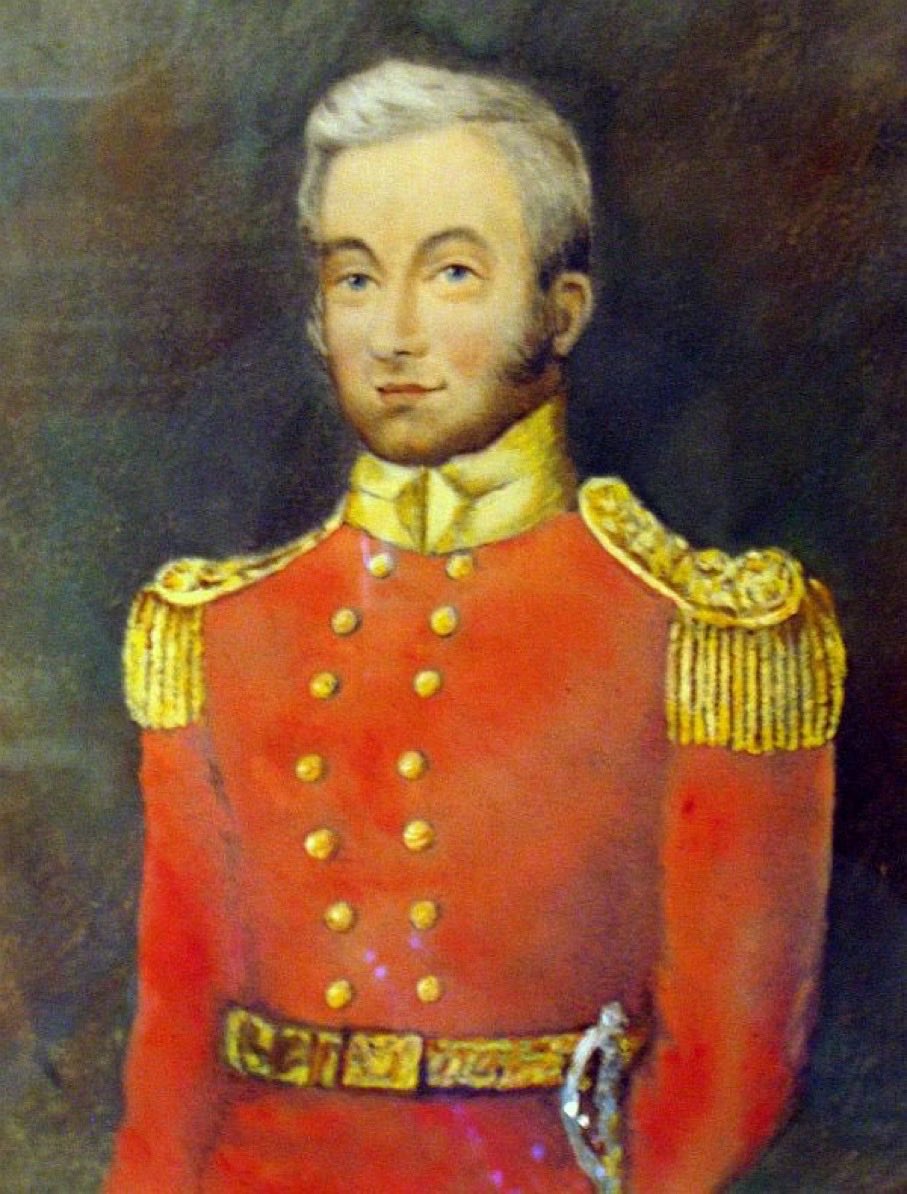
🛡️ Meet the mastermind behind one of North America's most iconic fortresses: Major General Elias Walker Durnford, Royal Engineers (28 July 1774 – 8 March 1850). Born in Lowestoft, England, Durnford rose through the ranks of the British Army’s Corps of Royal Engineers. After service in Bermuda, Nova Scotia, and commanding the Royal Engineers in the Canadas (1816–1831), he designed and oversaw construction of the Citadel of Quebec from 1820 to 1832. Inspired by Vauban’s principles, this star-shaped stone fortress was built to defend British North America against potential U.S. invasion after the War of 1812. It remains a stunning UNESCO-recognized site and home to the Royal 22nd Regiment today. A true engineer-soldier whose work still stands strong nearly 200 years later. 🇨🇦🇬🇧 #QuebecCitadel #MilitaryHistory #RoyalEngineers #CanadianHistory
Casey Stang tweet media
English
0
2
3
216
Casey Stang retweetledi
Military History Now
Military History Now@MilHistNow·
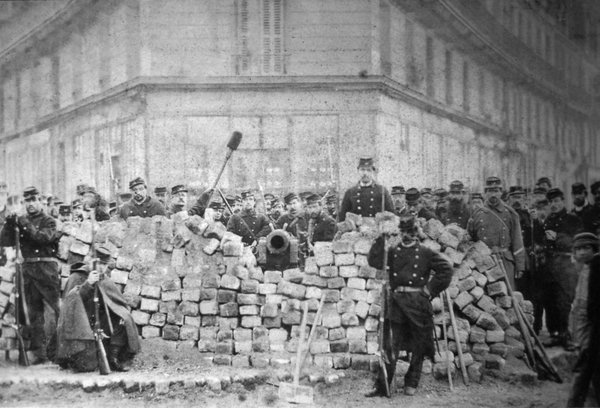
On this day in 1871, French radicals unite to establish a short-lived government known as the Paris Commune. In May, government troops will enter the city and massacre more than 6,000 of the movement's supporters.
Military History Now tweet media
English
13
50
347
26.1K
Casey Stang retweetledi
Charles A. Coulombe
Charles A. Coulombe@RCCoulombe·
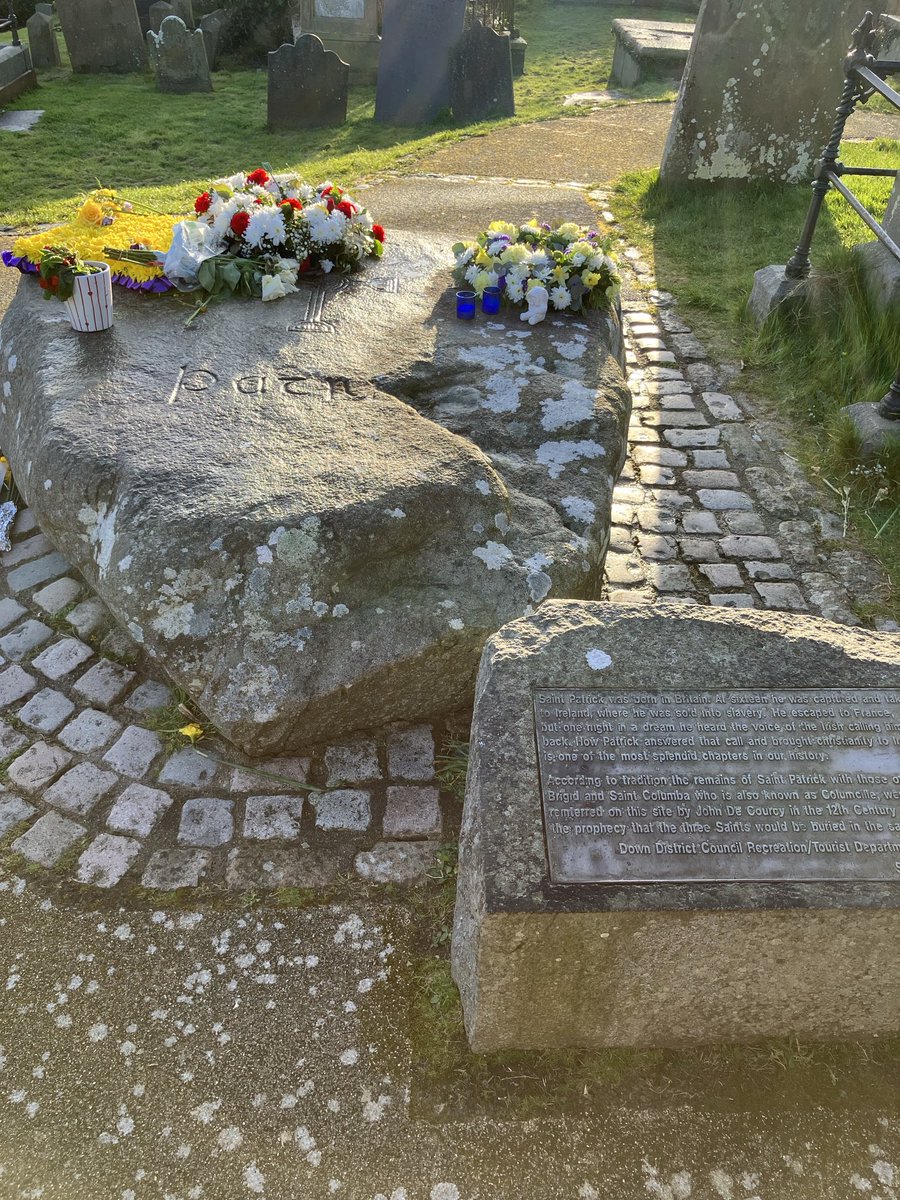
The tomb of St. Patrick, Downpatrick, Ireland.
Charles A. Coulombe tweet media
English
43
668
6.3K
53.5K
Casey Stang retweetledi
Military History Now
Military History Now@MilHistNow·
Today in 1757, Admiral John Byng is executed on the deck of his own flagship for failing to do his 'utmost' in battle against the French. "It is good to kill an admiral from time to time, in order to encourage the others," Voltaire later writes. See: militaryhistorynow.com/2018/04/15/to-…
Military History Now tweet media
English
0
24
192
11.3K
Casey Stang retweetledi
Archaeo - Histories
Archaeo - Histories@archeohistories·
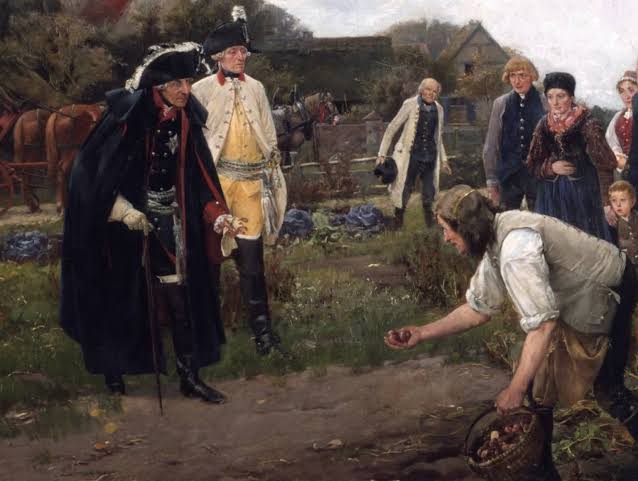
In 1774, Frederick the Great, King of Prussia, issued a royal order commanding his subjects to grow and eat potatoes.... He had watched his people starve through two wars and he knew the potato could feed a nation through almost anything. It grew in poor soil, produced more calories per acre than any grain, and could survive conditions that would destroy a wheat harvest entirely. He was completely right and his subjects wanted nothing to do with it. The town of Kolberg sent back an official written response to their king's royal order that read: "The things have neither smell nor taste, not even the dogs will eat them, so what use are they to us?" This was not a small village grumbling quietly. This was an official municipal response to a direct command from Frederick the Great, one of the most powerful and feared monarchs in Europe, a man who had already threatened to cut the nose and ears off any peasant who refused to plant them. The Prussian peasantry looked at the potato, looked at the king, and sent back a letter telling him the dogs wouldn't eat it. Frederick tried everything. He issued edicts and threatened punishments and distributed free seed potatoes across the kingdom and had his own royal household serve them at every meal to set an example. None of it moved the needle. The Russian Orthodox Church had already declared potatoes unfit for human consumption on the grounds that they were not mentioned in the Bible, and that particular piece of information had traveled. Peasants called them the devil's apple and believed that because they grew underground and resembled the plants of the nightshade family, they were probably poisonous and possibly the work of witches. And there was a saying that had circulated across Prussia for generations that summed up the whole problem perfectly: "Was der Bauer nicht kennt, frisst er nicht." What the peasant doesn't know, he will not eat. So Frederick tried something different. He had a large field of potatoes planted on royal land outside Berlin and then posted his army around it with strict orders to guard the crop day and night, making it visible that something of significant value was growing in that field. He told his soldiers privately to look the other way after dark. Within weeks peasants were sneaking in under cover of night and stealing the royal potatoes, taking them home, and planting them in their own fields. A food they had refused to touch for thirty years suddenly became worth stealing from the king himself because the king had made it clear he valued it enough to guard it with soldiers. The reverse psychology worked completely and within a generation the potato was a staple of Prussian and German cuisine. Frederick died in 1786 and was buried at his palace at Sanssouci in Potsdam. Today if you visit his grave you will find potatoes left there by visitors, small ones, sometimes old and shriveled, placed on the stone as a thank you from the people whose great-great-grandparents stole his crop in the dark. A French soldier named Antoine Parmentier who had been captured by the Prussians during the Seven Years War and had survived on potato rations in captivity later wrote an entire award-winning scientific study arguing that the potato was capable of ending famine across Europe. He is buried in Paris and visitors leave potatoes on his grave too. The two men never met but they are connected by the same vegetable and the same stubborn peasants who refused to eat it until someone convinced them it was worth stealing. What Frederick understood, and what the people of Kolberg did not, was that hunger is patient and pride is not. © Eats History #archaeohistories
Archaeo - Histories tweet media
English
84
512
2.8K
123.9K
Casey Stang retweetledi
Military History Now
Military History Now@MilHistNow·
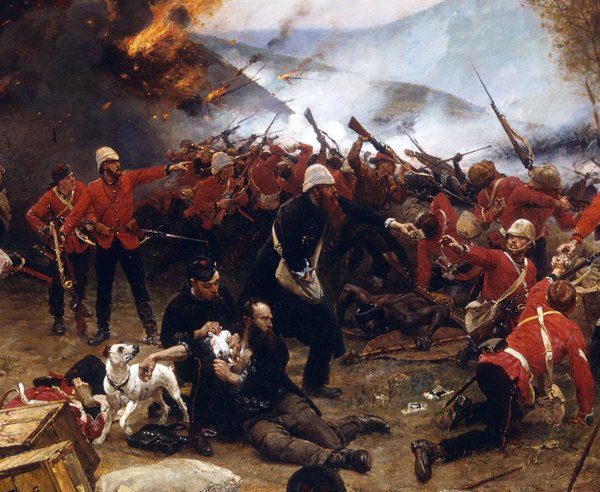
On this day in 1879, 20,000 Zulu warriors wipe out an 1,800-man British column at Isandlwana, South Africa. Less than 10 miles away, 150 troops defending an outpost at Rorke's Drift hold off 4,000 attackers. Victoria Crosses will be awarded to 11 of the survivors.
Military History Now tweet media
English
38
391
2.5K
95.7K
Casey Stang retweetledi
Don Cherry
Don Cherry@CoachsCornerDC·
Don't forget your poppy!
Don Cherry tweet media
English
1.5K
5.7K
51K
1.7M
Casey Stang retweetledi
Today in History
Today in History@TodayinHistory·
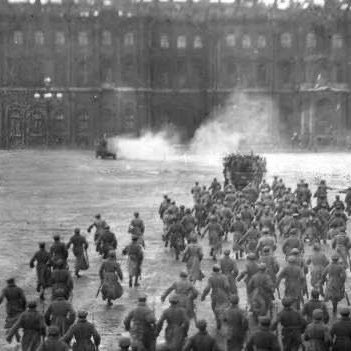
November 6, 1917: The Bolshevik Revolution, led by Vladimir Lenin, began with the storming of the Winter Palace in Petrograd.
Today in History tweet media
English
13
58
268
8.7K
Casey Stang retweetledi
Vintage Maps
Vintage Maps@vintagemapstore·
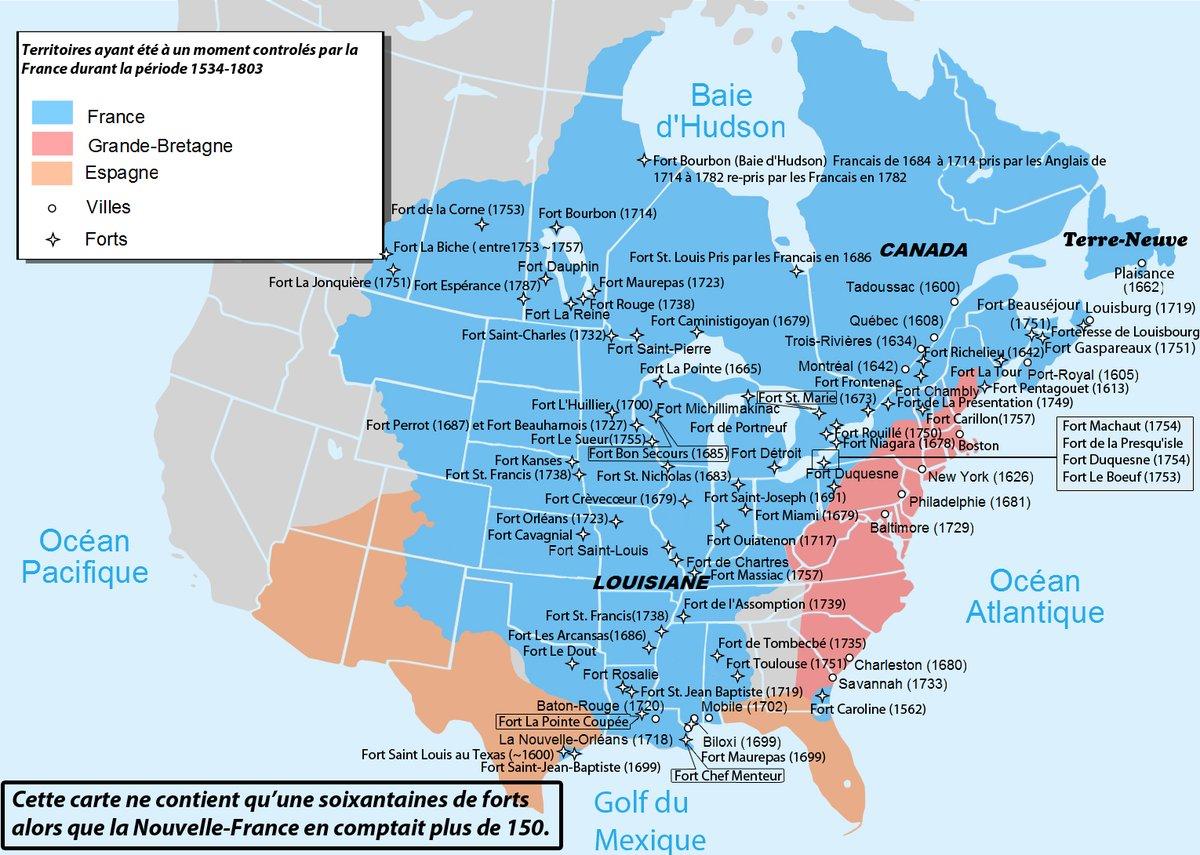
North American territories that were once controlled by France
Vintage Maps tweet media
English
73
237
1.7K
91.7K
Casey Stang retweetledi
Prep Propaganda 👔
Prep Propaganda 👔@prep_propaganda·
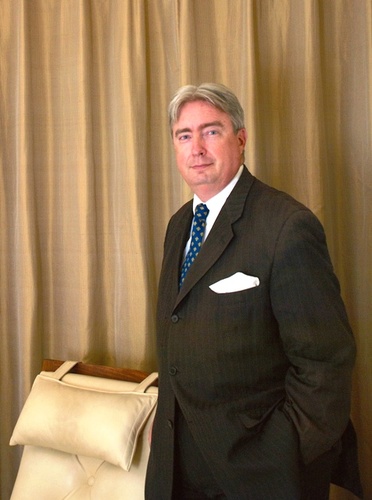
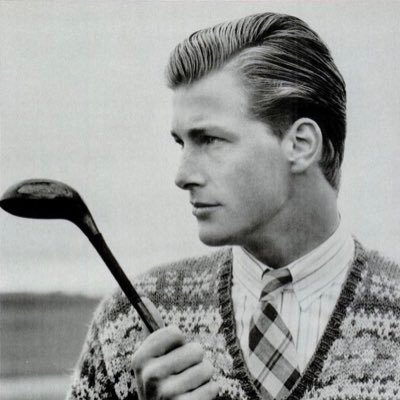
Ralph Lauren at the Polo Bar
Prep Propaganda 👔 tweet media
English
16
133
3.2K
194.4K
Casey Stang retweetledi
Military History Now
Military History Now@MilHistNow·
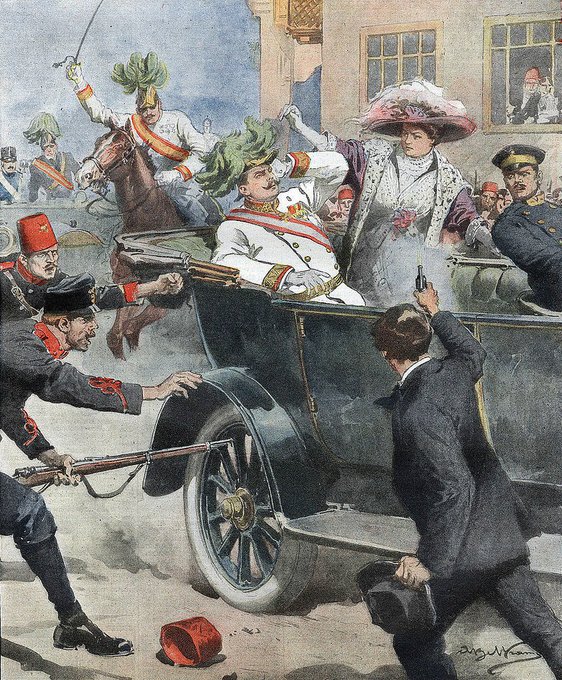
Today in 1914, Austria-Hungary delivers a punitive 10-point ultimatum to Serbia following Archduke Ferdinand’s assassination in Sarajevo in June. The demands, which seem designed to be rejected, target Serbian sovereignty. Serbia accepts all but one. Austria-Hungary declares war
Military History Now tweet media
English
18
211
750
30.6K
Casey Stang retweetledi
Military History Now
Military History Now@MilHistNow·
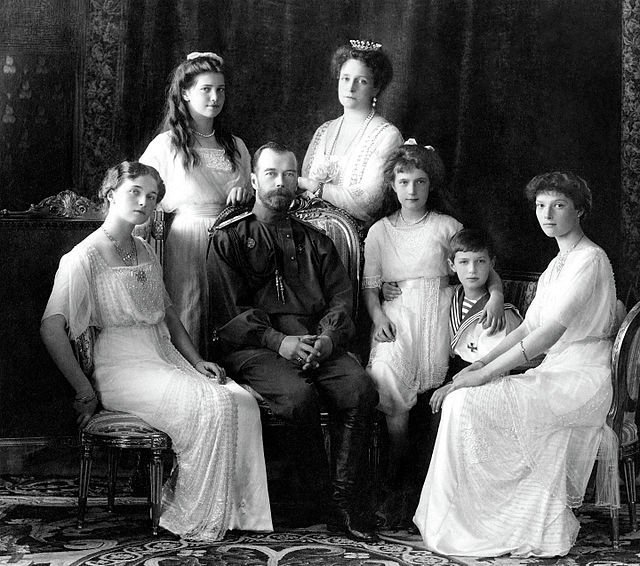
On this night in 1918, Bolshevik troops shoot and bayonet Russia's royal family in a Yekaterinburg cellar. A communist party newspaper cynically proclaims the Romanovs were "... shot without Bourgeois formalities but in accordance with our new democratic principles."
Military History Now tweet media
English
53
293
908
58.4K