cccbauer retweetledi

Advanced meditation is increasingly a critical test case for neuroscience, psychology, phenomenology, philosophy and computational modeling of the mind.
In doing so, advanced meditation is pushing us to rethink how we both study and understand our own subjective experience and the processes through which our minds can deeply transform.
I’m therefore delighted to share that our new review and synthesis, “Active Inference, Computational Phenomenology, and Advanced Meditation: Toward the Formalization of the Experience of Meditation,” is now officially published in Neuroscience & Biobehavioral Reviews
As the scientific study of advanced meditation continues to mature, a central challenge for our team at the Meditation Research Program is this: How can subjectively rich, conceptually elusive, and highly refined first-person meditative experiences integrate into fruitful dialogue with formal, testable computational models of the mind?
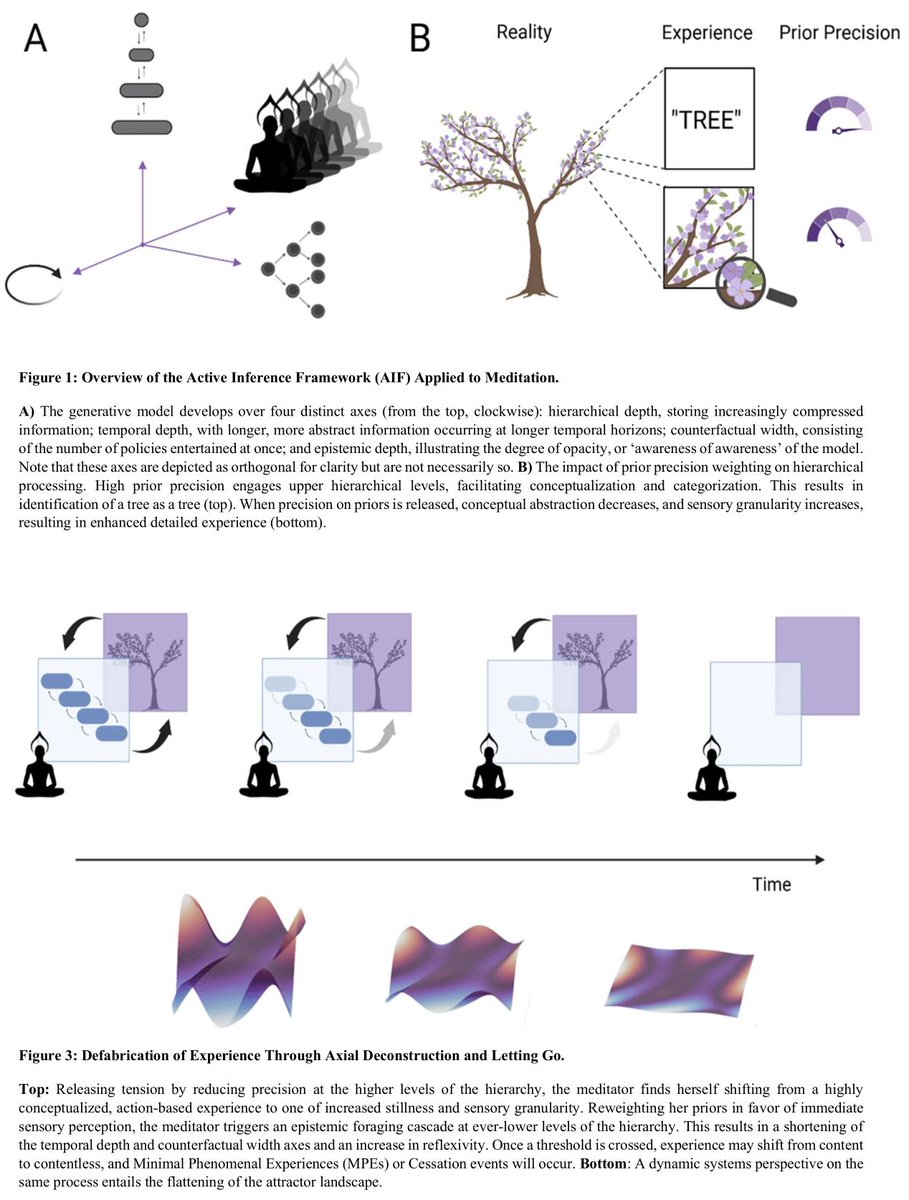
In this paper, we critically synthesize a rapidly growing, but until now largely scattered, literature that uses Active Inference and related computational frameworks to model the states, stages, and endpoints of advanced meditation. We ask where current models succeed, where they fall short, and what rigorous and meaningful progress will require next.
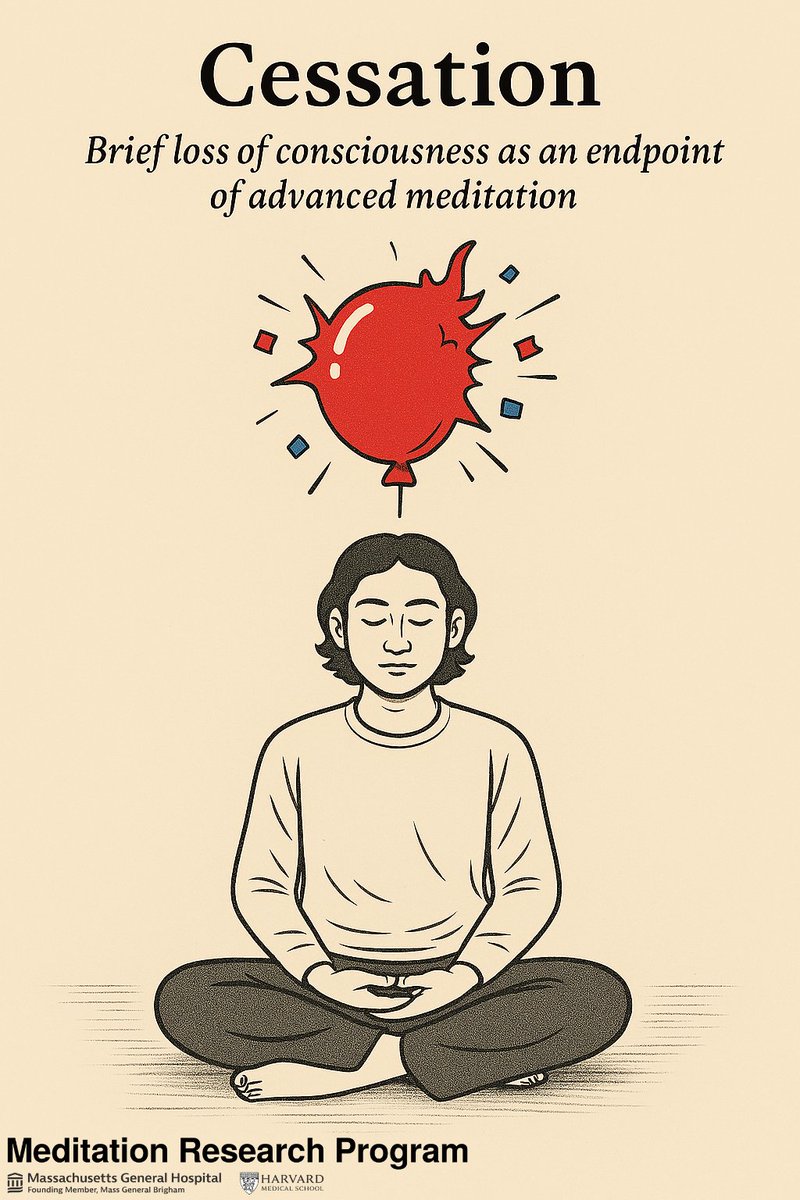
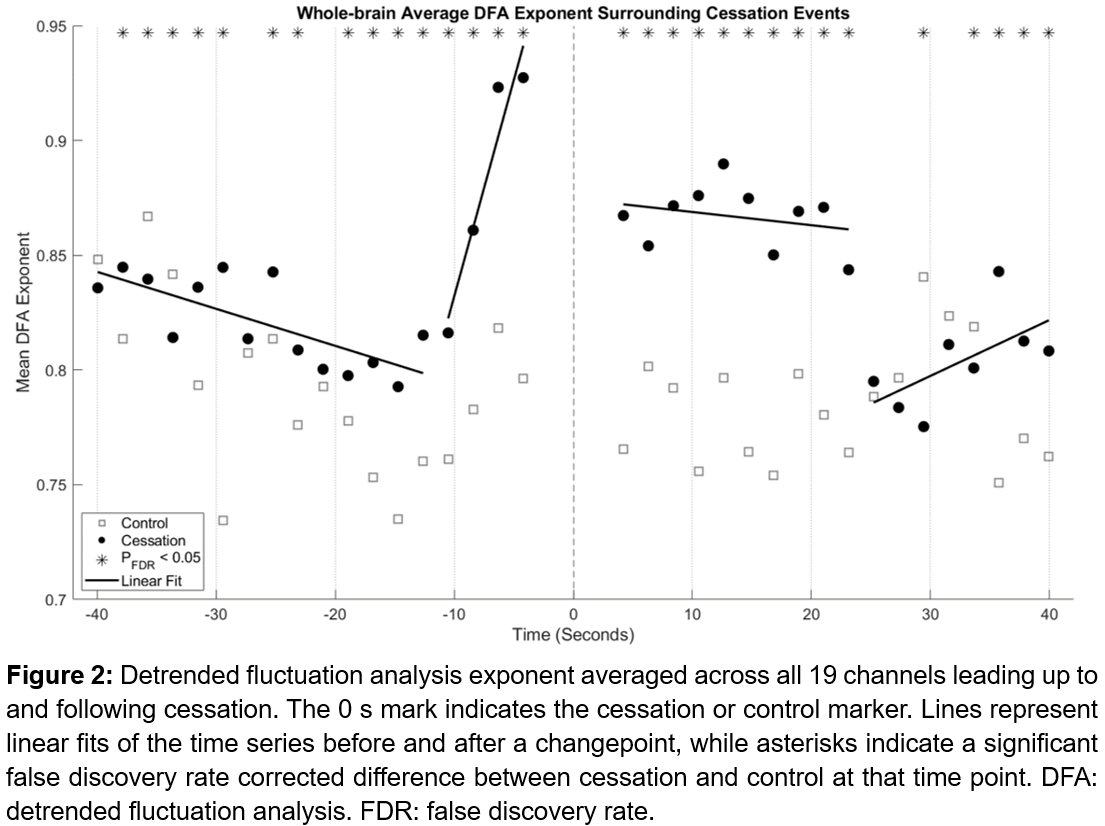
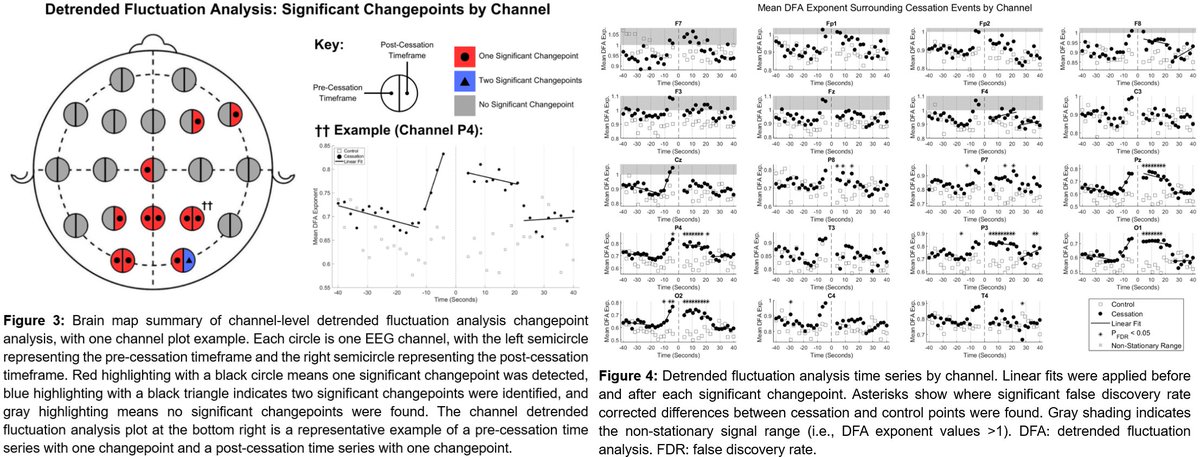
Importantly, this work goes well beyond basic mindfulness by engaging radical experiential territories including defabrication (the loosening of mental habits that shape experience), Minimal Phenomenal Experience (MPE; the barest awareness without thought, affect, or sense of self), and cessation (a complete, temporary absence of conscious experience altogether).
So why does this matter for contemplative science and meditation more broadly?
Because carefully developed formal models can help clarify and illuminate how deep psychological transformation actually happens. When pursued rigorously and respectfully, we believe such models can bridge difficult-to-articulate first-person phenomenology with precision tools of third-person science, guiding future empirical work and potentially even informing mental health.
My deepest gratitude to first author Hagar Tal, and our collaborators Malcolm Wright @punk_utopian, Shawn Prest, and Lars Sandved Smith @lars_sandved !
As always, my colleagues and I warmly welcome your reflections and deeper conversations, and we’re especially keen to hear from those around the world thinking deeply about advanced practice, phenomenology, and the contemplative and computational science of consciousness in transformation.
The full manuscript PDF is included below ⤵️

English