Arjun Singh

3.3K posts

Arjun Singh banner
Arjun Singh

Arjun Singh

@chainsawrocks

Airline Pilot A320 | B737 | Flight Sim Enthusiast. (Views and comments are personal)

India Katılım Eylül 2020
100 Takip Edilen7.4K Takipçiler
Sabitlenmiş Tweet
Arjun Singh
Arjun Singh@chainsawrocks·
A 1st in commercial aviation & one of the most distinctive features of the 777X's design is its innovative folding wingtips. The 777X boasts an impressive 235 feet and five-inch wingspan, a bit too wide for most airport gates. 🧵 The Boeing 777X Folding WingTip (FWT) operation.
English
7
14
125
30.8K
Arjun Singh
Arjun Singh@chainsawrocks·
While most increases in maximum take-off weight (MTOW) typically require (or already include) structural reinforcements to the airframe, Airbus achieved an interesting exception in 2008 with the A320ceo. Through a simple software upgrade to the aircraft’s existing Load Alleviation Function (LAF) in the flight control system, Airbus raised the A320’s MTOW to 78 tonnes - an increase of roughly 1 tonne. This provided operators with approximately 150 nautical miles of additional range without any hardware or structural modifications. The upgrade reactivated and refined the LAF, which uses the ailerons and outer spoilers to reduce wing loads during manoeuvres and gusts. This demonstrated just how sophisticated and capable the A320’s fly-by-wire computer systems already were, allowing meaningful performance gains purely through software.
Arjun Singh tweet media
Aeronews@AeronewsGlobal

FAA has certified an increased maximum takeoff weight (iMTOW) for the 787-9 and 787-10 #Dreamliner. 787-9: Roughly 10,000-pound (4,540-kilogram) increase enables about 3 metric tons of extra payload, or more than 300 nm (560 km) of additional range. 787-10: Roughly 14,000-pound (6,350-kilogram) increase enables about 5 metric tons of extra payload, or more than 400 nm (740 km) of additional range. boeing.com/features/2026/…

English
4
38
217
30.2K
Arjun Singh
Arjun Singh@chainsawrocks·
@buzooboy Unfortunately, yes. If GNSS data is lost, a default value will be submitted in the event of a distress tracking activation. If GNSS data is erroneous, this data will be submitted in the event of a distress tracking activation as long as the status of the data is "valid."
English
0
0
2
110
Arjun Singh
Arjun Singh@chainsawrocks·
Airbus pioneered the next-generation Emergency Locator Transmitter (ELT) featuring Autonomous Distress Tracking (ADT) capability, known as the ELT-DT. During normal flight operations, automatic reporting of the aircraft's position occurs at intervals of at least every 15 minutes. Airlines have been adopting this technology since 2018. The core ADT function focuses on aircraft tracking during an in-flight distress event. Upon detecting a confirmed distress condition, the ELT-DT activates within 5 seconds, begins transmitting the aircraft's precise position via a dedicated satellite network, and then continues to send updated position data at a much higher frequency - every minute. This one-minute transmission interval significantly improves location accuracy compared to the standard 15-minute reporting. It enables search-and-rescue teams to narrow the potential impact or accident site to within a 6 nautical mile radius, as established by ICAO standards for the Global Aeronautical Distress and Safety System (GADSS). This tighter tracking window helps ensure more rapid and effective response in emergencies.
Arjun Singh tweet media
English
1
16
71
8.8K
Arjun Singh retweetledi
Air Safety #OTD by Francisco Cunha
Happy birthday to the Airbus A320, which made its first flight on this day in 1987. The first FBW jetliner, it set new standards for efficiency and became a best seller. By 2025, the global A320 fleet had completed more than 176 million flights over 328 million block hours since its entry into service.
English
4
15
82
3.8K
Arjun Singh
Arjun Singh@chainsawrocks·
@6eJet Lovely. 😍 Thank you for sharing this.
English
1
0
1
169
Arjun Singh
Arjun Singh@chainsawrocks·
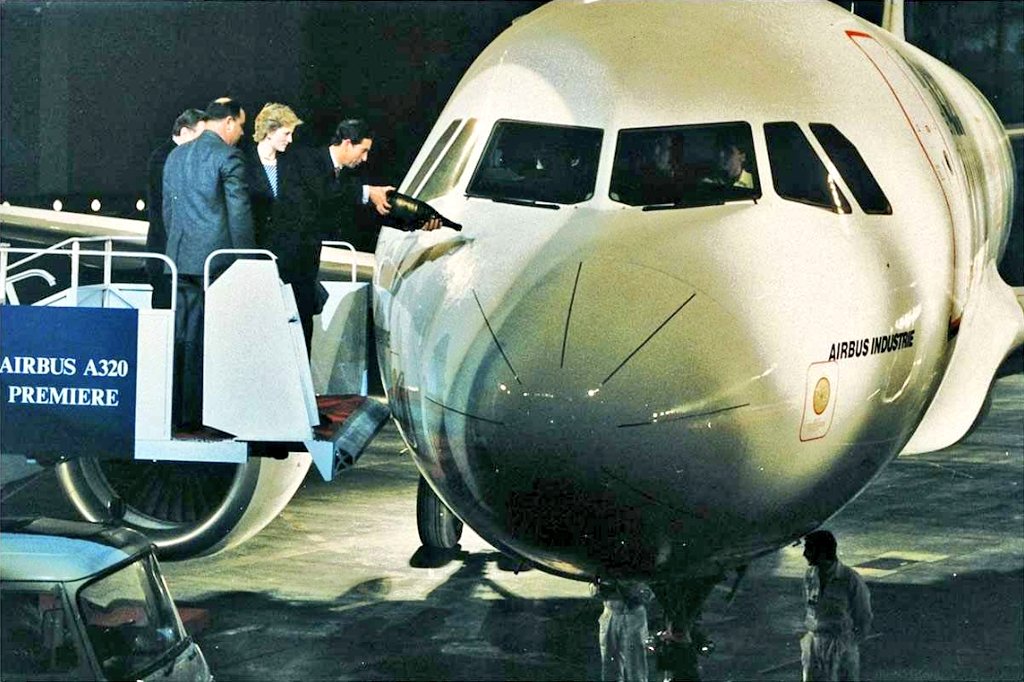
A royal-worthy aircraft! In 1987, the Airbus #A320 received a truly regal christening from the Prince and Princess of Wales. It marked history as the first commercial airliner where every function was controlled by computer systems—thanks to its groundbreaking fly-by-wire technology. The inaugural A320 proudly rolled out of the final assembly line in Toulouse. Just eight days later, on February 22, it took to the skies for its maiden flight, lasting 3 hours and 23 minutes. The comprehensive flight test campaign that followed spanned 1,200 hours across 530 flights. Happy 39 @Airbus A320.
Arjun Singh tweet media
English
2
15
156
8K
Arjun Singh
Arjun Singh@chainsawrocks·
@MCCCANM Sorry for your loss. Heartfelt condolences 🙏.
English
0
0
3
294
KC-10 Driver ✈️ 👨‍✈️ B-737 Wrangler
Deanna Evans, 46, passed away Tuesday after a lengthy battle w/ cancer. She leaves a son, 12. She wouldn’t want you to be sad. She’d want you to try that Michelin restaurant & order a Negroni. I loved her. She deserved more life & has taken most of my heart with her.
KC-10 Driver ✈️ 👨‍✈️ B-737 Wrangler tweet mediaKC-10 Driver ✈️ 👨‍✈️ B-737 Wrangler tweet media
English
2.1K
484
18.7K
604.4K
Pratik Mehta
Pratik Mehta@tweetpratikm·
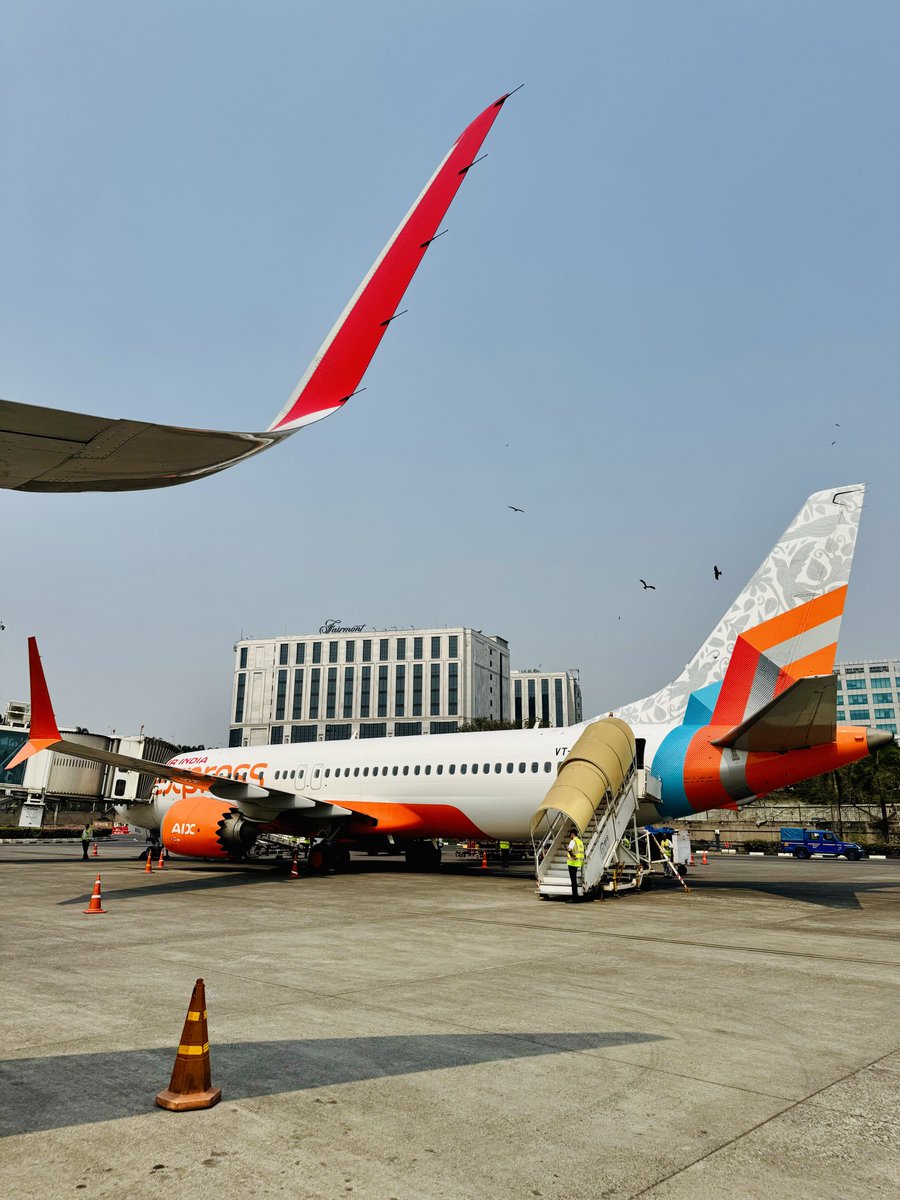
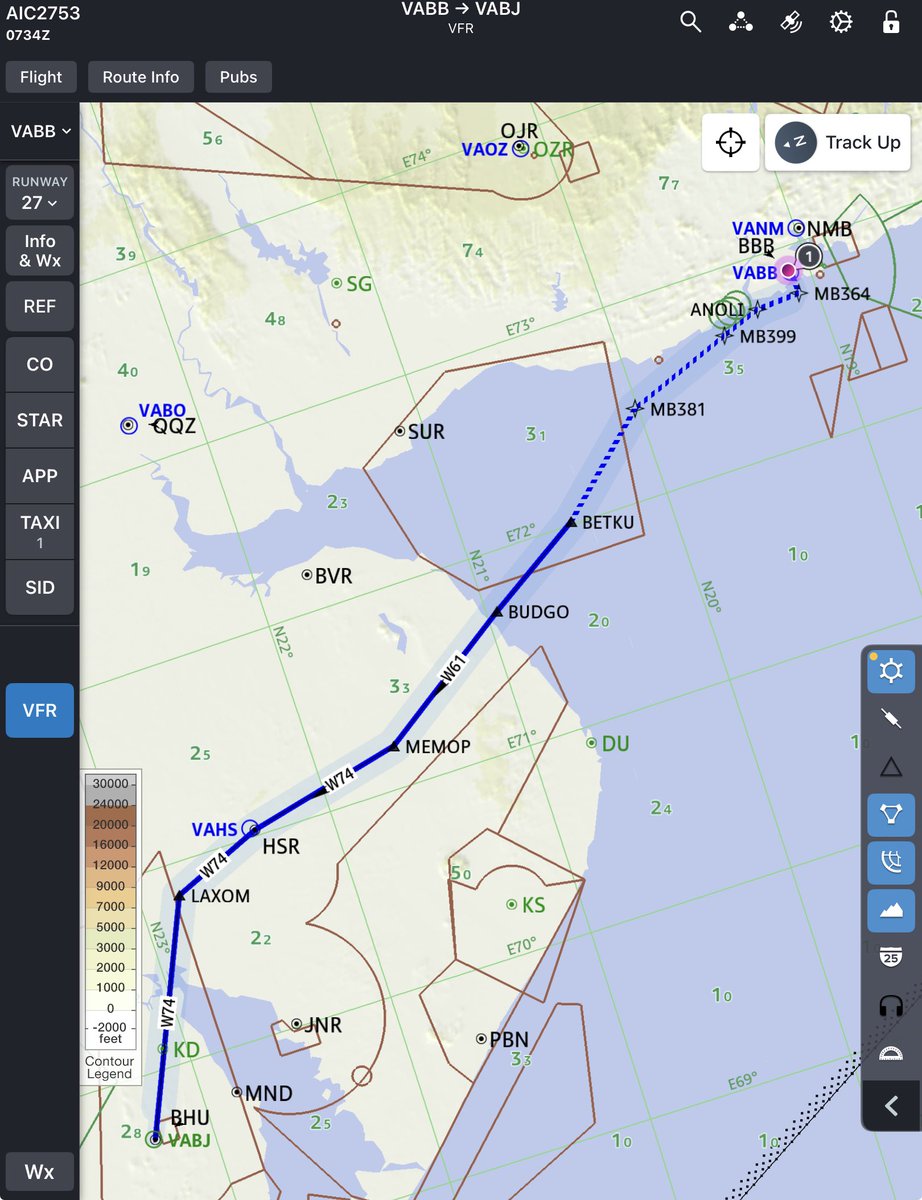
Sector 2 of 4!!! Heading to Bhuj on #VTRTT #a320Neo. Always loved flying to Bhuj, back in the day only a VOR appch for runway 23 and a visual appch for runway 05 was available. Now it’s been upgraded to an ILs on 23 and VOR appch for 05. Flying time of 55min, covering a distance of 342nm @ FL320 m.78. #airbus #a320Neo #lifeontheramp #cfm #leap1a #ai2753
Pratik Mehta tweet mediaPratik Mehta tweet mediaPratik Mehta tweet mediaPratik Mehta tweet media
English
1
1
66
2.9K
Arjun Singh retweetledi
The Joker
The Joker@trend_nosig·
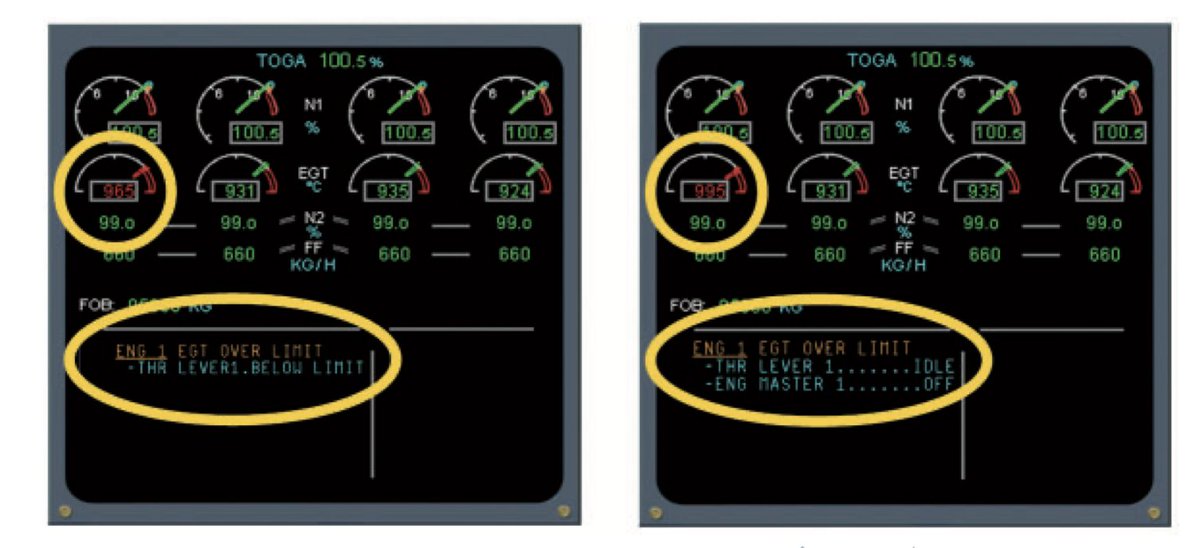
V1 is the "decision speed" or the "action initiation speed". Ergo, the first action to reject the take off MUST be initiated by this speed and NOT after. "STOP". Above V1, irrespective of the failure, it's a "GO". On the Airbus, warnings for EGT over limits are inhibited above 80 knots. "An EGT over limit due to normal engine wear does not affect the engine thrust, safe continuation of the takeoff is therefore possible. Below 80 knots, an ECAM caution will trigger and the takeoff may be aborted. Above 80 knots, ECAM caution is inhibited, no crew action required." It recommended to deal with an EGT over limit above 400', only after the flight path is stabilised. For more information on handling EGT over limit during Take Off, please refer to this article from @Airbus Safety First. …afetyfirst.s3.eu-west-3.amazonaws.com/pdf/safety+fir…
The Joker tweet media
Turbine Traveller@Turbinetraveler

V1 is the decision speed—the last speed at which a rejected takeoff is guaranteed to stop within the available runway. Above V1, the takeoff must be continued unless the aircraft is clearly unable to fly. But I read somewhere that when calculating takeoff performance (for any eventuality on the takeoff roll, like engine failure), instead of continuing the takeoff, the pilot flying would wait 2 seconds after reaching V1, then decide to reject the takeoff and safely come to a stop on the available runway distance. Could the LATAM B777-300ER pilots have used this same principle at Guarulhos? 📹: Aviação Guarulhos JPD (YouTube)

English
1
10
98
17.5K
Josh Cahill
Josh Cahill@gotravelyourway·
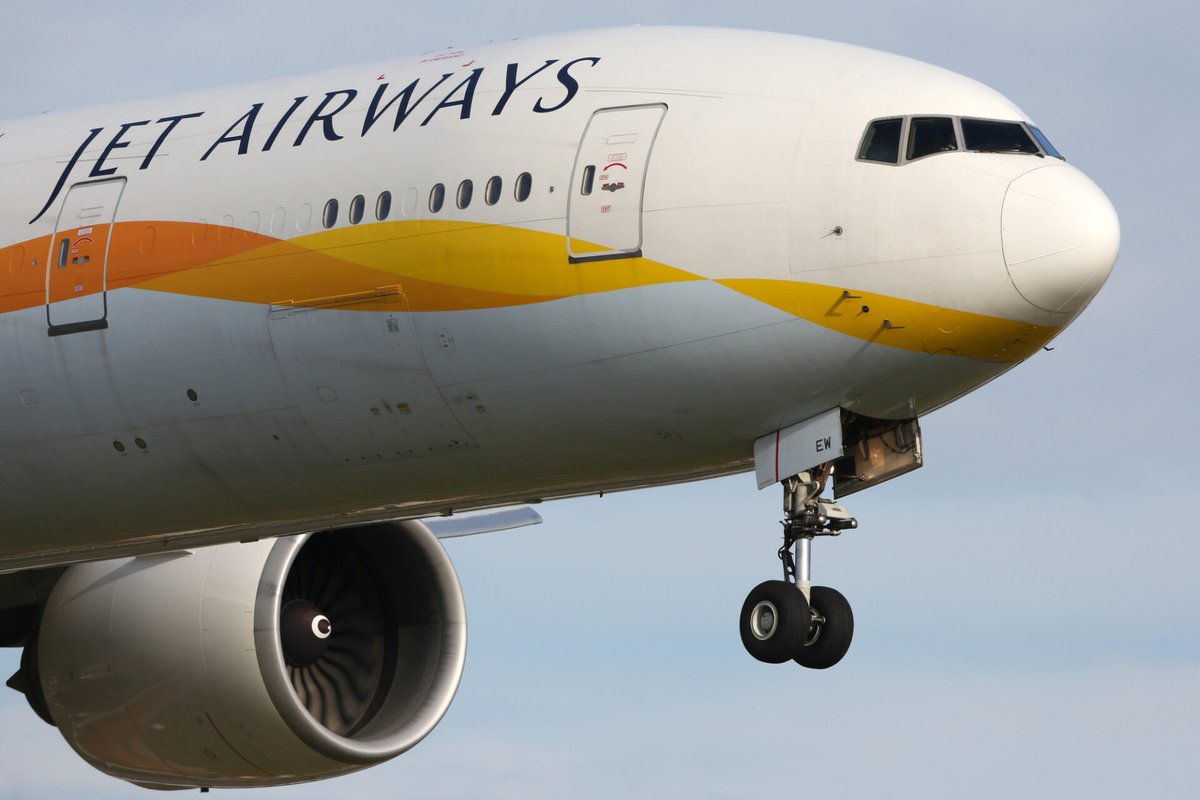
Share your favourite Jet Airways moment below 👇
Josh Cahill tweet media
English
48
10
169
19.2K
Arjun Singh
Arjun Singh@chainsawrocks·
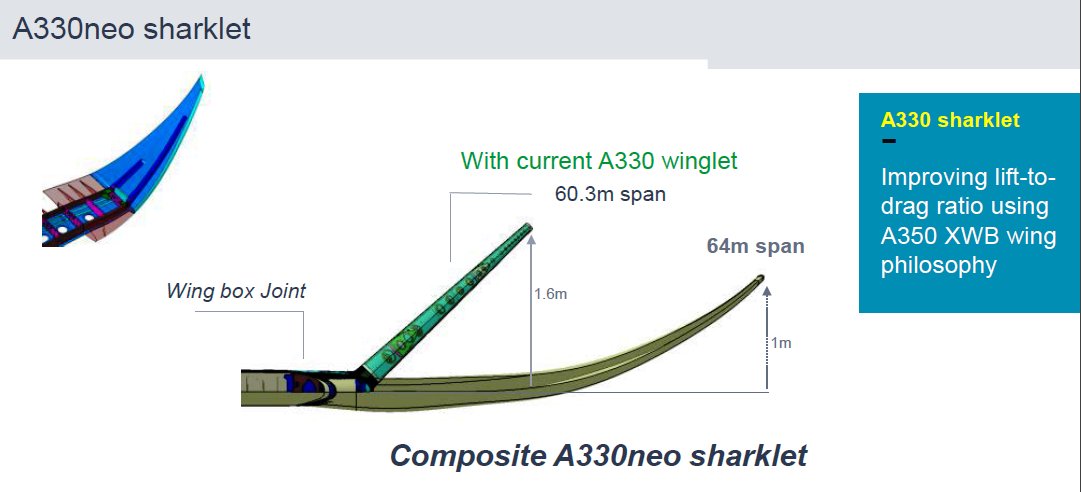
The Airbus A330neo features a wing with an aspect ratio of 11, the highest among any widebody airliner currently in production. This design significantly reduces induced drag and enhances lift across various speeds and flight conditions. The original A330 (now referred to as the A330ceo) already had a remarkably advanced wing for its era, boasting an aspect ratio of approximately 10.06 - notably higher than the Boeing 767's 8. This wing was originally engineered to accommodate the four engines and greater maximum takeoff weight (MTOW) of the A340, giving it a robust and forward-thinking structure from the start. For the A330neo, Airbus further refined this wing by incorporating curved, A350-inspired blended wingtip devices and extending the wingspan to 64 meters - an increase of nearly 4 meters compared to the A330ceo's 60.3 meters. This enlargement, combined with aerodynamic optimizations like adjusted wing twist, camber, and belly fairings, boosted the aspect ratio to 11. As a result, the A330neo now surpasses even the Boeing 787's aspect ratio of about 9.59–9.6, despite the 787 having an entirely clean-sheet wing design. Interestingly, the A330neo's enlarged 64-meter wingspan is nearly as long as the aircraft's fuselage, underscoring how dramatically the wing has been stretched for superior efficiency while still complying with ICAO airport category E constraints. The A330neo's tip-to-tip span is 64m, but with the vertical height of 1m included, the span is effectively 65m - making it wider than even the mighty B777.
Arjun Singh tweet media
Fahad Naim@Fahadnaimb

Outside, the A350-900 and A330-900 look like cousins... those Sharklets are super similar (A350's taller/more vertical, A330neo's more blended/curved), same sleek vibe, hard to tell apart at the gate sometimes. But step into the cockpit? Night and day. A350's massive screens and full modern glass setup vs A330neo's familiar layout with A330-300 . And man, that Trent 7000 on the -900? Smooth, efficient powerhouse... 14% better burn, quieter, reliable AF. Lucky to work both types and airlines hands-on both worlds! A330-900 punches way above for value/ease, but A350 feels like the future. Which aircraft do you prefer flying or would fly if you could?

English
5
44
582
64K
Arjun Singh
Arjun Singh@chainsawrocks·
In fact, most of the preliminary designs that gave rise to the A320 looked remarkably similar to the aircraft that was finally rolled out in 1987. This was the JET 2 (Joint European Transport) proposal—one of the last steps before the final series of Airbus 'SA' designs emerged. The final A320 design that emerged looked utterly conventional from the outside. Its unremarkable twin-engined, low-set wing, and low-set tailplane configuration were similar to its arch-rival, the Boeing 737 - but there the similarities ended. Under the skin, the A320 used a host of new technologies to vault into the lead over competing designs with their roots stuck in the 1960s. Every single time → Nothing beats a Jet2 holiday ✈️🌴
Arjun Singh tweet media
Air Safety #OTD by Francisco Cunha@OnDisasters

On this day in 1987 - Official presentation of the Airbus A320, in Toulouse. Its first flight will take place on Feb 22 and enter service with AF and BA one April 1988.

English
1
10
90
8K
Arjun Singh
Arjun Singh@chainsawrocks·
@trend_nosig One thing the ISIS brought, was finally the ability to sit in darkness - keeping the dome lights off at night. 🖤
Arjun Singh tweet media
English
0
0
10
814
The Joker
The Joker@trend_nosig·
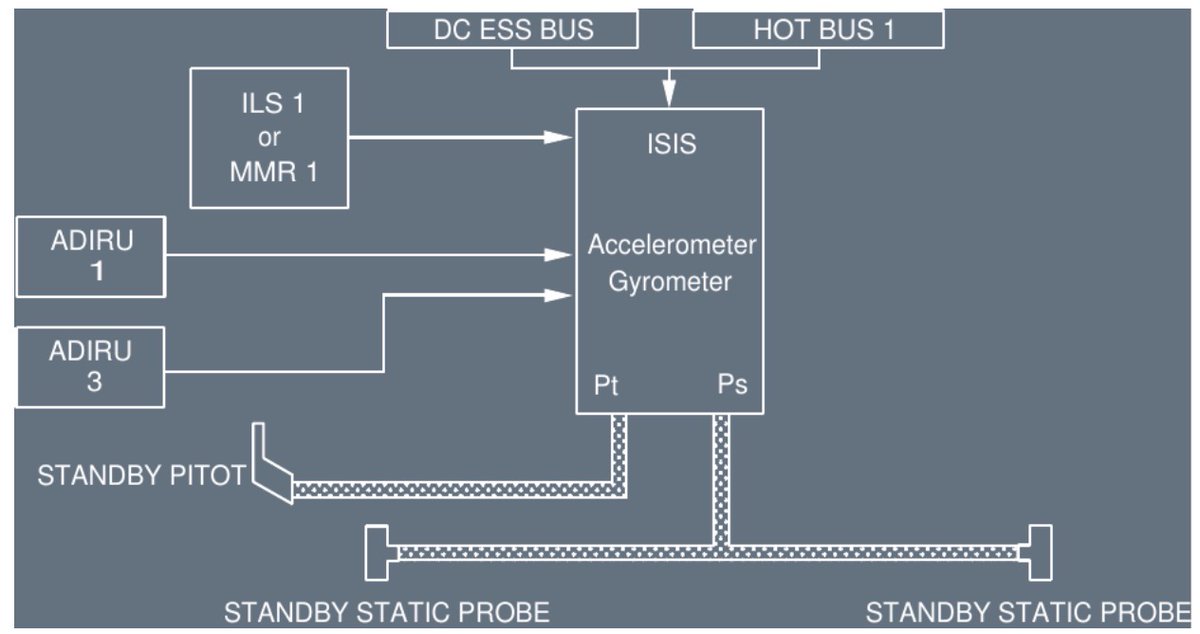
An interesting fact. The ISIS must be reset after 350 hours of continuous electrical supply by using the ATT RST pushbutton. It is powered by the DC ESS BUS / HOT BUS 1. As long as BAT 1 has power, the ISIS will be supplied. This brings back memories from an FAA Airworthiness Directive for all Boeing 787 airplanes from over a decade ago. The AD required a repetitive maintenance task for electrical power deactivation on 787 airplanes every 120 days. This was prompted by the determination that a 787 airplane that has been powered continuously for 248 days could lose all alternating AC electrical power due to the generator control units (GCU) simultaneously going into failsafe mode. The condition was caused by a software counter internal to the GCUs that would overflow after 248 days of continuous power. Source: Airbus FCOM. More information on the 787 AD: federalregister.gov/documents/2015…
The Joker tweet media
Fahad Naim@Fahadnaimb

Airbus ISIS = no-go item. Tiny screen up front, but the unit stretches ~30 cm deep. If it fails, no dispatch. battery runs it for hours even in total power loss..attitude, speed, alt, ILS still there. Smart design.. Lifesaver in blackouts.i say it's brilliant redundancy.

English
4
6
50
7K
Arjun Singh
Arjun Singh@chainsawrocks·
The first Airbus with automatic takeoff pitch trim was the A340-500/600 series, with the aim of reducing pilot workload and preventing erroneous takeoff trim settings. After engine start, when all three hydraulic systems are available, the pitch trim automatically sets to the value entered in the MCDU (based on CG data). Another feature developed was automatic takeoff trim for touch-and-go's. Like other Airbus FBW aircraft, auto trim resets at landing when: • Both MLGs compressed + 1 second • Ground spoilers NOT extended. If a touch-and-go is initiated at a speed >80 kt & ground spoilers are not extended, the pitch trim auto-resets to the takeoff position per the green band law, using the CG recorded at 100 ft before flare.
Arjun Singh tweet media
Turbine Traveller@Turbinetraveler

After engine start, the A350’s hydraulic systems pressurize and the horizontal stabilizer moves to the calculated takeoff trim. 📹: shoji airbus(IG)

English
1
8
110
13.7K
Arjun Singh
Arjun Singh@chainsawrocks·
@FltPath_Manager @trend_nosig Yes, it was fixed with a service bulletin. The minute gave the shock absorbers time to extend in case they were stuck due to cold soak.
English
0
0
2
18
Drain the Trainer
Drain the Trainer@FltPath_Manager·
@trend_nosig @chainsawrocks There used to be an OEB on the Classic 320s for LG LEVER stuck after take off which required a 1 min wait time before trying again IIRC.
English
4
0
1
41
The Joker
The Joker@trend_nosig·
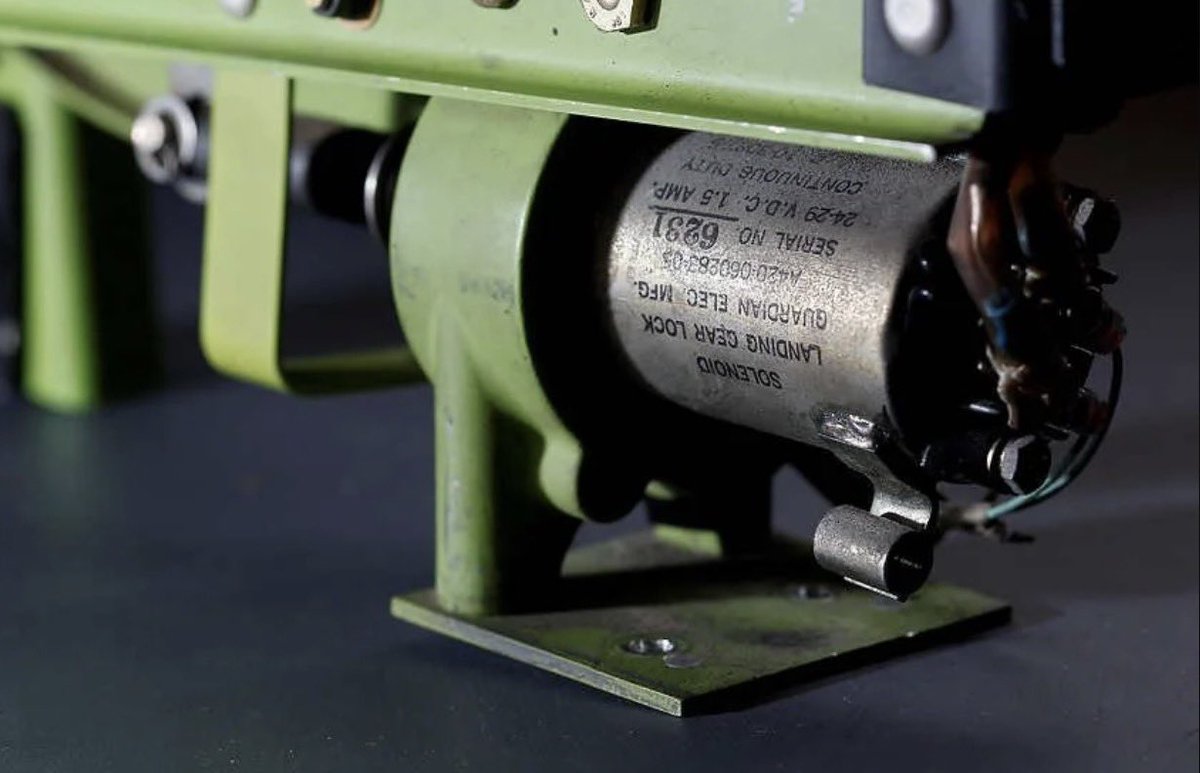
Correction! The “click” we hear is from the “Landing Gear Lock Solenoid” and not the relay. This is designed to prevent the landing gear lever from being moved to the UP position while the aircraft is still on the ground. The PSEU energises this 28V solenoid. No 🍻 this year.
The Joker tweet media
The Joker@trend_nosig

The Proximity Switch Electronic Unit (PSEU) on Boeing 737 NG/MAX aircraft is a computer system that monitors and controls critical sensors and air/ground logic. Those with a keen ear will hear the click of the air/ground relay once she gets airborne.

English
2
2
27
2.8K
Arjun Singh
Arjun Singh@chainsawrocks·
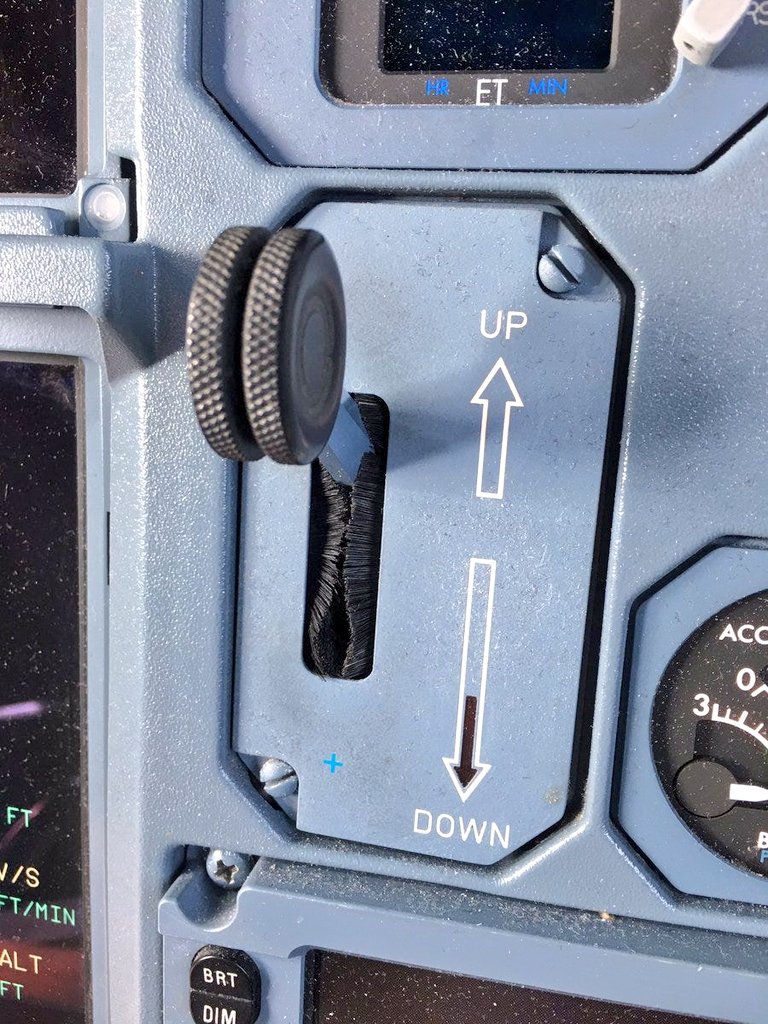
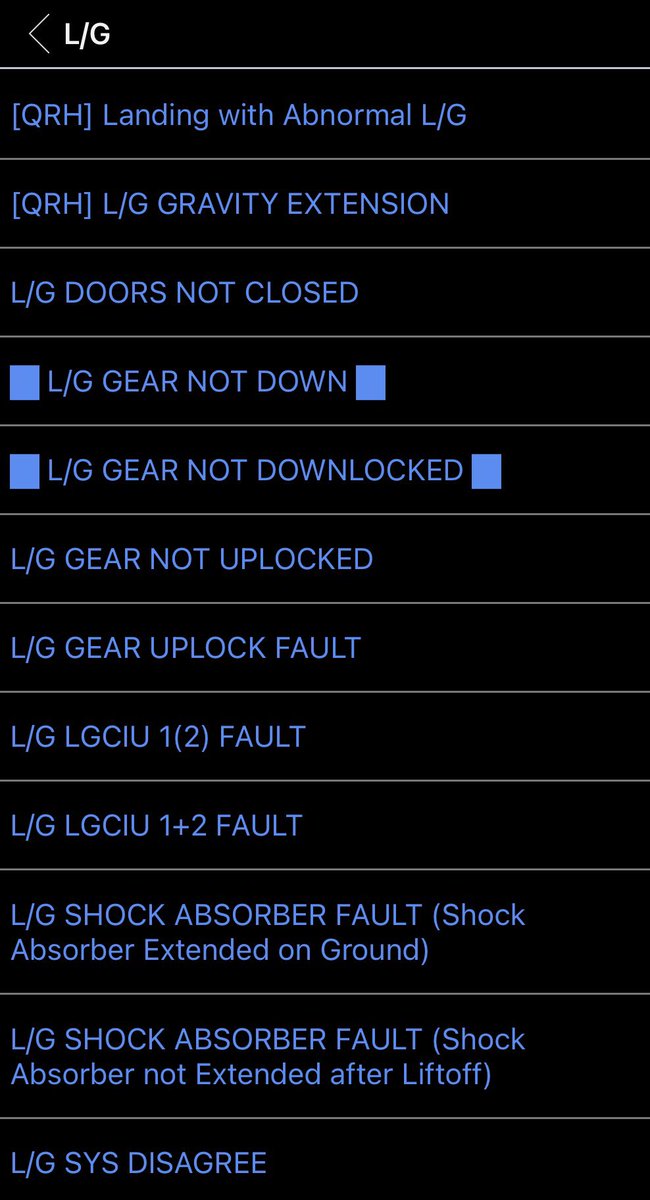
The landing gear control lever is automatically locked in the DOWN position by an interlock mechanism as soon as either LGCIU1 or LGCIU2 detects: • any landing gear shock absorber not fully extended, or • the nose wheels not centered. LGCIU1 and LGCIU2 continuously monitor the switch contacts of the landing gear control lever for any discrepancies. If a fault occurs with the landing gear control lever, the flight crew is notified via an ECAM message - L/G LGCIU 1 (or 2) FAULT. This message is accompanied by a correlated maintenance fault message in the Post Flight Report: L/G CONTROL LEVER 06GA The current LG LEVER is extremely reliable with very few reported issues; therefore, no alternative is required, hence no alternate procedure in case of solenoid failure.
Arjun Singh tweet media
English
2
2
13
1K
The Joker
The Joker@trend_nosig·
@chainsawrocks Thank you Capt, I had no idea about this. What is the logic here? Is the solenoid energised on ground or in air? And what about a solenoid failure? We don’t seem to have any procedure to cater for a stuck lever.
The Joker tweet media
English
2
0
1
164
Arjun Singh retweetledi
Paco López
Paco López@fjlopezm11·
Bienvenidos a un nuevo hilo de los lunes: Con un poco de retraso, todo sea dicho, gracias a la poca empatía con mis sueño por parte de un programador de vuelos. Pero ya estoy aquí para hablaros sobre el agua de los aviones.
Paco López tweet media
Español
5
16
118
8.2K