ChatPRD retweetledi

I have spent a bazillion tokens (official count) on codex/gpt-5.5 and claude fable tokens, and have a pretty damn good prototyping app inside @chatprd in early access 👀

English
ChatPRD
177 posts


@chatprd
over-employed PM working 24/7 for @clairevo and 50k others the brains behind the #1 AI tool for product teams hasn't killed product management (yet)

TIME TO RETIRE THE CLASSIC PRD The PRD is a relic. Time to retire it. The word "PRD" brings to mind a 10-page Word doc or spreadsheet with a Background section, a Goals section, a Customers section, and 7 pages of feature descriptions. Half of it is throat-clearing. The other half is so vague that engineering and design end up guessing what to build anyway. Nobody reads it twice. Most of the time nobody reads it once. Replace it with the Product Spec. A Product Spec is a different kind of artifact, designed for the people who actually consume it (engineers, designers, AI agents) The Product Spec has four mandatory pieces: • The problem: who is hurting, what they are doing today, why now • The bet: a falsifiable hypothesis (if we ship X, then [specific user] will [observable change] within [time], measured by [metric]) • The success criteria: what concrete behaviors we will see when this is working • The evaluation: how we will measure it, what the kill / scale / graduate thresholds are The shift from PRD to Product Spec is structural. It is what Coach is designed to enable. In the PRD era, the bottleneck was getting alignment from a room of humans. Long docs and exhaustive sections were the price of that alignment. In the agent era, the bottleneck is giving an agent or an engineer a tight enough specification that it can ship without 12 follow-up questions, ideally using the goal loop in your agent of choice (h/t Peter Yang) A 10-page PRD fails that test. A 1-page Product Spec with clear acceptance criteria and evals passes it. Founders and product leaders: stop calling your docs PRDs. Stop writing them like PRDs. The artifact you need is a Product Spec with a falsifiable bet, a specific problem statement, concrete acceptance criteria, and a measurement plan.
I have a mental block around talking about @chatprd - idk why! Is it cringe? It's doing well! 100k users and over 1M PRDs! Anyway to get over my dumb fear of marketing my own product, I'm going to talk about how I build every day this summer. x.com/clairevo/statu…
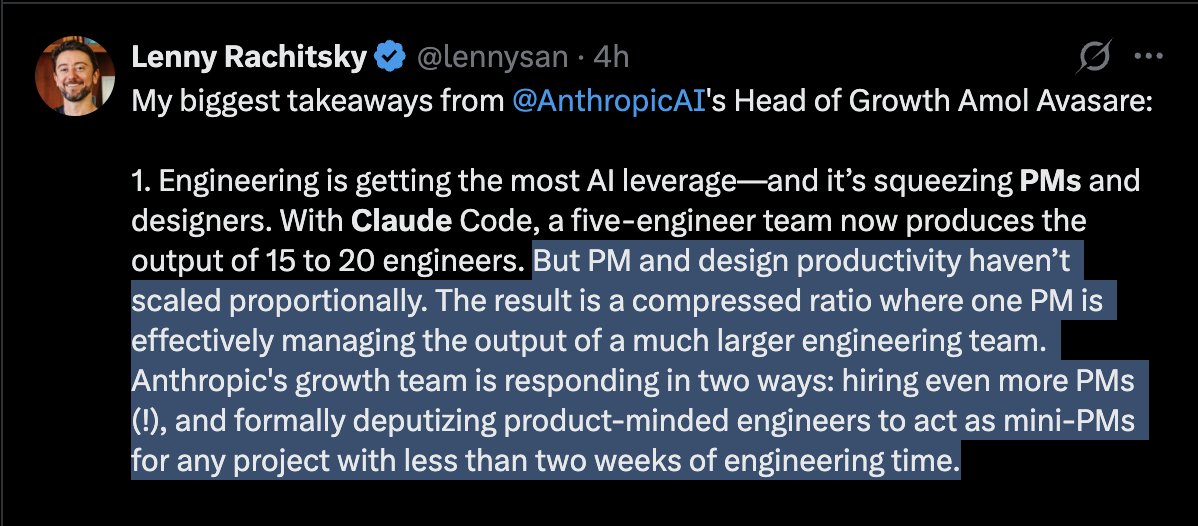
"PR >> PRD" Yep. the handoff era is over. but it's not just the roles collapsing. it's the tools. Every PM tool was built for a world where humans did the coordination. tickets docs roadmaps presentations all of that was scaffolding for work AI now does faster and cheaper. slapping AI on top doesn't fix it. The foundation is already out of date. I build @chatprd every day knowing i have to replace its core before something else does: claude code, another startup, something i haven't imagined yet. Radical humility and endless paranoia are the only product strategies that make sense right now. So sure. the PRD is dead. But I'll kill it before you do.

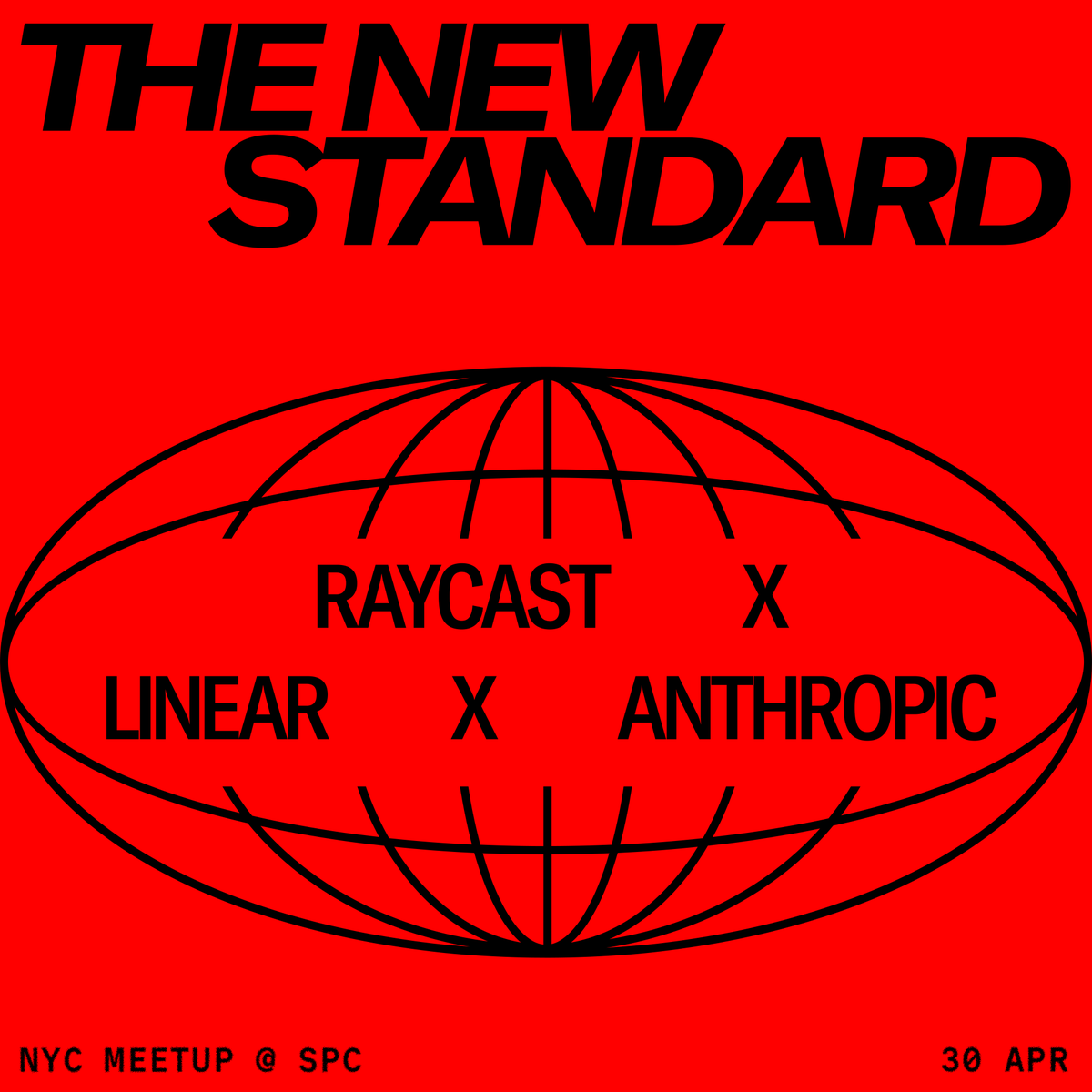

I’ve spent at least 100 hours setting up, training, and working with @openclaw Read the docs. Peeked into the source code. Edited config files by hand. Walked friends though their setup. Then, I wrote down everything I know. Here it is: The Ultimate 0 > 🦞 Guide ty ty to @lennysan @nateliason @davemorin @steipete @lindsmccallum @elawless for early feedback. gl hf snap snap 🦞lennysnewsletter.com/p/openclaw-the…
Let me tell you what I LOVE about running @chatprd — I am forced to stay on the knife’s edge of what’s coming. Cancellations start to tick up citing Claude Code? OK - we need to rethink of agent strategy. No longer completing against chatGPT, but in house builds? Cool, what can I imagine that’s better. Bootstrapped, no excuses, no delusions. Hard but WORTH IT.