

陈叶修
936 posts


亲爱的弟兄姐妹:
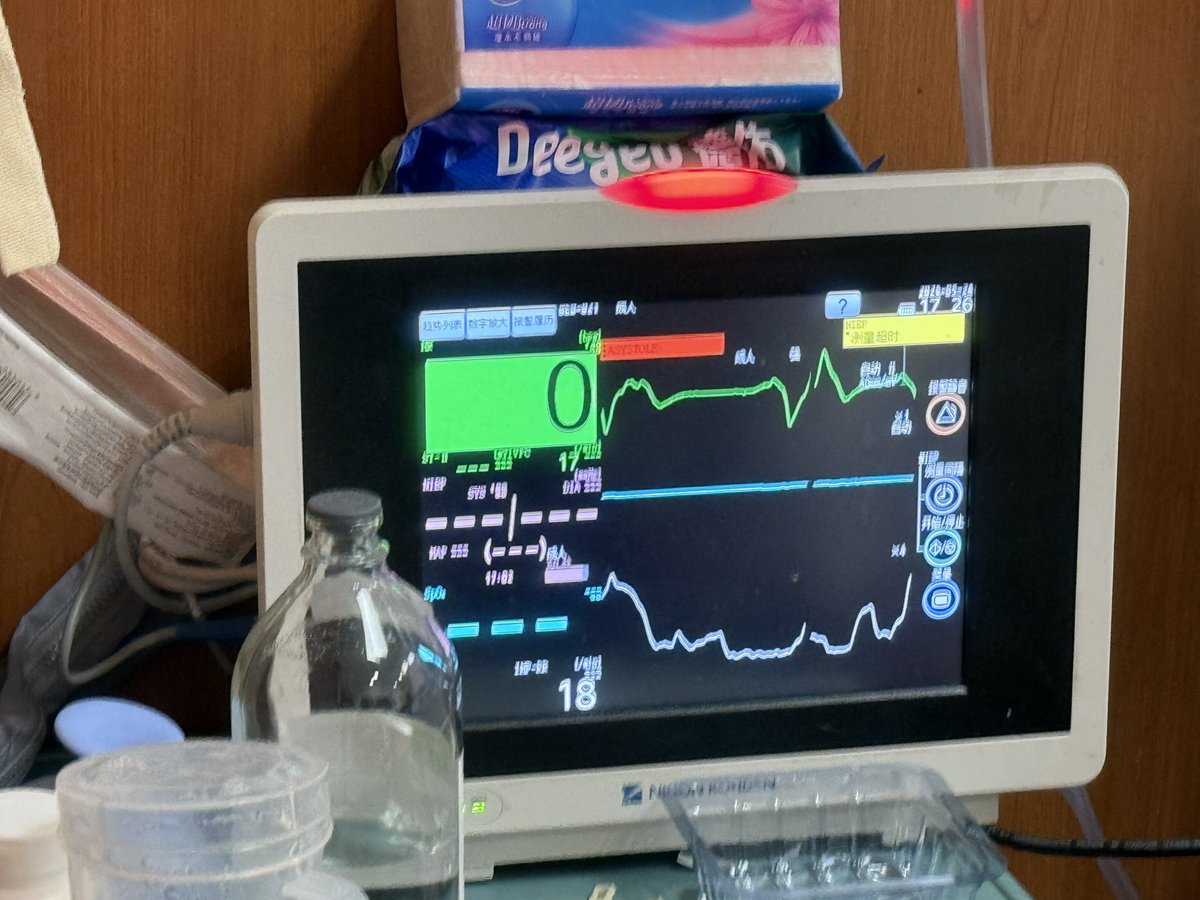
我们的妈妈——廉永寅姐妹,享年88岁,已于主后2026年5月24日17:52被主接走,息了地上的劳苦,回到天家,与主面对面同在。
在她离世前,我们全家人一直陪伴在她身旁,为她祷告、唱诗。她走得极其平静、安详。我们深信,她如今已进入那“不再有眼泪、不再有痛苦”的美好地方。
感谢主藉着教会众弟兄姐妹一直以来的代祷和关爱,你们的爱心如同温暖的膀臂,深深安慰了我们全家。
恳请弟兄姐妹继续为我们家人守望祷告,求主赐我们力量,平稳办理后事,也借此机会向未信主的亲友见证永生的盼望。
以马内利!
中文



Remember the shift is in...Enjoy!
Bruce Stewart@BruceXPR
🚨 THE MOST BULLISH MOMENT IN CRYPTO HISTORY IS HAPPENING NOW 🚨 This isn’t hype. It’s a full-scale shift. ⚡ Metallicus Ecosystem (Metal, XPR, Metal Dollar, Metal Pay + more) 🐱 Proton Pussy 🤖 AI Robot Kitty Companion 🚀 Technology Revolution 🌍 Global Adoption 💸 Financial Freedom 💎 Generational Wealth We are still early. The future is decentralized… and it’s unfolding RIGHT NOW. — Bruce Stewart AIRobotKitty.com #Crypto #BullRun #Web3 #AI #Blockchain #DeFi #XPR #Metallicus
English
@CsTominaga 必须东莞
东莞地处大湾区,工业超级发达、产业链齐全,做工厂、搞技术、跑业务、创业都合适,上下游配套随便找,接单找资源特别方便。
生活也很舒服,交通便利、吃喝玩乐齐全,物价房租比广深低很多,节奏不内卷,既能挣钱打拼,又能安稳过日子,打工、创业、定居都很合适
中文
各位好,
我想听听大家的建议。
未来几年我在考虑找一个中国城市长期待一段时间,可能会先在各地走一走,但最终还是想选一个比较适合长期生活和工作的地方。北京、上海这些我已经去过,也比较了解,所以这次更想听一些“非一线”的选择。
我目前主要在泰国、印尼、新加坡这边活动,之后如果去中国,会更偏向一个既适合安静研究写作、又不至于太封闭的城市。
想请教大家:
除了北京、上海、广州、深圳这些常见选项之外,有没有你们比较推荐的城市?比如在生活质量、学术氛围、环境、节奏这些方面综合来看,比较适合长期待的地方?
也欢迎直接说得现实一点,比如哪些城市被高估了,哪些反而被低估了。
谢谢。
中文
你需要增加性生活频率。这是医学建议。
每月性生活少于一次会使你的死亡风险增加2.3倍。
研究中的最佳频率是每周2到3次。
每日性生活也与全因死亡率增加3倍相关。
Carnivore Aurelius ©🥩 ☀️🦙@AlpacaAurelius
You need to be having more sex. This is medical advice. Having sex less than once a month increases your risk of death by 2.3 TIMES. The sweet spot in the study was 2 to 3 times a week. Daily sex also was associated with a 3 times increase in all cause mortality.
中文



The premise collapses at its foundation because it refuses to name the central fact: value is not granted to man by existence, but created by him through effort, judgment, and production.
To speak of “slave consciousness” in the context of work is to invert reality. The individual who works is not a slave; he is the author of his own survival. The one who demands meaning without effort is not liberated—he is dependent. Remove the necessity of production, and you do not elevate man; you sever him from the process by which he defines himself.
The suggestion that purpose exists independent of work ignores the structure of human life. Purpose is not a floating abstraction. It is the integration of thought and action toward chosen ends. Without action—without the transformation of the world through effort—purpose becomes a hollow assertion, not a lived reality.
Now consider the proposal of universal income as a solution. It is not new. It is merely the redistribution of value produced by some to those who do not produce it. This is presented as compassion, but it rests on a contradiction: it assumes production will continue unchanged while divorcing reward from effort. That assumption has no grounding in human behavior or economic reality.
Hierarchy is not imposed arbitrarily; it emerges from differences in ability, discipline, intelligence, and ambition. In any system—whether explicit or disguised—those who create more value will possess more. This is not injustice; it is the visible consequence of unequal contribution.
One could, in theory, flatten outcomes. One could distribute income universally today. The mechanism already exists. But the result would not be a society of fulfilled individuals pursuing higher meaning. It would be a society in which total wealth contracts, incentives decay, and standards of living decline.
And here lies the unspoken truth: people do not reject such systems because they cannot be implemented. They reject them because they understand—implicitly, if not explicitly—that equalizing outcomes means accepting less. Not less for some, but less for all relative to what could be achieved through differentiated reward.
The same individuals who denounce hierarchy refuse to live at the lowest common denominator. They do not choose uniform poverty; they demand uniform provision while preserving personal aspiration. That is not a philosophy. It is a contradiction sustained by the expectation that someone else will continue to produce at a higher level.
A society cannot be built on that premise. It can only consume itself.
Travelling Sign@Travelling_Sign
Many in the comments are stuck in slave consciousness. They believe all must work in order to have meaning. This mindset must change. There're people whose purpose isn't found in work. Stop looking down on humans' ability to create & evolve when working for survival is not needed
English
陈叶修 retweetledi

婚纱摄影的天塌了,这几套 ¥19899,可以省下来了
豆包太万能了,这做的不比专业摄影师差吧,还不用化妆、选衣服、摆姿势、选片、修片,经历万难,无痛作图
提示词拿去不谢:
1. 情绪草坪:以上传照片中的人物为原型,女生人脸参考图1,男生人脸参考图2,去除所有背景服饰和发型生成四张:情绪胶片感森系草坪婚纱照,东亚年轻情侣,新郎穿黑色西装白衬衫黑领结,新娘穿白色抹胸婚纱,大蕾丝花边长款头纱,手持白色马蹄莲手捧花。户外草坪场景,背景茂密深绿色松柏乔木,多云阴天漫射自然光,复古富士胶片质感,细腻颗粒感,低饱和莫兰迪色调,电影感构图,中景平视视角,新郎公主抱新娘,互动甜蜜,真实皮肤质感,发丝清晰,婚纱蕾丝细节精致,头纱动态飘逸,纪实感抓拍,浪漫氛围感,8K高清,超写实
图片1:中景,东亚年轻情侣婚纱照,新郎穿黑色西装,公主抱新娘,新娘捂嘴大笑,两人对视,甜蜜互动。新娘穿白色抹胸婚纱,大蕾丝头纱,珍珠耳饰,手持白色马蹄莲手捧花。户外草坪,背景茂密松柏,阴天漫射光,复古胶片感,细腻颗粒,低饱和色调,电影感,真实皮肤质感,8K超写实
图片动作2:中全景,东亚年轻情侣婚纱照,新郎公主抱新娘,大蕾丝头纱完全包裹两人,深情拥吻,空中飘散白色花瓣。新娘穿白色抹胸婚纱,手持白色马蹄莲手捧花。户外草坪,背景深绿色树木,傍晚侧逆光,复古柯达胶片质感,暗调氛围感,电影感构图,8K高清,超写实
图片动作3:全景,东亚年轻情侣婚纱照,新郎单手托举新娘,两人同戴黑色猫眼墨镜,新娘张开手臂大笑,头纱飞扬。新娘穿白色蕾丝鱼尾婚纱,蕾丝长袖,超大荷叶边头纱。户外草坪,背景茂密乔木,傍晚侧逆光,明亮清新暖调,电影感光影,真实皮肤质感,婚纱细节精致,8K超写实
2. 梦幻蓝调夜景:帮我根据图一女生五官,图二男生五官生成4张:电影感蓝调夜景婚纱照,东亚年轻情侣,新郎穿黑色西装白衬衫,新娘穿白色抹胸轻婚纱,手持白色铃兰手捧花,流苏耳饰。
构图:中景,东亚年轻情侣电影感蓝调夜景婚纱照,新郎环抱新娘腰肢,新娘手搭新郎脖颈,两人在超大超大把人全覆盖的白纱头纱下深情拥吻,两人的上半身都被覆盖住了,漫天白色羽毛飞舞。户外湖畔,蓝调天空,远处山脉湖面,深绿色草地。逆光补光,电影感光影,散景光斑,超写实,8K高清,情绪感,真实皮肤质感,头纱细节精致,动态虚化,纪实风户外湖畔草坪,蓝调时刻深邃天空,远处层叠山脉,平静湖面,深绿色草地,漫天飞舞的白色羽毛。逆光补光,电影感光影,散景光斑,超写实人像,细腻皮肤质感,情绪感,浪漫梦幻,高级氛围感,真实发丝,婚纱细节精致,胶片颗粒感,动态虚化,纪实风,浪漫氛围细节补充:电影感逆光,蓝调时刻,散景光斑,轮廓光,柔和暖补光,无硬阴影,超细节,超写实,皮肤质感,发丝,头纱3D立体花朵刺绣,羽毛动态,胶片颗粒,动态模糊。无畸变,面部不模糊,自然面部,正确身材比例,真实面料质感,飘逸头纱。
3. 韩系室内:帮我根据图一女生五官,图二男生五官去掉所有配饰,生成6张:
高定室内白纱婚纱照,东亚年轻情侣,新郎穿黑色缎面西装白衬衫黑领结,新娘半扎半散着黑长直发,额间有小碎发修饰脸,穿白色缎面抹胸轻婚纱(婚纱绣满立体白色花朵),脑后戴超大飘逸并且自然下垂的白纱头纱(发间白色蝴蝶结放于后脑勺为止,从前面看正脸可以看到蝴蝶结角),满钻项链流苏耳饰钻戒,手持白色玫瑰洋桔梗手捧花。纯黑色极简棚拍背景,柔和棚拍主光+轮廓补光,电影感棚拍光影,超写实人像,情绪感,温柔治愈,高级氛围感,真实发丝,婚纱细节精致,商业摄影质感,极简风,仪式感,浪漫氛围,衣服配饰不变的情况下变化的动作:
分镜1 中景,东亚年轻情侣高定室内白纱婚纱照,新郎穿黑色缎面西装白衬衫黑领结,新娘手托新郎脸颊,两人依偎对视镜头,笑容甜蜜但都是微笑不能露齿,新娘手持白色玫瑰手捧花。纯黑色极简棚拍背景,柔和棚拍光影,超写实,温柔治愈,高级氛围感,婚纱细节精致,商业摄影质感,极简风
分镜2 特写,东亚年轻情侣高定室内白纱特写婚纱照,两人额头相抵,新娘手持白色玫瑰手捧花,两人都一起温柔看向镜头,眼神灵动。纯黑色极简棚拍背景,柔和棚拍光影,超写实,情绪感,真实皮肤质感,婚纱细节精致,商业摄影质感,极简风,仪式感
细节补充:柔光换硬光,闪光灯直闪,无ai痕迹
4. 优雅新中式:以上传照片中的人物为原型,女生人脸参考图1,男生人脸参考图2,去除所有背景服饰和发型生成6张:
新中式红底婚纱照,东亚年轻情侣,新郎穿新中式黑色立领马褂白衬衫,新娘穿红色挂脖露背暗纹提花礼服,高颅顶复古盘发点缀红玫瑰蝴蝶兰发饰,佩戴红玛瑙耳钉。纯红色极简背景墙,棚拍侧光柔光,电影感光影,超写实人像,细腻皮肤质感,8K高清,情绪感,高级氛围感,真实发丝,礼服暗纹细节精致,中式美学,互动亲密,闭眼依偎,浪漫氛围。
分镜1 中近景,东亚年轻情侣新中式婚纱照,新郎穿黑色立领马褂白衬衫,新娘穿红色挂脖露背礼服,低盘发点缀红玫瑰发饰,红玛瑙耳钉。两人侧身相对,额头轻贴,闭眼依偎,鼻尖靠近,氛围浪漫。纯红色背景,棚拍柔光,电影感光影,超写实,8K高清,高级氛围感,礼服细节精致。
分镜2 中景,东亚年轻情侣新中式婚纱照,新郎穿黑色立领马褂白衬衫,俯身轻吻新娘额头;新娘穿红色挂脖露背礼服,低盘发点缀红玫瑰发饰,红玛瑙耳钉,双手轻托脸颊,闭眼浅笑。木质桌面,青釉高足果盘盛放新鲜荔枝,纯红色背景,棚拍侧光,电影感光影,超写实,8K高清,中式氛围感,真实皮肤质感。
可以多来几组合理的互动亲密照,女生可以看镜头。
中文





陈叶修 retweetledi

@ChinaWhaleETH 吃进去还能吐出来?那不明摆着说自己坚守自盗了?那就不是你一个人的钱的问题了,是所有被盗的人都会出来曝光。所以okx打死都不会认的了,我被盗8千多u资产我们这边圈子都不再用okx了。自己吃了哑巴亏但是得让大家知道。okx钱包真不能用
中文