
Sabitlenmiş Tweet
Morrison
36K posts


Morrison
@chi5om
Seo Writer backup account @weblogfunnels CfC 💙
Lagos, Nigeria Katılım Kasım 2010
6.9K Takip Edilen7.1K Takipçiler
Morrison retweetledi




This generator was never sold for even 50k. Calm down with the lies
Kelvin O johnson@_OKJ__
I might be mistaken .. but there was a time when this generator was sold for 10k
English
Morrison retweetledi

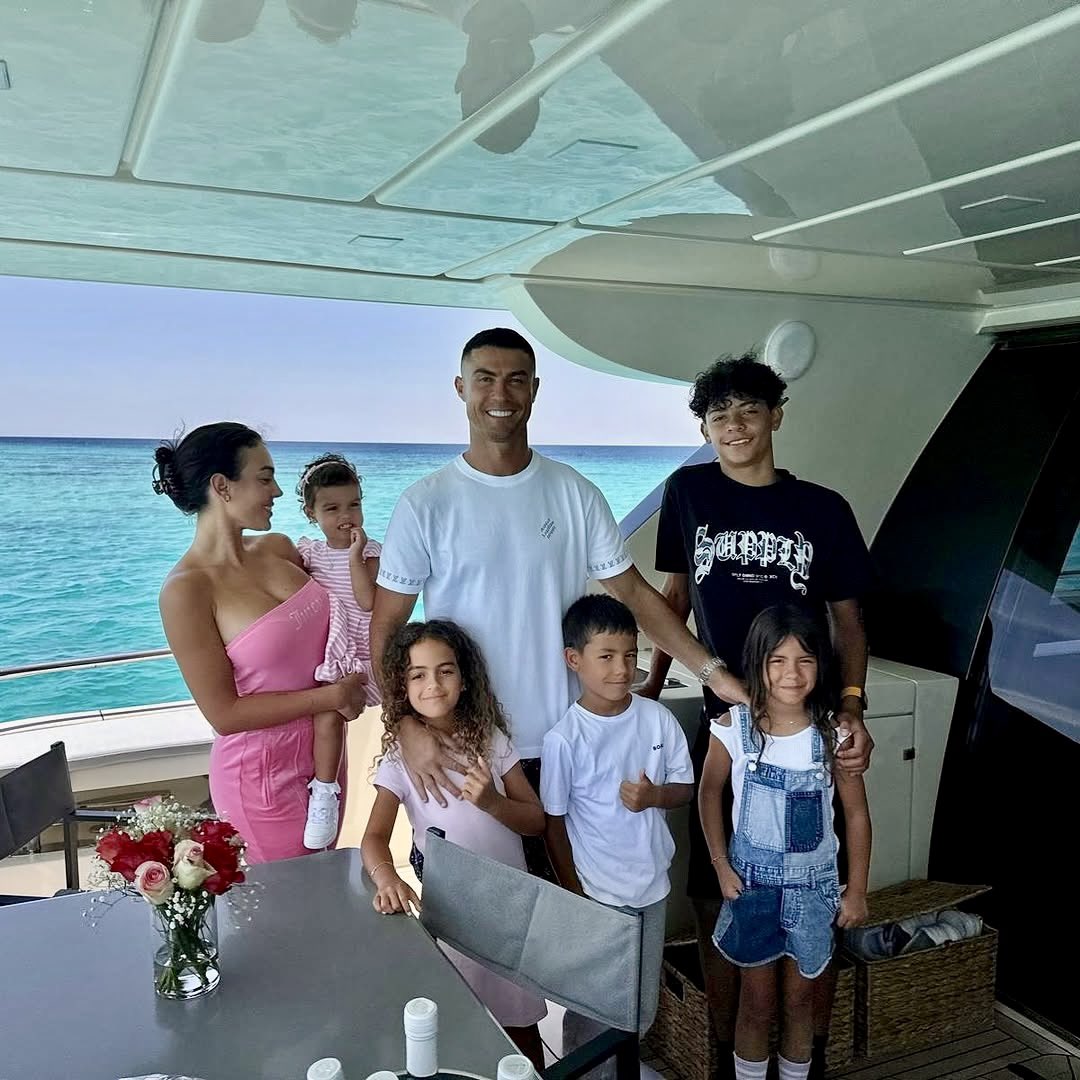
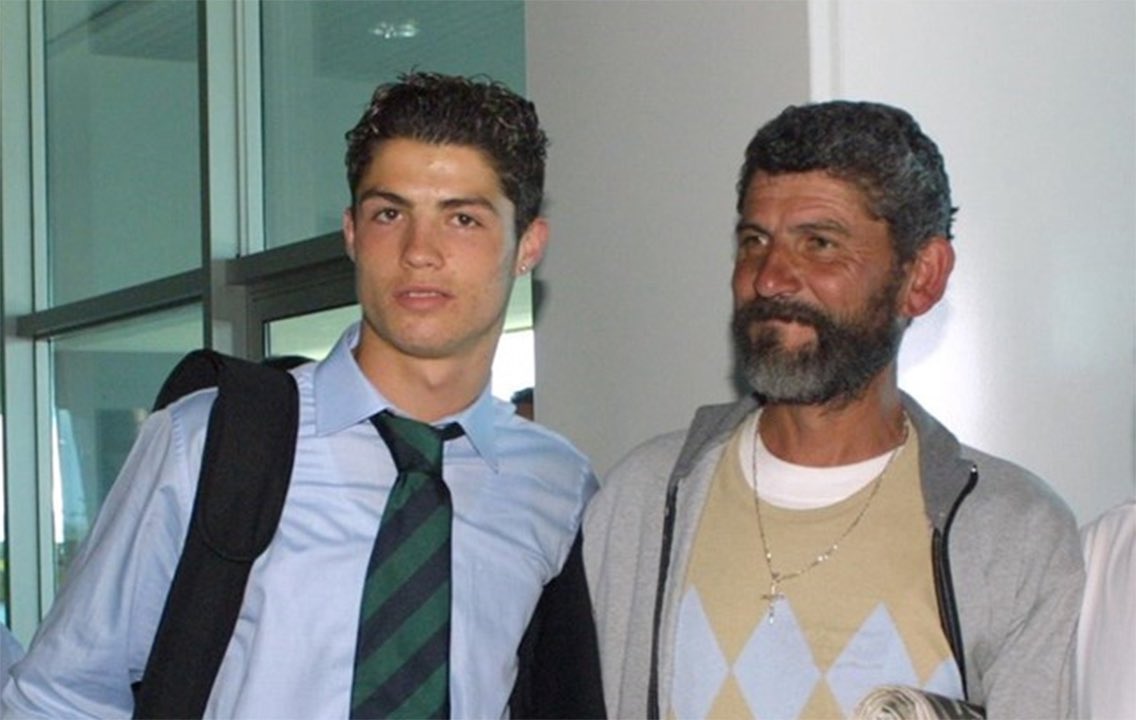
De onde venho e para quem vivo. Feliz Dia do Pai ❤️
Português

@Gutsy_P @princeolisa @Crayjnr @bigbrutha_ We rapped your ass you fucking monkey shut your asshole you loser
English

The moment the referee restarted the game, it was back on
Ab.@Abiodun0x
The moment they walked away, they forfeited the game.
English
Morrison retweetledi

omo e no get Watin you wan tell me... Bro God dey change people life.. and e go change mine too..)
English
Morrison retweetledi

Morrison retweetledi

Morrison retweetledi

Morrison retweetledi

Five minutes to when your life go change , you still no go know .
God , the all supreme , I’m humble.
English


@abdullahayofel No mind them 😑 awon influencer isonu.
Why she know carry her car, brt influencer. 😊
English

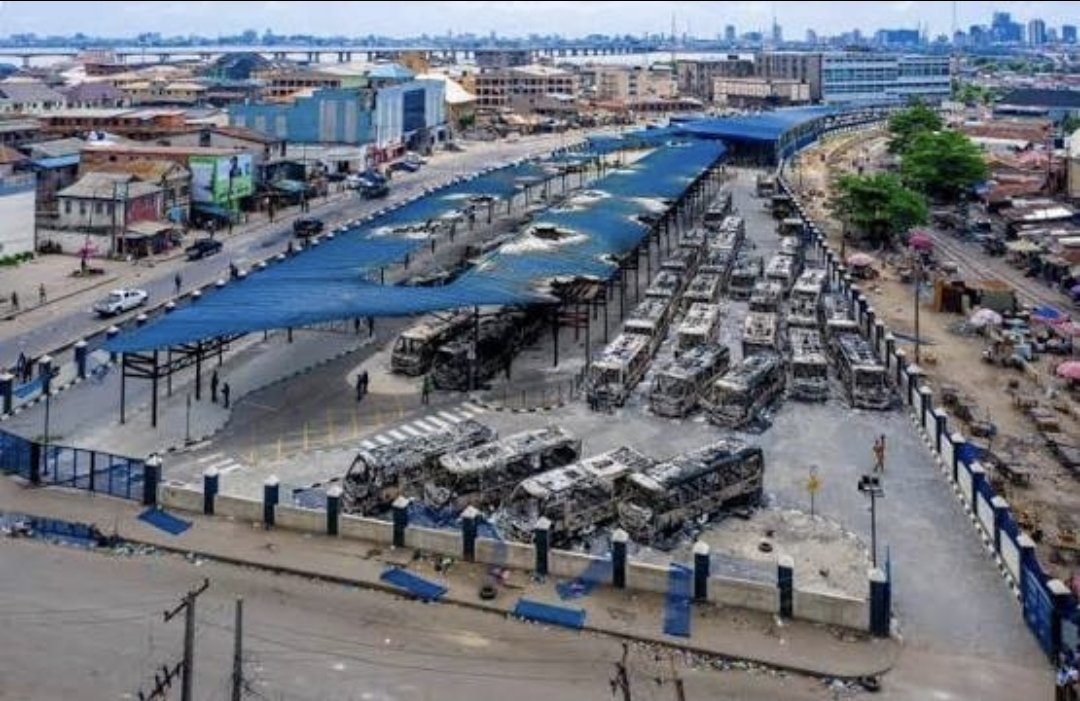
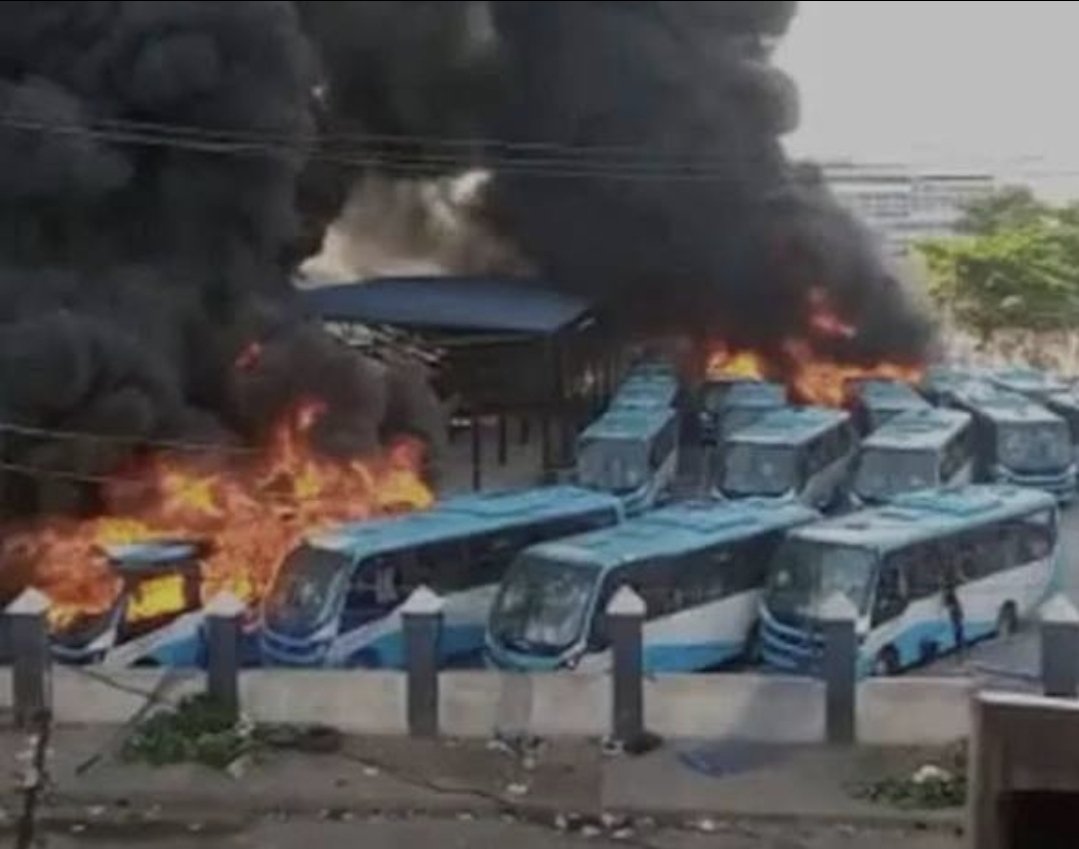
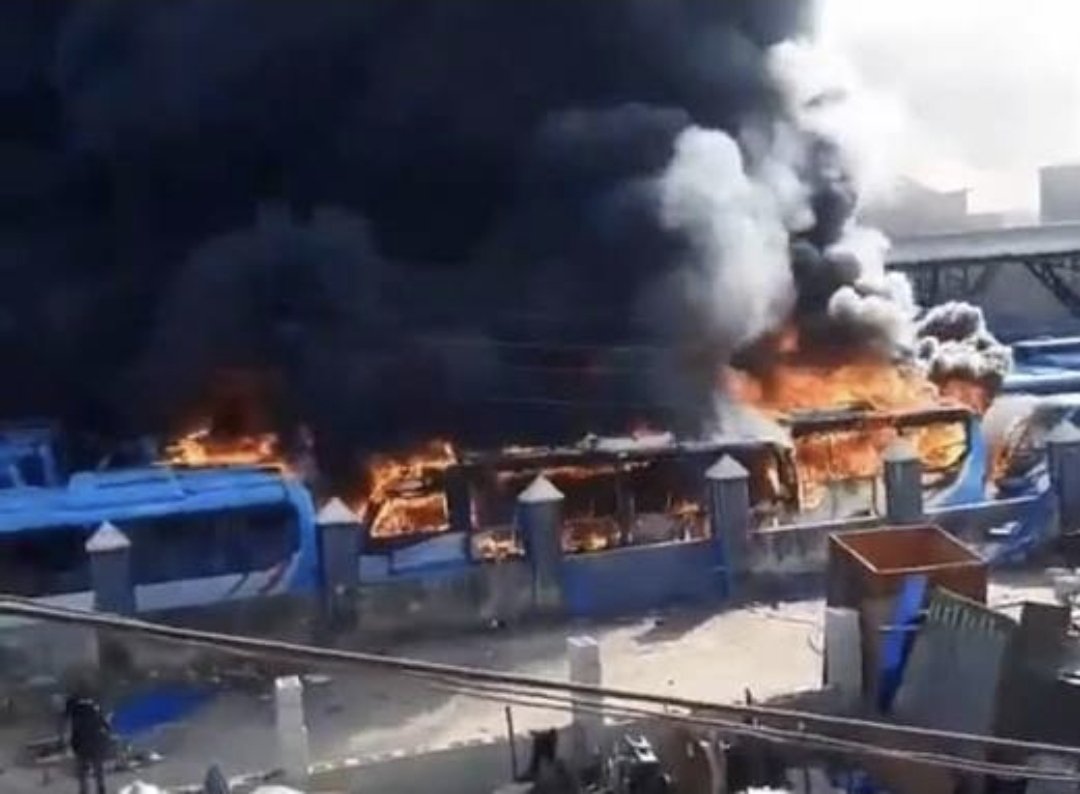
Hundreds of BRT buses were burnt during EndSARS and many influencers kept quiet.
Today they complain about bus shortage yet the same people would burn them again if another protest happens in Lagos.
No be by force to enter BRT, other commercial buses dy road na...

Oyindamola🙄@dammiedammie35
Update guys💔! This morning she’s got phys!c@lly h@r@ss£d by her fellow woman for making a video to inform the Lagos state Govt that Lagosians don’t have enough BRT buses and a lot of people are suff£r!ng from it. imagine being h@r@ss£d because you’re trying to make life better for people💔
English
@carterefe__ @Cleverlydey4u Dey whyne yourself … you look us finish Dey talk rubbish for mouth
English


Carter Efe has revealed that his painter has been robbing him in broad daylight, charging him ₦265K for just one paint rubber when the actual market price is around ₦65K 😳😱
English
Morrison retweetledi


Morrison retweetledi

Hostility Is Not Journalism. Mehdi Hassan Take Note.
There is a clear difference between tough journalism and outright hostility. One serves the public interest. The other serves the ego of the interviewer. Unfortunately, the recent exchange between @mehdirhasan and presidential spokesperson @BwalaDaniel fell squarely into the latter category.
What viewers witnessed was not a serious interview. It was an attempted public ambush.
From the outset, the tone was aggressively confrontational. Questions were framed less as inquiries into governance and more as prosecutorial traps. Responses were repeatedly interrupted before they could develop. Clarifications were brushed aside. The atmosphere was unmistakable: this was not a conversation designed to inform viewers but a spectacle designed to embarrass the guest.
Serious journalism does not operate this way.
The craft of interviewing demands discipline. It requires the ability to ask difficult questions while still allowing the guest to articulate answers. It requires intellectual confidence strong enough to permit disagreement without descending into open hostility. Above all, it requires a commitment to substance over theatrics.
That commitment was glaringly absent.
Nigeria is currently grappling with a range of serious national challenges economic restructuring, security threats, governance reforms, and the complex work of stabilizing a large and dynamic democracy. A responsible interviewer would have used the opportunity to interrogate the administration’s policies on these matters: What strategies are being deployed? What reforms are underway? What outcomes should citizens expect?
Instead, viewers were treated to an exercise in selective outrage and repetitive interruption.
Even more troubling was the insinuation that political realignment is somehow illegitimate. Democratic politics is built on shifting alliances. Individuals and movements evolve. Former opponents become partners when national circumstances demand cooperation. This is neither shocking nor dishonorable; it is one of the defining characteristics of democratic political life.
History provides countless examples. Leaders across the world have entered alliances with former adversaries when the demands of governance required it. To pretend otherwise is either intellectual dishonesty or a deliberate attempt to create sensationalism where none exists.
But the deeper problem in the interview was tone.
A journalist who openly ridicules or repeatedly attempts to humiliate a guest crosses an important professional boundary. The role of the interviewer is to hold power accountable not to behave like a courtroom prosecutor seeking a viral “gotcha” moment. When the pursuit of humiliation replaces the pursuit of insight, journalism loses its credibility.
Audiences deserve better than that.
They deserve interviews that illuminate policy, probe governance, and help citizens understand how leaders intend to confront the pressing challenges of the day. What they do not need is a theatrical performance in which hostility is mistaken for intellectual rigor.
Respectful engagement does not weaken journalism; it strengthens it. Firm questioning does not require contempt. Professionalism does not require aggression.
If global media wishes to retain its claim to moral authority as a watchdog of democracy, it must remember a basic principle: the goal of journalism is to inform the public, not to stage spectacles at the expense of civility and substance.
The interview in question did neither. It was not a demonstration of fearless journalism. It was a demonstration of how easily the craft can slide into something far less admirable when provocation becomes the objective and professionalism is abandoned.
Otunba Segun Showunmi
The Alternative

English