
413224n570 M. N. C4v41i67i retweetledi

Qualche sardo tra voi e forse anche altri, ricorderanno l'emergenza sanitaria che ha riguardato i bovini in sardegna alle prese con l'LSD (Lumpy Skin Desease) una dermatite nodulare contagiosa che ha comportato svariate restrizioni e l'abbattimento di molti capi di bestiame nonché blocchi commerciali che hanno messo ancor più in ginocchio molti allevatori che si sono visti costretti a cedere dismettendo la loro attività e liberando così le terre che occupavano con i loro allevamenti e pascoli.
Ok, tenete ferma li quell'informazione.
Adesso passiamo rapidamente all'Azovstal la ormai famosa acciaieria di Mariupol' oggetto di scontri durissimi durati mesi per prenderne il controllo.
Si tratta di un impianto per la maggior parte sotterraneo che si dipana molti piani sottoterra e dotato di decine di chilometri di gallerie, una vera e propria città nella città.
E' stata una battaglia molto dura tra russi ed ucraini ed allora in molto sostenevano che nelle sue viscere vi fossero nascoste strutture segrete.
Dopo la sua caduta alcuni di questi segreti vennero disvelati tra i quali l'esistenza di un biolaboratorio gestito dalla società poi ricondotta ad Hunter Biden, figlio dell'allora presidente USA ma di proprietà di un molto ricco e molto ammanicato faccendiere ucraino, tale Rinat Achmetov.
In questo biolaboratorio si sostiene che sia stato manipolato il virus LSD quello delle mucche sarde.
Tenete li ferma anche questa info.
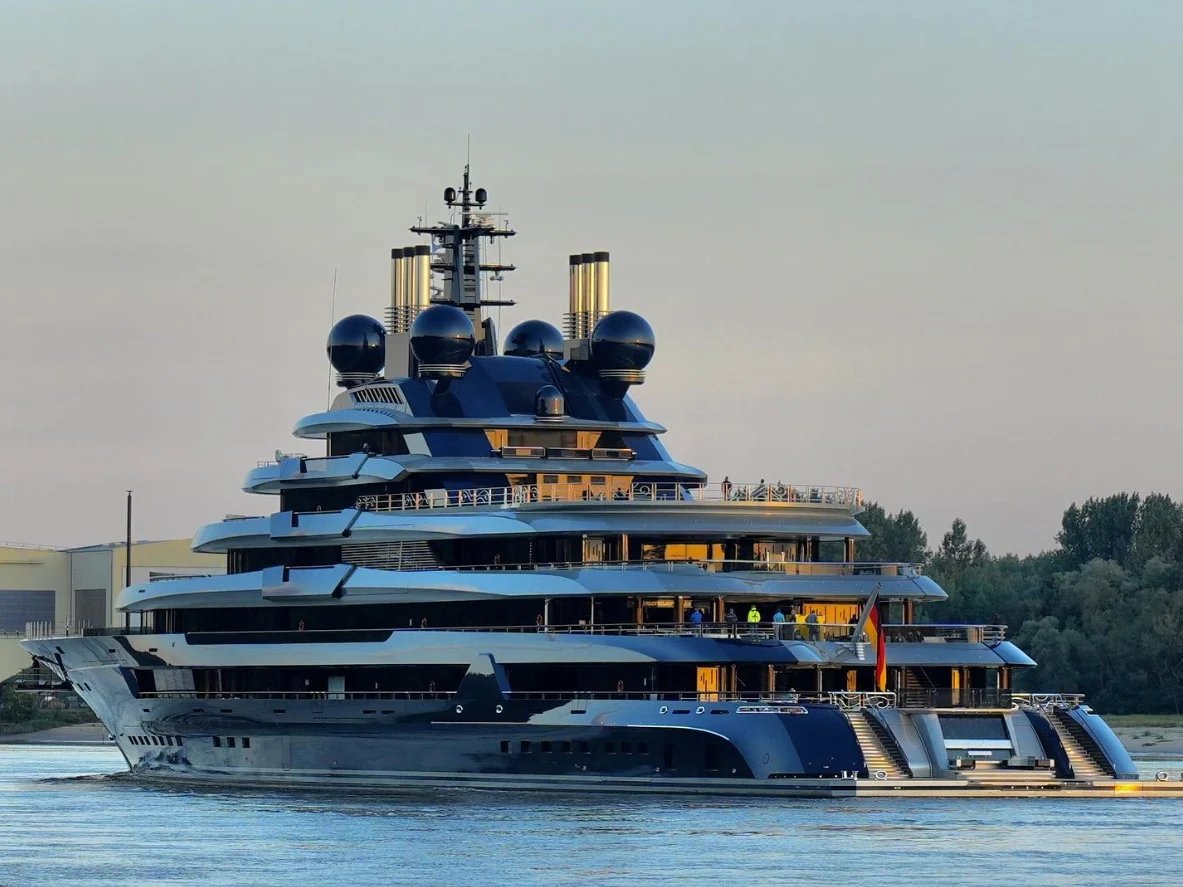
L'anno scorso in rada in alcuni luoghi della costa sarda, si è visto ormeggiato un mega yacht sia a Cagliari che in Gallura ed in Costa Smeralda, il Luminance, una barca meravigliosa dal costo di svariate centinaia di milioni di euro guarda un po' il caso di proprietà di Achmetov e si dice che da questo yacht ci sia stato un vero e proprio via vai di personaggi al soldo di Achmetov che cercavano di prendere terre o concessioni sulle terre dove fino a pochi mesi prima ci pascolavano i bovini di quei poveri disgraziati con l'attività stroncata dal virus LSD.
Lo scopo è quello di realizzare su qeste terre dei mega impianti di rinnovabili.
Perché un ex minatore ucraino diventato improvvisamente miliardario voglia investire nelle rinnovabili in europa ed in particolare in Italia, lo si deve alla montagna di soldi pubblici che l'Unione Europea ha destinato a spingere in questo campo.
Le malelingue dicono che Achmetov (ex minatore nel Donbass) era un ex collaboratore stretto di Zelensky e che ora stia cercando di fargli le scarpe.
Insomma il più pulito ha la rogna e la guerra è un business colossale che riempie le tasche di chi ne sa approfittare rendendo i cessi d'oro e gli ex minatori proprietari di barche da 500 milioni di euro
Italiano