Cinemattachine

17.7K posts

Cinemattachine banner
Cinemattachine

Cinemattachine

@cinemattachine

Queer electronic music. (he/him)

Philadelphia, PA Katılım Mart 2021
378 Takip Edilen289 Takipçiler
Cinemattachine retweetledi
Ian Phillips: Music, TV & Film Classics
The Shamen - Ebeneezer Goode Remixed by The Beatmasters, the song was written by Richard West and Colin Angus. Caused a wave of controversy with what was considered a bleak endorsement of recreational drug use "E's are good, E's are good". Despite a Radio 1 ban, still hit #1!
English
31
96
482
21.7K
Cinemattachine retweetledi
weird medieval guys
weird medieval guys@WeirdMedieval·
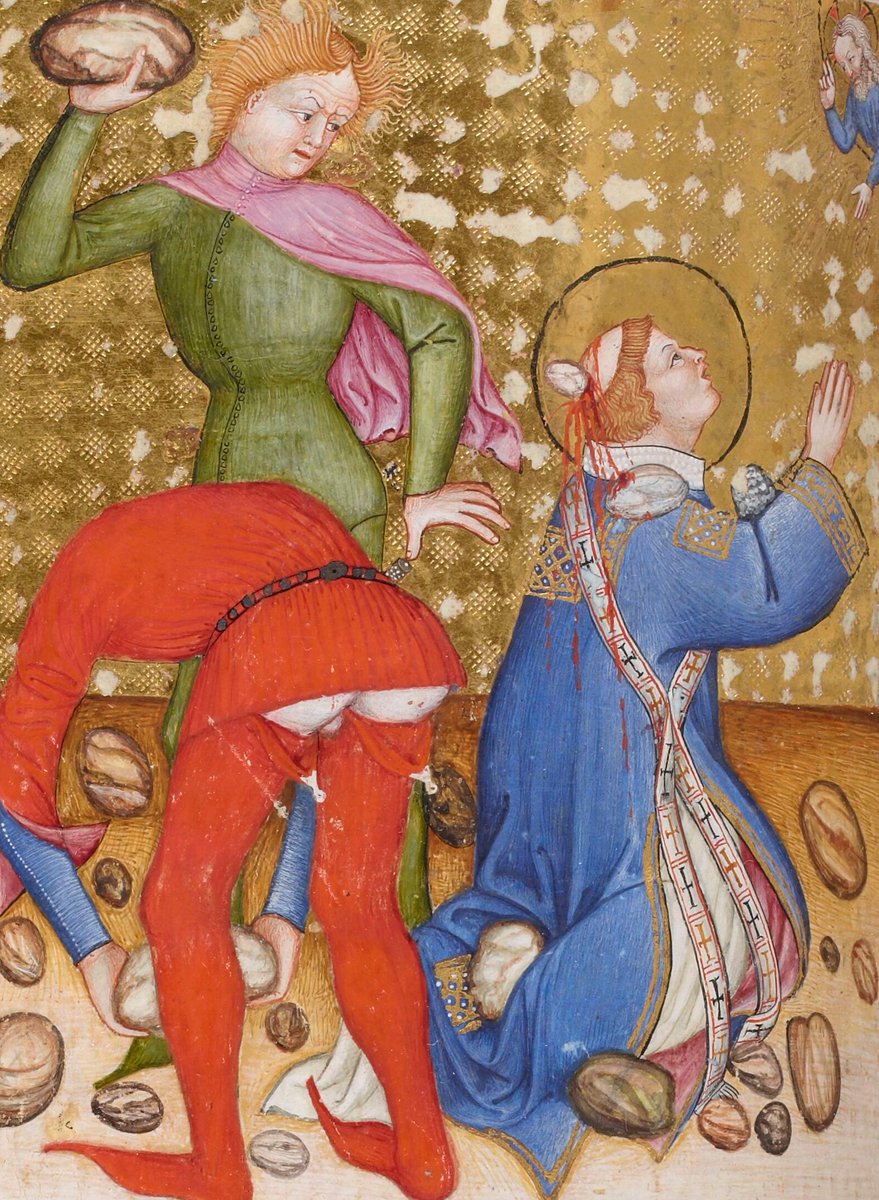
getting stoned, italy, 14th century
weird medieval guys tweet media
English
44
136
1.5K
42.5K
Cinemattachine retweetledi
The Gay Aesthetic
The Gay Aesthetic@jmlx_john2·
Julian Eltinge (b. 14 May 1881) was an acclaimed American stage and film actor who became the most famous and highest-paid female impersonator of the early 20th century. At the peak of his career, Eltinge's immense popularity and box office draw rivaled that of mainstream icons like Charlie Chaplin. Eltinge was born in Newtonville, Massachusetts, to Julia Edna Baker and Michael Joseph Dalton. His father was a mining engineer and the family eventually ended up in Butte, Montana. In his early teens, with his mother’s encouragement, Eltinge dressed in women's clothing and performed in saloons patronized by ranchers and miners. Upon discovering this in 1899, his father beat him and Julia intervened, sending him back to Boston to live with her sister, where the 17-year-old worked in dry goods as a salesman while studying dance. He made his first major Broadway appearance in 1904 in Mr. Wix of Wickham. From 1906 – 1908, he toured Europe where audiences and critics were captivated by his ability to create a convincing illusion of femininity. While on the tour, he gave a command performance for King Edward VII of England, who gifted him a bulldog. Following his European successes, Julian returned to the United States to continue his career in vaudeville and on Broadway, starring in musical comedies especially tailored for him, including The Fascinating Widow (1910). In 1912 a prominent Broadway theater on 42nd Street was even renamed The Eltinge Theatre in his honor. Unlike his contemporaries who played women for cheap comedic caricature, Eltinge focused on absolute precision and realism. He spent hours preparing his makeup, gowns, and corsets to achieve a 24-inch waist and stunned theater audiences by remaining completely convincing as a woman until the grand finale, when he would dramatically remove his wig (reminiscent of a similar scene in Blake Edward’s Victor/Victoria). He also capitalized on his style by publishing a popular women's beauty magazine, endorsing corsets, and launching a custom brand of cold cream. Offstage, while maintaining a deep privacy regarding his personal life and sexuality, never marrying and choosing to live with his mother (who had joined her son in Manhattan), he fiercely cultivated a masculine public image to combat the era's social stigmas, posing for promotional photos smoking cigars, boxing, and engineering rumors of getting into physical altercations. So, was the hyper-straight pose just a ruse to enhance his performance art or was he actually gay? He never married and there is no definitive, surviving record of romantic partners of either sex. And Eltinge himself declared, "I'm not gay, I just like pearls!" You be the judge. In 1914, Eltinge and his mother moved to Hollywood where he starred in silent films such as The Countess Charming (1917) and The Isle of Love (1918) alongside Rudolph Valentino. At the height of his fame, in 1918 he built a notable Spanish Colonial Revival home known as "Villa Capistrano" at 2328 Baxter St. in Silver Lake. The estate, often described as a "baron's manor", was an expansive compound designed with magnificent European-style landscaping to sit atop a steep hill with views of the nearby reservoir. By the 1930s, the female impersonations that Eltinge had built his career on had begun to lose popularity, as did vaudeville in general. The Depression, along with the Hays-code and strict LA municipal codes against "cross-dressing," also severely restricted Eltinge’s work and caused him to lose his fortune. He was reduced to performing in local clubs, standing in a tuxedo next to mannequins in his costumes (rather than wearing them, himself) while describing his past characters. The act was not a hit. His film career also waned. As the Silents transitioned into Talkies, he made minor appearances, appearing as himself in the variety showcase The Voice of Hollywood (1929) and later in the Bing Crosby musical comedy, If I Had My Way (1940). Forced to sell his beloved Silver Lake villa in 1939 due to his financial hardships, broke and already largely forgotten, in 1941 Julian Eltinge passed away from a cerebral hemorrhage in New York City, preceding his beloved mother in death by six years. Today, historians recognize him as a foundational, pioneering figure in American drag and LGBT performance history.
The Gay Aesthetic tweet media
English
1
9
42
788
Cinemattachine retweetledi
julie
julie@obscenelydolled·
one of his more iconic tweets to be quite honest
julie tweet media
English
5
29
381
7.5K
Cinemattachine retweetledi
Vintage Gay
Vintage Gay@vintage_gay·
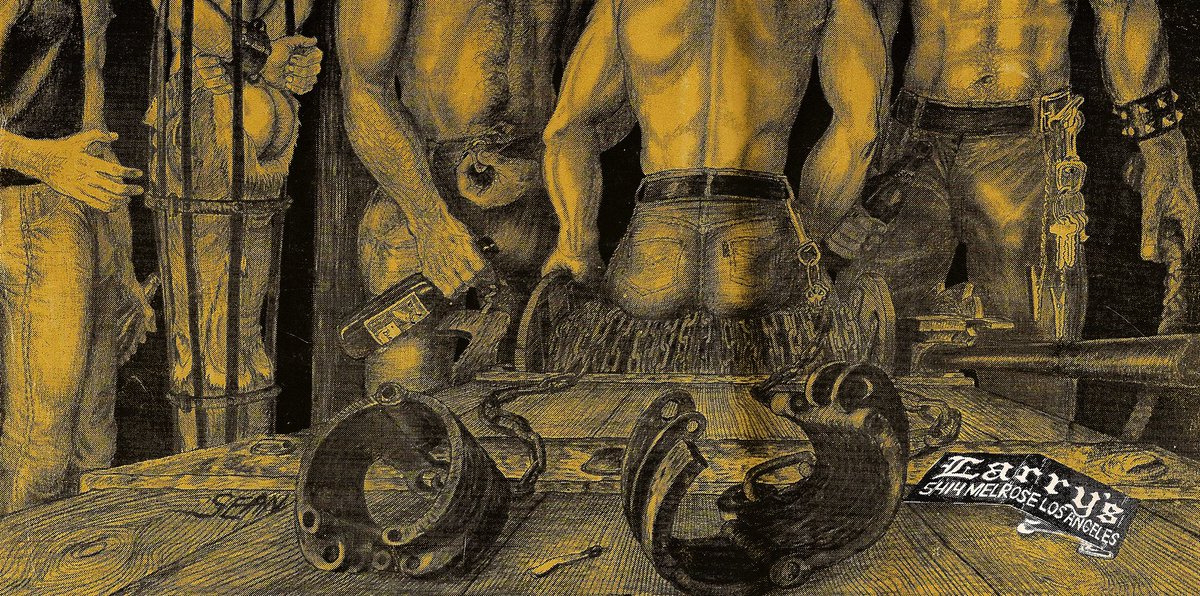
Larry's, Los Angeles, 1976.
Vintage Gay tweet media
English
0
2
6
0
Cinemattachine retweetledi
Anal Roberts
Anal Roberts@buttholemuseum·
Listening to "Pornography" by The Cure counts as cheating btw
English
0
2
14
150
Cinemattachine retweetledi
The Gay Aesthetic
The Gay Aesthetic@jmlx_john2·
Magnus Hirschfeld (b. 14 May 1868) was a pioneering German physician and sexologist who is widely considered a founding figure in the global movement for LGBT rights. He is perhaps most famous for establishing the Institute for Sexual Science in Berlin in 1919, the world's first organization dedicated to the scientific study of human sexuality. In 1893, Hirschfeld traveled to Chicago to document the World's Columbian Exposition for a German newspaper. He became fascinated by the city's homosexual subculture, struck by its similarities to that in Berlin. As a result, he began to develop his theory about the universality of homosexuality around the world; leading to his research into its existence in Rio de Janeiro, Tangier, and Tokyo. In 1897, he co-founded The Scientific-Humanitarian Committee which is recognized as the world's first organization to advocate for homosexual and transgender rights and against their institutionalized discrimination and persecution in Western societies. He campaigned tirelessly to repeal Paragraph 175, a German law that criminalized sexual acts between men. He argued that homosexuality was an innate, natural variation of human experience. Hirschfeld was also ahead of his time in distinguishing between sexual orientation and gender identity. He coined the terms "transvestite" (1910) and "transsexual" (1923) and provided gender-affirming care and surgeries at his institute. Hirschfeld was given the nickname "The Einstein of Sex" during a lecture tour in the United States in 1931, reflecting his international renown as an expert on human sexuality. He co-wrote and appeared in Different from the Others (1919), the first film to call for the decriminalization of homosexuality. In his later years, Dr. Hirschfeld maintained romantic relationships with two main partners, Karl Giese, an archivist and museum curator at the Institute, and Li Shiu Tong, a wealthy Chinese medical student 40 years his junior he met in Shanghai. These relationships were well-known within Berlin's gay community and were later part of a ménage à trois, with both men named in his will. Magnus was fondly nicknamed "Auntie Magnesia" within his close circle, which included colleagues and companions, indicating a relaxed, warm persona in private. As a Jewish, gay, and socialist intellectual, Hirschfeld was a primary target for the rising Nazi party. In May 1933, the Nazis looted the Institute for Sexual Science, publicly burning its massive library and archives—one of the most famous book burnings of the era. Following the destruction of the Institute, Karl Giese fled Germany and eventually took his own life in Brno in 1938 while on the run from fascist forces. Hirschfeld was on a world tour at the time and was never able to return to Germany. He died in exile in Nice, France, in 1935.
The Gay Aesthetic tweet media
English
2
29
81
1.7K
Cinemattachine retweetledi
horse dentist
horse dentist@equine__dentist·
tiddies the church cat
horse dentist tweet media
English
30
499
8.8K
105K
Cinemattachine retweetledi
Kal🦈 🔜 AC
Kal🦈 🔜 AC@KalShork·
seen in a random Tennessee bathroom on the drive home from FWA
Kal🦈 🔜 AC tweet media
English
14
621
10.4K
51.9K
Cinemattachine retweetledi
dog
dog@Dog__Dog0·
King is trying to figure out how the basement stairs work.
English
399
4.4K
69.4K
1.6M
Cinemattachine retweetledi
tay
tay@hairball1952·
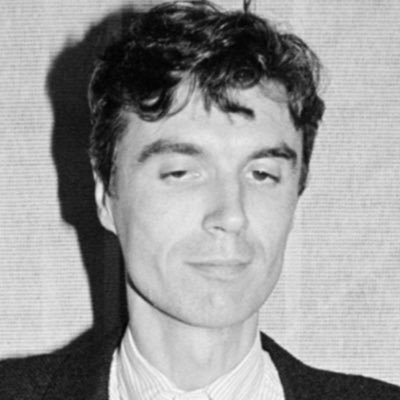
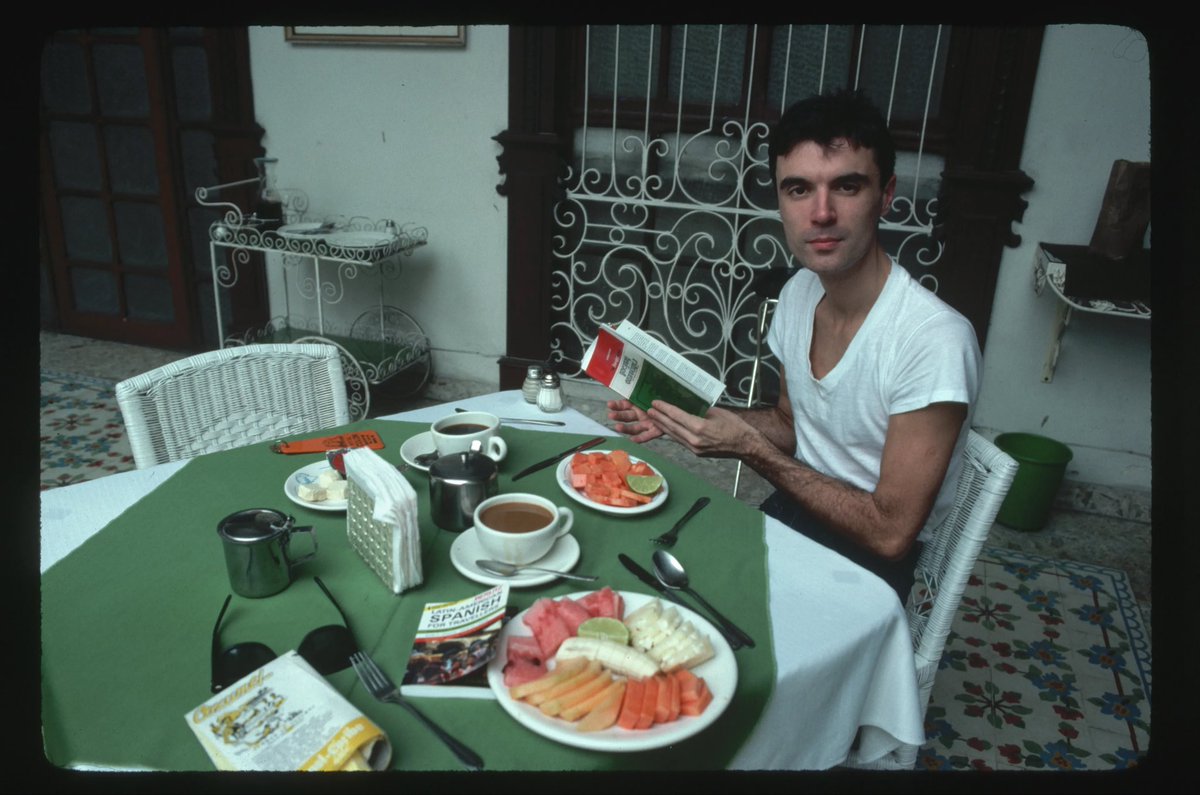
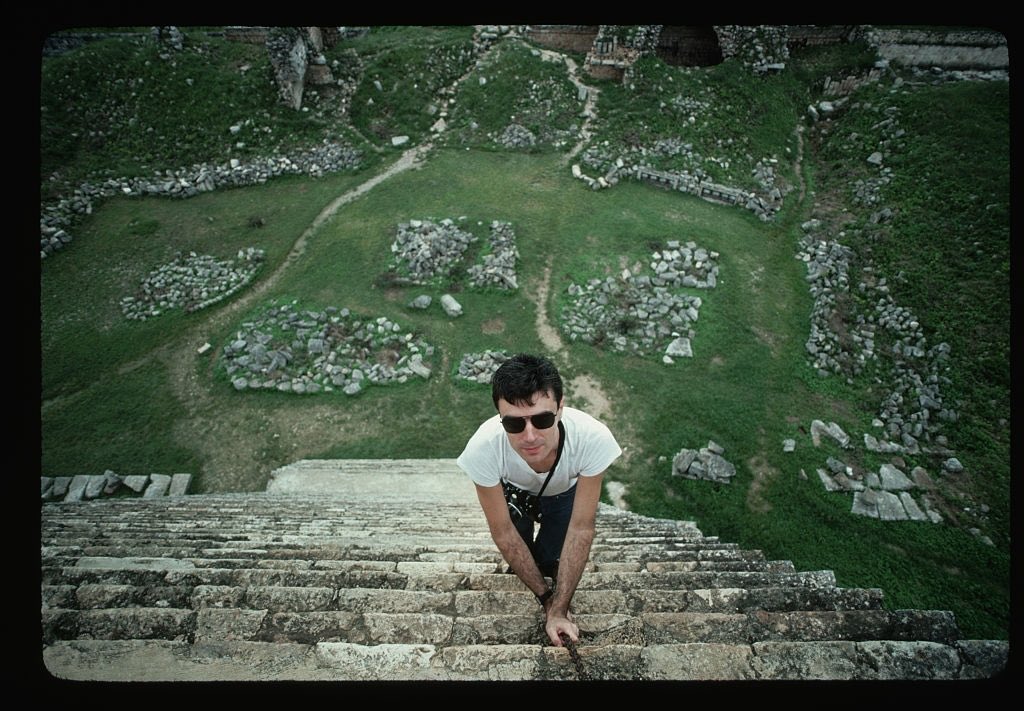
David Byrne in Mexico by Lynn Goldsmith, 1980
tay tweet mediatay tweet mediatay tweet mediatay tweet media
CY
6
445
3.3K
80.1K
Cinemattachine retweetledi
Dark Entries Records
Dark Entries Records@darkentriesrecs·
“Poem for a Nuclear Romance” is a spoken-word track by British poet Anne Clark with music by David Harrow, from the 1983 album Changing Places and reissued by Dark Entries on the Our Darkness EP. It explores a desolate, high-stakes love against a backdrop of apocalyptic dread, featuring bleak lyrics such as: “When all our dreams lay deformed and dead, we’ll be two radioactive dancers...” ☢️👯‍♀️ anneclark.bandcamp.com/track/poem-for…
Dark Entries Records tweet media
English
1
1
15
975
Cinemattachine retweetledi
★☭ nyxiewyxie 🏳️‍⚧️🇲🇽★
what is the acceptable amount of pro transgender before it becomes radically pro transgender and the government Will Find You and Kill You
English
274
3.5K
36.4K
368.9K
Cinemattachine retweetledi
Mia
Mia@boygrrI·
mormons cultural influence (non expansive): giant cookie dirty soda benson boone imagine dragons the CIA
English
241
1.8K
33.3K
425.7K