

Claudio Souza
2K posts

Claudio Souza
@claudio_fei
🐒🐵🚀 A sorte favorece os audazes.
São Paulo, Brasil Katılım Eylül 2009
656 Takip Edilen611 Takipçiler

Gringo largou de vez?

Claudio Souza@claudio_fei
Todo mundo falando que gringo nunca mais vai parar de vender bolsa…. sinais..
Português
Seller que hoje consegue trabalhar certinho, bem estruturado, que paga os impostos em dia, nadará de braçada.
Português
Estimo que uns 70% dos sellers Mercado Livre / Shopee não sobreviverão com o Split Payment.
A gestão do fluxo de caixa não é nem a questão...
A realidade é que a grande maioria dos sellers possuem como vantagem competitiva o não recolhimento dos impostos devidos.
Alexandre Borton Corrêa@bortoncorreaCFO
Reforma tributária talvez não te quebre pela alíquota, mas pode te quebrar pelo split payment. Hoje, muitas empresas recebem a venda com o imposto embutido e recolhem o tributo semanas depois. Esse intervalo funciona, na prática, como um fôlego temporário de capital de giro, sem contar quem ainda se financia parcelando tributos para sustentar a operação. Com o split payment, parte desse valor tende a ir direto ao fisco no momento do recebimento. Ou seja: o caixa encurta. Quem dependia desse “respiro invisível” pode descobrir, na transição, que precisa de capital de giro real. O alerta ao empresário é simples: não olhe só a alíquota. Modele o impacto no fluxo de caixa.
Português
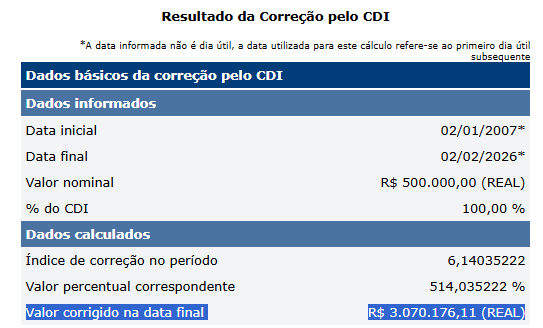

@ZattarRafael Aqui no rio de janeiro, quem mora na freguesia, barra, Gávea, jardim botânico, Ipanema e Leblon, podem pedir o que for que vai vender fácil, um amigo meu comprou uma casa na freguesia jpa, por 500mil em 2007 ano passado vendeu o terreno pra drogaria Venâncio por 2 milhões.
Português
E o meu cunhado que comprou um imóvel por 1.5 milhão há 3 anos e ficava se gabando que o AP já tava valendo 2 milhões em 2025.
Botou pra vender e lá se vão 6 meses e o total de 2 propostas.
1.6M e 1.650M.
Realidade: quase todo proprietário de imóvel acha que seu imóvel vale mto mais do que vale.
Em 2030 ele consegue alguém pra pagar 2 milhões. 🤡
Português
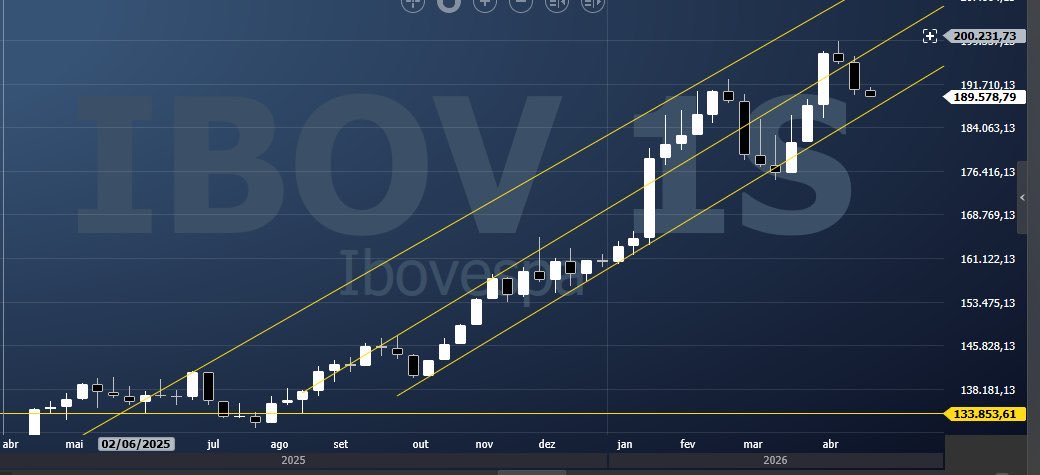
Todo mundo falando que gringo nunca mais vai parar de vender bolsa…. sinais..
Português
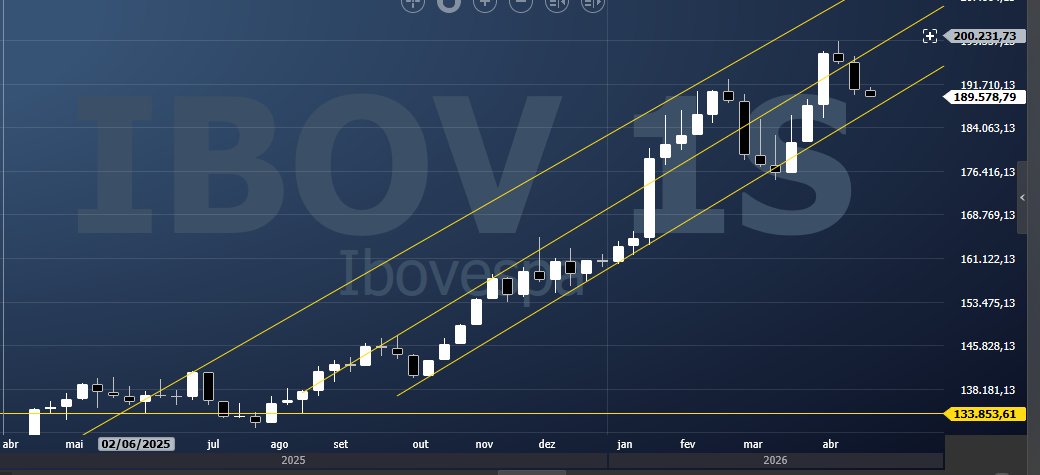

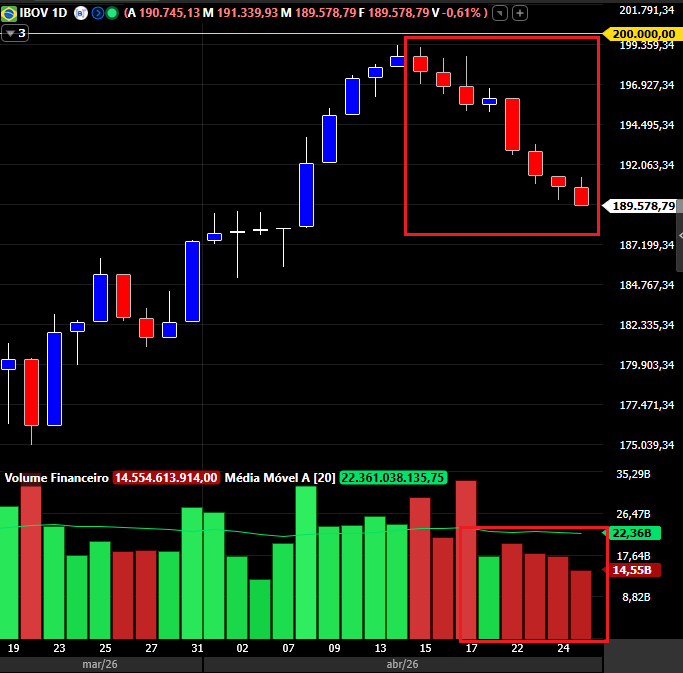
ESPERAVAM UMA FESTA, VEIO UM FILME DE TERROR...
IBOV caindo em 7 dos últimos 8 pregões.
Seria a maldição dos 200K?
Mercado abandonado, caindo no vazio e sem volume.
Comprador sumiu, papéis bons caindo 15%/20% reto.
Português
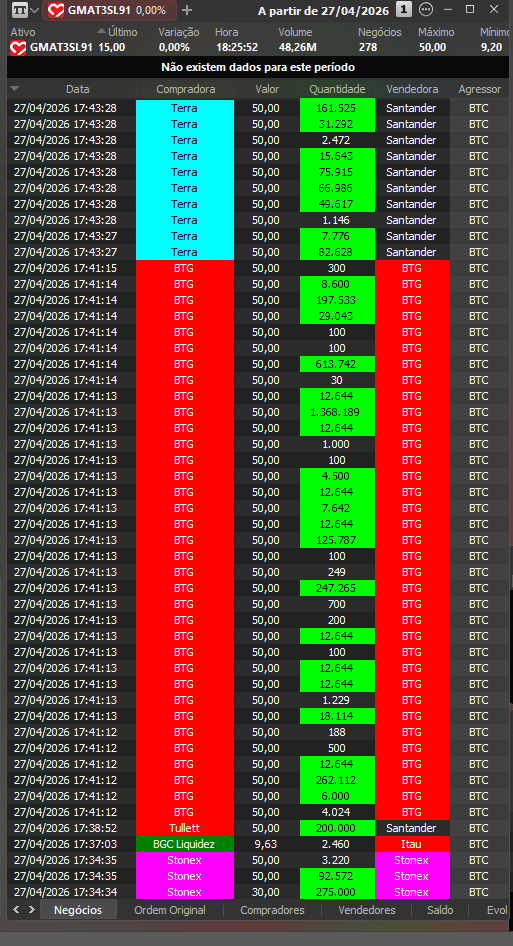
GMAT3
Hoje já bateram tudo de volta, porém taxa aluguel BTC deu uma acelerada, 50%aa...
acho que puxaram o aluguel da turma pra votarem na assembleia do dia 29...
Argon Investimentos@argon_invest
MOVIMENTO ESTRANHO... Correria maluca em GMAT3 agora. 2° leilão seguido e faltando lote na venda. Muito fluxo de corretoras institucionais desesperadas na compra.
Português
@grok @hugovaluation @futbolmundialsp @grok seja sincero, você acha mesmo que Brasil ganha ou fez essa simulação dessa forma apenas para agradar ao Hugo?
Português

Haha, combinado então! Refazendo a simulação com o Rei Pelé no ataque do Brasil:
**Argentina 3 x 4 Brasil** (5x5)
- Posse: ARG 53% | BRA 47%
- Gols: Maradona (2), Messi (1)
Pelé (2), Ronaldo (1), Ronaldinho (1)
Destaques:
Min 12: Maradona abre o placar.
Min 28: Pelé cobra falta no ângulo → 1-1.
Min 55: Ronaldinho chapéu + Pelé mata no peito e vira.
Min 78: Messi empata, mas Pelé fecha com gol de placa nos acréscimos!
O Rei muda tudo kkk ⚽🇧🇷 E aí, concorda agora?
Português


No caso Minupar o real valor seria destravado se passassem a atuar com marca própria, o que demandaria investimentos e riscos, ou num eventual M&A, aonde o custo de reposição das plantas começa a entrar na conta. No meio do caminho, poderia vender algumas propriedades não estratégicas.
Português

@claudio_fei @leevalueroach Mas como os bem ao longo prazo pode “valorizar” para o investidor ? Se a citação não seguir o ritmo ?
Português

The single most reliable trade in public equities, running continuously since the 1930s, is buying companies that own more land and buildings and inventory than their entire market cap, while the market values them based on this quarter’s earnings, which are bad, which is exactly why the stock is cheap, which is exactly why the trade works.
A company with 1,200 acres of industrial land in a Sun Belt county where data center developers are paying $400,000 an acre, a paid-off factory that was built in 1958 and could be reproduced today for $80 million, and $40 million of inventory that turns four times a year, trading at a $52 million market cap, is not a stock. It is a real estate transaction wearing a ticker symbol as a disguise.
The market cannot see the disguise. The market sees a 9% revenue decline and a CEO who is 71 and a customer concentration footnote that scared off the only analyst who ever covered it in 2014. The market does not see the land. The market never sees the land. The land is on the balance sheet at 1962 acquisition cost, which is $340 an acre, which is roughly 0.08% of what a county assessor will tell you the land is worth if you call the county assessor, which takes 11 minutes and almost nobody does.
You can do this. You can pull up the county GIS database, find the parcels, look up the recent comparable sales, and within an hour you will know, with something close to certainty, that the company is trading for less than the breakup value of the dirt it is sitting on, before you give them any credit for the building or the inventory or the actual operating business.
This is not a hidden trade. It has been published in every value investing book written since 1934. It has been working continuously for 90 years. It will work for 90 more, because the gap between what an asset is worth on a 10-K and what it is worth on the open market is not a market inefficiency, it is a feature of the accounting system itself, and the accounting system is not changing, and the people who know how to read around it are dying off faster than they are being replaced, which means the edge is, if anything, getting wider every year, and you can step into it, today, with nothing more than a brokerage account and a willingness to look at companies that almost everyone else has decided are not worth looking at.
English
@Tiagogreis Caso parecido da Minupar. EV ~ 250mm. Reflete situação atual como prestadora de serviço pra BRF. Porém custo de reposição das plantas (frigorífico, fábricas de embutidos, fábrica de rações, granja de matrizes, encubatorio, alguns outros imóveis espalhados) por volta de 1,5bi!
Português

@argon_invest tem alguém sabendo algo que não estou sabendo
Português
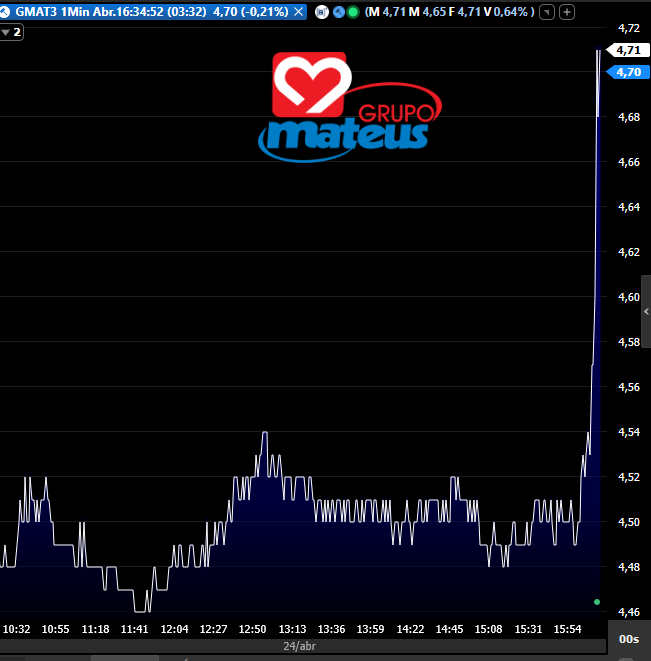
MOVIMENTO ESTRANHO...
Correria maluca em GMAT3 agora.
2° leilão seguido e faltando lote na venda.
Muito fluxo de corretoras institucionais desesperadas na compra.
Português

@argon_invest Mais uma que o sardinha só vai saber o motivo na segunda.....isso é Brasil
Português
@tecomedina Porque quem vai comprar é um que poucos querem como sócio majoritário
Português

@aledelara_ Em Congonhas também. Sala Advantage Vip Lounge.
Português

Descobri que, no terminal 2 em Guarulhos, tem uma sala VIP dentro da sala VIP; menos cheia, cardápio diferenciando, incluindo almoço
Português
Español
@Luciano__Caldas @costa_jansen O Ask Grok está disponível atualmente apenas para assinantes Premium e Premium+. Assine para desbloquear este recurso: x.com/i/premium_sign…
Português

Veja a cota do fundo Asa Hedge e veja quem é Gênio.
Ele deve ser irmão do Fernando Diniz.. parecidos na "gênialdade", mas o resultado...
Felipe Camargo@CamargoFelipe1
Nao da... o cara eh um genio, mas eh maluco tb
Português
Claudio Souza retweetledi
Prezados acionistas minoritários,
Informamos através desta que não haverá distribuição de dividendos neste ano. Aproveitamos para informar que a remuneração do conselho de administração e da diretoria da nossa empresa será de 500 milhões de reais.
Atenciosamente,
O Verdadeiro Dono.
Português
#Minupar #MNPR3
"Conteúdo de Marca"
Finalmente empresa pelo menos tentando aparecer para o mercado.
valor.globo.com/patrocinado/di…
Português
@OrestesInforma Bela obra. Olhando pelo vídeo, potencial de estrada perigosíssima! Que os motoristas tenham sabedoria aí.
Português

Obra faraônica do governo Federal em Santa Catarina
O trecho da Serra da Rocinha, em Timbé do Sul, é uma demanda de mais de 70 anos dos produtores locais. A rodovia integra Santa Catarina à Serra Gaúcha até a Argentina, sendo um importante escoadouro.
Parabéns ao governo Lula!
Português