
james hurley
7.2K posts
james hurley
@clonfarmer
Spring calving Dairy farmer supplying Lisavaird Co-op. Granagoleen herd of H/F's. Lover of good films, books. Farm Business Rep West Cork IFÀ.
Clonakilty West Cork Katılım Ocak 2013
870 Takip Edilen1.8K Takipçiler

@archeohistories Stop using CE. It's not in keeping with the history of the term. You think history is so important yet you ignore it for political expediency. The AD and BC have been used for 2,000 years so respect history and use them or I will block you from my feed.
English

When the vikings first arrived in Iceland in 9th Century CE, they discovered a coarse yet manageable new world ripe for the picking, uninhabited but for a few Gaelic monks on the southern coast. This strange, rugged land was worthy of conquering and survival over their scandinavian homeland stricken with civil strife and running short on arable land. That force of adventure, strength and resourefulness in a new land cultivated Iceland’s ancient survivalist architecture.
It was and still is a vast territory with dramatic rising glacial ranges from moonscape fields that run into coastal beaches of black sand and a land of no native timber. Where necessity became and still is the mother of invention. Homes were constructed of turf and drift wood that would wash upon the shores as well as from the endless supply of lava stones abound in the fields. Stone constrution also proved functionally sensible in this frequent earthquake prone environment, as homes could then “easily” be cobbled back together.
These buildings still exist at the ancient homestead of Keldur in Iceland’s southeastern region. This last remaining and fully intact early settlement farmstead can be found mentioned in Sagas from 12th Century CE. Traditionally a clan would head the farm with extended family living and working on site. Originally all living in the long house, there is evidence to think that a sudden and drastic climate change caused the move to smaller residential spaces to be built and long houses to be divided up to make easier to heat. Additions and improvements at Keldur had been made over the centuries, but the original main hearth room still bears the dirt floors and ancient timbers with fascinating hints of traditional communal living. A tunnel discovered in 1930’s runs from the main hearth room to the nearby small river and was thought to be for defensive purposes. Inside smaller spaces were formed originally for cooking and food storage and a connecting string of smaller turf structures served as various work and storage spaces such as a smithy, a mill, and livestock corral. Newest addition from early 19th Century remains near intact from it’s former glory, furnished with beautiful and simplistic folk furnishings and the silence combined with the spirits of those who still long remain at Keldur.
The last owner, whos family had farmed Keldur for almost two Centuries, knew of its great importance to Icelandic heritage and over the years had collected much history on the site. In 1942, he sold Keldur and his extensive collection to the National Museum of Iceland who continue to care for and manage this amazing historic site.
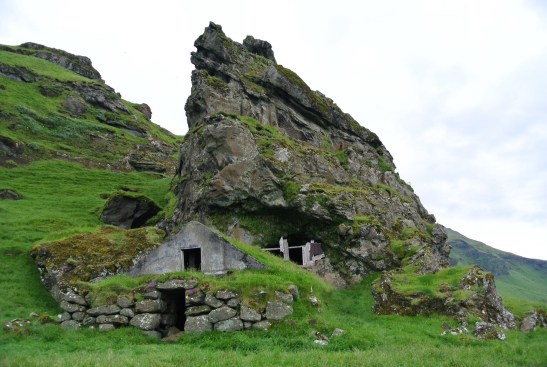
Upwards of 200 of these man-made caves with wooden or cobbled facades are scattered about 90 farms in the region used over the centuries for storing hay,corralling livestock, smithy’s and even for trade. Forty one of these caves are now protected sites, but many still in use today. We stopped roadside on HWY 1 at Rútshellir, and explored this t-shaped ‘building’. The front entrance to the turf structure is a feeding area for sheep, then stepping up into the cave (approx 6’ft tall and 10 ft wide) where they take shelter. Walking up the left side exterior is an entrance to another connecting cave space much smaller and where a smithy had a shop for many years. Yet another example of Iceland’s people understanding and using Mother Nature to their benefit through their ancient survivalist architecture.
#archaeohistories
English
james hurley retweetledi

james hurley retweetledi

6 members of IFA are currently inside Bord Bia and have been there for 5 days. They are currently being denied food, water and basic necessities. This is crude measure by Bord Bia against the farmers that fund their and support their work.

English
james hurley retweetledi

This is one of the most telling exchanges you’ll ever see on Irish radio. RTE’s O’Mongain reminds Boyd Barrett that Russia invaded ALL OF UKRAINE & only failed due to heroic resistance & because Ukraine was well armed by the west.RBB loses his cool & argues for total capitulation
English
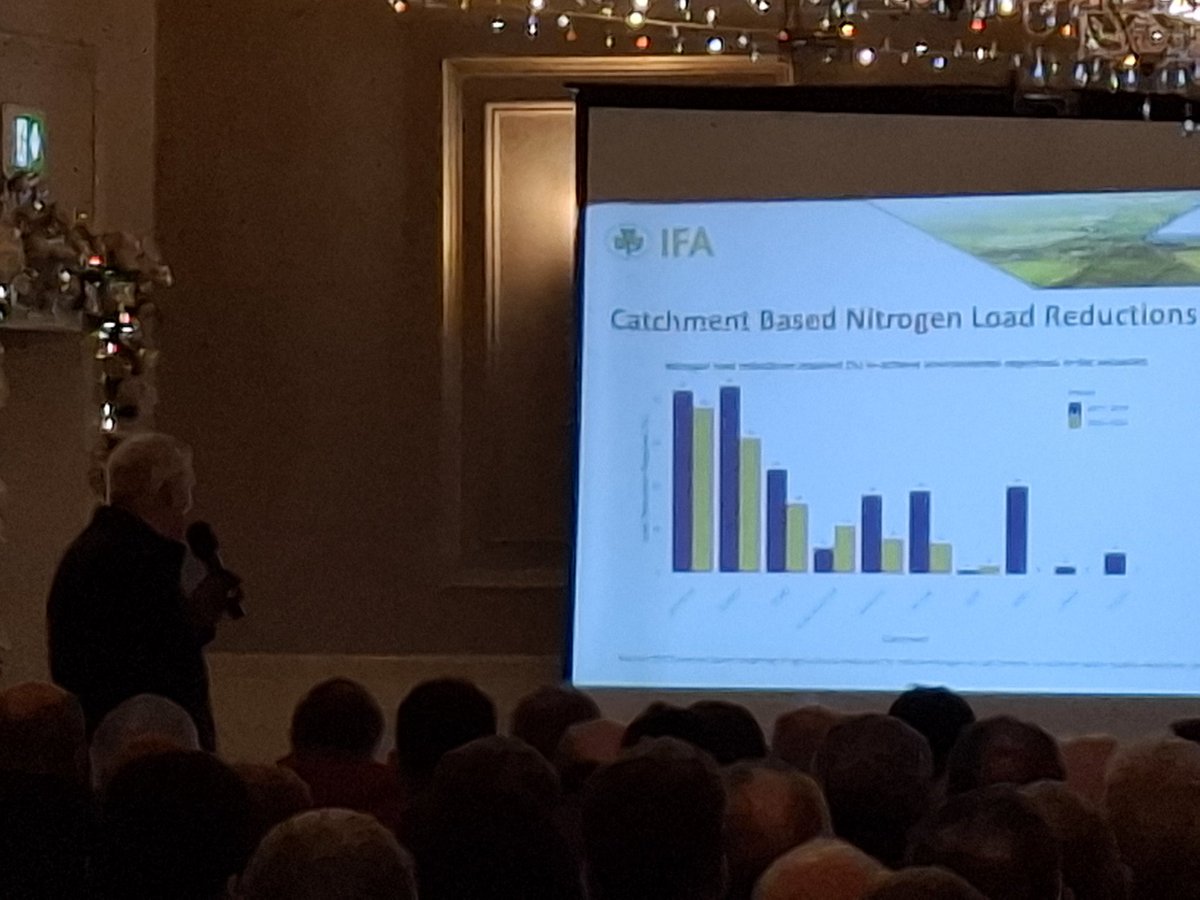
@endabuckley from @CarberyGroup speaking at #clonakilty @IFAmedia dairy conference. Water quality, biodiversity, Farming for Water EIP, new nature mapping plans. Interesting stuff.

English
Clonakilty @IFAmedia annual conference kicking off.
Start with the main item: #derogation with national Environment Chair John Murphy.
English

English
Good outlook ahead.....
Long-term global dairy demand may well outpace supply agriland.ie/farming-news/l…
English
Bank bailouts has cost the country €35B.
Loss of derogation will cost €4.5B or close to €50Billion for the same time span.
@IFAmedia @martinheydonfg @EU_Commission
English
@IFAmedia @martinheydonfg Large turnout. From walking sticks to buggies., all generations are here.
English
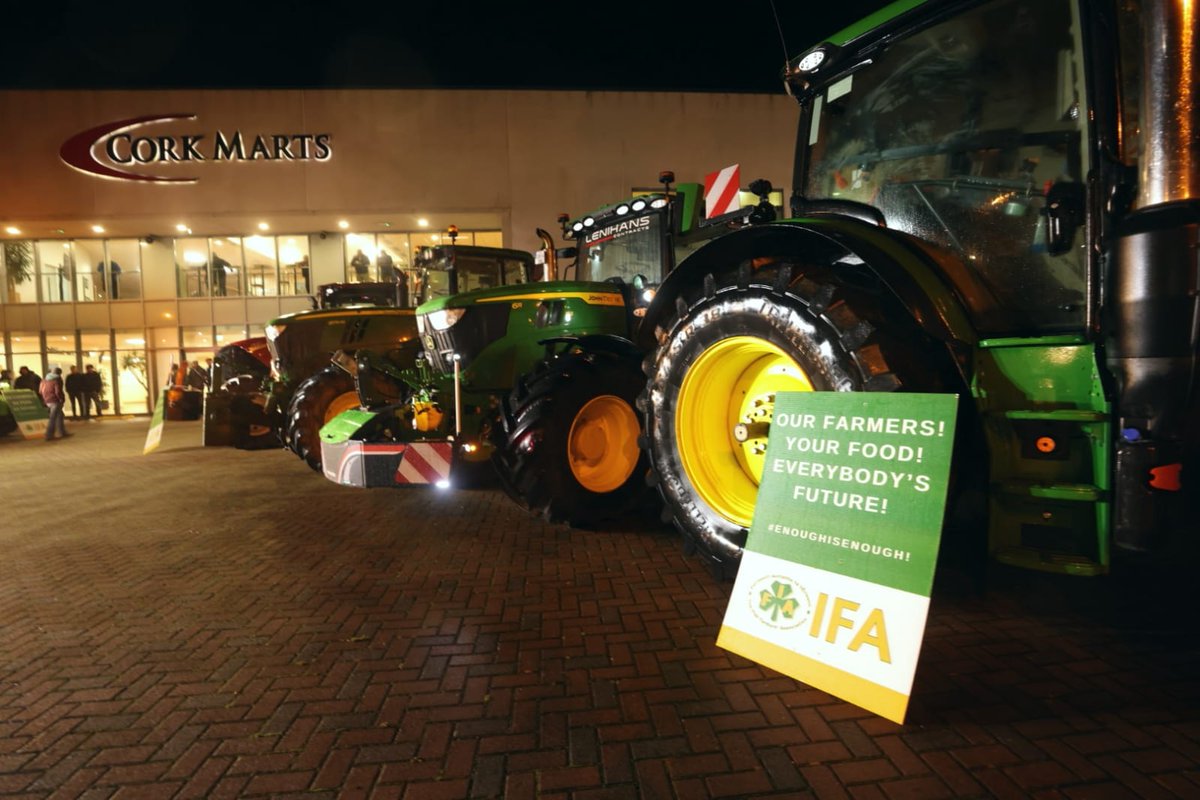
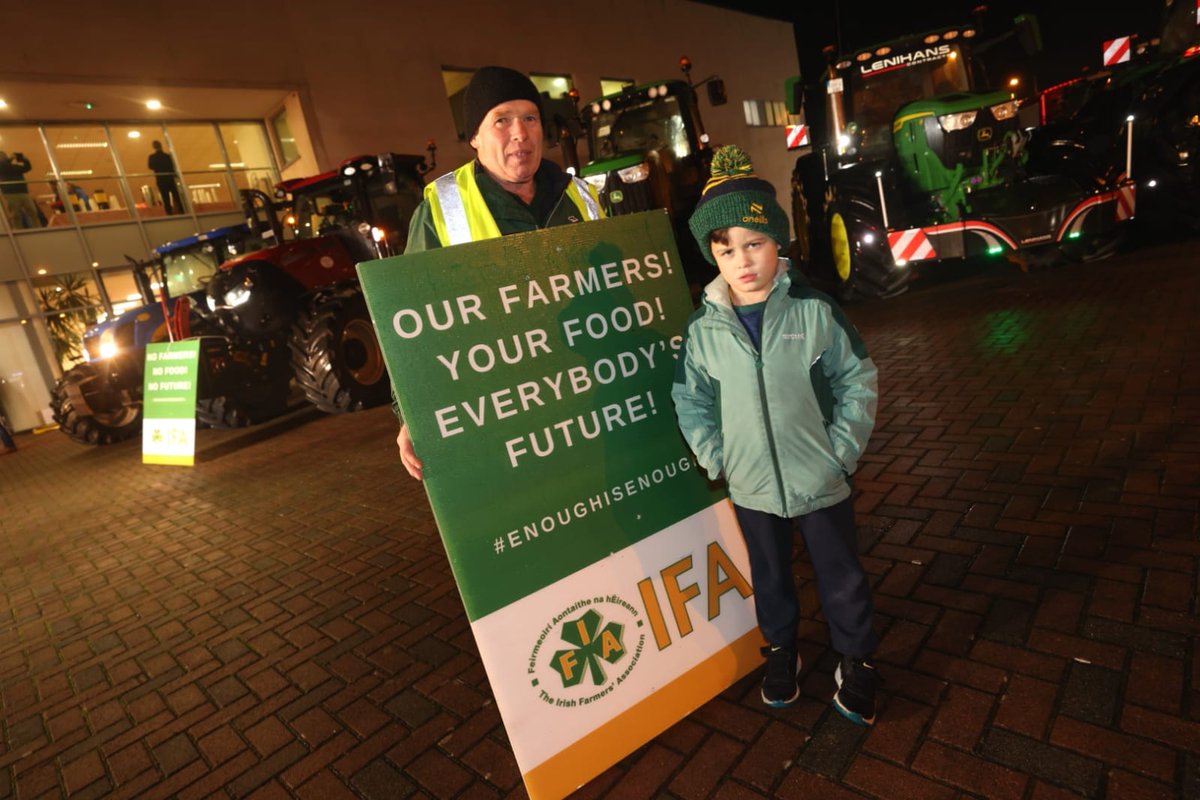
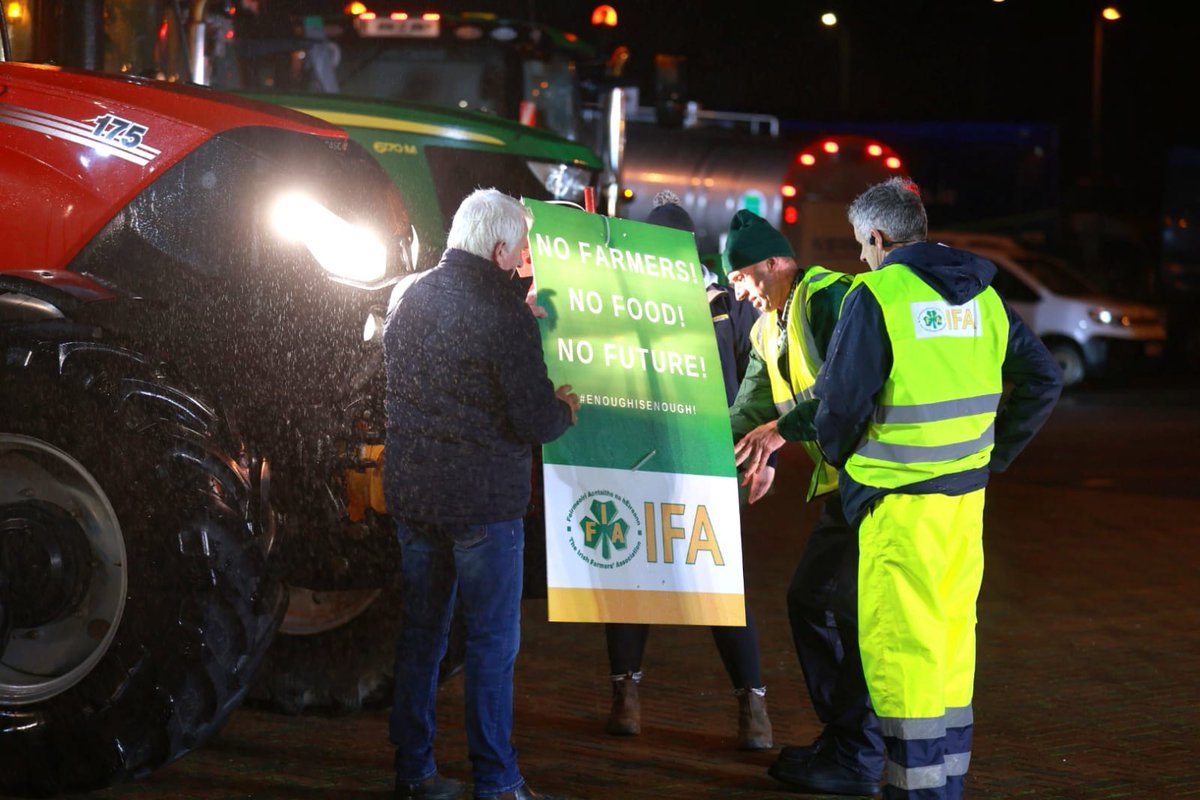
Crowds still streaming into Corrin Mart this evening. Huge turnout to reinforce the derogation message to Minister @martinheydonfg ahead of the decision due in the months ahead.

English
james hurley retweetledi

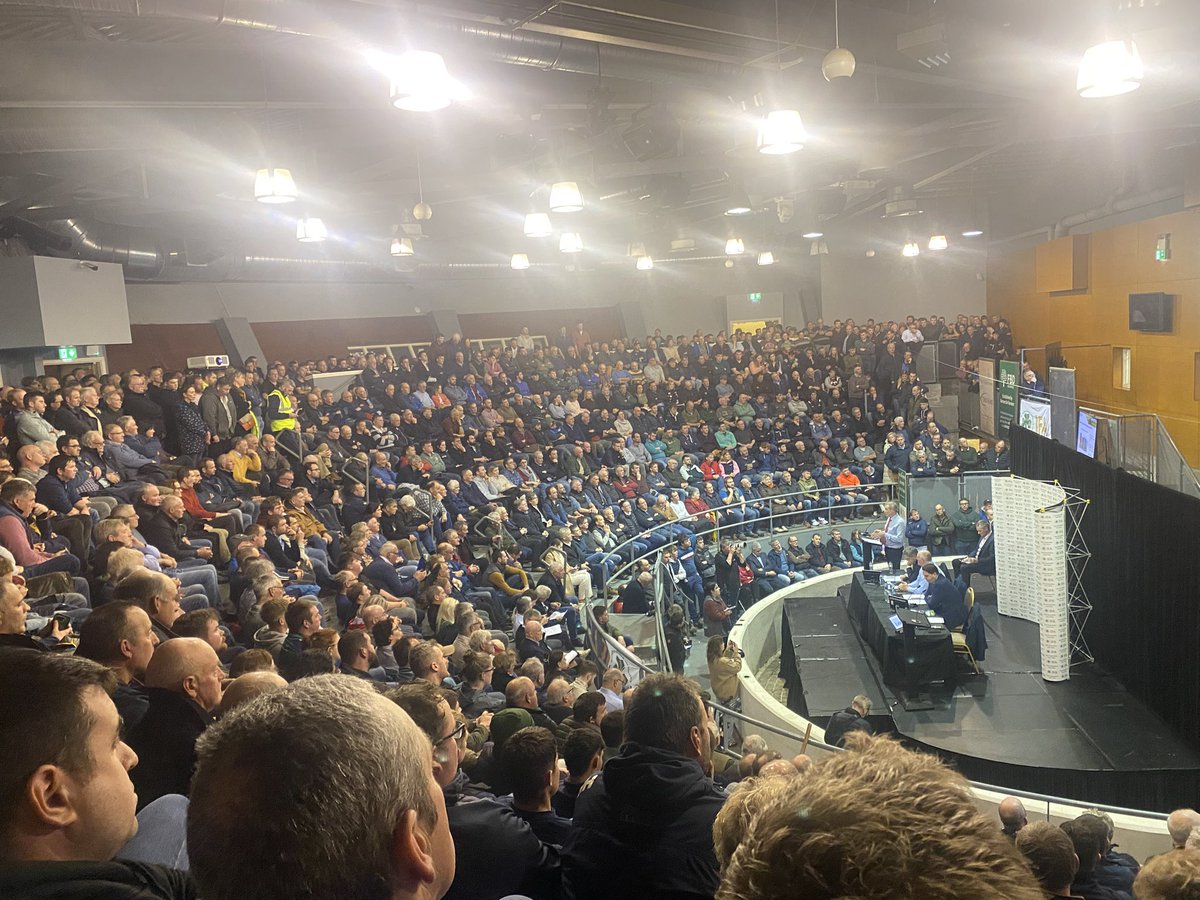
Huge crowd inside and outside the main ring at Corrin mart Fermoy for @IFAmedia national meeting on Nitrates Derogation. Turnout reflects the importance of retaining this key EU policy measure for Irish agriculture.
English
Good to see, stuck outside with 100s. And still coming. @IFAmedia
#derogation
Denis O'Donovan@odonovandenism
Standing room only in Fermoy tonight’s Nitrates Derogation Meeting @IFAmedia
English

#Budgetday
Was in Dublin on budget canvass with @IFAmedia 2 weeks ago.
Time to see the results🤞##budget

English
Interesting opinion piece by @EddiePunch in @Farming_Indo
Million less farmers in EU will inevitably lead to food supply issues.
Who will deal with the consequences?

English

@olivierglinec @Farming_Indo The problem with your scenario is that not only are there fewer farmers, but the age profile is older.
An older workforce will not produce more.
English

@clonfarmer @Farming_Indo I don't know if the article is about this, but it is obvious that the decrease in the number of farmers leading to an increase in the size of farms, Leads to a reduction in animal production in favor of plant production.If you can live with grain you won't bother milking cows.
English
Very truthful article from @Farming_Indo
There has always been an assumption that cheap food will always be available.
For the first time in my farming career. I am fairly confident that we'll be properly rewarded for our efforts. Food needs farmers and we ain't there

English

@CWeston_Indo Bloody farmers. The cheek of them wanting to earn a decent living!!!!!!!
Seriously, the real issue is not the price paid to farmers for produce, but the unknown margins taken by supermarkets.
100000 less cows in 2025 means less beef in the coming years.
English

Food inflation: Families warned of hike in food bills after surge in prices paid to farmers independent.ie/business/money…
English