

Donte Samuel ✊🏽💪🏽🌱
6K posts
Donte Samuel ✊🏽💪🏽🌱
@coachdonte
DaCoach. Vegan. CEO CycleBreaker. Health/Wellness Maven. Life Coach #dacoachspeaks
Baltimore, MD Katılım Mart 2014
125 Takip Edilen229 Takipçiler

Donte Samuel ✊🏽💪🏽🌱 retweetledi

Donte Samuel ✊🏽💪🏽🌱 retweetledi

VICTOR WEMBANYAMA TONIGHT:
40 POINTS
15 REBOUNDS
3 BLOCKS
77.4% TS%
THE LEAGUE IS REALLY IN TROUBLE
English
Donte Samuel ✊🏽💪🏽🌱 retweetledi

Donte Samuel ✊🏽💪🏽🌱 retweetledi


Donte Samuel ✊🏽💪🏽🌱 retweetledi

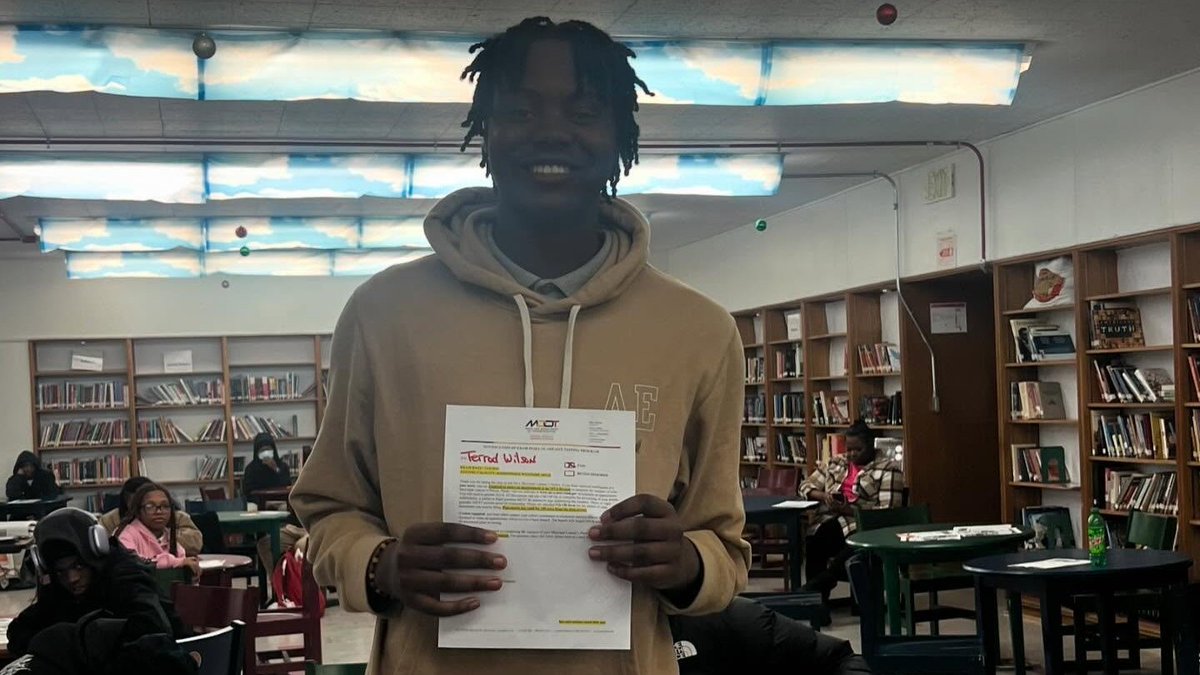
Edmondson-Westside students packed the school library to take their MVA permit tests. According to the on-site MVA instructor- Edmondson-Westside leads City Schools with the highest number of students to pass the test!
English
Donte Samuel ✊🏽💪🏽🌱 retweetledi
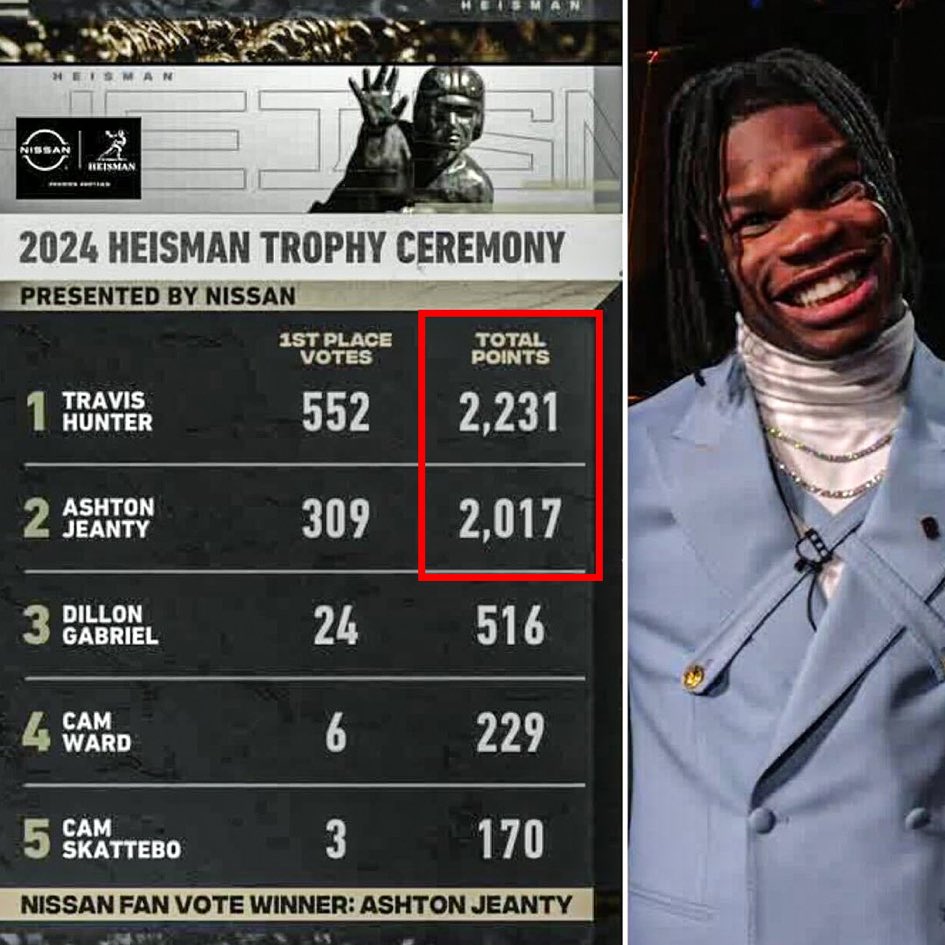
Heisman Trophy voting results, with the smallest margin of victory since 2009:
English
printablewithlisa.com/collections/al… #dacoachspeaks #gameonfitness Ultimate ADHD Planner Bundle, ADHD Journal, ADHD Productivity Planner, — “Let Me Help You Get Rid Of All Your ADHD Problems Today” I...
English
Donte Samuel ✊🏽💪🏽🌱 retweetledi

Dickie V announced that he is CANCER FREE 🙏🥳

English
Donte Samuel ✊🏽💪🏽🌱 retweetledi

@PicturesFoIder Never underestimate your opponent!
Being kind is not weakness, it is sportsmanship!
English
Donte Samuel ✊🏽💪🏽🌱 retweetledi

Donte Samuel ✊🏽💪🏽🌱 retweetledi
Physics students from Ms. Leron and Ms. Panganiban's class at Edmondson-Westside participated in the Lab Challenge, diving into the world of spacecraft, launch vehicles, and orbits. Using simulations, they explored physics principles and vehicle design by testing and refining rocket designs through experimentation, including balloon rockets.
English
Donte Samuel ✊🏽💪🏽🌱 retweetledi

The last American slave ship docked illegally in Mobile, Alabama, in 1860, carrying about 160 West African captives.
Among them was Cudjo Lewis, who recognized how his birth culture might be erased while toiling in this new land.
So when he was freed, he purchased two acres and started a self-sufficient community of survivors of the last slave ship.
Known to outsiders as Africatown, Lewis' neighborhood was modeled on his West African home, where extended families lived together, members conversed in their regional languages, and partook in traditions that might otherwise be lost to them in America.
Today, Africatown still exists and houses the descendants of the nation's last slave ship community.

English
Donte Samuel ✊🏽💪🏽🌱 retweetledi
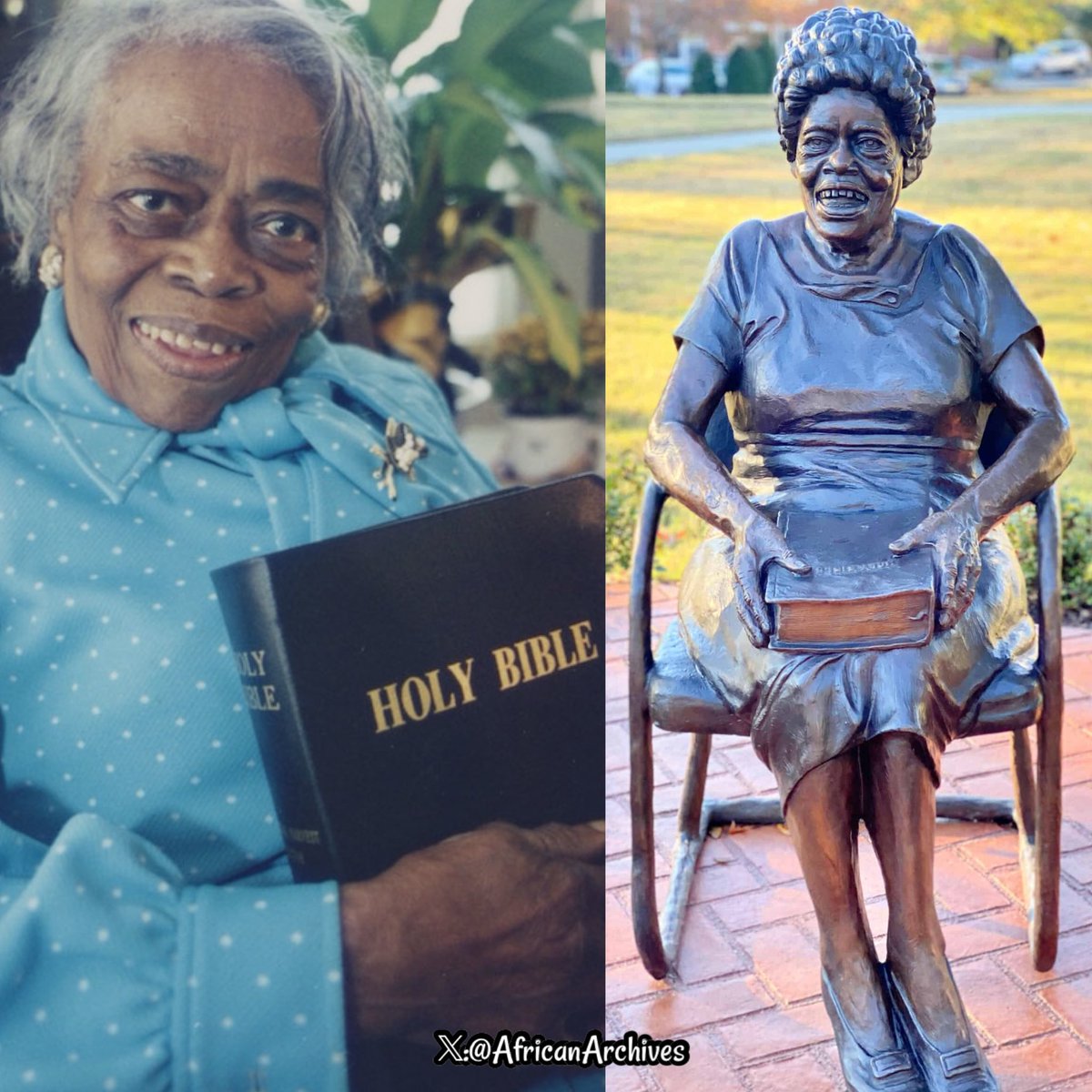
Oseola McCarty was a Mississippi philanthropist who donated most of her life savings, $150,000, to the University of Southern Mississippi to provide scholarships for African American students in need. #WomensHistoryMonth
A seamstress and washerwoman who was paid mostly in dollar bills and loose change her entire life, McCarty was praised for her generosity and received many awards, including an honorary degree from the university. McCarty was born on March 7, 1908, in Shubuta, Mississippi.
McCarty was born on March 7, 1908, in Shubuta, Mississippi. She was raised in nearby Hattiesburg by her aunt and grandmother, both of whom cleaned houses, cooked, and took in washing to make money. McCarty quit school in the sixth grade in order to care for her ailing aunt, and she took over the domestic work that she would do for the rest of her life. McCarty, who never married and had no children, lived frugally in a house without air conditioning. She never had a car or learned to drive, so she walked everywhere, including the grocery store that was one mile from her home. Her thriftiness would become legendary: she cut the toes out of shoes that did not fit right, and she bound her well-worn Bible with Scotch tape.
When she was eight years old, McCarty opened a savings account at a bank in Hattiesburg and began depositing the coins she earned from her laundry work. She would eventually open accounts in several local banks. By the time McCarty retired at age 86, her hands crippled by arthritis, she had saved $280,000. She set aside a pension for herself to live on, a donation to her church, and small inheritances for three of her relatives. The remainder—$150,000—she donated to the University of Southern Mississippi, a school that had remained all-white until the 1960s. McCarty stipulated that her gift be used for scholarships for Black students from southern Mississippi who otherwise would not be able to enroll in college due to financial hardship. Business leaders in Hattiesburg matched her bequest and hundreds of additional donations poured in from around the country, bringing the total endowment to nearly half a million dollars.
The first beneficiary of McCarty’s largesse was Stephanie Bullock, an 18-year-old honors student from Hattiesburg, who received a $1,000 scholarship. Bullock subsequently visited McCarty regularly and drove her around town on errands.
In 1998 the University of Southern Mississippi awarded McCarty an honorary degree. She received an honorary doctorate from Harvard University, and President Bill Clinton awarded her the Presidential Citizens Medal, the nation’s second-highest civilian award.
Oseola McCarty died of liver cancer on September 26, 1999, at the age of 91. In 2019 McCarty’s home was moved to Hattiesburg’s Sixth Street Museum District and turned into a museum.
🖊️As the only admin behind this page, I try to research to educate. If you appreciate this effort, you can support to help the page thrive on ko-fi.com/africanarchives. Your support is deeply appreciated! (Or just the ko-fi page for articles/posts roundup)
English
Donte Samuel ✊🏽💪🏽🌱 retweetledi

Donte Samuel ✊🏽💪🏽🌱 retweetledi
Donte Samuel ✊🏽💪🏽🌱 retweetledi
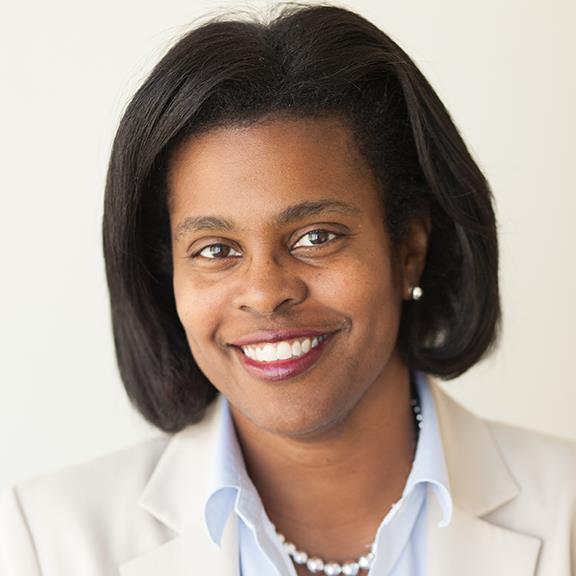
Congratulations Ms. Waller! 🤩🤩🤩
Suzie Wesh@SuzieWesh
Congratulations to Ms. Waller who was recognized by the Senate and Maryland House of Delegates as “MSCA High School Counselor of the Year” at the State Capital today. Way to go! 👏🏾👏🏾 Excellent job! @MsTeeInspires @PonceMq @BaltCitySchools @MSCA_MD @ASCAtweets
English
Donte Samuel ✊🏽💪🏽🌱 retweetledi
Glad so many community champions got to experience the magic of school breakfast today at Belmont during National School Breakfast Week. From cafeteria managers and coaches to senators and farmers (even Poe from the Ravens)– everyone knows that a healthy start to the day is something to celebrate! #NSBW #SurfsUpWithSchoolBreakfast #BreakfastWeek

English
Donte Samuel ✊🏽💪🏽🌱 retweetledi
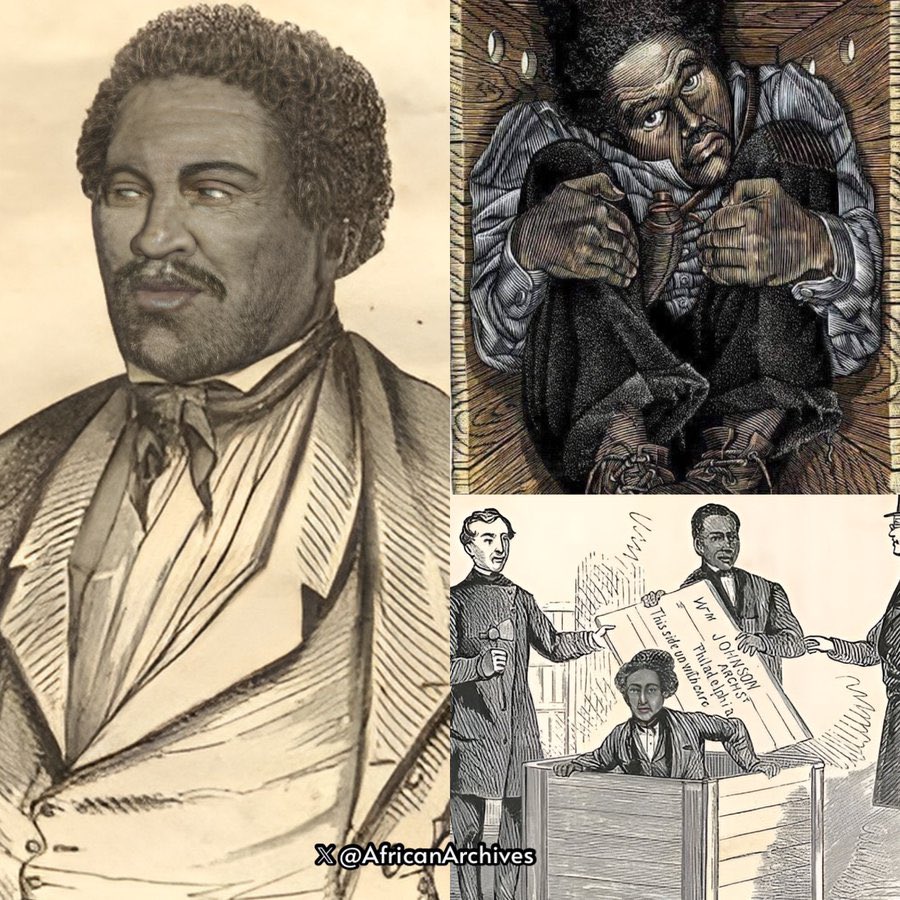
Henry "Box" Brown, the 19th century enslaved man from Virginia (later a noted abolitionist speaker), escaped to freedom by mailing himself in a wooden crate.
“if you have never been deprived of your liberty, as I was, you cannot realize the power of that hope of freedom.”
—Henry "Box" Brown escaped to freedom at the age of 33 by arranging to have himself mailed in a wooden crate in 1849 to abolitionists in Philadelphia, Pennsylvania.
Brown was hired out by his master in Richmond, Virginia, and worked in a tobacco factory, renting a house where he and his wife lived with their children. Brown had also been paying his wife's master not to sell his family, but the man betrayed Brown, selling pregnant Nancy and their three children to a different slave owner.
With the help of James C. A. Smith, a free black man, and a sympathetic white shoemaker named Samuel A. Smith, Brown devised a plan to have himself shipped in a box to a free state by the Adams Express Company, known for its confidentiality and efficiency.Brown paid $86 (out of his savings of $166) to Samuel Smith. Smith went to Philadelphia to consult with members of Pennsylvania Anti-Slavery Society on how to accomplish the escape, meeting with minister James Miller McKim, William Still, and Cyrus Burleigh. He corresponded with them to work out the details after returning to Richmond. They advised him to mail the box to the office of Quaker merchant Passmore Williamson, who was active with the Vigilance Committee.
To get out of work the day he was to escape, Brown burned his hand to the bone with sulfuric acid. The box that Brown was shipped n was 3ft long by 2ft 8 inches deep by 2ft wide and displayed the words "dry goods" on it. It was lined with baize, a coarse woolen cloth, and he carried only a small portion of water and a few biscuits. There was a single hole cut for air and it was nailed & tied with straps. Brown later wrote that his uncertain method of travel was worth the risk: "if you have never been deprived of your liberty, as I was, you cannot realize the power of that hope of freedom, which was to me indeed, an anchor to the soul both sure and steadfast." During the trip, which began on March 29, 1849, Brown's box was transported by wagon, railroad, steamboat, wagon again, railroad, ferry, railroad, and finally delivery wagon, being completed in 27 hours. The box was successfully received on March 30th 1849. Just look at me the determination of our ancestors.
🖊️As the only admin behind this page, I try to research to educate. If you appreciate this effort, you can support to help the page thrive on ko-fi.com/africanarchives. Your support is deeply appreciated! Or just follow the page for articles.
English
Donte Samuel ✊🏽💪🏽🌱 retweetledi

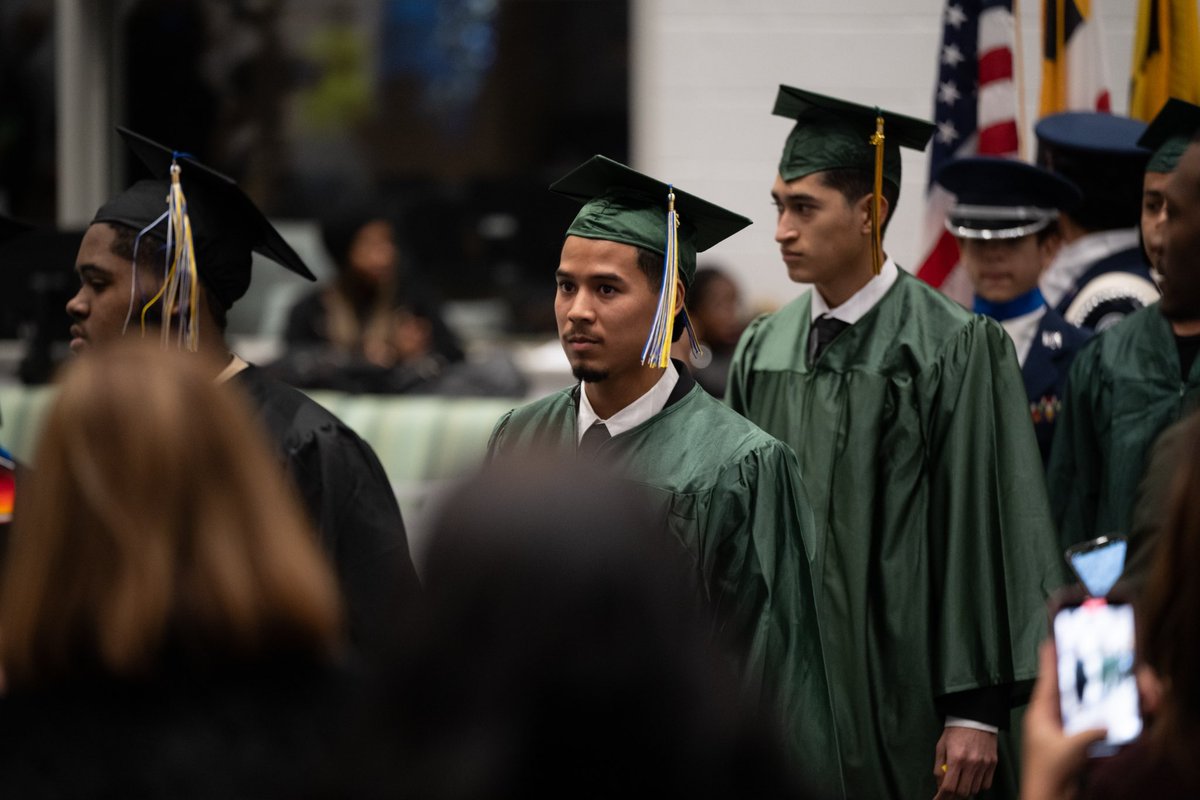
Baltimore, please join me in congratulating our @BaltCitySchools class of 2024 winter graduates! Remember, this is not the end, but just the beginning of your next chapter. Keep up the amazing work and know that all of Baltimore is extremely proud of each and every one of you.


English