
Sabitlenmiş Tweet
Cotinga
63 posts


Cotinga
@cotingagames
solo game dev 🇧🇷 building PINOTE, a motorcycle style-racing inspired by viral chase videos. wishlist soon on steam
RJ Katılım Ocak 2026
208 Takip Edilen48 Takipçiler
I think you are both right, but i believe your 1. only holds true until people can easily express their micro needs.
my point is that those markets of one are better served by ephemeral apps or “base apps” (that do the minimal) with custom features, not full apps coming from stores
e.g. every person I know uses Obsidian (❤️) in a different way, for me it is my base md editor and I really appreciate the muscle memory I’ve been building since I started
but I only use it because I can extend it with plugins, and I can write plugins to make it more personalized
what if anyone could extend it? like what @wcools is doing with Thymer, I guess
English

@cotingagames @karpathy maybe I misunderstood your point... Andrej is proposing that many apps will have a market of one
I think
1. people rarely have unique needs
2. people are actively memetic, and seek conviviality
3. people broadly struggle to describe any unique needs effectively
English

Very interested in what the coming era of highly bespoke software might look like.
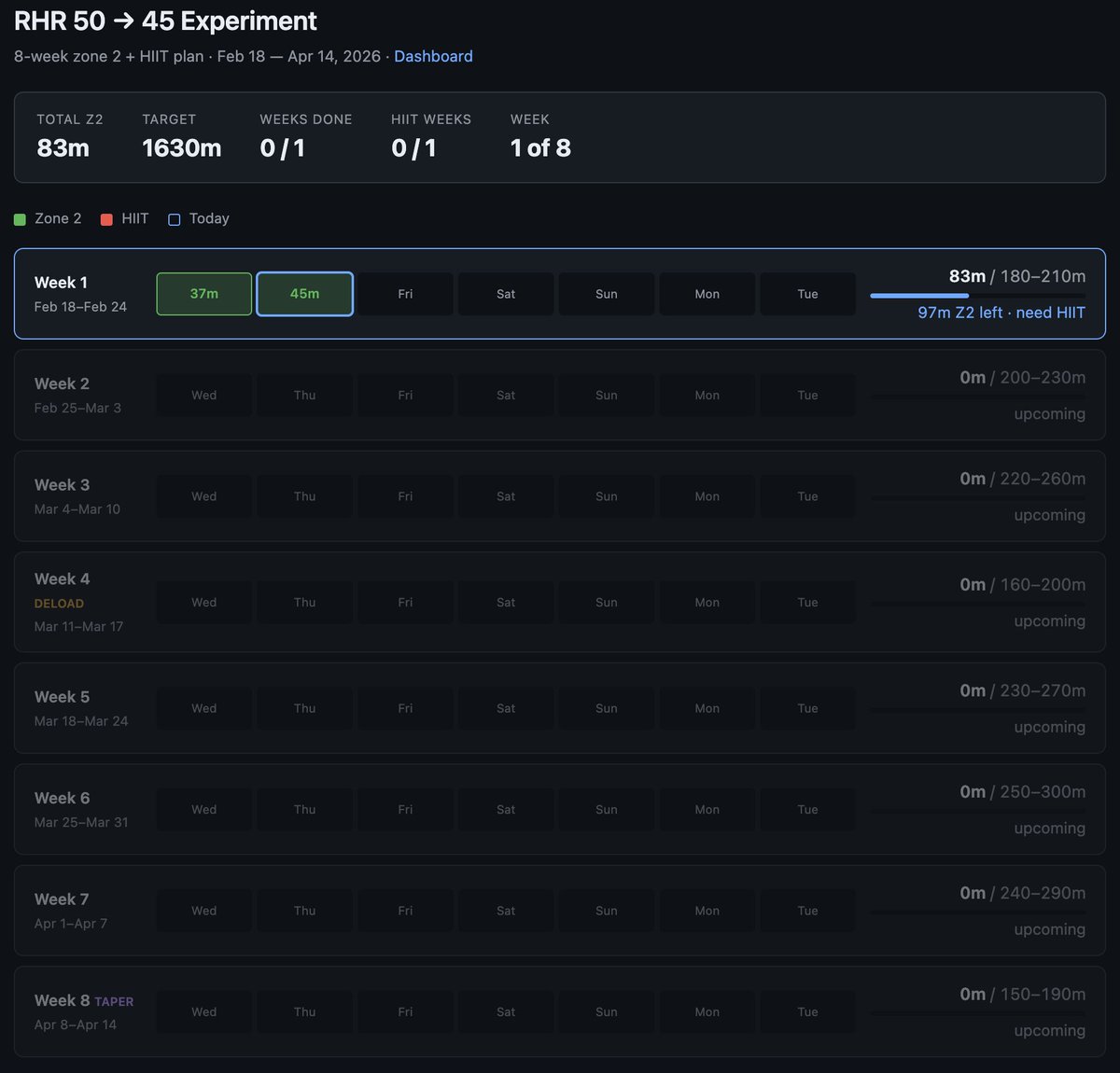
Example from this morning - I've become a bit loosy goosy with my cardio recently so I decided to do a more srs, regimented experiment to try to lower my Resting Heart Rate from 50 -> 45, over experiment duration of 8 weeks. The primary way to do this is to aspire to a certain sum total minute goals in Zone 2 cardio and 1 HIIT/week.
1 hour later I vibe coded this super custom dashboard for this very specific experiment that shows me how I'm tracking. Claude had to reverse engineer the Woodway treadmill cloud API to pull raw data, process, filter, debug it and create a web UI frontend to track the experiment. It wasn't a fully smooth experience and I had to notice and ask to fix bugs e.g. it screwed up metric vs. imperial system units and it screwed up on the calendar matching up days to dates etc.
But I still feel like the overall direction is clear:
1) There will never be (and shouldn't be) a specific app on the app store for this kind of thing. I shouldn't have to look for, download and use some kind of a "Cardio experiment tracker", when this thing is ~300 lines of code that an LLM agent will give you in seconds. The idea of an "app store" of a long tail of discrete set of apps you choose from feels somehow wrong and outdated when LLM agents can improvise the app on the spot and just for you.
2) Second, the industry has to reconfigure into a set of services of sensors and actuators with agent native ergonomics. My Woodway treadmill is a sensor - it turns physical state into digital knowledge. It shouldn't maintain some human-readable frontend and my LLM agent shouldn't have to reverse engineer it, it should be an API/CLI easily usable by my agent. I'm a little bit disappointed (and my timelines are correspondingly slower) with how slowly this progression is happening in the industry overall. 99% of products/services still don't have an AI-native CLI yet. 99% of products/services maintain .html/.css docs like I won't immediately look for how to copy paste the whole thing to my agent to get something done. They give you a list of instructions on a webpage to open this or that url and click here or there to do a thing. In 2026. What am I a computer? You do it. Or have my agent do it.
So anyway today I am impressed that this random thing took 1 hour (it would have been ~10 hours 2 years ago). But what excites me more is thinking through how this really should have been 1 minute tops. What has to be in place so that it would be 1 minute? So that I could simply say "Hi can you help me track my cardio over the next 8 weeks", and after a very brief Q&A the app would be up. The AI would already have a lot personal context, it would gather the extra needed data, it would reference and search related skill libraries, and maintain all my little apps/automations.
TLDR the "app store" of a set of discrete apps that you choose from is an increasingly outdated concept all by itself. The future are services of AI-native sensors & actuators orchestrated via LLM glue into highly custom, ephemeral apps. It's just not here yet.
English
> Most people are not alone in their needs, and their collective need forms a market.
I would argue the opposite. Most markets only exist because there is no other way to supply those very unique needs other than flattening them out into a more generic form that pleases Greeks and Trojans alike. Even if the job to be done is the same, every person has their own flavor.
English
This is a question of whether ergonomics will continue matter at all in the future. I would guess ergonomics will always matter.
I take your point, and I even would go further to say that many GUIs don't need to exist at all. If the machine understands your goal then everything can happen invisibly. The software should disappear.
However, I see these bespoke just-in-time UIs being primarily useful for one-time tasks or project-specific software that has brief utility.
If the tool is being used repeatedly then it wants to conform to the user and task in a repeatable way. This is where design, engineering, and dare I say "taste", comes in. You don't want an interface to change every time you use it.
Most people are not alone in their needs, and their collective need forms a market.
Recurring usage is an evolutionary pressure that pushes a tool to fit the purpose and the market.
The mirage of on-demand digital everything is very seductive. I saw it disappoint so many people in my industrial design and manufacturing career. There is an allure to digital manufacturing methods (like 3D printing) because you can change the output every time. But those manufacturing methods have can never compete on cost efficiency, predictability, refinement, polish. The benefits of tooling are so enormous that everyone immediately switches to those methods if the product has any scale. The critical mass is surprisingly small.
Even in a world of agentic code factories where the customer may be human or agent, you will see autonomous structures align themselves around repeatable methods, predictable tooling, and ergonomically consistent interfaces. They too will have cost pressures, presumably being the support agents and supply chain operators in this world.
Humans are fundamentally social, and have relatively similar needs to one another. For that reason there will always be a need for tools and objects, whether physical or virtual, that are ergonomically and evolutionarily fit to a specific cohort.
English
@VictorTaelin i have a skill for calling codex cli, so whenever i need codex expertise i just ask opus to load the skill
English

The two facets of 5.3:
- it will NOT introduce bugs
- it will NOT understand your intent
Always expect the dumbest interpretation of anything you write. It doesn't struggle to write right code, it struggles to write *the* right code. It is the most facepalmeable model on Earth.
English

@cotingagames Da hora demais, parece que vai ser um jogo muito gostoso de jogar.
Vou adicionar na minha Wish list da Steam
Português

@iamcoursin É o PINOTE, um jogo indie em desenvolvimento pelo dev solo brasileiro cotingagames. Inspirado em vídeos virais de perseguições de moto, com polícia, combos, slow-mo e crashes. Wishlist no Steam em breve!
Português

@grok que jogo é esse????
Cotinga@cotingagames
current state of pinote. police, combos, slow-mo, crashes. starting to feel like a game
Português

i think this is the kind of vibe that inspired me to build pinote
PlayStation Nostalgia@PlayStalgiaX
Dad: You need to do your homework tonight Me that night:
English

Cotinga retweetledi

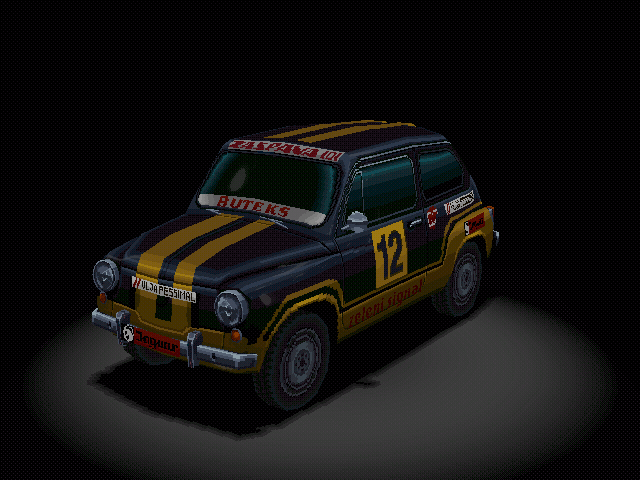
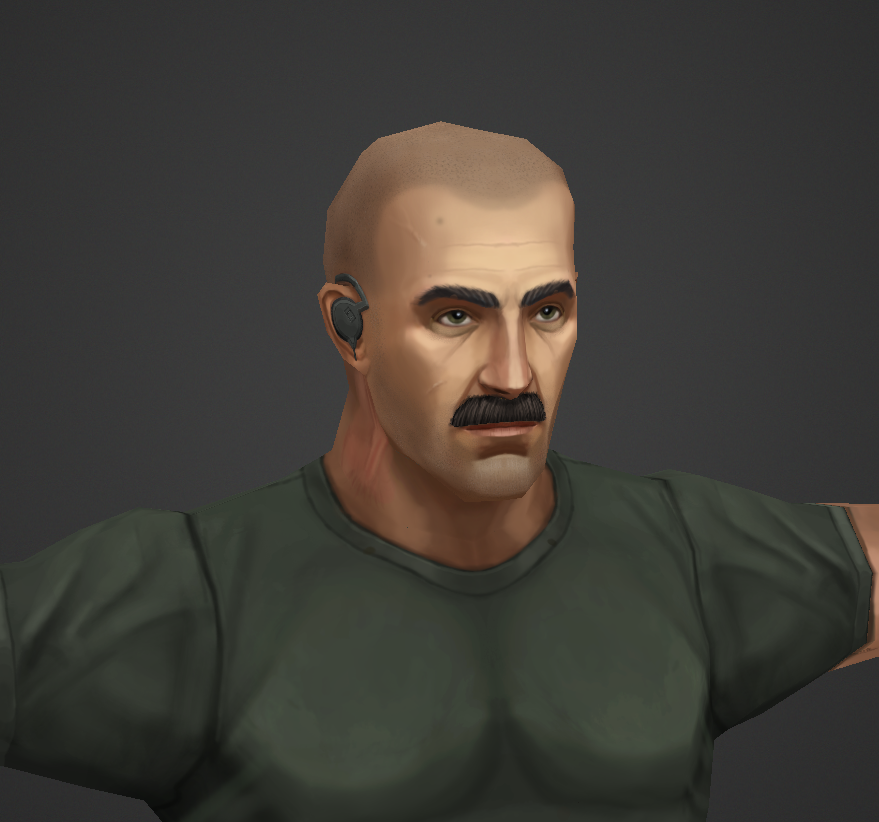
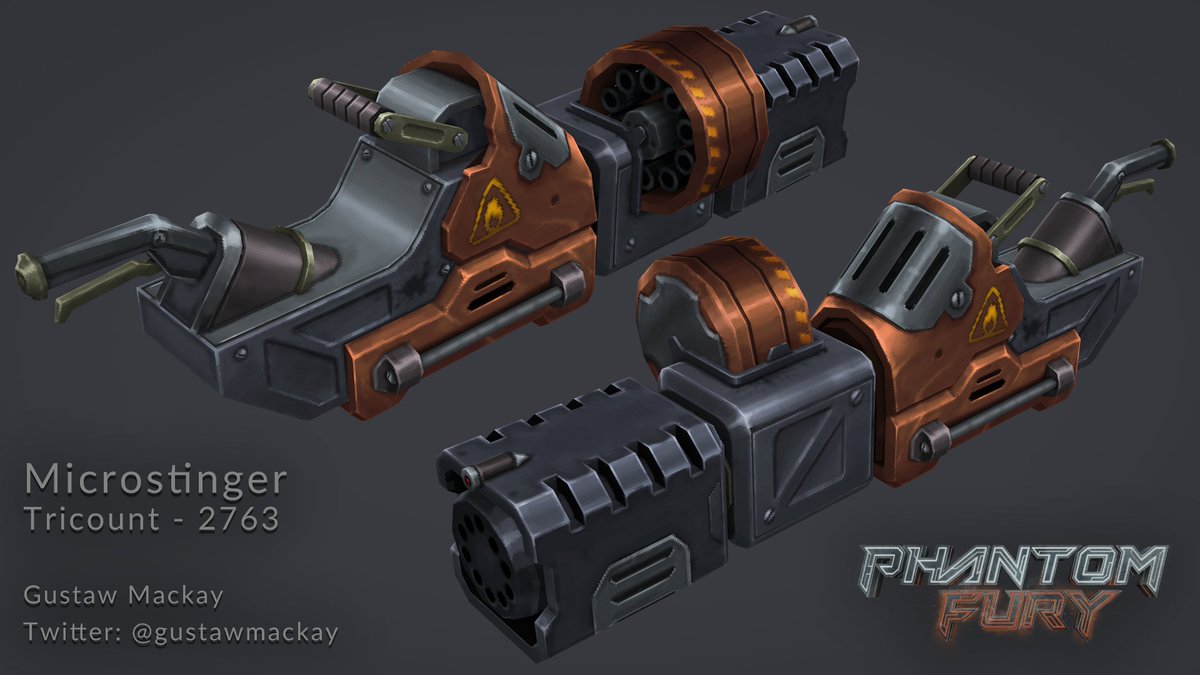
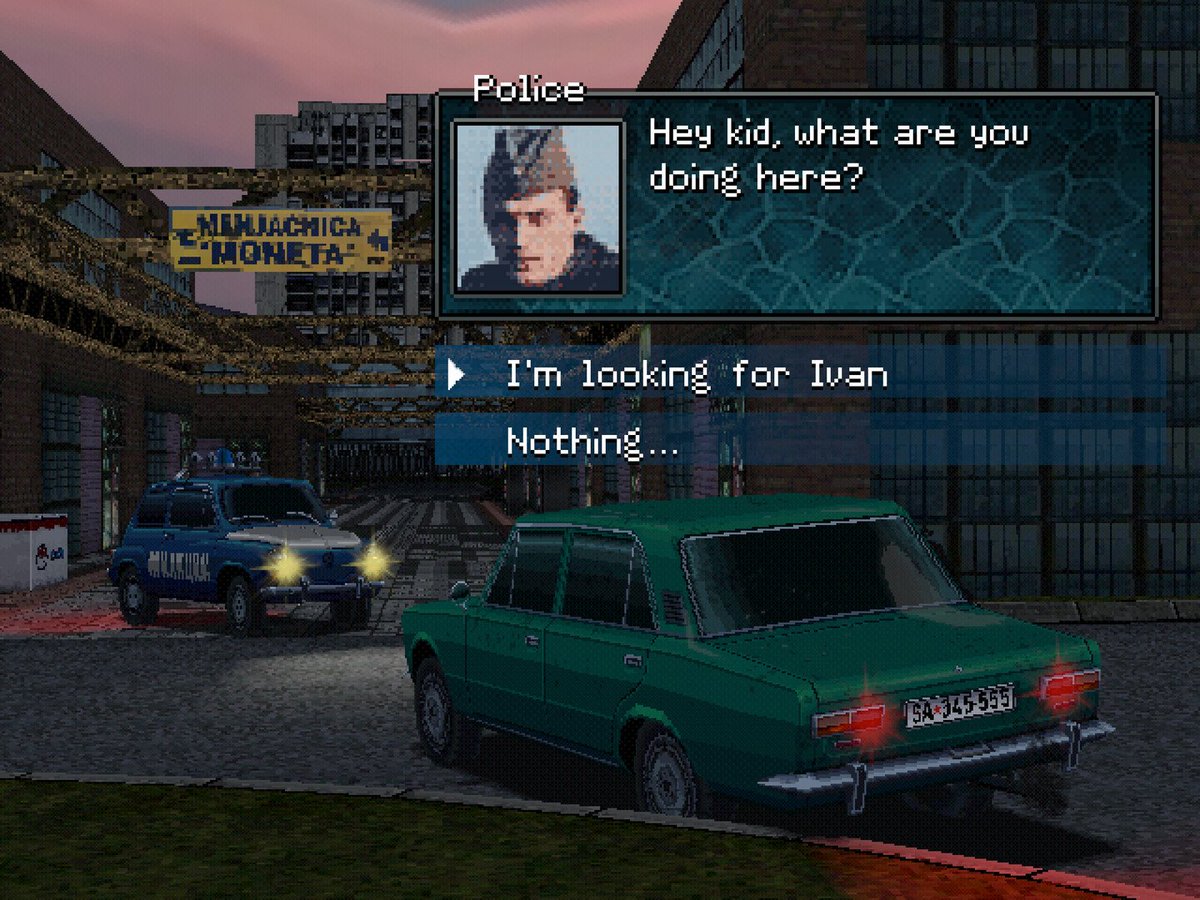
I'm looking for 3D art commissions!
After grinding full-time unpaid on my own game for months now, I have to make sure my ship doesn't sink😁
I specialise in retro graphics, PS1 and PS2, but can do everything else. Characters, cars, env, weapons, you name it.
English
