

Kai
201 posts

Kai
@crewofbeast
Chasing sunsets and blockchains 🌍💻 Living free on crypto, curating NFTs from every corner of the globe. Just me, my wallet, and endless adventures.
Katılım Ocak 2014
6 Takip Edilen199 Takipçiler

Prediction markets vs crypto trading.
Which one actually requires more conviction?
English
@MarioNawfal If negotiations are already narrowing gaps on uranium enrichment and sanctions, then this kind of ultimatum might complicate things rather than speed them up. i might be wrong.
English

Trump: IRAN HAS ONE WEEK TO MAKE A DEAL - w/ Col. Larry Wilkerson x.com/i/broadcasts/1…
English
English

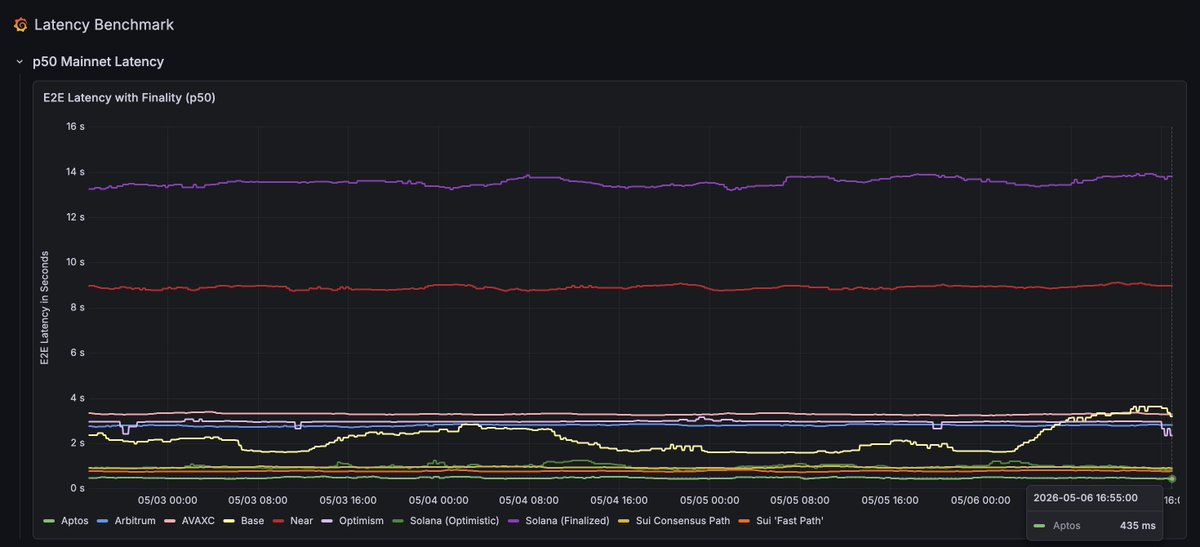
At Climate Week Zurich, Aptos Foundation and @Xange_com announced a partnership to bring the data behind a $100B+ sovereign mitigation pipeline onchain under the Paris Agreement.
@DecibelTrade has been selected as the onchain market layer.

English
@MarioNawfal The US has just given Iran the power they never had before. As always Trump keeps on messing up things when he is in power.
English


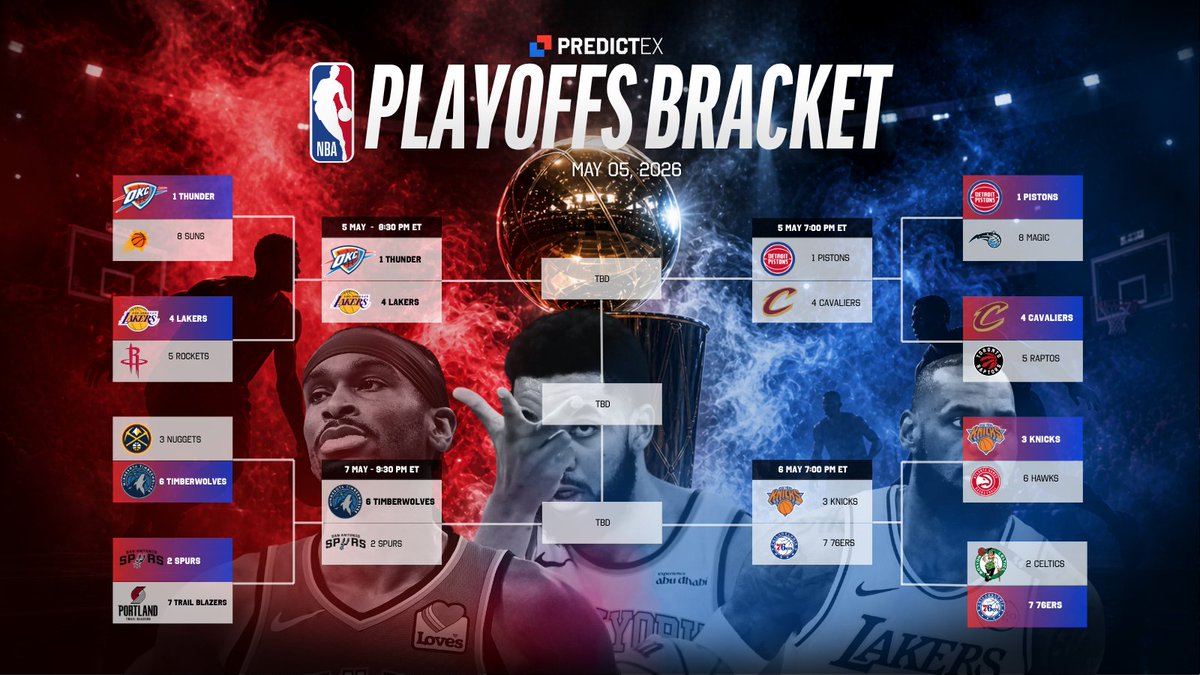
The Knicks came out swinging!
Minnesota already grabbed a road opener.
Now the board turns to Cavs-Pistons and Thunder-Lakers, where one result can move the whole playoff picture.
Every series looks live.
Place your predictions today!
PredictEX@PredictEX
ALL FOR THE PLAYOFFS This is where rotations get tight and every possession actually matters Stars gotta show up and games swing fast in the 4th Check the swings on PredictEX!
English
@MarioNawfal Went into an unplanned war and now Trump can't even get himself out of it. It's utterly shameful the position the United States of America is right now
English
TRUMP REFUSES TO HELP GULF - w/ U.S. Veteran John Jackson x.com/i/broadcasts/1…
English
@RobertSagurton Perps are a nightmare when you get frontrun by bots every time
English

"ETHNIC CLEANSING WAS DETAILED AND PLANNED" - Israeli-American Activist Miko Peled x.com/i/broadcasts/1…
English
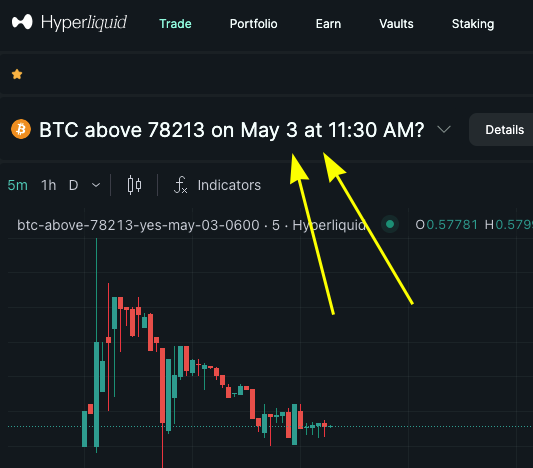
Hyperliquid launched prediction markets on May 2nd.
And the fee structure alone should scare Polymarket.
0% fee to open a position. Small fee to close. That's it.
Polymarket charges up to 2% per winning bets
But fees aren’t even the main story.
with one account and wallet on hyperliquid you get access to perps, spot, and prediction markets
no other platform does this today.
last week trust wallet integrated hyperliquid
Builders like Outcomexyz, Stratium, and many more are already shipping on HIP-4
But polymarket still has the edge on distribution, it has 18m users and hyperliquid has 1.2m
The real question isn't fees or users: it's whether crypto-native traders crossover into prediction markets at scale.
But when you can short btc and bet on a btc price outcome in the same account, same second...
that's a different product.
English
@multibank_io hmm winning mindset in finance is actually so underrated most people sleep on that
English

Proud to stand with a true Champion.
Your discipline, drive, and winning mindset inspire us as we build the future of finance together. 🏆🚀
khabib nurmagomedov@TeamKhabib
In every fight, corner is most important seat. Corner sees what fighter cannot. Corner stays calm when noise is loudest. I do not put it on things I do not believe in. I have said no to many. Today I am saying yes. I am partnering with @multibankgroup, their crypto platform @multibank_io, and their utility token @MBGtoken. Established 2005. 18+ licenses. $29 billion assets
English
@MarioNawfal It is time the UAE seeks out other option just to protect their territory from the strikes of Iran. The US us alone cannot provide them protection.
English
IRAN HOLDS TALKS WITH CHINA - w/ Lt. Gen. Ben Hodges x.com/i/broadcasts/1…
English
@MarioNawfal The Arab army often loses to the western army 🤔? This is some interesting information Mario 👍. I hope this apply to this war too
English

For 10,000 years the deal was the same.
You trade hours. You get money. You die before you ever owned the time back.
That deal worked because intelligence was scarce: locked inside human skulls, rented by the hour, taxed by sleep.
Intelligence is not scarce anymore. It can be deployed. Duplicated. Run in parallel across timezones you'll never visit, in conversations you'll never see, closing work you'd never have time for.
The last generation that had to trade time for money is alive right now. You're in it.
What are you building while you still have the time to build it?
superpower.io

English
@multibank_io @TheBlockGlobal ok but who else is lowkey curious what the crypto desk setup looks like in person
English
That was a week. 🔥
The ⬡ mb io team was out in full force at @TheBlockGlobal Festival.
Missed us? Don't worry.
Our Crypto desk is still live at One Central. Drop by. 👀🤝
English

The new @LiquidNftMarket platform is looking incredible - we can’t wait to show you!
Liquid NFTs@LiquidNftMarket
Good morning -happy May Day! It looks like some of our wonderful creators are waking up ready for our relaunch this week - we can’t WAIT to be reunited with these beauties @TheEternals @ANONNFTGROUP Keep your eyes peeled… 👀 #BNBchain #BESCHyperChain #ETH #Polygon #Roburna @liquidNFTMarket @cryptomagz @FUSDFinance
English
@MarioNawfal I get the security concern, but this keeps escalating instead of calming things down. There’s no real off-ramp here.
English
TRUMP ANNOUNCES OPERATION TO ESCORT SHIPS - Fmr. CIA Analyst Larry Johnson x.com/i/broadcasts/1…
English
Trump Bombed Iran for Netanyahu’s Ego - w/ Ex-AIPAC Richard Forer x.com/i/broadcasts/1…
English
@MarioNawfal Regional patterns are similar in Burkina Faso and Niger
Military governments are making similar choices.
It’s a wider Sahel trend 🥱
English
Mali's Government Is Collapsing In Real Time - w/ Journalist Wassim Nasr x.com/i/broadcasts/1…
English