
Christiaan JM Vrints
576 posts

Christiaan JM Vrints
@cvrints
Emeritus full professor University of Antwerp Past Chairman dept of Cardiology Antwerp Univ Hospital Past EiC Eur Heart J Acute Cardiovasc Care
Antwerp, Belgium Katılım Mart 2010
371 Takip Edilen729 Takipçiler

Very soon, we will be assessing PCI results with non-invasive imaging.
This case shows a left main crossover PCI to the LAD, where our main question was the result at the ostium of the circumflex.
#CCTA will rapidly become an important tool not only for planning PCI, but also for evaluating its final result.
@crfheart @PCRonline @SCAI @Heartflow @ACCinTouch @JACCJournals @ESC_Journals
English
@DFCapodanno @ihtanboga @ehj_ed @thiele_holger Du choc des ideas jaillit la lumiere! Let’s keep sparking ideas and debates on cardio X!
English

#cardioX is more alive than ever. On the same day that @ihtanboga delivers two incredible articles on COBRRA and SELUTION DeNovo, and a masterclass no one interested in biostatistics and trial interpretation should miss, @ehj_ed publishes a debate I joined with @thiele_holger, @cvrints, and others on the significance of the RF-CL model for estimating pre-test probability of coronary artery disease. This article actually originated from the X discussion shown below, where @ihtanboga had also shared a valuable calculator, and I learned a lot from @cvrints as well. These coincidences close the circle. Long live the sparks between scientific literature and social media that keep the debate alive.
academic.oup.com/eurheartj/adva…
Davide Capodanno@DFCapodanno
There is one thing that, even as a reviewer and despite having pointed it out during the process, I really haven't understood about the new ESC guidelines for chronic coronary syndromes. Using the new Risk factor-weighted clinical likelihood (RF-CL) model, one can calculate individual risk based on symptoms, sex, and the number of cardiovascular risk factors, and so far so good. In this way, the calculable pre-test probability scores range from 0 to 45%. However, the recommendations for additional diagnostic tests are also applicable to patients with a risk higher than 45%. Now, how does one calculate a pre-test probability higher than 45% based on the RF-CL? With risk enhancers like PAD, resting ECG, etc.? With the calcium score? In fact, the calcium score can be used to determine the new pre-test probability, but I don’t think this is a good reason to perform it on everyone, also because its value lies mainly in recategorizing patients into the very low-risk group when it is zero. However, it seems you cannot determine the new pre-test probability with risk enhancers, unless it is meant that the presence of one of these factors automatically shifts the patient into at least the moderate-risk category. In short, if anyone has figured out how to arrive at the precise number for values above 45%, they’d be doing me a favor, because I can't understand it from the text.
English
Christiaan JM Vrints retweetledi
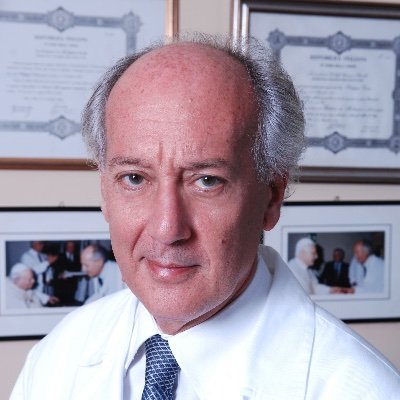
Outcomes of heart failure with reduced, mildly reduced, or preserved ejection fraction: the ESC HF III registry. Read more in EHJ.
ow.ly/Hl0v50Ynt58
#EHJ #cardiotwitter #heart #failure #preserved #ejection #fraction @ESC_journals @escardio
English
@ColletCarlos @JAHA_AHA @JACCJournals @TCTConference @crfheart @PCRonline 🤔Which contrast medium was used? I remember seeing flocculation when papaverin was mixed with Ioxaglic acid (Hexabrix).
English
We’ve used intracoronary papaverine as our hyperemic agent in ~5,000 consecutive physiologic assessments.
In our experience, VT occurs in ~1% of cases — and women appear to have ~4× higher risk.
@JAHA_AHA @JACCJournals @TCTConference @crfheart @PCRonline
Incidence of Papaverine‐Induced Ventricular Arrhythmias | Journal of the American Heart Association ahajournals.org/doi/10.1161/JA…
English
Christiaan JM Vrints retweetledi

The clock is ticking - join as at #ACVC26
REGISTER HERE 👇
escardio.org/events/congres…
@escardio @ACVCPresident @drmilicaa @ESC_Journals @maria_bergami @FH_Verbrugge @franciscojlk @ehj_ed @rafavidalperez @sionis_a @HannahSchaubro1 @JasonKatzMD @seanvandiepen @cvrints

English
@Richmuskheart1 Yes, a bike dynamo. Its wire always gets disconnected. Very annoying when it is dark!
English
Christiaan JM Vrints retweetledi
The SCAPIS study published in JAMA
~25,000 🇸🇪 participants, ~8 years follow-up. Adding coronary CT angiography #CCTA plaque information improved event prediction beyond clinical risk and calcium score.
This is the first study showing the added value of CCTA on top of the calcium score for risk prediction.
🎯 What to look for: lipidic soft (non-calcified) plaque.
👀 Practical takeaway: Consider a CT angiography for risk stratification on top of the calcium score.
Link: jamanetwork.com/journals/jama/…
🎥 Posting my avatar summarizing the study.
English
Christiaan JM Vrints retweetledi

Holiday season is at the end and do you know what comes next?
The first @escardio congress of the year #ACVC26
TOMORROW is the deadline for late breaking clinical trial submissions - if you have some raw research you still have time until noon CET
And don't forget to register for an early fee discount - 7 days left.
See you 🔜 in Lisbon. 🇵🇹 escardio.org/Congresses-Eve…

English
@ColletCarlos @JACCJournals @crfheart Correct point of view, but you meant epicardial coronary artery disease.
English
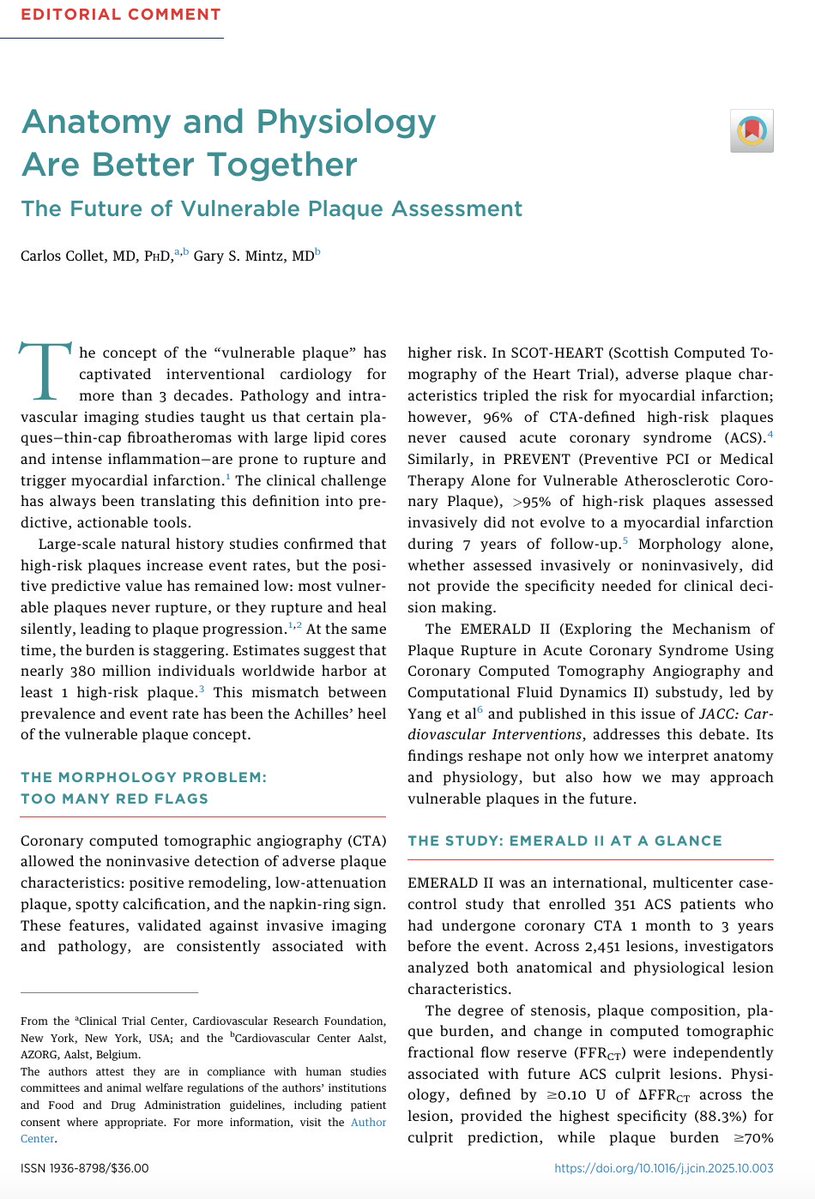
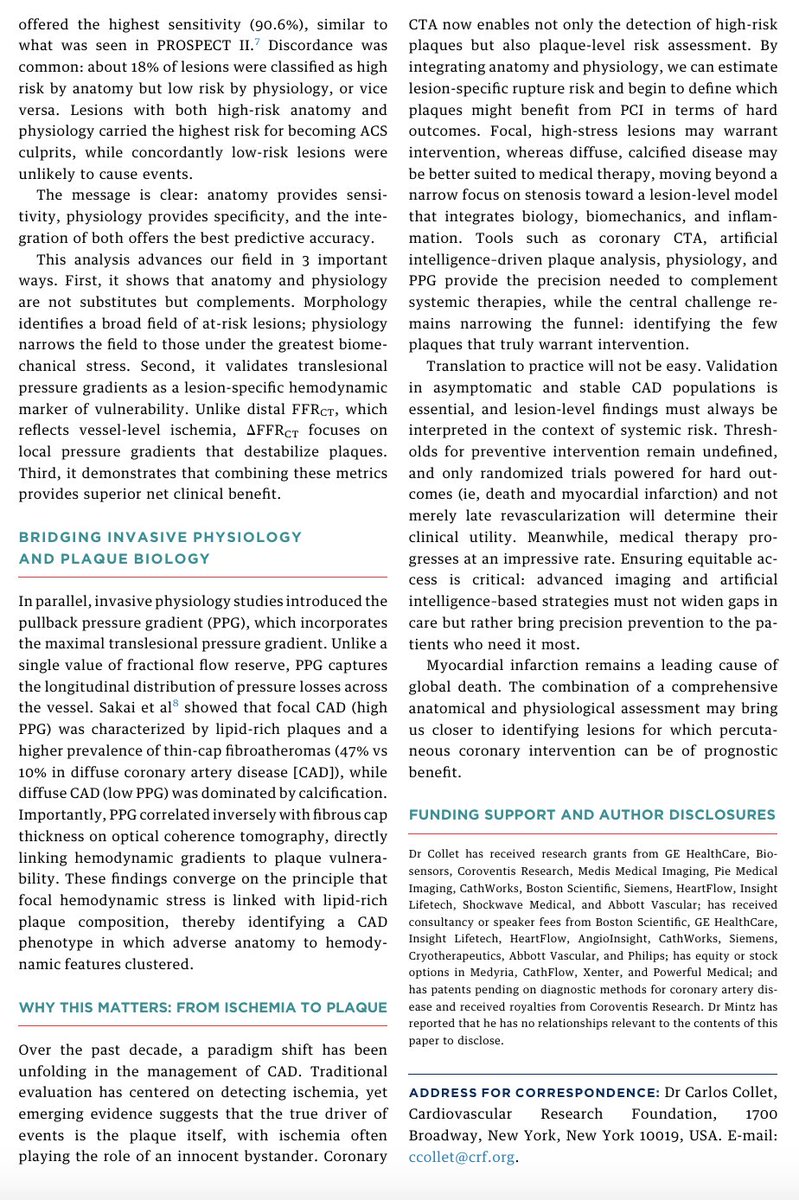
We’re moving at an unprecedented pace in understanding atherosclerosis.
The real breakthrough will come from combining morphology + physiology to define lesion-level risk.
Our editorial @JACCJournals @crfheart
English
Christiaan JM Vrints retweetledi
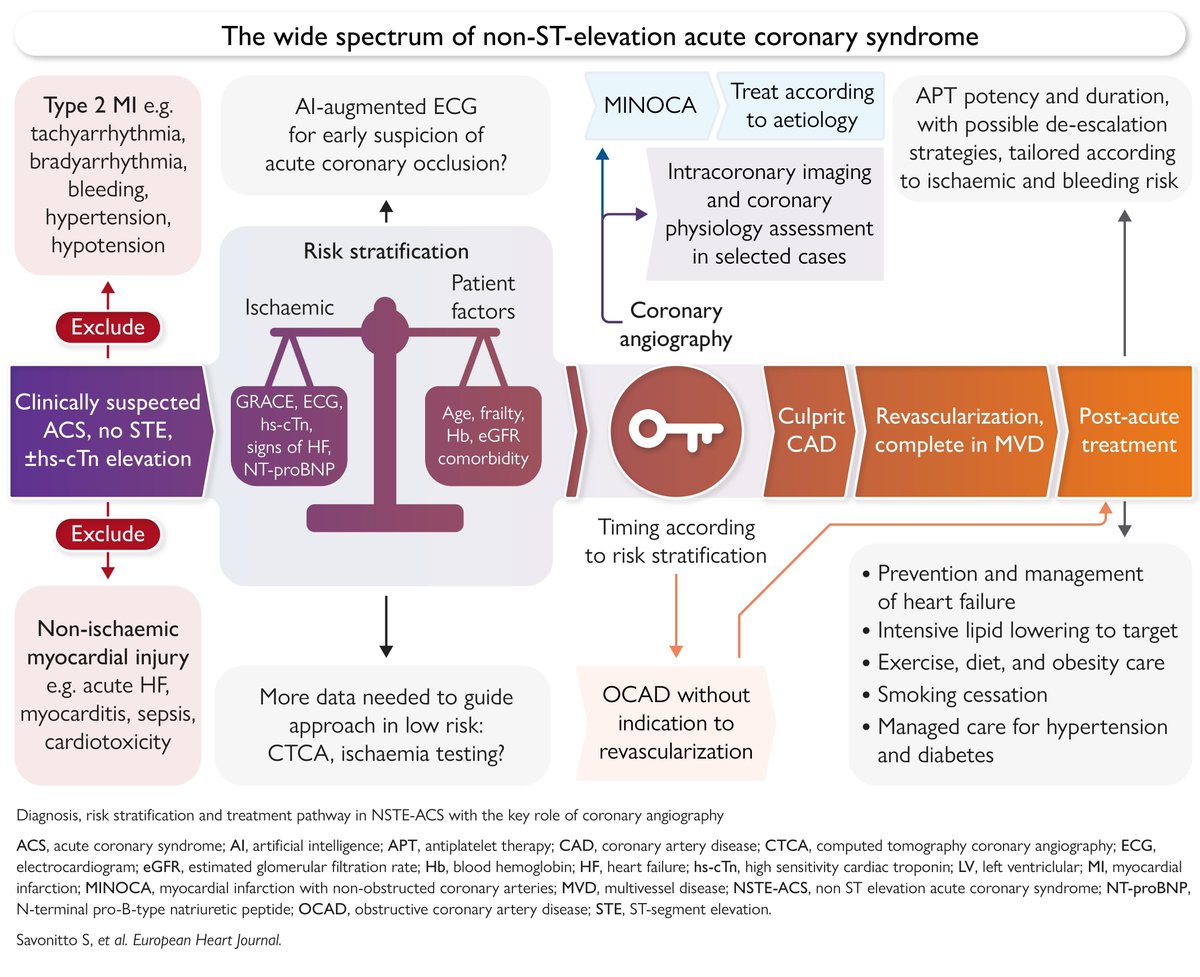
Non-ST-elevation acute coronary syndrome gets a fresh deep dive, revealing its full spectrum and why tailored, smarter management matters more than ever. Read more in #EHJ. doi.org/10.1093/eurhea…
#ACS #cardiotwitter @ESC_Journals @escardio
English
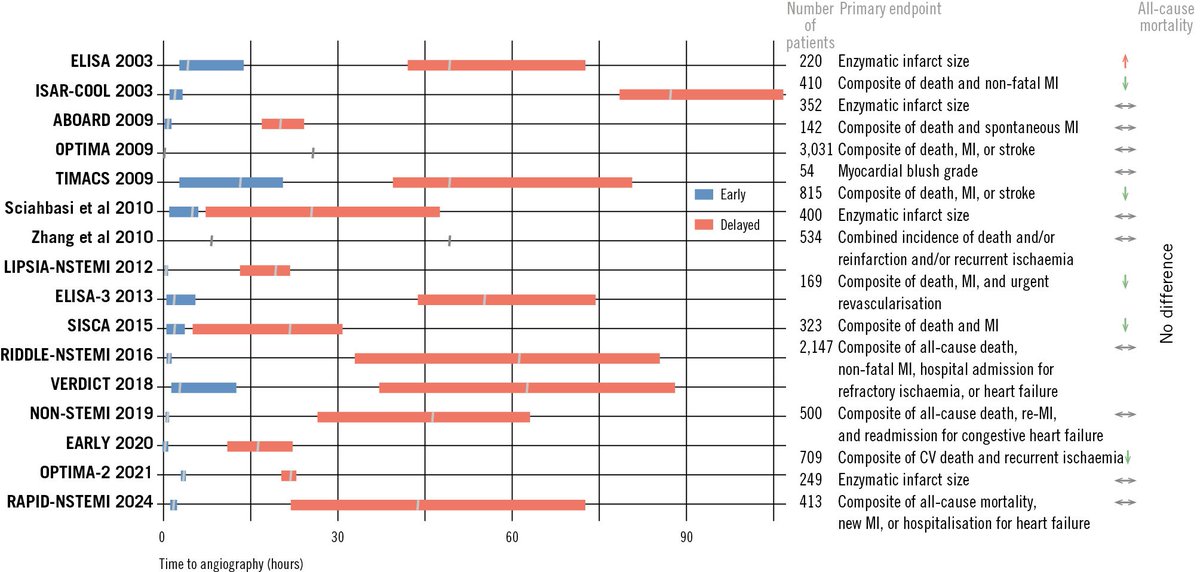
@DFCapodanno I agree that NSTEMI is challenging and that its long-term outcomes are similar to STEMI. However, isn’t there also a concern about overdiagnosis—and consequently overuse of PCI—because myocardial injury and type II MI are often misinterpreted?
English
We always talk about STEMI—and rightly so—but shouldn’t we also focus on NSTEMI? It is no less challenging; in fact, in several respects it is even more complex, as patients are typically older, more often multivessel, and clinically more difficult to manage. This is why this state-of-the-art review on the diagnosis, risk stratification, and early management of non–ST-segment elevation acute coronary syndromes, in my view, deserves careful reading. eurointervention.pcronline.com/article/diagno…
English
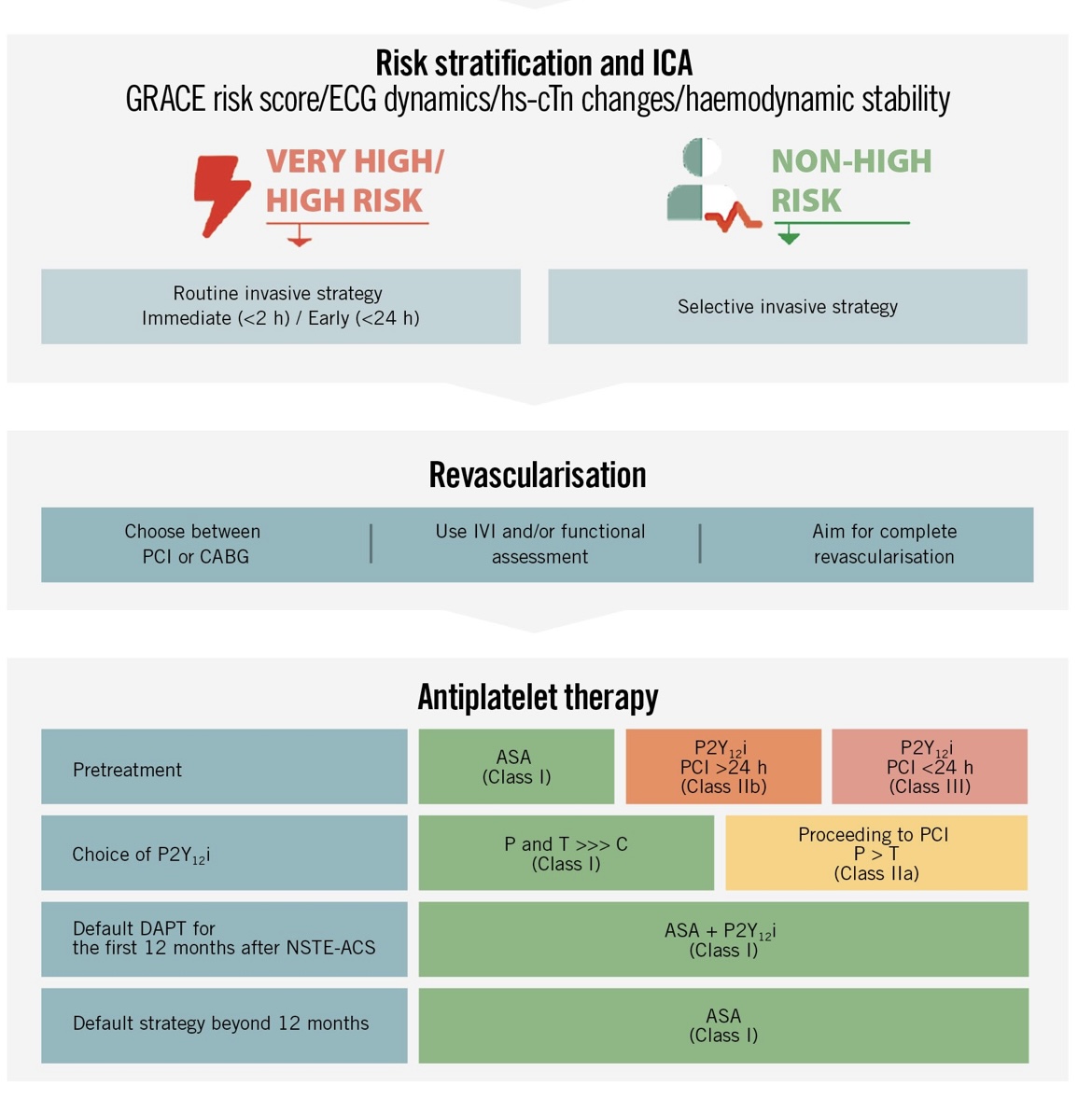
@PLooserMD @DFCapodanno See the 2024 ESC guidelines for the management of chronic coronary syndromes... doi.org/10.1093/eurhea…
English

@DFCapodanno What is your opinion on the use of aspirin long term (ie after one year) as opposed to clopidogrel?
English
Christiaan JM Vrints retweetledi
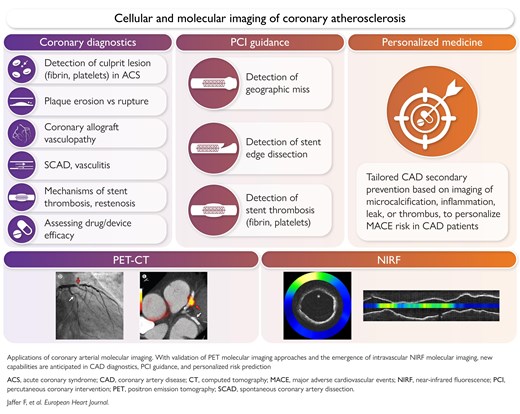
Advances in imaging and hardware technologies created the opportunity for clinical visualization of molecules and cells that underpin atherosclerosis pathobiology. Read the new state of the art review!
doi.org/10.1093/eurhea…
#imaging #CardtoCT #OCT #cardiotwitter, @ESC_Journals, @escardio
English
@ehj_ed @escardio @ESC_Journals Again, a masterwork from Patrick Serruys, consistently visionary in his forward-looking perspectives on ischemic heart disease management and influential in defining its conceptual future!
English
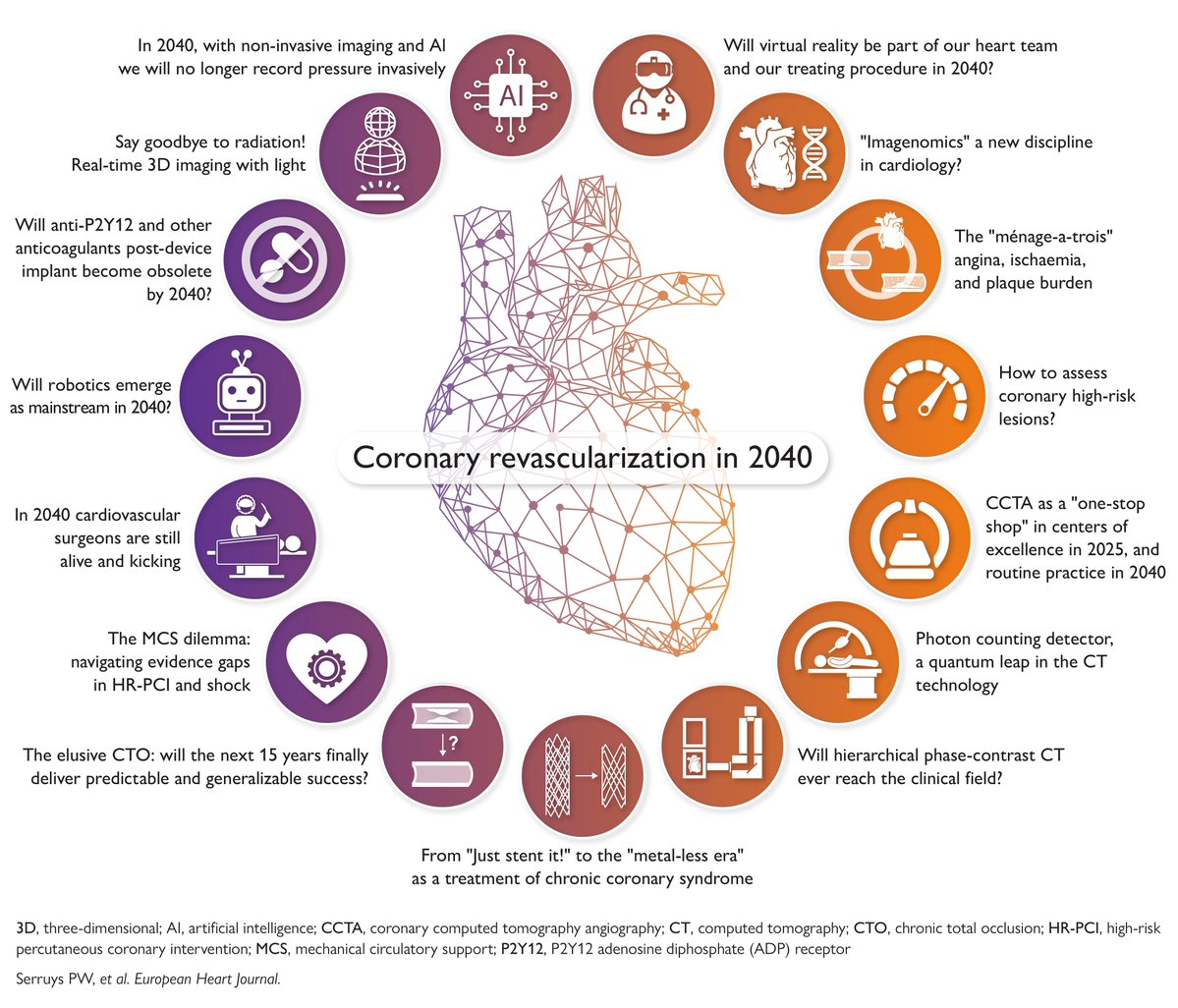
A must-read paper in #EHJ!
Coronary revascularization: a long-term perspective.
A State-of-the-Art review forecasting advancements by 2040, drawing on historical trends and recent breakthroughs.
@escardio @ESC_Journals #CardioTwitter
academic.oup.com/eurheartj/adva…
English
Excellent talk @TCT2025 on bringing Coronary CT Angiography Into the Cath Lab! crfconnect.com/episode/bringi…
English
@gbiondizoccai @Medtronic It is not a problem if you do not pull it back into the guiding catheter. It becomes problematic if you cannot advance the stent through the stenosis. Decrimping happened frequently with self-crimped Palmaz-Schatz stents.
English

Just happened today! Have you ever faced stent decrimping during PCI? How did you manage it? In this case it was a Medtronic Onyx Frontier device @Medtronic

English
@DFCapodanno @TCTMD @PCRonline Impressive image quality!
Coronary PCD-CTa soon replacing invasive coronary angiography?🤔
English
This study indicates that photon-counting detector computed tomography (PCD-CT) provides high diagnostic accuracy for detecting in-stent restenosis in patients with prior coronary stents. This suggests that PCD-CT may be reliably used to evaluate suspected obstructive coronary artery disease in both stented and unstented coronary segments. eurointervention.pcronline.com/article/photon…

English
Română
We authored this state-of-the-art review, now published in JACC, to provide an updated, comprehensive overview of post–myocardial infarction inflammatory mechanisms and to critically evaluate the emerging clinical evidence on anti-inflammatory therapies for secondary cardiovascular prevention. jacc.org/doi/10.1016/j.…

English
English
Coronary CT will become the non-invasive standard to evaluate patients with stents
It will also help in understanding the root cause of stent restenosis (mechanical vs. neoatherosclerosis) and guide treatment
@djc795 @ziadalinyc @Heart_SCCT @SCAI @crfheart
eurointervention.pcronline.com/article/photon…

English
Christiaan JM Vrints retweetledi

Helemaal akkoord met @prevotmaxime: "“We mogen geen veralgemening maken tussen de joodse gemeenschap, de Israëlische bevolking en het beleid van Netanyahu.”
Ik hoopte dat de culturele wereld dit altijd zou begrijpen en verdedigen.
nieuwsblad.be/regio/oost-vla…
Nederlands