Aman Dalmia

2.2K posts

Aman Dalmia banner
Aman Dalmia

Aman Dalmia

@dalmiaman

Building AI tools to solve problems in education, health and climate change

Bengaluru, India Katılım Kasım 2016
330 Takip Edilen859 Takipçiler
Aman Dalmia retweetledi

Archit
Archit@archit_singh15·
AI that forgets is brittle. AI with memory can reason. At #PyConIndia2025, I’ll present "Memory is the Agent: Architecting Stateful Reasoning", explaining why memory must be the backbone of intelligent systems. #Python #AI #Intelligent #memory #pythonprogramming @pyconindia
PyCon India@pyconindia

Insights, inspiration, and Python power! 🐍 Be there for Archit Singh’s session on “Memory is the Agent: Architecting Stateful Reasoning” at #PyConIndia2025 Tickets still open: in.pycon.org/2025/tickets/ Conference schedule: in.pycon.org/2025/program/s… #TechTalk #conference #Python

English
3
2
1
318
Aman Dalmia retweetledi
Varun Mayya
Varun Mayya@waitin4agi_·
If you’re worried every job is going to be reduced to prompting I can assure you I’ve seen a lot of people prompt and they can’t even tell the computer what they want clearly.
English
95
108
2.4K
107.8K
Aman Dalmia
Aman Dalmia@dalmiaman·
@sh_reya Do you prefer using cursorrules or project rules or both?
English
0
0
0
48
Aman Dalmia retweetledi
Dilip Kumar
Dilip Kumar@kmr_dilip·
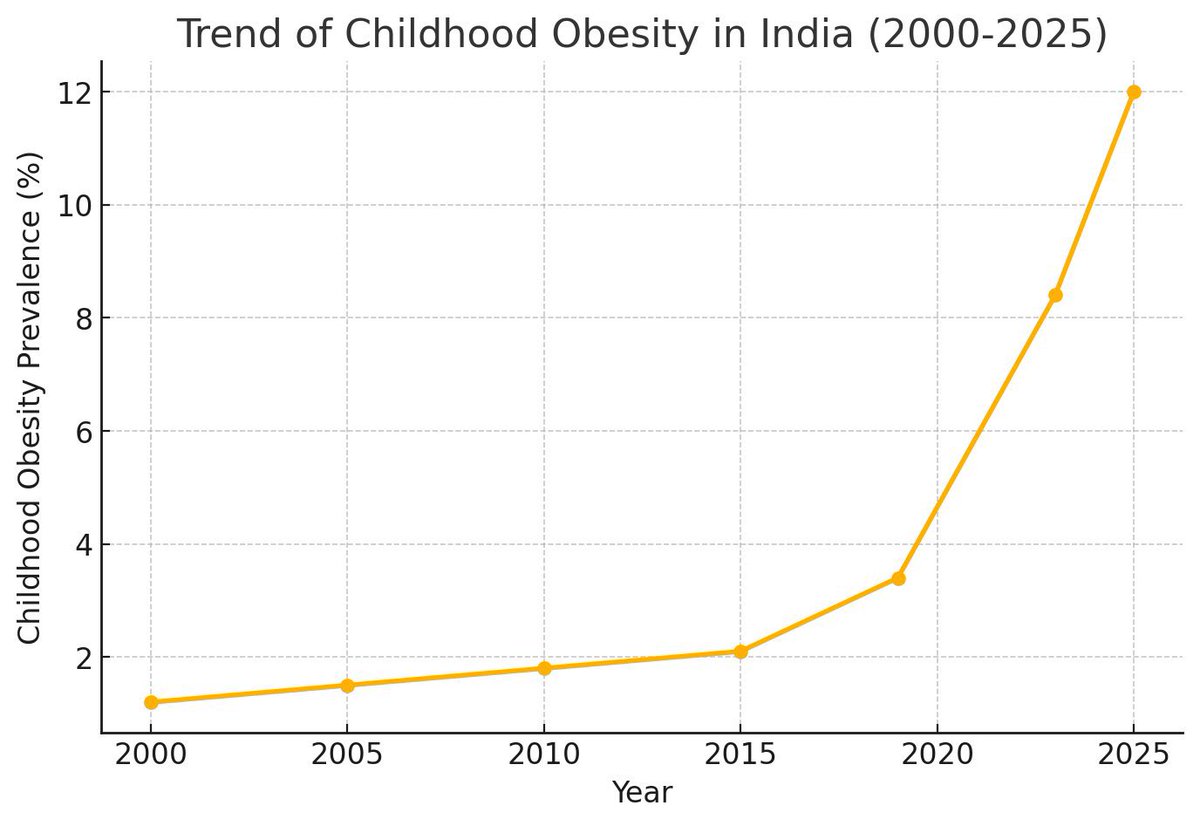
More than 33 million children in India today are overweight or obese. Every parent, teacher & policymaker needs to see this. It’s a silent epidemic & we’re not talking about it enough. It’s a $30 billion market for the processed & junk food companies. We’ve to act now.
Dilip Kumar tweet media
English
26
29
165
22.9K
Aman Dalmia retweetledi
pragun
pragun@pragdua·
great relationship with your mom 101: - talk to her everyday till she hangs up (important) - regular good mornings & good nights - create talking points with her (share mundane gossip, complain about your day) - gift her a smartwatch so you can compare step counts every day (i use apple, it has a compete feature) also has the added bonus of keeping her healthy - be intentional in expressing love (ex. get over the awkwardness of hugging your mom and do it often)
skooks@skooookum

Every week I call my mom. We generally talk for 30 minutes and then I hang up. Today I set out to talk to her until she decided she decided it was time to hang up. We talked for took one hour and forty-three minutes.

English
49
309
4.7K
925.5K
Aman Dalmia
Aman Dalmia@dalmiaman·
Note: the videos and images linked here are not mentioned in the book. I picked up them for my reference and included them. Throughout the post we touched upon the importance of preventing injury. This is where stability comes in, which will be the focus of the next post. Hope you learnt something interesting. Till next time.
English
0
0
0
47
Aman Dalmia
Aman Dalmia@dalmiaman·
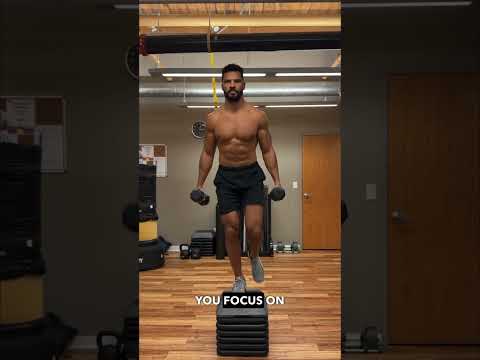
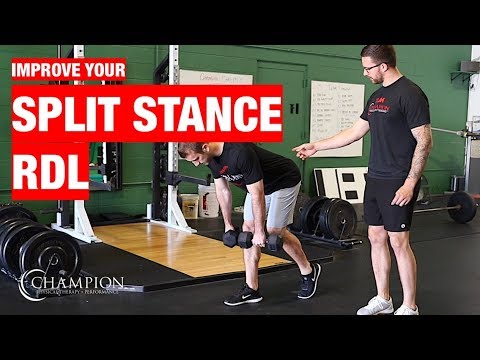
Hip-hinging movements For these movements, we bend at our hips. REMEMBER: we should not bend our spine. They allows us to harness our body’s largest muscles—glutes and hamstrings. These movements are critical to life. For example, when we get up from a chair or try to pick up something we dropped, we are doing a hip hinge. Hip hinging with a heavy load (for example, during a deadlift or a squat) comes with an injury risk. We can start with single-leg step ups and split stance Romanian deadlift (either without weights or very light weights). youtu.be/saZ7APjgpZ4 Check out the Step Up tutorial by Peter Attia here: peterattiamd.com/outlive/videos/ Split-stance Romanian deadlift youtu.be/kJX3GTJ8TOc Work up to heavier weighted hip-hinging very slowly.
YouTube video
YouTube
YouTube video
YouTube
English
1
0
0
49
Aman Dalmia
Aman Dalmia@dalmiaman·
How to train for strength In general, to improve our strength, our training needs to be structured around the following as they are the most relevant to living a fulfilling and active life as we age: - Grip Strength - Attention to both concentric and eccentric loading - Pulling motions - Hip-hinging movements
English
1
0
0
62
Aman Dalmia
Aman Dalmia@dalmiaman·
The comfort crisis Unlike what most people believe, strength training is not about bigger biceps. It is largely about improving our ability to carry things. This was introduced in the book, The Comfort Crisis, where the author explains how we have removed all discomfort from modern life which has made us lose touch with the fundamental skills that once defined what it meant to be human. Carrying things over long distances is one such skill. Our ancestors had to go far and wide to hunt for food and carry their kills back to their camps to feed everyone. This gave them robust functional strength and endurance which was very protective. One way to bring carrying back into our lives is through rucking, which means hiking or walking at a fast pace with weights tied to our back. It can be improved further by avoiding carrying phones to give us a chance to be just with us, the nature or a friend. A good goal to aim for is being able to carry 25-33% of our body weight we develop enough strength and stamina. If we have the chance to go up and down an incline (e.g. a hill), it can help push our VO₂ max.
English
1
0
0
38
Aman Dalmia
Aman Dalmia@dalmiaman·
A 🧵on training for Zone 2, VO₂ max & strength as described by @PeterAttiaMD in his book "Outlive" ⬇️
English
1
0
1
95
Aman Dalmia
Aman Dalmia@dalmiaman·
Strength Our muscle mass begins to decline as early as our thirties. Our muscle strengths declines 2-3 times more quickly. We lose power (strength x speed) 2-3 times faster than strength. This is because as we age the biggest change in muscle is the withering away (“atrophy”) of our type 2 (“fast twitch”) muscle fibers. This is why our exercise regimen must be aimed at improving these by heavy resistance training. Zone 2 + VO₂ max => prevents the atrophy of type 1 muscle fibers Resistance training => prevents the atrophy of type 2 muscle fibres The curse of inactivity It takes a much longer time to gain muscle mass and strength than to lose it. Even a short period of inactivity can cause significant loss. This is another reason why preventing injury is very important as that can cause a long period of inactivity. Inactivity is dangerous. Period. Being sedentary + consuming excess calories is a recipe to accelerate muscle loss as one of the prime targets of fat spillover is muscle. This excess fat accelerates muscle loss through many ways—chronic inflammation which interferes with protein synthesis and accelerates muscle breakdown, insulin resistance, resistance to muscle-building activities and disrupting the stimulation of testosterone and growth hormone. Muscle loss, in its extreme form, is called sarcopenia. Someone with sarcopenia has: - low energy - feelings of weakness - problems with balance Sarcopenia is also a prime marker for a clinical condition called frailty, where a person meets at least 3 of 5 criteria: - unintended weight loss - exhaustion - low physical activity - slowness in walking - weak grip strength At this stage, it becomes very hard to increase muscle mass and strength. Bone Mineral Density (BMD) Another metric to track is bone mineral density (BMD) which follows the same trajectory as muscle mass described above. The decline is more severe for women after they hit menopause as estrogen is essential for bone strength in both men and women. Why this matters is the same reason as muscle—protection against injury and frailty—and should be checked every few years. Instead of intervening after the damage has been done, the idea is to intervene early. Hence, if low or declining BMD is detected in a middle-aged person, we can apply one of the following strategies: - Optimise nutrition, focusing on protein and total energy needs - Strength training, especially with heavy weights, stimulates the growth of bone more than impact sports like running/cycling/swimming. - Hormone Replacement Therapy (HRT) for women who have entered menopause, if needed. - Drugs to increase BMD, if needed. Strength training as retirement saving Strength training is like retirement saving in 2 ways: - We want to enter old age with a surplus of muscle so that it can protect us from injury and allow us to continue doing whatever we want to do. - It compounds over time. The more we build up early on, the better off we will be in the future.
English
1
0
0
31
Aman Dalmia
Aman Dalmia@dalmiaman·
How to train VO₂ max - While Zone 2 training automatically increases one’s VO₂ max, increasing VO₂ max requires separate training of its own, typically introduced 5-6 months after steady Zone 2 work. - High Intensity Interval Training (HIIT) intervals are very short (seconds). VO₂ max training ranges from 3-8 minutes and are slightly less intense. One can use either a stationary bike or a rowing machine or a treadmill. A single workout per week focused on VO₂ max is often enough. What a single workout session should look like: - ~4 minutes at the maximum pace that can be sustained for this duration of time; not an all-out sprint but still a very hard effort. - Then, take it easy for 4 minutes for the heart rate to come down to ~100 beats per minute. It is super important to be fully recovered before beginning the next set otherwise we won’t be able to give it our best and won’t get the desired adaptation. - Repeat this for 4-6 times. - We must give ourself enough time to warm up and cool down from this intense effort.
English
1
0
0
34
Aman Dalmia
Aman Dalmia@dalmiaman·
Maximal Aerobic Output: VO₂ max A VO₂ max effort is at the opposite end of Zone 2. It requires much higher intensity, often only for a few minutes, but still short of an all-out sprint. At VO₂ max, we use a combination of aerobic and anaerobic pathways to produce energy but we are at our maximum rate of oxygen consumption. Oxygen consumption is the key here. How is it measured? Measuring VO₂ max is an unpleasant experience as it requires running on a treadmill at a very high intensity while wearing a mask designed to measure oxygen consumption and carbon-dioxide production. The peak amount of oxygen we consume, typically close to the point at which we just can’t keep going, is called VO₂ max. Why does VO₂ max matter? - It is strongly correlated with longevity. - VO₂ max is a good proxy measure of our physical capability. - It declines steeply with age (roughly 10% per decade, upto 15% after the age of 50) and this decline corresponds to diminished functional capacity. What seems easy when we are young or middle-aged becomes difficult (even impossible) as we age. It is important to understand the gravity of this. A moderately fit 35-year old (VO₂ max in the mid-thirties) will be able to run one mile in 10 minutes. But by the age of 70, only the fittest 5% will be able to do so. This can similarly be extended to the different kinds of activities listed in the chart above. - Improving VO₂ max by any amount will increase both our lifespan and our quality of life. Going from the very bottom quartile of performance to the next quartile reduces all-cause mortality (death due to any cause) by 50%. Goal - The more active we want to be as we age, the more we have to train for it now. - Train for as high a VO₂ max as possible. Ideally, we should aim to be in the elite range for our sex and age. - Once we are there, we should aim to get into the elite range for 1 decade younger, and so on. - It is never too late to improve our VO₂ max. It will be hard work over a long period of time. Longer and more focused training can yield large gains over an extended period of time (years, not weeks). We have to think of this as a lifelong project. - What most of us really need in our aerobic fitness is the ability to go slow for a long period of time (Zone 2) while being able to go hard and fast when needed (VO₂ max).
Aman Dalmia tweet media
English
1
0
0
39
Aman Dalmia
Aman Dalmia@dalmiaman·
Protocols For a sedentary person, it is very easy to start training in Zone 2. Brisk walking might be enough. As one gets fitter, they need to increase the intensity (maybe start jogging) to get into Zone 2. There are many ways: cycle/walk/jog/swim/run. The key is to find something that fits our lifestyle and we enjoy doing. Two 30-minute sessions per week is a good starting point. But in steady state, around ~3 hours per week (or four 45-minute sessions) are a minimum for people to derive a benefit and make improvements. Some machines let us measure the power output of our Zone 2 workout. 2 watts/kg is a good number for a reasonably fit person, 3 watts/kg for a very fit person and 4 watts/kg for professional athletes.
English
1
0
0
43
Aman Dalmia
Aman Dalmia@dalmiaman·
How exercise helps fight chronic diseases Muscle is the largest storage sink for glucose. By increasing our mitochondria, we increase our capacity for converting it to fuel instead of having glucose end up as fat or in our blood. Chronic blood glucose elevation wreaks havoc in the body. The glucose uptake while exercising is 100 times more than when we are at rest. Typically, a hormone called insulin mediates the glucose uptake. When the body detects a rise in our blood glucose, our pancreas secretes insulin which prompts our cells to absorb glucose from the bloodstream, helping moderate the level of blood glucose. During exercise, another pathway is also used to facilitate this glucose uptake, one that transports glucose directly across the cell membrane without insulin being involved (non-insulin-mediated glucose uptake or NIMGU). This is why exercise can be very effective in managing both type 1 and type 2 diabetes. Type 1 diabetes: when the body is unable to produce insulin altogether Type 2 diabetes: the body develops insulin resistance where even though insulin is being produced, it does not promote the glucose uptake described above, leaving our blood glucose levels elevated Through NIMGU, one can bypass the insulin resistance to bring down the blood glucose levels purely by exercising and those with type I diabetes can get by with injecting much lesser insulin into their body. Zone 2 also improves cognition by increasing cerebral blood flow and stimulating the production of BDNF (brain-derived neurotrophic factor) which keeps our hippocampus healthy, the part of our brain that plays a key role in memory. This is why it is important for the prevention of brain-related disorders like Alzheimer’s and dementia.
English
1
0
0
39
Aman Dalmia
Aman Dalmia@dalmiaman·
Consequence of an unhealthy mitochondria Those with unhealthy mitochondria quickly switch from aerobic respiration—burning fat and glucose in the mitochondria with oxygen—to the less efficient glycolysis—the energy producing pathway that consumes only glucose and produces a lot of lactate, making the effort quickly unsustainable. Those with less efficient mitochondria also have much higher resting lactate levels, meaning that their mitochondria is already working too hard just to maintain baseline energy levels. This means that they rely primarily on glucose as their fuel source to meet their energy needs and are unable to access their fat stores. Thus, those who are most in need of using their fat stores as a fuel source and who have an abundance of it are unable to tap into it while the healthiest ones are able to do it very easily due to their metabolic flexibility. A significant marker of aging is a decline in the number and quality of our mitochondria. But it is plastic. With aerobic workouts, we can stimulate the creation of new, more efficient mitochondria while getting the dysfunctional ones recycled out. But if we don’t use them, we will lose them.
English
1
0
0
39
Aman Dalmia
Aman Dalmia@dalmiaman·
How to detect if we are in Zone 2? There are many different ways: - Keep a lactate monitor—our lactate levels should be between 1.7-2 millimoles. But most people won’t do this. So, let’s consider more practical options. - Measure our heart rate. In Zone 2, our heart should be somewhere between 70-85% of the maximum heart that we have ever recorded on a heart rate monitor. - Rate of Perceived Exertion (RPE) or the “talk test”: We should be able to speak but not interested in holding a conversation.
English
1
0
0
36
Aman Dalmia
Aman Dalmia@dalmiaman·
Why does Zone 2 vary for different people? Every person, depending on their fitness level, has a different Zone 2. The Zone 2 (low-moderate intensity) for a professional cyclist might be the Zone 5 (very high intensity) for a sedentary person. But why is that? When we operate in Zone 2, we utilise our type 1 (or “slow-twitch”) muscle fibers, which are dense with mitochondria and hence, suited for slow, efficient endurance work. But if we increase our pace, we start recruiting our type 2 (or “fast-twitch” muscle fibers) which are less efficient but more forceful. They also generate more lactate because of how they produce energy. This lactate pairs with hydrogen ions to produce lactic acid which is responsible for the acute burning sensation that we feel during a hard effort. Lactate is super important and it literally defines Zone 2. Another, more specific, definition of Zone 2 is the maximum amount of effort we can maintain without any net increase in lactate, i.e. the amount of lactate being produced is equal to the amount being cleared away by the mitochondria. The more efficient the mitochondria, the more lactate gets cleared away and hence, the more effort we can sustain in Zone 2. Hence, someone with a healthier and more efficient mitochondria has a different Zone 2 than a sedentary or mildly active person.
English
1
0
0
36