だめ人間のチェス retweetledi

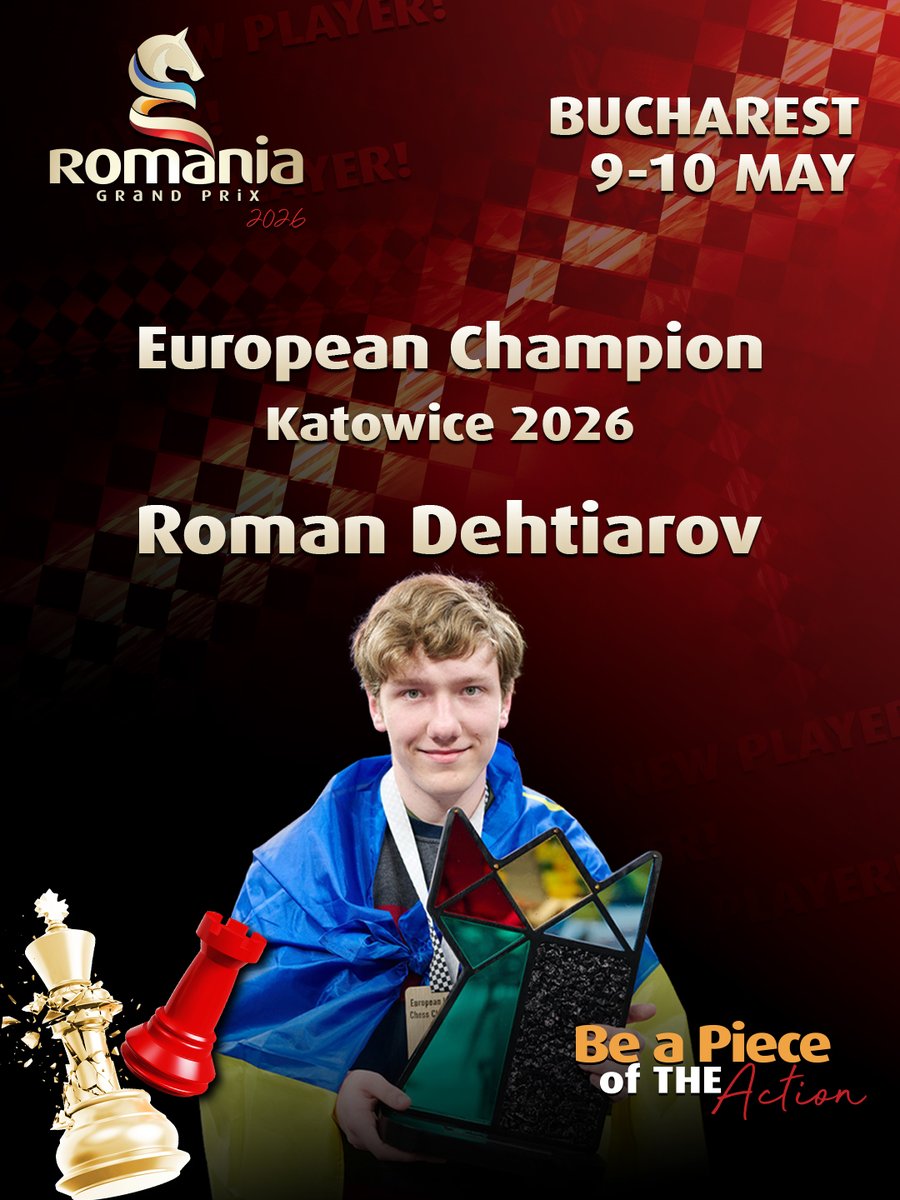
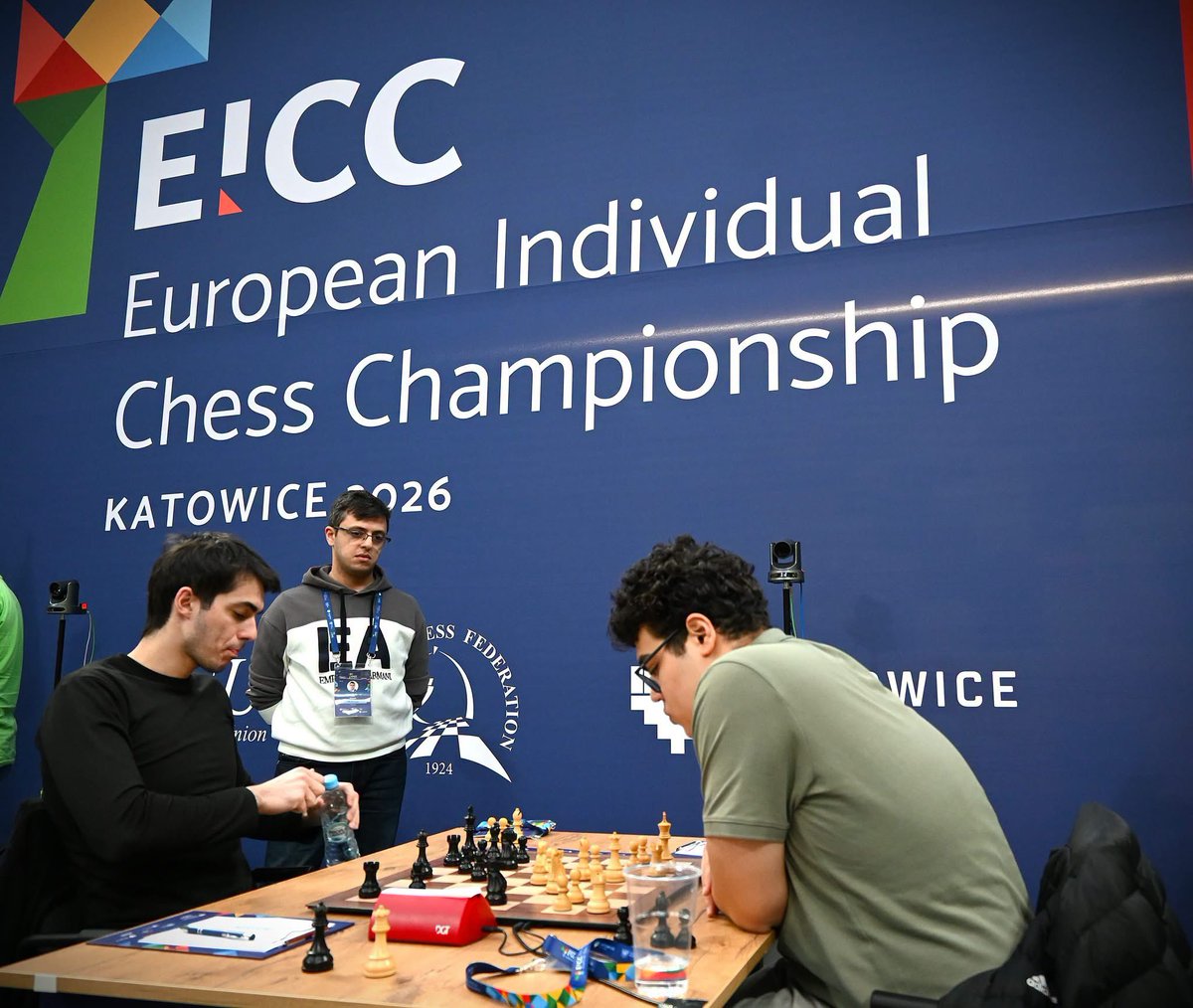
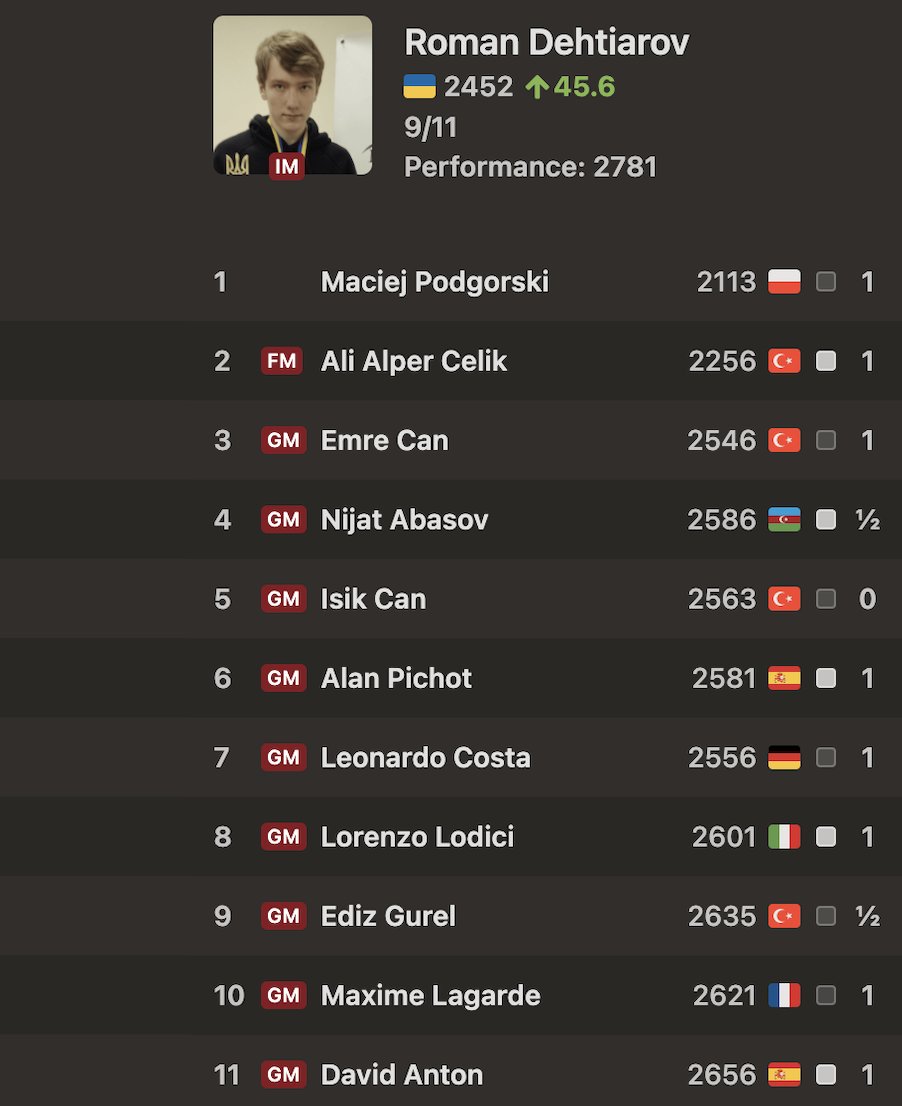
♟️ Roman Dehtariov, the newly crowned European Champion, will play at Romania Grand Prix 2026!
The Bucharest stage takes place at the Palace of Parliament, May 9–10.
Let there be chess!
English
だめ人間のチェス
73.7K posts










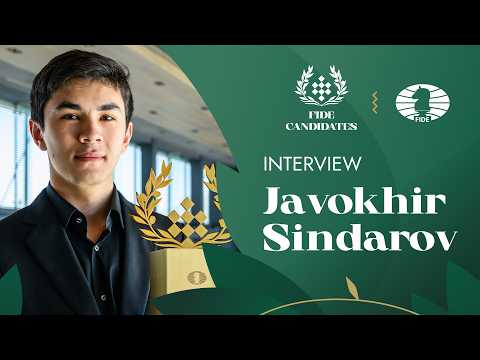


Javokhir Sindarov’s brilliant victory has prompted chess fans to draw comparisons with Kasparov, Tal, and other classics. Yet in an interview with Leontxo Garcia, the hero himself said that he had never studied Capablanca’s or Botvinnik’s games, had not read Kasparov’s "My Great Predecessors", and in general does not like reading at all. Today, the methods of preparation are different. Let me say right away: I see nothing outrageous in these words. It is a completely different era, with entirely different ways of honing one’s skill. More than 20 years ago, Nakamura said that he did not know Smyslov’s games. And indeed, from the standpoint of acquiring new knowledge, there is nothing sacred in the battles of the titans of the past. A collection of a great chess player’s games is, from a practical point of view, merely a convenient selection. For instance, I still recommend Rubinstein’s games to all players rated under 2400. Yes, one can work through individual examples separately and absorb the patterns in other ways, but it remains a magnificent example of strategic game construction in a concentrated form. It has not become outdated. At the same time, it is far from the only path. The days when chess had to be studied in that way, and only that way, are gone forever. And these changes happened long ago. In 21st century almost nobody spends 20 minutes walking before a game, as Botvinnik did; almost nobody avoids post-game analysis, as he advised; and few people do morning exercises (though almost everyone goes to the gym). The advent of engines inevitably led to the discovery of countless mistakes in the games of the giants of the past, and that naturally diminished the sense of piety. It changed the prep, and expanded understanding of the game. And the ability to play hundreds of over-the-board games a year and thousands online has made it possible to absorb the patterns through actual play and develop chess culture by working through every imaginable structure and type of position. All of that is true. But! There are two major “buts.” First, only truly exceptional talents are capable of systematizing fragmented knowledge in this way and independently extracting what is useful for them. And even then, it usually happens under the guidance of a coach, and more often several coaches. Millions of people play and solve, yet their level does not grow dramatically. They keep repeating the same mistakes, and studying classical games and patterns would have helped them. Sindarov, Firouzja or Nakamura - and maybe few dozens of others are rather the outliers. They have this gift - which very few possess. But as a general advice, “just play, solve puzzles, and you shall find” simply does not work. You may not read the books, but then you'd rather have a coach who read them, and shares with you the knowledge. As a rule, no engine or AI can teach you a thought process that would take you to the level, from where you can work it out alone. Second, chess culture and tradition have always mattered, both for how we perceive ourselves and for how our game is perceived from the outside. If you imagine chess stripped of everything that offers no direct practical benefit, then all that remains is gaming. And gamers are paid for views. Presidents do not receive them. Governments, donors, and sponsors, who care about a certain image, would not allocate required funding . And for gamers, if there are no views the are no million-dollar fees. But chess is too complex for the average spectator, so we will never be able to compete on equal footing with video games. Yes, this is not Sindarov’s concern, and in general, a chess player’s task is simply to play as well as possible by any fair means. And he plays great. More than that, the level of play he has shown in the Candidates Tournament makes one think seriously about comparisons with Kasparov. So yes, above all, a chess player must deliver results. But thinking about the image of chess is the responsibility of every top player. One may admire Praggnanandhaa’s honesty when he said: we are ordinary people, we just happen to play this game very well. But first, that is far from true for everyone - I recall sitting next to Gukesh during the closing dinner in Toronto-2024, answering his nunerous questions about the history of chess - it was clear he was genuinely interested; and second, the notion "chess players are just good at chess" is strategically harmful for our game. Not because it offends the likes of Lasker, Botvinnik, Kasparov and other brillliant minds who were much more than just great chess players. It harms the perception of chess in the general public. And yet, I am not going to criticize the younger generation. At most, I will gently chide them a little, while, as in Sindarov’s case, admiring his phenomenal play. We often demand a certain wisdom and sense of responsibility from twenty-year-olds, forgetting that their success has become possible in part because they spend nearly twice as much time on chess as players of the older generation did. When are they supposed to reflect on eternal things? But when/if Javokhir becomes the world champion, I promise I will speak to him on the matter)


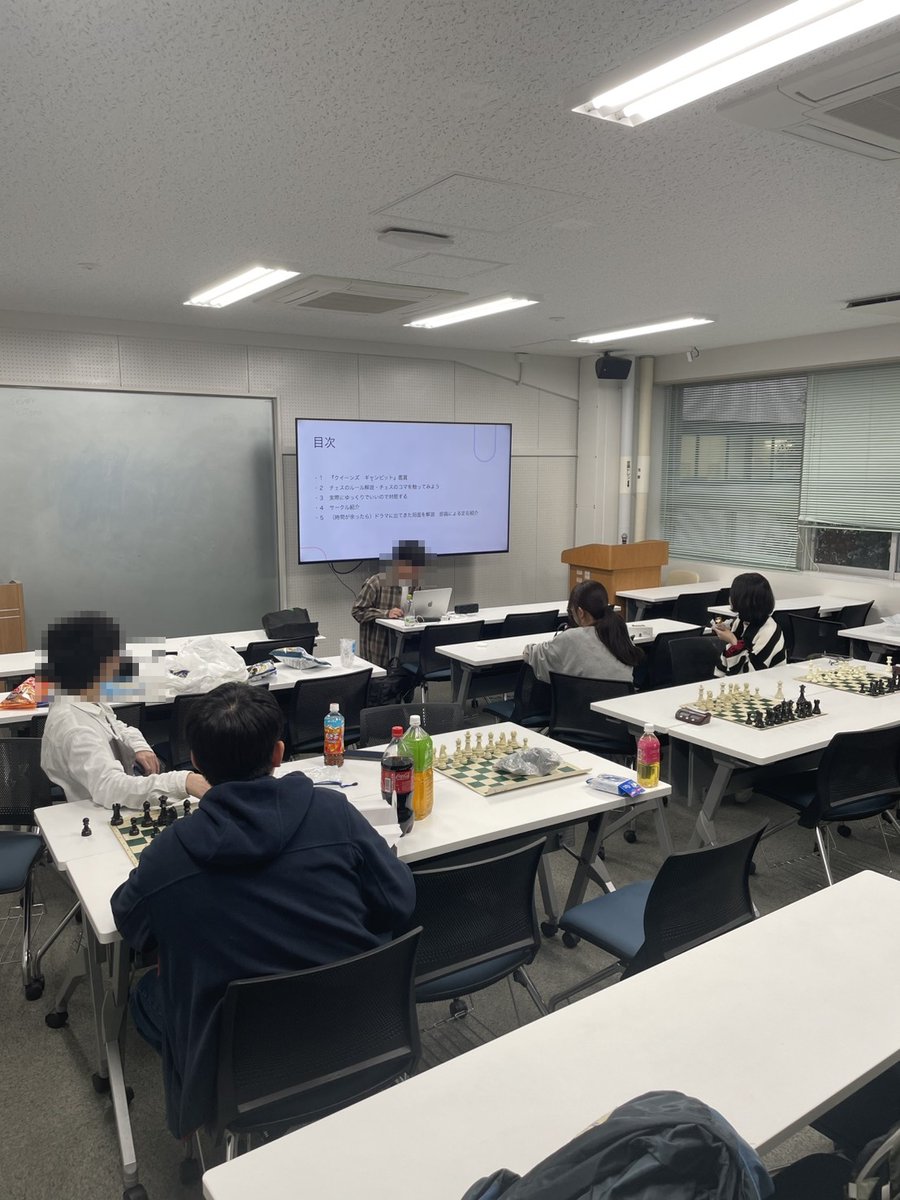
4月の新歓スケジュールです! 初心者向けの日程も用意しておりますのでお気軽にご参加ください! もちろん他の日程でも大歓迎です #春から科学大 #春から東工大


If anyone has real paying work, I would consider that. I applied for a job fairly recently in the chess world, couldn't even get an interview, even though I thought I was absolutely ideal. I'm 60 next month, will have to work into my 70s, so now is the time to find something.

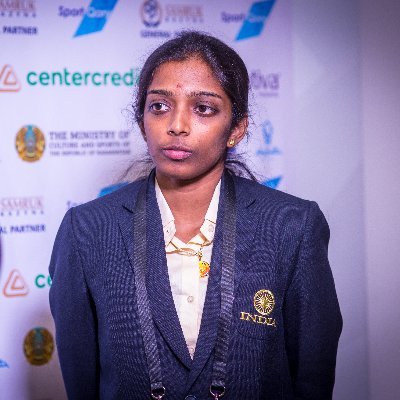
Congratulations @chessvaishali . At @WacaChess we are so proud to have our mentee fight for the ultimate title. It's an incredible moment for Indian chess.We look forward to celebrating this special moment with her.