
manu ve

7.4K posts

manu ve banner
manu ve

manu ve

@dardi673

kinesiologo...entre la variedad y el optimismo de ser y evolucionar dia a dia....hobbies:viajar..cocinar..fotografiar...vivir la buena vida!!

Katılım Kasım 2015
5K Takip Edilen675 Takipçiler
manu ve retweetledi
Francisco Mera Cordero
Francisco Mera Cordero@mera_cordero·
🧠 COVID-19 grave: 4 trayectorias cognitivas: ✅ 48% normal estable ⚠️ 7% deterioro TARDÍO (¡sorpresa!) 🌱 14% mejora 📉 32% deterioro persistente La etnia hispana, asociada a peores resultados. El deterioro tardío sugiere inflamación cerebral crónica. #LongCOVID #NeuroCOVID
Francisco Mera Cordero tweet media
Español
0
35
56
1.1K
manu ve retweetledi
Kristie Leong M.D.
Kristie Leong M.D.@DrKristieLeong·
"Struggling to 'switch off' after a long day? Your nervous system might be stuck in high gear. Here are 6 science-backed ways to shift from "fight or flight" to "rest and digest": 🌅 Get morning light to anchor your rhythm. 💧 Hydrate early to signal safety to your brain. 🚶‍♂️ Move gently (a short walk goes a long way). 🥗 Steady your blood sugar with protein. 🧘‍♀️ Use sensory grounding to find the present. 🌬️ Lengthen your exhale to calm the heart. Which of these do you prioritize when you're stressed? #NervousSystemRegulation #StressRecovery
Kristie Leong M.D. tweet media
English
5
14
85
2.2K
manu ve retweetledi
Metabolic Uncle
Metabolic Uncle@MetabolicUncle·
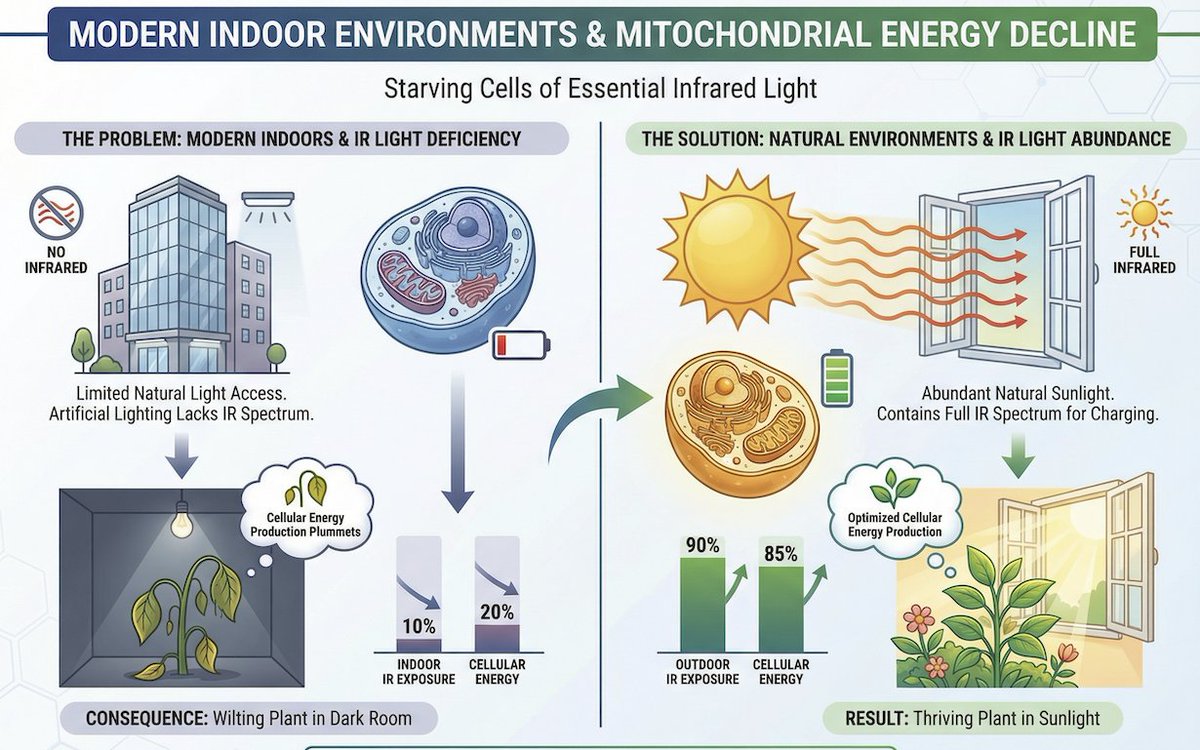
THE INFRARED DEFICIT Winter kills more people than summer. That's been true for decades. Researchers blamed vitamin D deficiency for a while, but the pattern persisted even when controlling for that variable. Something else about sunlight was protective, and nobody could pin it down. The answer sits in plain sight. Most photons from the sun exist in the infrared spectrum. You can't see them. You feel them as heat, but they're not heat itself. They're electromagnetic radiation with wavelengths longer than visible light, ranging from 760 nanometers out past 1200. This light penetrates everything. The atmosphere barely stops it. Your clothes barely stop it. Takes 10 to 13 layers of fabric to fully block infrared photons. They pass through your skin and come out the other side, though weaker because your tissues absorb much of it along the way. The sun's photosphere selectively allows infrared through more easily than other wavelengths. Our atmosphere has transparency windows at specific infrared frequencies because nitrogen and oxygen bonds absorb other wavelengths. The light that makes it through happens to be exactly what penetrates tissue and reaches mitochondria. That's not coincidence. That's design, whether you want to call it evolution or something else. Mitochondria sit at the center of nearly every chronic disease. Diabetes. Obesity. Heart failure. Dementia. Cancer. All of them show mitochondrial dysfunction. The central theory of aging says energy output from mitochondria drops 60 to 70 percent after age 40. Your cellular batteries run down. Food breaks down into acetyl-CoA regardless of whether you ate fat, protein, or carbohydrates. That two-carbon molecule enters the mitochondrial matrix and goes through the Krebs cycle to extract high-energy electrons. Those electrons exist as NADH and FADH2, which feed into the electron transport chain. Picture the Colorado River dropping from high elevation down to sea level. We built dams at various points. Niagara Falls works the same way. Lake Erie sits 200 feet above Lake Ontario. Water falls through turbines and generates electricity. Mitochondria do something similar. High-energy electrons drop down an energy gradient. Instead of turning turbines, they pump protons out into a reservoir around the mitochondria. Those protons eventually flow back in through ATP synthase, creating ATP. That's cellular energy. The electron transfer isn't smooth. When an electron moves from one protein to another, it leaves behind a positive charge and creates a negative charge where it lands. Water molecules surrounding these proteins have to reorganize themselves to buffer those charges. That reorganization creates resistance. Rudolf Marcus won the Nobel Prize in Chemistry in 1992 for describing this barrier. He's 102 years old now, still alive in Pasadena. His equations showed that electron transfer faces reorganization energy. The protein changes shape. The water molecules flip orientation. That takes energy and slows the whole process down. Infrared light reduces that barrier. Multiple wavelengths of infrared introduce low-energy vibrations that make water molecules restructure more easily. The electrons slide down the transport chain faster instead of having to push through resistance. Protons pump out more efficiently. ATP production increases. Glenn Jeffrey tested this in humans. He gave subjects glucose and measured their blood sugar spike. Those exposed to long-wavelength infrared light showed a 20 percent reduction in glucose spike compared to controls. They also exhaled more carbon dioxide, which indicates increased mitochondrial metabolism. The light made their mitochondria work better. Brazilian researchers ran randomized controlled trials on COVID patients. Fifteen minutes of infrared light per day at 2.9 milliwatts per square centimeter. That's a fraction of what you get from sunlight, which delivers about 100 milliwatts per square centimeter at Earth's surface. The intervention group left the hospital four days earlier than controls. Twelve days versus eight days. The intervention group started sicker than the control group. Tamiflu got FDA approval because it reduced flu symptoms by 24 hours. We're talking about a four-day reduction in hospitalization from 15 minutes of weak infrared light. Another Brazilian study looked at ICU patients. Same protocol. Same results. Thirty percent reduction in length of stay. Patients came out stronger with less need for physical therapy. This isn't a small effect. This isn't marginal. The dose is tiny and the results are dramatic. You don't need much exposure. Fifteen to twenty minutes triggers the effect. More exposure doesn't help much beyond that. Jeffrey tested this across species including bees, insects, and humans. Same pattern every time. It's like flipping a switch. The light doesn't need to be strong. The randomized trials used 2.9 milliwatts per square centimeter. That's weak. Much weaker than sunlight. But it works because the threshold is low. We've created environments that block this wavelength entirely. Windows block infrared to reduce cooling costs. LED bulbs replaced incandescent bulbs to save energy. Incandescent bulbs produce infrared as a byproduct of their inefficiency. LEDs don't. Bob Fosbury calls this the scurvy of the 21st century. British sailors three hundred years ago preserved food in ways that stripped out vitamin C. They developed scurvy on long voyages. The solution was simple. Drink lime juice. Your gums stop bleeding. Your shipmates stop dying. We've done the same thing with light. We optimized for energy efficiency and created an infrared deficit. The wavelength that mitochondria need most is the wavelength we removed from our environment. Infrared penetrates clothing. You can get exposure fully dressed. Even in winter. Even in Toronto. Even when it's below freezing. Watch snow on a sunny winter day. It melts. The temperature might be below freezing, but the snow still drips. That's infrared light penetrating the atmosphere and heating the snow surface. The moment the sun sets, even if air temperature hasn't changed, the melting stops immediately. No more drips. The light that melts snow in Toronto winter is the same light that charges your mitochondria. Studies show broad-spectrum infrared works better than monochromatic laser light. Jeffrey compared the two using color vision tests. The eye's retina has the highest concentration of mitochondria in the body. Monochromatic light improved color differentiation by about 15 percent in some cone types. Incandescent light improved all cone types by over 20 percent. Infrared saunas deliver monochromatic wavelengths. They show benefits in studies. But they might not beat just spending time outside in natural sunlight, which delivers broad-spectrum infrared. The mechanism makes sense now. Multiple wavelengths reduce reorganization energy across different electron transfer points in the chain. One wavelength helps one transfer. Multiple wavelengths help multiple transfers. The whole chain runs smoother. We spent years looking at vitamin D because that's what we could measure easily. We missed the bigger effect happening at the mitochondrial level in every cell. The sun isn't just making vitamin D in your skin. It's charging every battery in your body. The medical establishment approved drugs that reduce symptoms by hours. We're seeing interventions that reduce hospitalizations by days using nothing but light at doses weaker than natural sunlight. The implications are straightforward. Modern environments removed a fundamental input to cellular metabolism. We replaced incandescent bulbs with LEDs to save electricity. We installed low-E windows to reduce cooling costs. We moved indoors and stayed there. Every optimization for energy efficiency created a deficit in biological energy production. Subscribers will find detailed practical protocols for infrared exposure in Part 2 below, including specific implementation strategies, timing recommendations, and alternative approaches for those unable to access natural sunlight regularly.
Metabolic Uncle tweet mediaMetabolic Uncle tweet media
English
10
79
246
9.9K
manu ve retweetledi
David Lingenfelter, PhD
David Lingenfelter, PhD@dlingenfelter·
The mind navigates reality through invisible, inherited frameworks that filter sensory data. By recognizing these biological and digital scaffolds, we can utilize metacognition to explore the uncharted territory of the possible.🧵
David Lingenfelter, PhD tweet media
English
1
1
1
221
manu ve retweetledi
Metabolic Uncle
Metabolic Uncle@MetabolicUncle·
THE SEED OIL CATASTROPHE Your cells are being rebuilt with defective materials. Not because you're careless, but because institutional medicine spent a century convincing you that industrial waste products are health food. Walk into any grocery store. Count the products containing soybean oil. You'll quit before finishing the first aisle. The bread has canola. The crackers have sunflower. The frozen meals have corn oil. The salad dressing has safflower. They stamp "heart-healthy" on the label while the contents systematically dismantle your metabolism. In 1910, Americans consumed almost no seed oils. Fats came from butter, lard, tallow, coconut oil. These are saturated fats with stable structures that resist oxidation. Your great-grandmother fried chicken in lard and nobody developed epidemic heart disease. By 2010, the average American was eating over 80 pounds of industrial seed oil annually. That's roughly 1,500 calories per week from oils that didn't exist in the human diet until Crisco launched in 1911. This wasn't consumer demand. Nobody woke up craving soybean oil. This was industrial and institutional coordination that convinced three generations to replace traditional fats with cheap, shelf-stable alternatives that happened to generate massive profits for manufacturers. The scientific cover came from researchers like Ancel Keys, whose Seven Countries Study cherry-picked nations that fit his "saturated fat causes heart disease" narrative while ignoring countries that didn't. Japan had low saturated fat and low heart disease. Finland had high saturated fat and high heart disease. Perfect correlation, case closed. Except Keys omitted France, which had high saturated fat intake and low heart disease. He ignored Switzerland, which showed similar patterns. He buried data from countries that would have destroyed his hypothesis. The result was the largest uncontrolled nutritional experiment in human history. You inherited the consequences. THE MEMBRANE PROBLEM Your body doesn't discard dietary fats. When you eat fat, it gets incorporated into your tissues. Cell membranes, organ linings, brain tissue, mitochondrial membranes are all built from the fats you consume. Cell membranes aren't just walls. They're dynamic interfaces where receptors bind, channels open, energy production happens. The composition of those membranes determines how efficiently your cells function. When you consume large amounts of polyunsaturated fatty acids, especially linoleic acid, the dominant omega-6 in seed oils, your body incorporates them into membrane structures. The more you eat, the more shows up in your red blood cells, cardiac tissue, mitochondrial membranes. Polyunsaturated fats contain multiple double bonds in their carbon chains. Each double bond is a weak point where reactive oxygen species can attack. When that happens, you get lipid peroxidation, a chain reaction that damages the membrane and generates toxic byproducts like 4-hydroxynonenal and malondialdehyde. These aldehydes cross-link proteins, damage DNA, impair cellular function at the exact sites where your mitochondria are trying to produce energy. Saturated fats don't have this vulnerability. Their carbon chains are fully saturated with hydrogen atoms. No double bonds, no vulnerable sites, no oxidative cascade. They form tight, orderly membranes that resist damage. Your mitochondria sit inside these membranes. They consume oxygen and produce ATP, the energy currency your cells run on. When the membrane around them is packed with easily oxidized PUFAs, you've built a power plant out of kindling and surrounded it with oxygen. The mitochondrial membrane potential becomes unstable. Electron transport gets sloppy. ATP production drops while reactive oxygen species spike. Your body detects low energy availability and responds the way it always does. It downregulates everything. THE THYROID SHUTDOWN This is where seed oils stop being abstract biochemistry and start explaining why you're cold all the time. When mitochondria can't produce energy efficiently, your body compensates by suppressing thyroid hormone activity. This is protective in the short term. If energy production is dangerous or inefficient, slow it down. But when the cause is chronic membrane damage from dietary PUFAs, the suppression becomes chronic too. Linoleic acid directly inhibits enzymes that thyroid hormone depends on. It blocks 5'-deiodinase, the enzyme that converts inactive T4 into active T3. It promotes production of reverse T3, an inactive metabolite that competes with real T3 for receptor binding. Researchers fed participants isocaloric diets with different fat compositions. High-PUFA diets suppressed resting metabolic rate compared to diets higher in saturated fat. Same calories, different metabolic outcomes. The oil that was supposed to protect your heart is quietly turning down your metabolic thermostat. You feel cold. You feel tired. Your brain feels foggy. You go to the doctor and they check your TSH, a pituitary hormone that doesn't tell you what your cells are actually receiving, and say everything looks normal. Your mitochondria are screaming. THE BURIED EVIDENCE The Minnesota Coronary Experiment ran from 1968 to 1973. Over 9,000 participants enrolled. Half continued eating saturated fat. The other half had it replaced with corn oil rich in linoleic acid. The hypothesis was simple. Replacing saturated fat with polyunsaturated fat would lower cholesterol and reduce heart disease. The study was large, randomized, controlled, exactly the kind of evidence that's supposed to settle scientific debates. When the principal investigator retired, he packed the raw data into boxes and stored them in his basement. The full results were never published. In 2016, Christopher Ramsden's team at the NIH tracked down the archived data and analyzed it. Replacing saturated fat with corn oil did lower cholesterol. It also increased the risk of death from all causes. For every 30 mg/dL drop in cholesterol, there was a 22% higher risk of death. The intervention worked exactly as designed. Cholesterol went down. People just died faster. The Sydney Diet Heart Study told the same story. Men who replaced saturated fat with safflower oil saw their cholesterol drop and their cardiovascular mortality increase by 17%. Two major randomized controlled trials. Two datasets buried for decades. Two reanalyses that reached the same conclusion. Swapping butter for seed oil kills people faster. The solution involves eliminating these industrial fats from your diet and replacing them with stable, traditional alternatives that your mitochondria were designed to handle. Subscribers get in Part 2 a specific implementation protocol, including which oils to eliminate immediately, which stable fats to cook with, how to source omega-3s properly, and realistic timelines for cellular membrane repair.
Metabolic Uncle tweet mediaMetabolic Uncle tweet media
English
4
40
109
4.2K
manu ve retweetledi
Metabolic Uncle
Metabolic Uncle@MetabolicUncle·
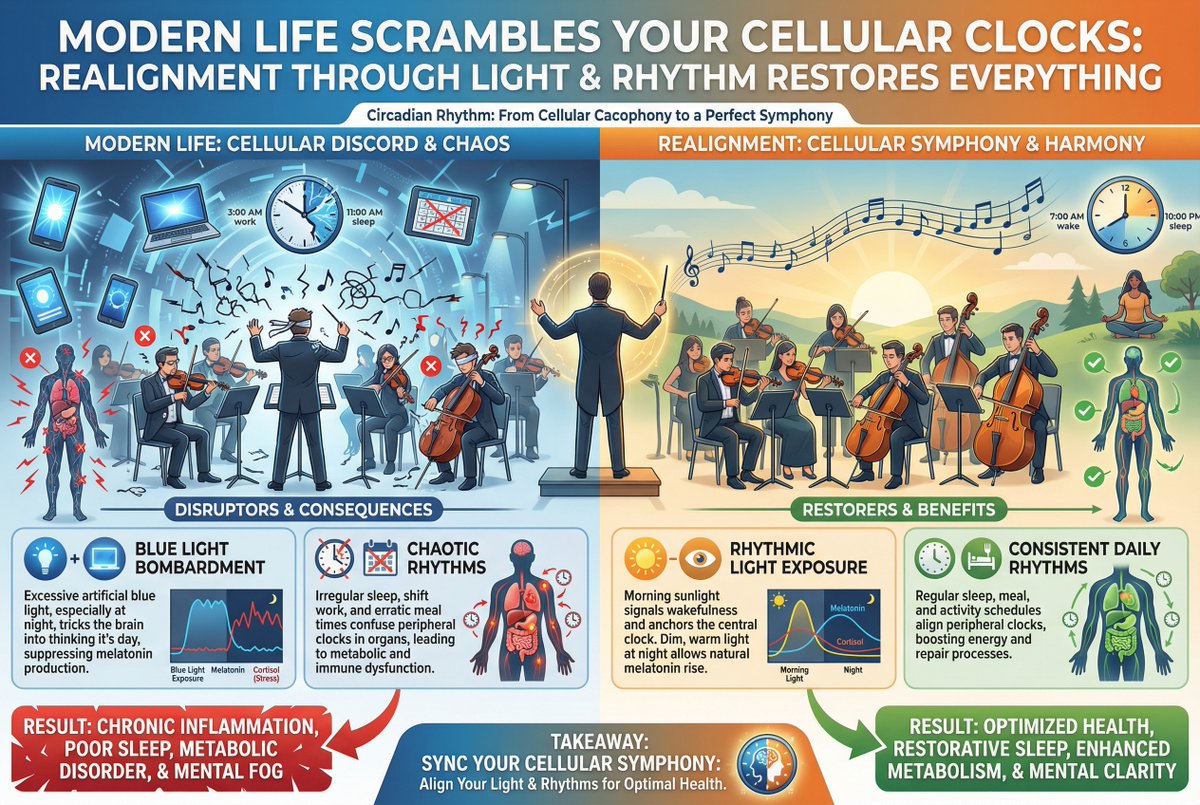
THE INVISIBLE MACHINERY OF DECLINE Most people track the wrong things. They count calories, log workouts, obsess over sleep hours. Those inputs matter, but they're surface noise. The real story happens in systems that standard medicine ignores completely. Your body operates through five interconnected networks that determine whether you age gracefully or fall apart. These systems don't show up on routine blood work. Doctors can't measure them directly. Yet they control inflammation, energy production, hormone balance, and cellular repair. When they malfunction, you feel it as fatigue, brain fog, weight gain, or accelerated aging. But the lab results come back normal. The problem is biological chaos... not willpower or genetic... sat a level conventional medicine doesn't address. Start with your gut. You carry 100 trillion microorganisms. That's more bacterial cells than human cells in your body. This ecosystem, your microbiome, operates as a biochemical command center. It doesn't just digest food. It manufactures neurotransmitters that control mood, produces short-chain fatty acids that regulate metabolism, and trains 70% of your immune cells. When microbial diversity collapses, inflammation rises. Your blood sugar becomes unstable. Your brain gets foggy. Anxiety spikes. This isn't psychosomatic nonsense. Dysbiosis, an imbalanced microbiome, creates measurable metabolic dysfunction. Research shows that restoring microbial diversity improves insulin sensitivity and cognitive performance within two weeks. The mechanism is simple. Healthy gut bacteria produce butyrate and other fatty acids that calm systemic inflammation and feed brain cells. Without them, your tissues slowly rust from the inside. Next is your immune tissue interface. The immune system doesn't just fight infections. It manages repair, regulates inflammation, and determines how fast your organs deteriorate. When functioning properly, immune cells resolve inflammation quickly after injury or stress. When dysregulated, they maintain chronic low-grade inflammation indefinitely. This silent inflammation, what researchers call inflammaging, accumulates in fat tissue, blood vessels, and nerves. Pathologists see it in nearly every aging organ. Tiny immune cells cluster around capillaries and cell membranes, releasing cytokines that damage surrounding tissue. You don't feel acute pain. You feel gradual slowing down. Joints stiffen. Energy drops. Recovery takes longer. That's your immune system stuck in alarm mode. The trigger isn't usually infection. It's environmental chaos. Poor sleep signals danger. Processed food activates inflammatory pathways. Chronic stress keeps cortisol elevated. Your immune cells interpret these signals as ongoing threats and never stand down. Then there's your circadian rhythm, the master clock that synchronizes every cell. Your liver, brain, skin, and even individual cells maintain internal timers. These clocks control when genes activate, when hormones release, when repair processes begin. The system depends on consistent environmental cues. Morning sunlight, regular meal times, darkness at night. Modern life scrambles these signals completely. Blue light at midnight tells your brain it's noon. Late dinners confuse your metabolism. Irregular sleep schedules desynchronize cellular clocks across your body. One week of erratic sleep alters hundreds of metabolic genes. The result is insulin resistance, disrupted hormone production, and impaired cellular repair. Your body can't tell what time it is. So it guesses wrong. Constantly. Deeper still is your epigenome, the software layer that controls gene expression. DNA is fixed. But epigenetic markers, chemical tags that turn genes on or off, change based on environment and behavior. Every period of stress, every night of poor sleep, every inflammatory meal gets encoded into your biology. Identical twins with the same DNA develop completely different diseases because their epigenomes diverge over time. This isn't fate. It's adaptation. Your cells remember every signal. Chronic stress activates inflammatory genes and suppresses repair genes. Conversely, consistent sleep, anti-inflammatory nutrition, and social connection activate longevity pathways and repair damaged DNA. Studies show that targeted lifestyle interventions can reverse biological age by three years in eight weeks. The mechanism is epigenetic reprogramming. You're constantly rewriting your genetic software. The question is whether you're debugging or introducing errors. The final system is emerging technology in diagnostics. Traditional medicine waits for visible disease. By the time cancer shows up on imaging or diabetes appears in blood sugar, pathology is advanced. Artificial intelligence and digital pathology now detect patterns invisible to human eyes. Algorithms can predict cancer outcomes, identify early Alzheimer's markers, and find metabolic dysfunction years before symptoms. This shift, from reactive to predictive medicine, changes everything. Instead of treating disease after it appears, you catch dysfunction while it's still reversible. Your smartwatch, microbiome analysis, and metabolic tracking will soon integrate into real-time health monitoring. Prevention becomes precision. The common thread across all five systems is signal detection. Your body constantly broadcasts information about its internal state. Most people ignore these signals until they become symptoms. By then, dysfunction is entrenched. The alternative is learning to read whispers before they become screams. None of this requires pharmaceutical intervention. These systems respond to environmental inputs. Light exposure, meal timing, food diversity, movement patterns, stress management. The mechanisms are well established. Sunlight resets circadian clocks. Fiber feeds beneficial gut bacteria. Movement releases anti-inflammatory myokines from muscle tissue. Deep relationships buffer cortisol and alter gene expression. The problem isn't lack of solutions. It's lack of systems thinking. People chase individual hacks without understanding the underlying biology. They take supplements without fixing their circadian rhythm. They eat clean without addressing chronic stress. They exercise hard but sleep poorly. Each intervention helps slightly, but the systems remain dysregulated. Real improvement requires alignment across all five networks simultaneously. When your circadian rhythm stabilizes, sleep improves. Better sleep reduces inflammation. Lower inflammation supports gut health. A healthy microbiome produces metabolites that enhance cognitive function and metabolic flexibility. These systems amplify each other. Subscribers get the detailed practical allignment protocol for these principles in attached Part 2 👇
Metabolic Uncle tweet mediaMetabolic Uncle tweet media
English
2
10
47
1.8K
manu ve retweetledi
Ale Garcia
Ale Garcia@GYM_EXTREMO·
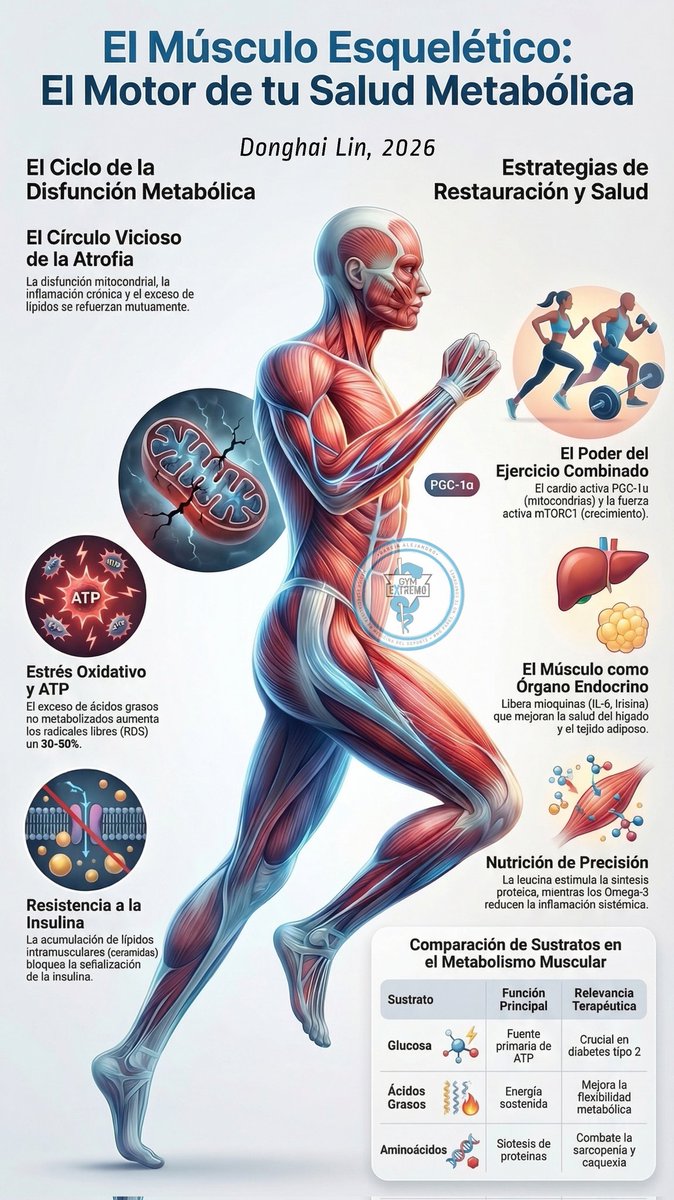
El cuerpo usa 3 motores que producen energia de forma simultánea... sin embargo, dependiendo del tiempo, la intensidad y el tipo de ejercicio, hará prioridad en la energia de un motor o de otro.
Ale Garcia tweet media
Español
0
28
90
2.3K
manu ve retweetledi
Benoy Mathew
Benoy Mathew@function2fitnes·
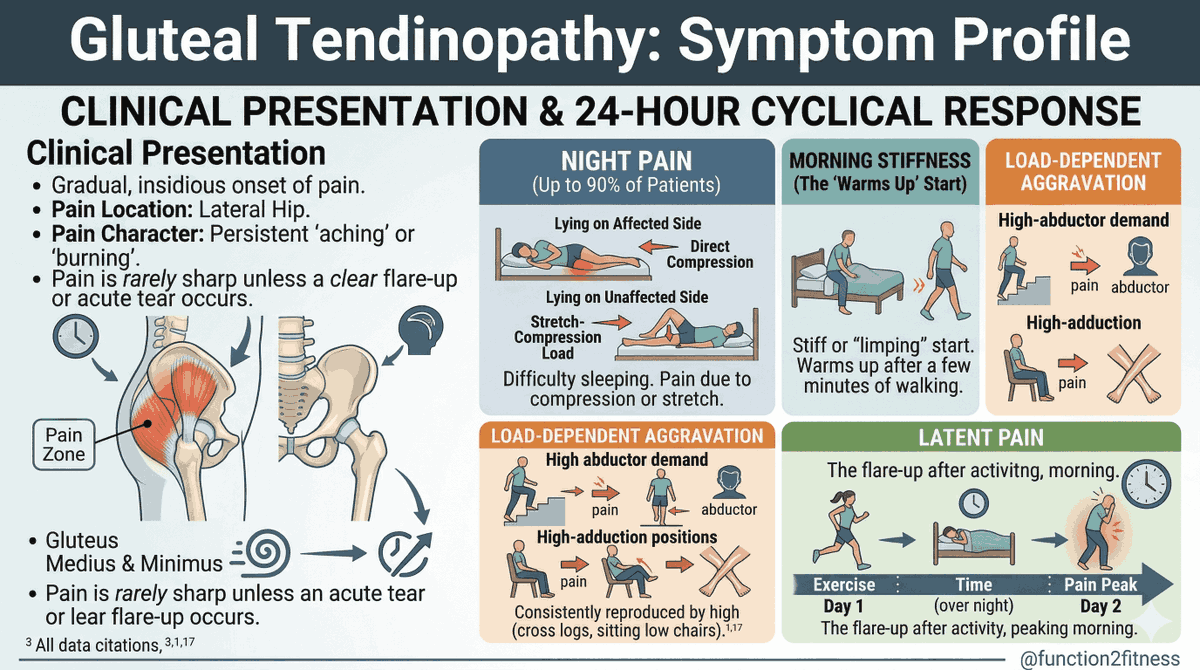
She limps to the bathroom every morning. 10 steps in, it eases off. By the time she's brushed her teeth, it's gone. So she ignores it. But that lateral hip ache? It's been whispering for months. Gluteal tendinopathy has a predictable 24-hour symptom cycle. Once you know it, you can't unsee it. Here's what to listen for: -Night pain — up to 90% of patients report it. Lying on the affected side compresses the tendon. Lying on the unaffected side stretches it. Either way, sleep suffers. -Morning stiffness — the classic "warms up" start. Stiff or limping for the first few minutes of walking, then it settles. This is one of the most under-recognised features. -Load-dependent aggravation — stairs, single-leg stance, crossing legs, low chairs. Anything that drives high adduction or high abductor demand reproduces pain consistently. -Latent pain — the delayed flare-up. Activity on Day 1, pain peaks the following morning. This is the one that confuses patients and clinicians alike. Pain character — persistent aching or burning over the lateral hip. Rarely sharp unless there's an acute tear or flare-up. The pattern matters. Night pain. Morning stiffness. Load-dependent aggravation. Latent flare-ups. When a patient describes this cycle, you're already halfway to your clinical reasoning before you've even examined them. Understanding the symptom profile changes the conversation
Benoy Mathew tweet media
English
5
23
109
6.4K
manu ve retweetledi
Dr Rishan Euskal katua
Dr Rishan Euskal katua@ChocogatoRacing·
El DOMS (Delayed Onset Muscle Soreness), conocido como dolor muscular de aparición tardía o "agujetas", es la rigidez y molestia muscular que ocurre entre 24 y 72 horas tras un ejercicio intenso o nuevo. Es causado por microdesgarros en las fibras musculares y tejido conectivo, provocando una respuesta inflamatoria natural de reparación. Proceso de adaptación: La reparación de estas microfibras lleva a la hipertrofia (crecimiento muscular) y aumento de la fuerza. Mitos: El DOMS no es causado por la acumulación de ácido láctico.
Dr Rishan Euskal katua tweet media
Español
0
65
254
10.5K
manu ve retweetledi
Mike Reiman
Mike Reiman@MikeReiman·
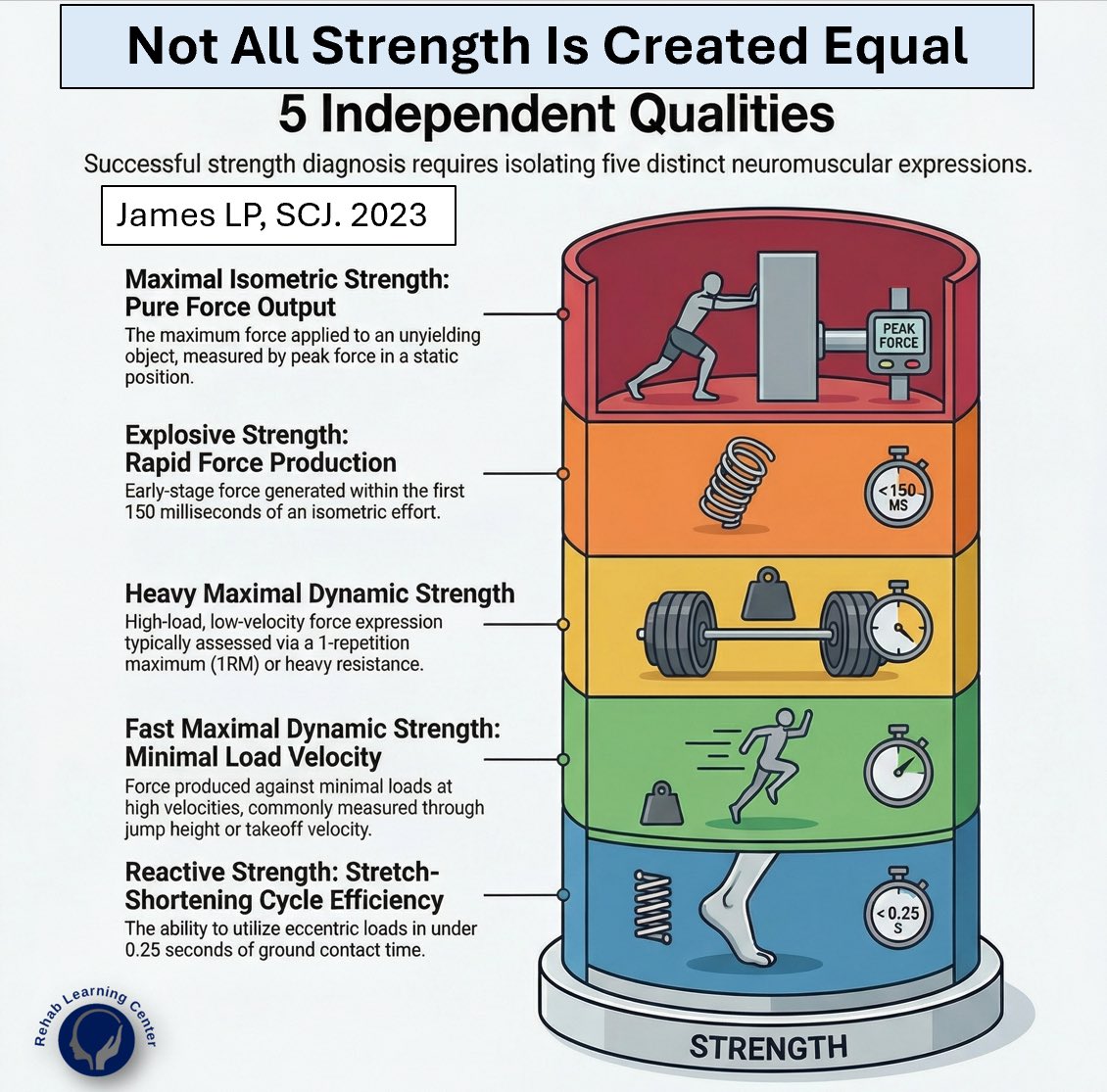
The core utility of this model is the process of identifying an athlete’s specific physiological strengths and weaknesses to inform targeted training. The assessment systems must be sophisticated enough to isolate these qualities while minimizing redundant data.
Mike Reiman tweet media
English
1
26
108
4.7K
Francisco Mera Cordero
Francisco Mera Cordero@mera_cordero·
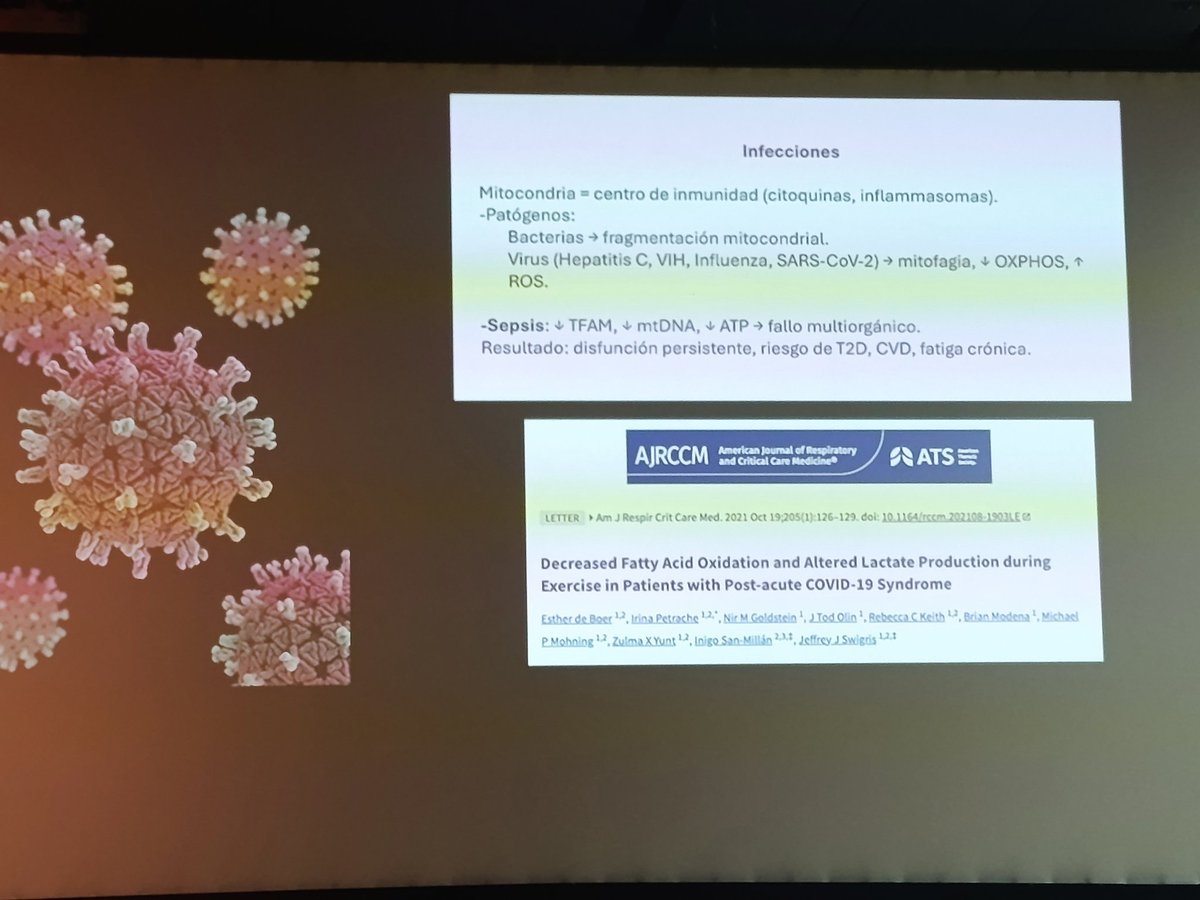
🧬 **Disfunción mitocondrial = acelerador del envejecimiento.** En el **#CongresoSESAP2026**, presentan datos del #LongCovid: 🔹 Un estudio **único** sobre función mitocondrial 🔹 Clave para entender la fatiga crónica y el deterioro asociado @SESAP_
Francisco Mera Cordero tweet media
Español
2
13
40
1.1K
manu ve retweetledi
José López Chicharro
José López Chicharro@ChicharroJL·
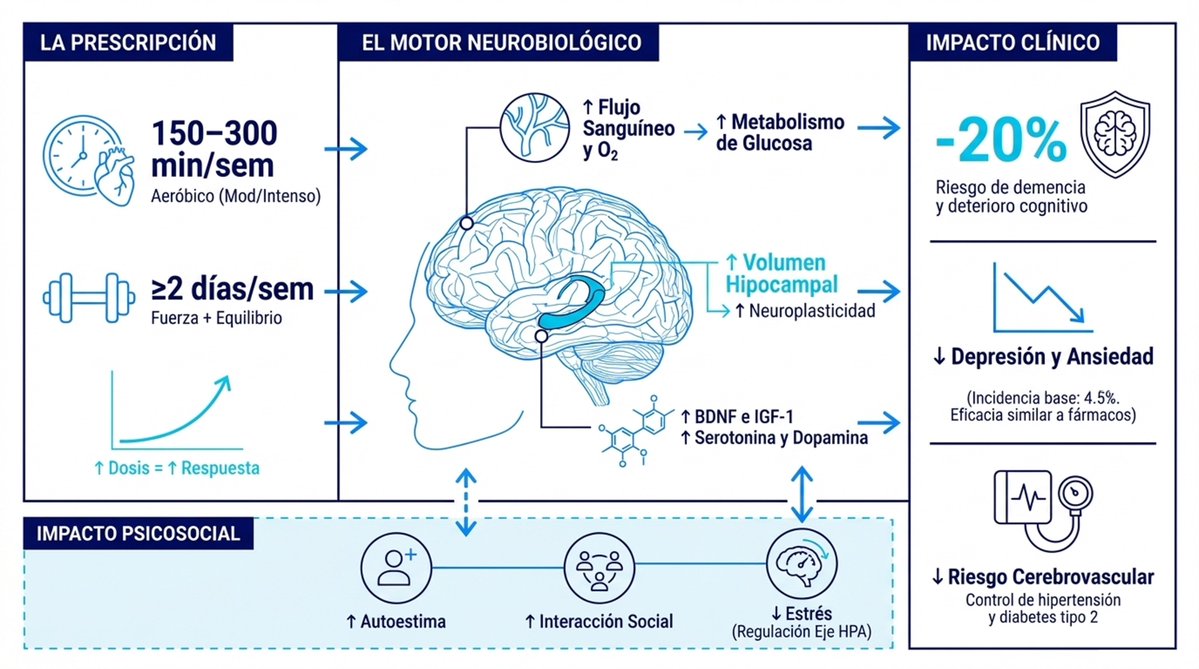
EJERCICIO FÍSICO Y ENVEJECIMIENTO CEREBRAL: UN MODULADOR CLAVE DE LA SALUD COGNITIVA La actividad física favorece la salud cerebral durante el envejecimiento al mejorar la perfusión cerebral, estimular factores neurotróficos y modular neurotransmisores. Además, reduce factores vasculares de riesgo y síntomas depresivos, contribuyendo a preservar la función cognitiva y a disminuir el riesgo de deterioro cognitivo. (lee el artículo completo en BLOG JL Chicharro en fisiologiadelejercicio.com) t.ly/NJW6z
José López Chicharro tweet media
Español
0
36
101
3.2K
manu ve retweetledi
Antonio García-Hermoso
Antonio García-Hermoso@a_garciahermoso·
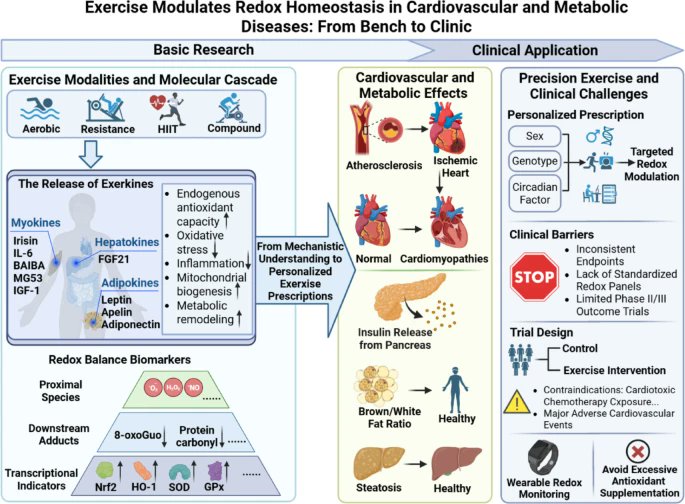
🫀⚡ Moverse es medicina‼️ El ejercicio ayuda a “reordenar” procesos clave del organismo: reduce estrés oxidativo, mejora la función mitocondrial y favorece la salud cardiovascular y metabólica. Cada vez hay más evidencia de su papel terapéutico 💪🔬 link.springer.com/article/10.118…
Antonio García-Hermoso tweet media
Español
1
69
187
4.6K
manu ve retweetledi
Metabolic Uncle
Metabolic Uncle@MetabolicUncle·
THE REAL DRIVER OF AGING The Baltimore Longitudinal Study has tracked human aging for 60 years. The data shows something uncomfortable: aging happens because your repair systems run out of fuel. Your body breaks 10,000 DNA strands per cell every day. Proteins fold wrong constantly. Mitochondria leak toxic fragments into surrounding tissue. In young people, repair systems fix this damage faster than it accumulates. Energy flows freely. Damage gets cleared. Then something shifts. The repair systems slow down. Not because they're broken... they still know what to do. They just can't get enough energy to do it. Every repair mechanism in your body runs on ATP. DNA repair needs ATP. Protein refolding needs ATP. Clearing cellular debris needs ATP. When mitochondrial function drops, these systems go into triage mode. They fix what they can and let the rest pile up. The pile grows. Damaged proteins trigger inflammation. Broken mitochondria spill their contents and activate immune responses. Cells that should have been cleared stick around and secrete toxic factors. Each layer of damage creates more inflammation, which creates more damage. Standard medicine treats the symptoms. You get inflamed, so we give you anti-inflammatory drugs. Your cholesterol rises, so we give you statins. Your blood pressure climbs, so we give you beta blockers. This approach misses the core issue. The inflammation exists for a reason... your body is trying to clear accumulated damage. Blocking inflammation without fixing the underlying damage just masks the thermometer reading while the house burns. The Baltimore study measures mitochondrial function directly using magnetic resonance spectroscopy. They put people in a magnet, make them exercise, then track how fast phosphocreatine and inorganic phosphorus recover. This tells you how efficiently mitochondria produce energy. That single measurement predicts mobility loss and cognitive decline better than most standard biomarkers. Not because mitochondria directly cause those problems, but because mitochondrial decline removes the fuel needed to prevent them. People who maintain mitochondrial function into old age share specific patterns. They move 30 minutes daily. They sleep seven hours consistently. They eat foods that don't create excessive oxidative stress. They stay socially connected. These behaviors don't just correlate with longevity... they provide nine extra years of disease-free life compared to people who skip them. The mechanism isn't mysterious. Exercise signals for mitochondrial biogenesis. Sleep allows cellular repair. Good nutrition reduces oxidative damage. Social connection reduces chronic stress. Each behavior either protects existing mitochondria or helps build new ones. But there's a threshold problem. Mitochondrial biogenesis requires functional mitochondria to begin with. You provide the protein, you provide the DNA, but the damaged mitochondria can't assemble new copies properly. Past a certain damage level, exercise stops working. The seed stock is too corrupted to replicate. This explains why some people don't respond to exercise interventions. Their mitochondria have crossed the damage threshold where biogenesis fails. The signal reaches the cell, but the machinery can't execute. Nature solved this with mitochondrial transfer. Cells can donate healthy mitochondria to damaged neighbors. Those few functional mitochondria provide clean seed stock for biogenesis. The damaged cell can now start building healthy copies instead of replicating broken ones. Several companies are working on artificial mitochondrial transplantation. The idea: inject healthy mitochondria into tissues with damaged ones, restart the biogenesis cycle, restore cellular energy production. Early results look promising, though the field is still developing. The Baltimore data suggests another uncomfortable truth. DNA methylation clocks can predict your age within two years from a drop of blood. The methylation patterns aren't random... they follow stereotyped changes across the population. This means aging isn't purely stochastic. At least some of it follows predictable molecular patterns. The gap between your methylation age and chronological age predicts disease risk, disability, and mortality. A 60-year-old with a methylation age of 70 faces much higher risk than a 60-year-old with a methylation age of 55. The study now tracks methylation longitudinally across 1,000 people with measurements spanning 15 years. This reveals not just your current biological age but the rate you're accumulating damage. Some people age fast. Others age slowly. The trajectory matters more than the snapshot. GDF-15 stands out as the single biomarker most predictive of multiple health outcomes. It rises with age and correlates with chronic disease, mortality, and cognitive decline across every dataset. But nobody knows if GDF-15 causes damage or reflects the body's attempt to manage stress. The uncertainty matters. If GDF-15 drives pathology, blocking it could help. If GDF-15 represents a protective response, blocking it would make things worse. The association is massive, but the causality remains unclear. Senescence-associated secretory phenotype proteins show similar patterns. Senescent cells produce inflammatory factors, growth factors, and proteases. These proteins appear in blood at levels that predict poor outcomes. But when researchers look for senescent cells in tissue, they don't find many. Either senescent cells are hiding in locations we don't sample, or a few senescent cells produce disproportionate amounts of damaging factors, or something else entirely creates these secretory patterns. The field hasn't resolved this yet. Standard blood panels measure the same markers they've measured for 50 years. Cholesterol, triglycerides, glucose, liver enzymes. These catch problems once they've progressed far enough to show up in basic chemistry. They miss borderline conditions where compensation mechanisms still mask underlying dysfunction. A 40-year-old goes to the doctor for shoulder pain. Gets an x-ray, maybe some physical therapy. Standard labs come back normal. But proteomics might show early diabetes risk or developing pulmonary disease... problems that won't appear in basic chemistry for another five years. By the time standard markers flag a problem, damage has accumulated for years. Intervention at that point fights uphill against established pathology. Early detection allows intervention while resilience mechanisms still function. The vision: routine proteomics during ordinary visits. Catch developing problems when they're easiest to reverse. Shift from treating disease to preventing damage accumulation. Expand health expectancy instead of just extending lifespan. The technology exists. The data exists. Implementation lags behind capability.
Metabolic Uncle tweet media
English
11
58
173
9.1K
manu ve retweetledi
Louisa Nicola
Louisa Nicola@louisanicola_·
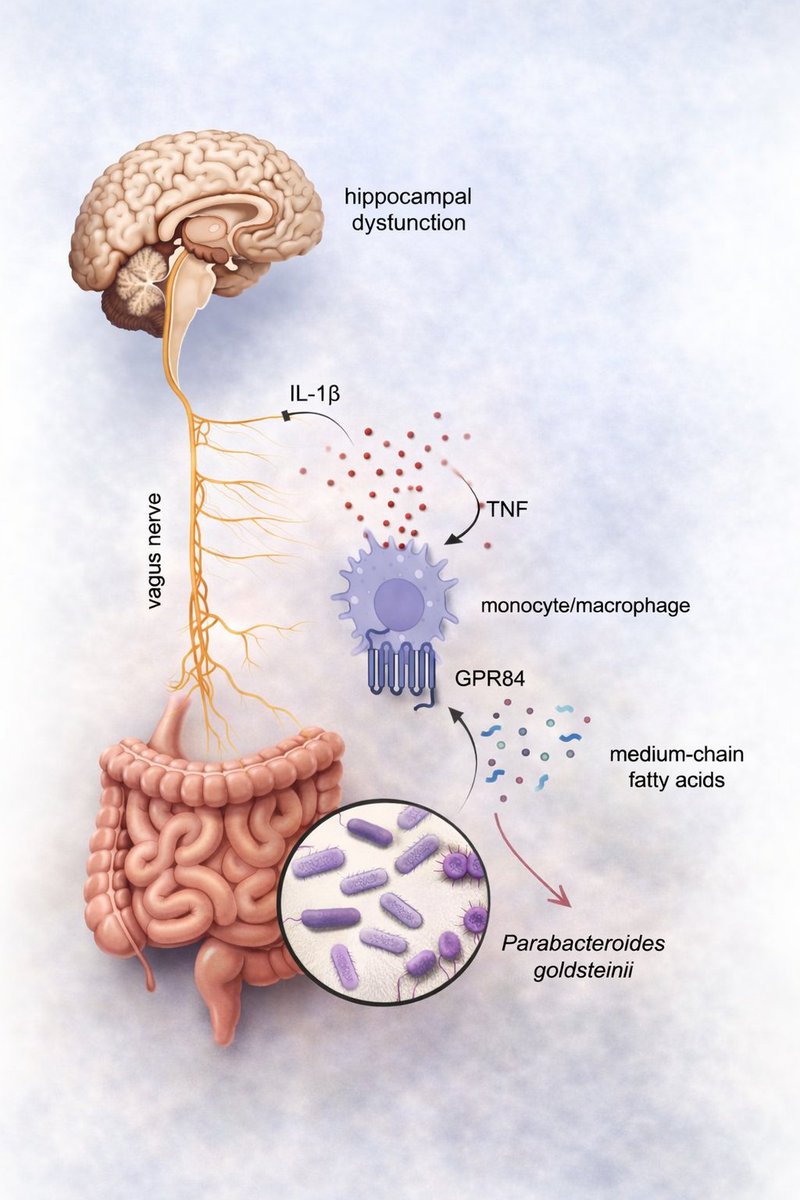
Can Your Gut Age Your Brain? New Science Says Yes New research in Nature caught my attention today. In mice, age-related changes in gut microbes can drive cognitive decline. When young mice were exposed to gut bacteria from older mice, their memory worsened. Researchers traced part of the effect to a bacterium called Parabacteroides goldsteinii, which may trigger inflammation that disrupts gut-to-brain signalling through the vagus nerve. Even more interesting: stimulating the vagus nerve improved cognitive performance. This is early evidence in mice, not humans yet. But it strengthens the idea that the gut-brain axis could play a real role in how the brain ages. Your brain may not age alone. Your gut microbes might be aging it with you. The microbiome might be part of the future of brain health
Louisa Nicola tweet media
English
9
51
172
9K