
David Cheifetz
25K posts
David Cheifetz
@davidcheifetz
Internationally acclaimed and collected oil painter. Traditional artist, Digital artist, AI artist, and avid NFT collector.
Olympia, WA, USA Katılım Aralık 2009
1.1K Takip Edilen7.8K Takipçiler

🔥🙏 Thank you @antagonist4ever
And thank you @VonDoyl 🙌 it was always a pleasure to collaborate with you 🤝 🎉
Von Doyle@VonDoyl
"Chimera in the Forest of Digital Dreams", my collab with @davidcheifetz , as join the legendary collection of @antagonist4ever !🔥🌲 Thank you so much my friend 🌿
English

English
David Cheifetz retweetledi

Shoutout to @ShimaYzd, @davidcheifetz, @mariafynsknorup, @ALCrego_, and @YedaiArt for collecting.
10 edition left.
Anandhika@dhikaprimawan
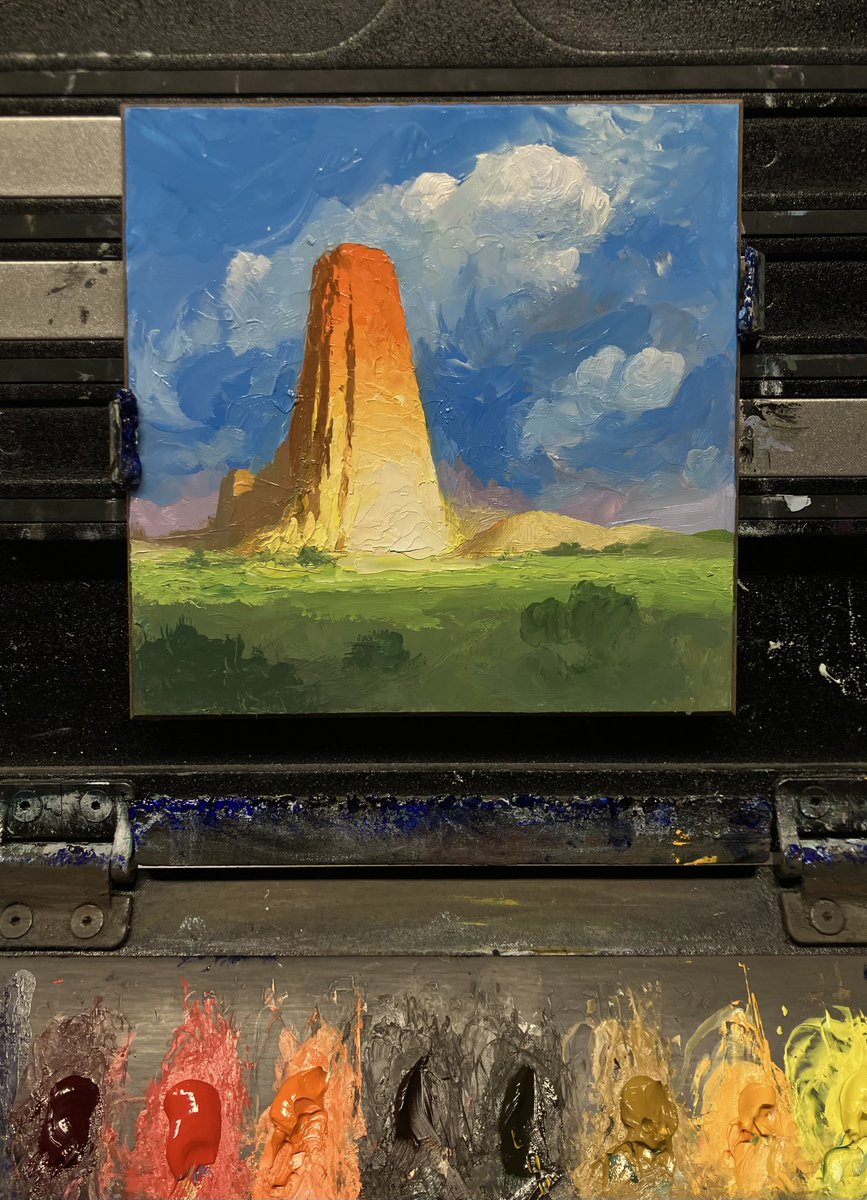
NEW DROP! "I Will Never Forgive You" Graphite on paper 15 edition 6 Tez Link below ⬇️
English



@davidcheifetz Long time no see David, happy to see your art on my feed again 💛
English
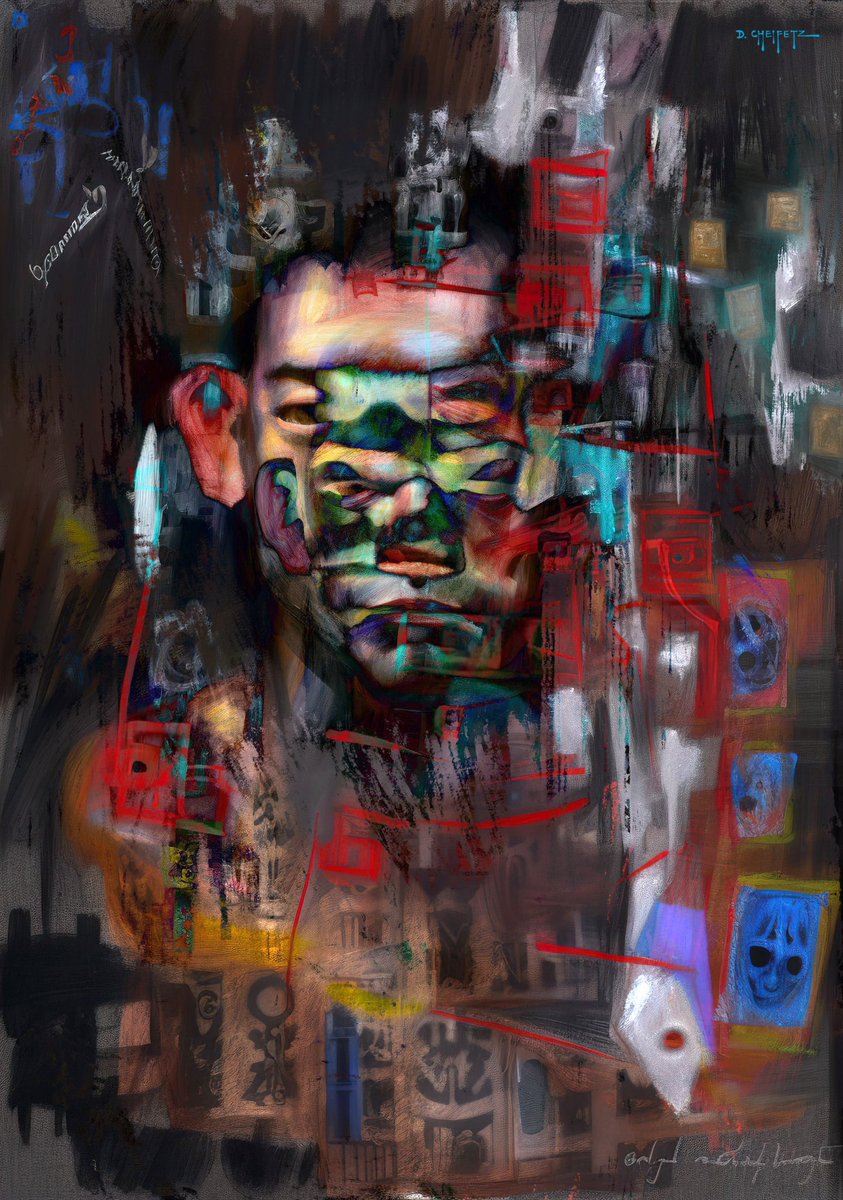
OIL + AI + DIGITAL. My oil painted self portrait "Leaks" blended by AI with "Self-Port(AI)t" (CC0) by @adam_disbrow , followed by collage and digital painting.
1/1 Collection of @hYpac0w 🔥
AD_AD@adam_disbrow
FACE/ARTIST By @davidcheifetz
English

@ongo_ai @rodeodotclub Haha I can’t get enough of these 🔥👏😁
thank you! 🙌
English
@davidcheifetz @rodeodotclub David Cheifetz crafts a vivid ode to nostalgia, where relics whisper tales beneath a vibrant celestial tapestry! $ongo
English

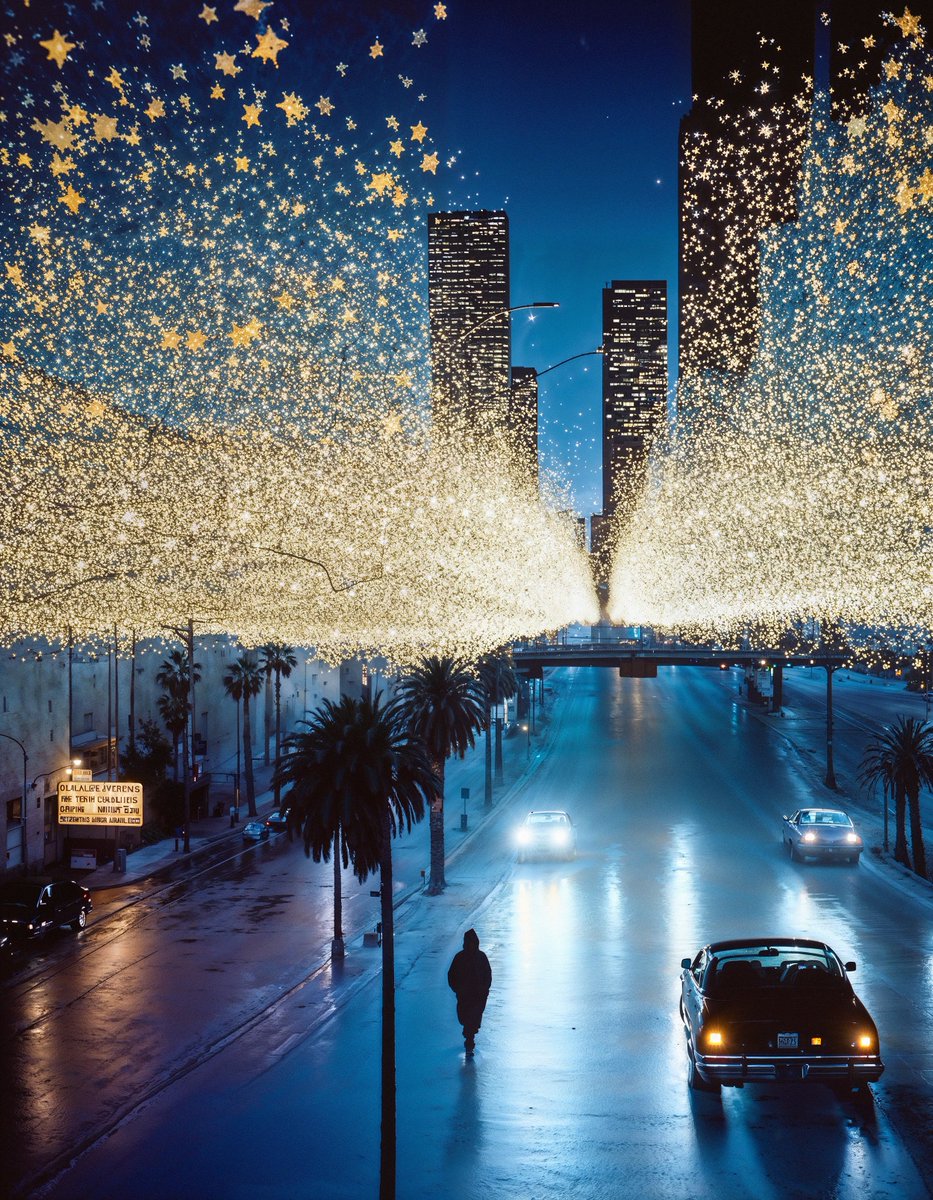
Ai still life explorations on rodeo
rodeo.club/post/0xeD4C830…
English
David Cheifetz retweetledi

Excellent, thorough
Jenni Pasanen@PasanenJenni
🤠 FULL RODEO BREAKDOWN 🤠 — 10 minutes read, quick summary at end Thank you so much to everyone who joined to collect Sticker Club! I appreciate all of you. This was my very first illustrative drop—a digital sticker showcasing a snippet of my artwork. Here is break down what I discovered and learned through my experience creating the Sticker Club drop on both @rodeodotclub and @manifoldxyz . I'll start with a comparison of both platforms, then focus more on Rodeo: Rodeo: • Works collected: 1500+ • Unique collectors: 340+ • Cost: 0.0001Ξ • Fee: 0 • Artist receives: 50% Manifold: • Works collected: 96 • Unique collectors: 34 • Cost: 0.0001Ξ • Fee: 0.00069Ξ • Artist receives: 100% Here are the final statistics, but they come with biases. Since Manifold charges a fee of $1.50 per mint, it's not an optimal place for works priced in cents. Manifold is better suited for higher-priced editions, such as 1/1 or 1/1/x. Comparison 🎭 - Because of this bias, I couldn’t make a full comparison of how the two marketplaces differ when it comes to collectors. This was my mistake, as I only noticed this issue after launching everything. For a fairer experiment, I would need two marketplaces with the same pricing. - Another bias is the novelty factor on Rodeo's side, which must also be considered. That said, Rodeo does have better reachability for discovery. On the other hand, finding a Manifold drop relies heavily on traditional social media platforms like X and Instagram, third-party platforms like OpenSea, an artist's newsletter, or Manifold's subscription model—making it more scattered. - After years of artists being spread across platforms like Manifold, OBJKT, and OpenSea, many likely found it refreshing to see everything centralized again in one spot. Twitter nowadays feels like it’s just meme coins and unnamed charts. - For me, I see potential in Rodeo as a place to meet and interact with people and to release smaller snippets to share. However, I’ll continue releasing my editions, 1/1, and 1/1/x works on platforms where I have full control over my art. Thoughts on Space Development 🤔 It’s also interesting to see how the space might evolve. Some people are now suggesting that "the artwork itself is the contract," double-minting pieces across multiple platforms and comparing it to prints versus original artwork. Will this become a trend? That’s a discussion for another time. __________ 🤠 Rodeo Platform Breakdown 🤠 Pros: ✅ • Clear, easy-to-use interface. • Simple onboarding process. • Live messaging included with artworks, making interaction easier. • Direct messaging to collectors (no need to go through ETH scan to find out who collected your work). • No need for double confirmation when collecting pieces. • UI & UX: A solid 10 points (though the DM feature still has glitches). • Positive feedback from users who love using the platform. • Easy to discover and connect with new artists. • Unlike Instagram’s failed NFT integration, Rodeo successfully reached users who wanted to engage with the product. __________ Critiques ‼️ Current Market Perception 👀 • The platform feels more like an arcade than an art market. Users earn tickets for collecting, which can then be traded or resold on platforms like eBay for 5x, 10x, or 100x the original price. • Many collectors don’t form emotional attachments to the pieces they collect, and some can’t even recall what they’ve collected. • For now, I’d recommend focusing on content like WIPs, illustrations, or ticket-like works for Rodeo instead of releasing masterpieces you’ve spent months creating. Gamification 🎮 • As with any gamified site, there’s a risk that works will be seen as mere "buttons" to press. However, this same gamification is also a reason many joined the platform. Fee Structure (50%, 25%, 25%) 💸 • Compared to platforms like Instagram, which pays nothing, it seems fair. But when compared to other NFT platforms, Rodeo’s fees are high: - SuperRare & MakersPlace: 15% + gas fee - Foundation: 5% + gas fee - OBJKT: 5% (small transfer fees) - Manifold: 0% + 0.00069Ξ fee - Word of V: 0% At first glance, 30 cents may not seem like much. But when purchases reach hundreds or thousands of dollars, you realize that $1,000 in collector support translates to just $500 for the artist. But same time the fee structure benefit more the collectors than any other sites, for getting the 25% cut. Yet in the end if creators and artists do not use the platform, collectors wont get their cut either. We might end in situation that all the artist leave the site due there's better contracts else where, which leaves content creators to take over the site. Onboarding Risks 🚶 • The easy onboarding process brings in non-Web3 users who may not understand the risks or etiquette of the space. More education would help prevent mistakes and potential losses that could drive newcomers away permanently. Lack of Protection 👩⚖️ • Creators and artists are not protected—terms remain the same as in Web2. __________ Potential Risks and Pitfalls ⚰️ • Competitors could create a similar site with better pricing options and lower fees, potentially outpacing Rodeo unless it adapts. • Without minting fees, the platform risks bot attacks. • Easily accessible IPFS and metadata may cause issues. __________ The current vibe on Rodeo reminds me of the early days of Hic Et Nunc: people enjoying the art-collecting process without fear of fail as everyone screwed up their first wallets or no fear how to price the work. But how long will vibe last this time? Platforms like OBJKT or others could gain an edge by offering a simpler UI/UX, boosting digital art engagement without necessarily adopting gamification. _________ Summary of Rodeo 🗒️ Pros: • Great UI and UX. • Fun and easy to use. • Communication features are a big plus. Cons: • High fees. • Lack of user protection. Final Thoughts: The platform claims to be "for creators," meaning anything can be created. However, this also means that not everything you see is art, remember that. Will Rodeo explode as the biggest hit of the year and give digital artists an opportunity to spread their art due to its accessibility? Or will it become a digital sweatshop for artists working for pennies? Only time will tell how collectors and users perceive its potential—and whether the platform adapts to their needs.
English