
Mr. Babar retweetledi
Mr. Babar
8.6K posts


Mr. Babar
@dcf0816
Deep Sleep Inducer/ Believer in the Resurrection/ Resident of the October Country
Greentown Katılım Ekim 2012
547 Takip Edilen208 Takipçiler

Mr. Babar retweetledi



Mr. Babar retweetledi

This chapter [Romans 6] shines a bright spotlight on the dangerous half-truth, currently fashionable, that "God accepts us as we are." Indeed, the question of 6:1 could be read as raising exactly this question: Will "God's acceptance" do as a complete grounding of Christian ethics? Emphatically not. Grace reaches where humans are, and accepts them as they are, because anything less would result in nobody's being saved. Justification is by grace alone, through faith alone. But grace is always transformative. God accepts us where we are, but God does not intend to leave us where we are. That would be precisely to "continue in sin, that grace might abound." Unless we are simply to write Romans 6 out of the canon, the radical inclusivity of the gospel must be matched by the radical exclusivity of Christian holiness. There is such a thing as continuing to let sin reign in one's mortal body, and it will require serious moral effort to combat this tendency. The idea that Christian holiness is to be attained by every person simply doing what comes naturally would actually be funny were it not so prevalent. True freedom is not simply the random, directionless life, but the genuine humanness that reflects the image of God. This is found under the lordship of Christ. And this lordship makes demands that are as testing and difficult as they are actually liberating.
-Romans, New Interpreters Bible
English
Mr. Babar retweetledi
In our imperfections, God finds an unexpected strength, for it is in our brokenness and flaws that God's power shines through.
Consider the likes of Saul, once consumed by zeal to suppress the early church, yet transformed by God's grace into an unwavering apostle.
David, a man marked by both courage and moral failure, was restored to greatness by God's mercy.
Samson, a flawed who dismissed his purpose. though he faltered, found redemption in his final stand. God wanted him to complete a task and no one else.
A tax collector, known for deceit, became a disciple, embodying the transformative power of faith.
A Samaritan woman, weary of empty affections, discovered true worth at the well of living water, and her story continues to inspire those seeking renewal.
Jacob, once cunning and manipulative, was elevated to a pillar of faith.
Noah, flawed in many eyes, was chosen for his unwavering obedience amidst a corrupt generation.
Jonah, reluctant and disobedient, became an instrument of mercy to a people undeserving.
Moses, having committed murder, led a nation to freedom, his passion for justice transformed by God's calling.
Pharaoh never became a man of God. He lived and died as an enemy of God, yet, in a rare instance in scripture, God manipulated his mind for his ultimate purpose.
Through such imperfect vessels, God's power is magnified, demonstrating that no life is beyond redemption, no soul beyond reach. Anyone can be used. Saying otherwise is not accurate. It's time to recognize the potential within ourselves and others, freed from the limitations of our judgments.
This is why I condemn no one. I pray for them. I know what God is capable of whether one lives in a tent on the streets of Skid Row or in the Whitehouse. He saw it all coming. He’s in control and all things work within his will and timing even when we don’t see it through our biases and humanity.
There is a reason why we are instructed to pray for our enemies and leaders. Though we seem to have all become experts in what we think God will and won’t do. Yet, he’s thrown a few curve balls in this life. And that often happens through the prayers of the faithful.
You can keep hating. I’m going to keep praying. God bless.
English


For the first time in a long time, I read a Dick Francis novel. Wow, he's good! He drops you straight into the story on the first page and keeps you in it easily the whole way through. It was compelling but not flashy, full of suspense but not shallow. Just very fun!
English
Mr. Babar retweetledi

Kids getting thrown off right and left. Total carnage. Wails of anguish. There was not one adult alive who gave the faintest shit.

English
Mr. Babar retweetledi

“God allows us to experience the low points of life in order to teach us lessons that we could learn in no other way.” - C.S. Lewis
English
Mr. Babar retweetledi


Mr. Babar retweetledi
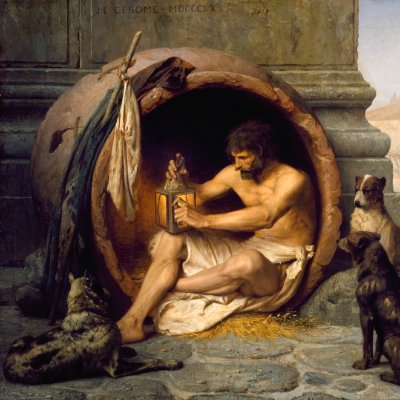
“And once the storm is over, you won’t remember how you made it through, how you managed to survive. You won’t even be sure whether the storm is really over. But one thing is certain. When you come out of the storm, you won’t be the same person who walked in.”
― Haruki Murakami

English
Mr. Babar retweetledi

Mr. Babar retweetledi
For seven years I was College Chaplain and Worcester College, Oxford. Each year I used to see the first year undergraduates individually for a few minutes, to welcome them to the college and make a first acquaintance. Most were happy to meet me; but many commented, often with slight embarrassment, “You won’t be seeing much of me; you see, I don’t believe in god.”
I developed stock response: “Oh, that’s interesting; which god is it you don’t believe in?” This used to surprise them; they mostly regarded the word “God” as a univocal, always meaning the same thing. So they would stumble out a few phrases about the god they said they did not believe in: a being who lived up the in the sky, looking down disapprovingly at the world, occasionally “intervening” to do miracles, sending bad people to hell while allowing good people to share his heaven. Again, I had a stock response for this very common statement of “spy-in-the-sky” theology: “Well, I’m not surprised you don’t believe in that god. I don’t believe in that god either.”
ntwrightpage.com/2016/07/12/jes…
English
Mr. Babar retweetledi

Alexander Solzhenitsyn gave the most controversial speech *against* Western Civilization at Harvard in 1978.
As a survivor of the Russian Gulags, they expected him to praise the West. Instead, he made a jarring accusation:
The West is a dying civilization. If it doesn't change its ways, it is doomed to collapse.
In fact, he said this has been the case for 500 years, when the West made a crucial mistake:
"How did the West decline from its triumphal march to its present debility?
...the mistake must be at the root, at the very foundation of thought in modern times. I refer to the prevailing Western view of the world which was born in the Renaissance…
I refer to humanism — the proclaimed autonomy of man from any higher force above him."
Solzhenitsyn said humanism made man autonomous from God, Truth, and objective morality.
If all morality is subjective, then man has nothing to live nor die for. Naturally, he loses his courage, embraces materialism, and grows effeminate to modern evils.
So, what is the solution?
A return to belief in a transcendental morality under God:
"If, as claimed by humanism, man were born only to be happy, he would not be born to die. Since his body is doomed to death, his task on earth evidently must be more spiritual…
The fulfillment of a permanent, earnest duty so that one’s life journey may become above all an experience of moral growth: to leave life a better human being than one started it."
All cultures live, or die, based on their respect of the True, Good, and Beautiful.
To save the West, Solzhenitsyn says start with beautifying your soul, for that is both how you live well, and begin to make civilization itself beautiful again.

English
Mr. Babar retweetledi

Mr. Babar retweetledi

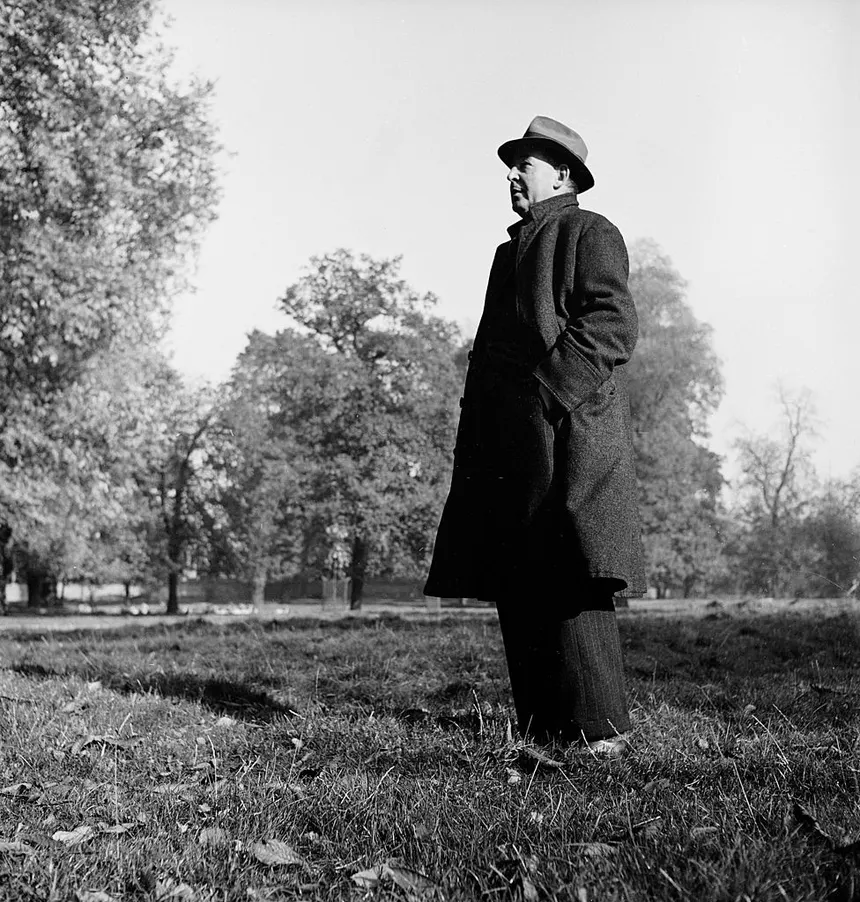
“You find out the strength of a wind by trying to walk against it, not by lying down. A man who gives in to temptation after five minutes simply does not know what it would have been like an hour later.”
— C. S. Lewis
English
Mr. Babar retweetledi

Mr. Babar retweetledi


Mr. Babar retweetledi

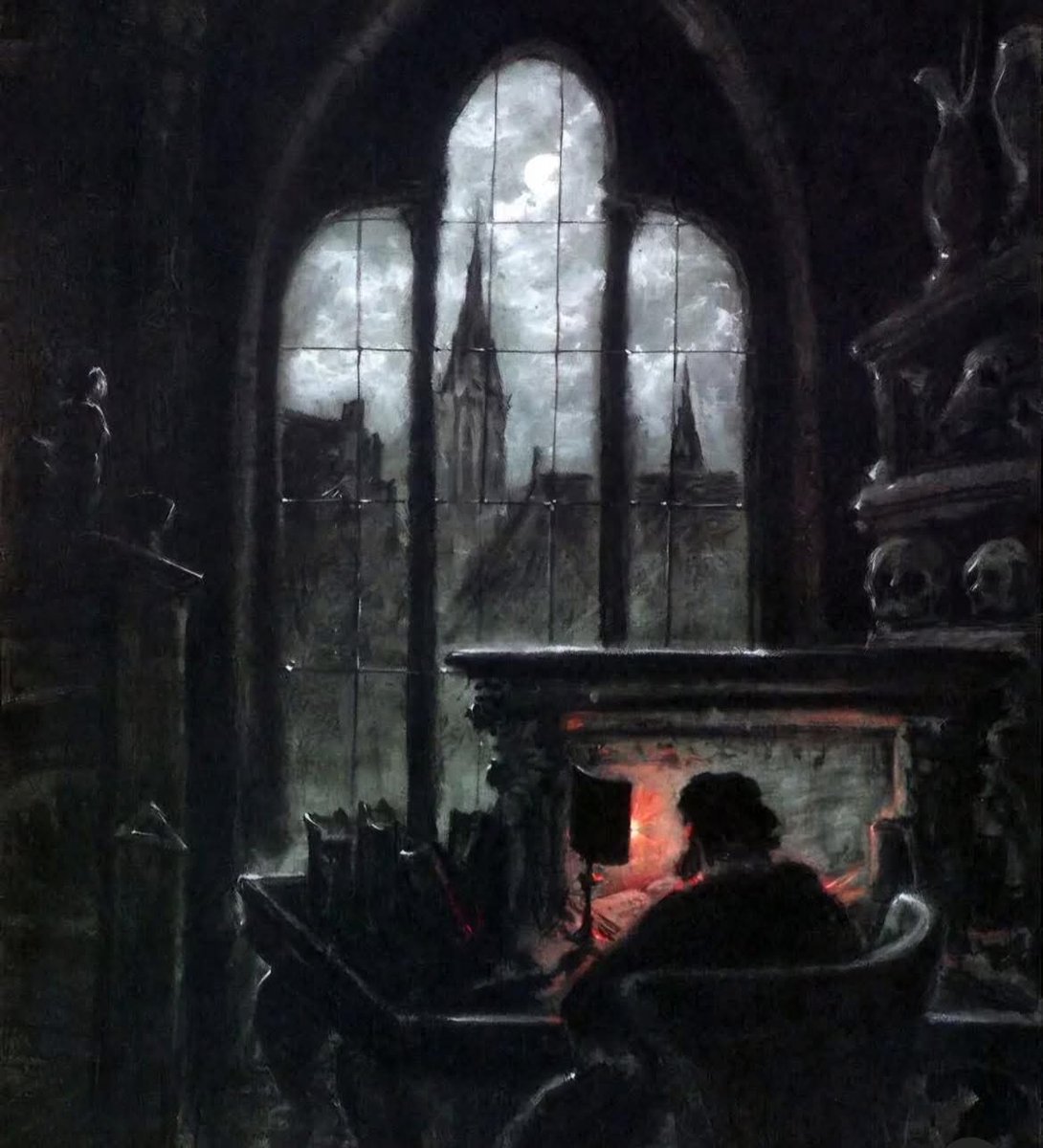
“Holy places are dark places. It is life and strength, not knowledge and words, that we get in them.
Holy wisdom is not clear and thin like water, but thick and dark like blood.”
— C.S. Lewis
English